Department of Pathology, Dunedin School of Medicine, University of Otago, P.O. Box 56, Dunedin 9054, New Zealand.
Maurice Wilkins Centre for Molecular Biodiscovery, The University of Auckland, Private Bag, Auckland 1023, New Zealand.
Genes (Basel). 2024 Jul 11;15(7):906. doi: 10.3390/genes15070906.
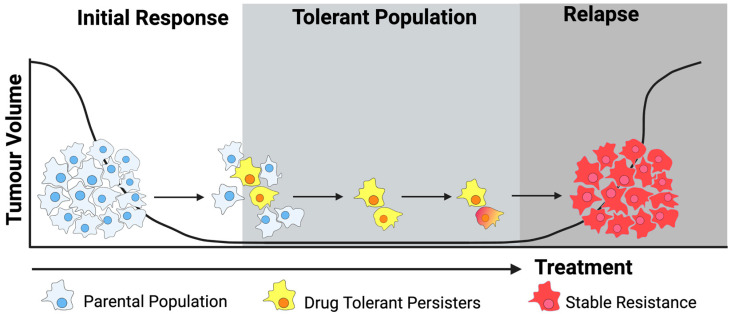
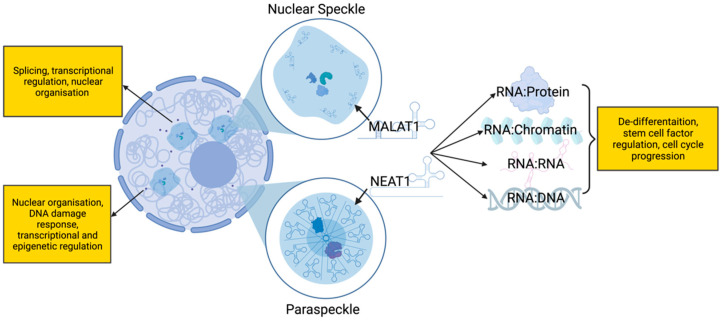
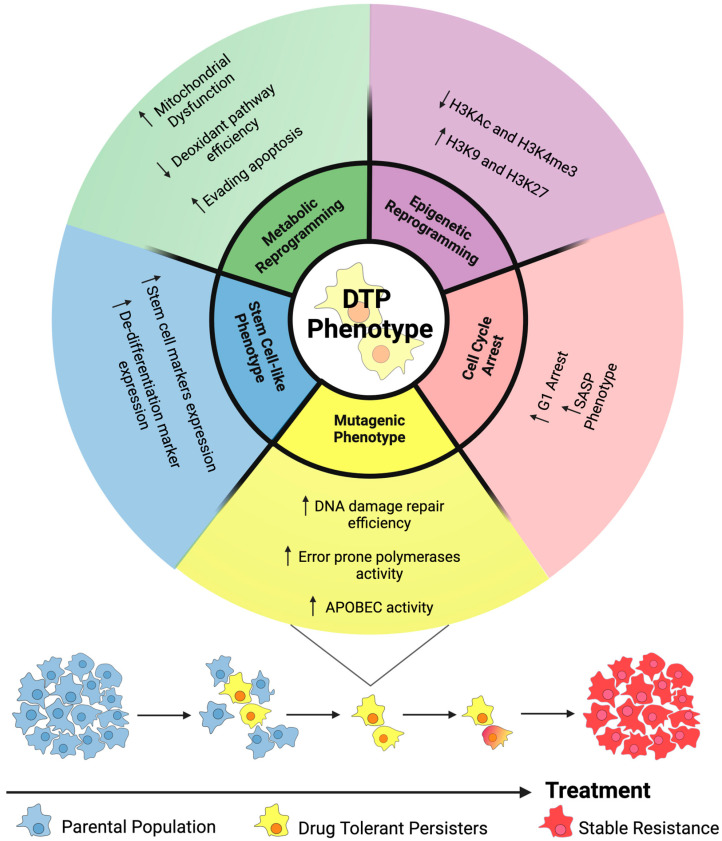
Lung cancer patients treated with targeted therapies frequently respond well but invariably relapse due to the development of drug resistance. Drug resistance is in part mediated by a subset of cancer cells termed "drug-tolerant persisters" (DTPs), which enter a dormant, slow-cycling state that enables them to survive drug exposure. DTPs also exhibit stem cell-like characteristics, broad epigenetic reprogramming, altered metabolism, and a mutagenic phenotype mediated by adaptive mutability. While several studies have characterised the transcriptional changes that lead to the altered phenotypes exhibited in DTPs, these studies have focused predominantly on protein coding changes. As long non-coding RNAs (lncRNAs) are also implicated in the phenotypes altered in DTPs, it is likely that they play a role in the biology of drug tolerance. In this review, we outline how lncRNAs may contribute to the key characteristics of DTPs, their potential roles in tolerance to targeted therapies, and the emergence of genetic resistance in lung adenocarcinoma.
肺癌患者接受靶向治疗后通常反应良好,但由于耐药性的发展,最终仍会复发。耐药性部分是由称为“耐药持久细胞”(DTPs)的一小部分癌细胞介导的,这些细胞进入休眠、缓慢循环状态,使它们能够在药物暴露下存活。DTPs 还表现出干细胞样特征、广泛的表观遗传重编程、代谢改变以及适应性突变引起的诱变表型。虽然有几项研究已经描述了导致 DTPs 中改变表型的转录变化,但这些研究主要集中在蛋白质编码变化上。由于长非编码 RNA(lncRNA)也与 DTPs 中改变的表型有关,因此它们很可能在药物耐受的生物学中发挥作用。在这篇综述中,我们概述了 lncRNA 如何有助于 DTP 的关键特征,它们在靶向治疗耐受中的潜在作用,以及肺腺癌中遗传耐药性的出现。