Brecs Ivars, Skuja Sandra, Kasyanov Vladimir, Groma Valerija, Kalejs Martins, Svirskis Simons, Ozolanta Iveta, Stradins Peteris
Faculty of Medicine, Riga Stradins University, 16 Dzirciema Street, LV-1007 Riga, Latvia.
Centre of Cardiac Surgery, Pauls Stradins Clinical University Hospital, 13 Pilsonu Street, LV-1002 Riga, Latvia.
J Clin Med. 2024 Jul 19;13(14):4225. doi: 10.3390/jcm13144225.
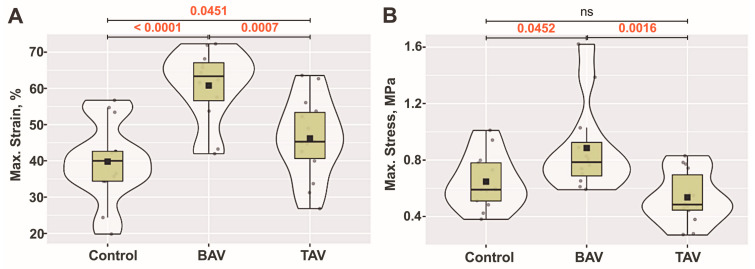
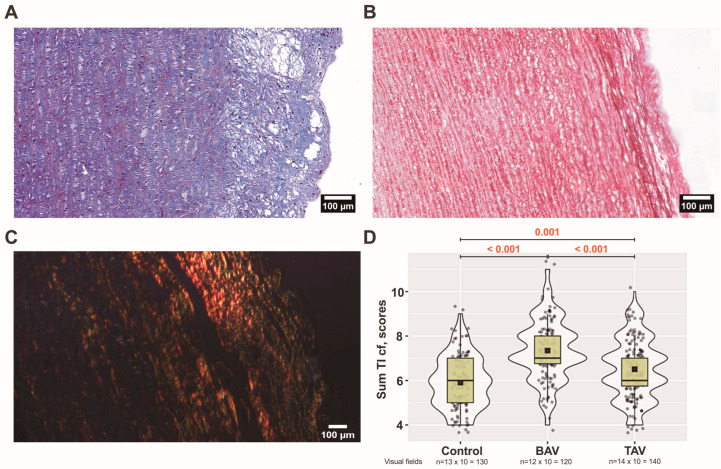
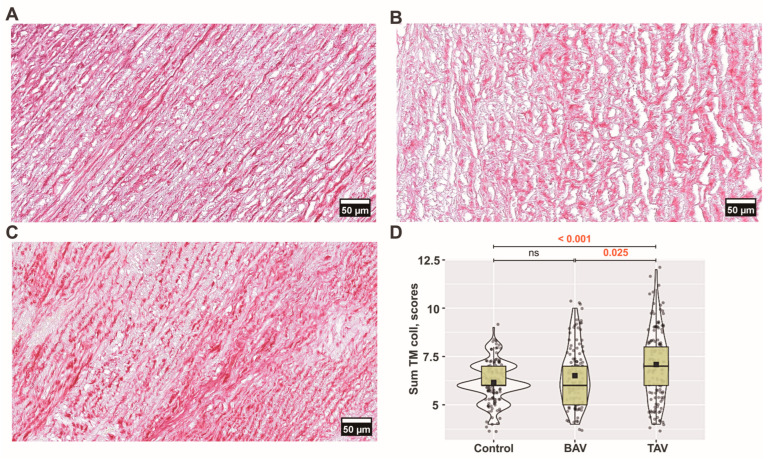
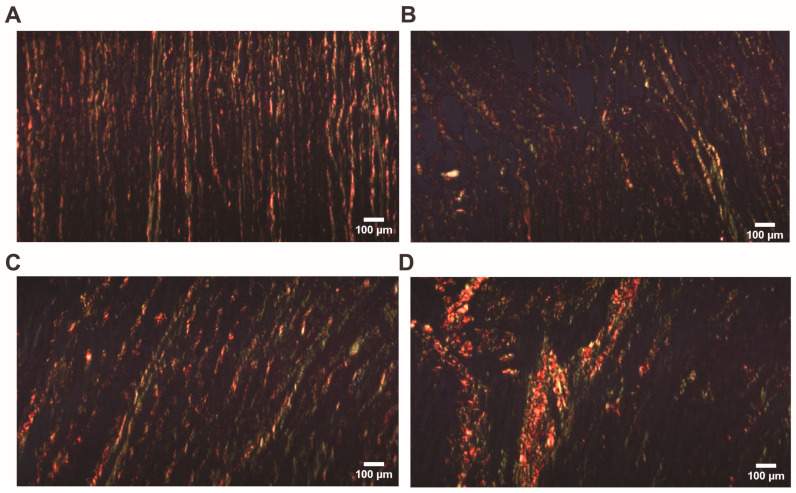
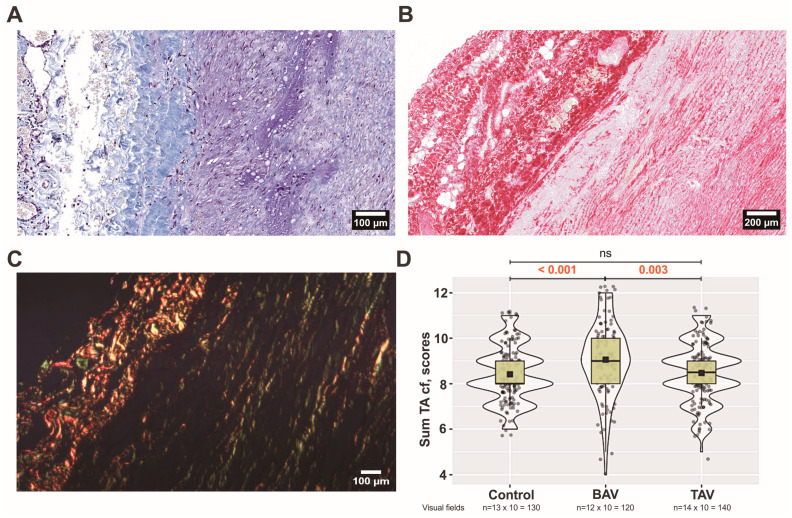
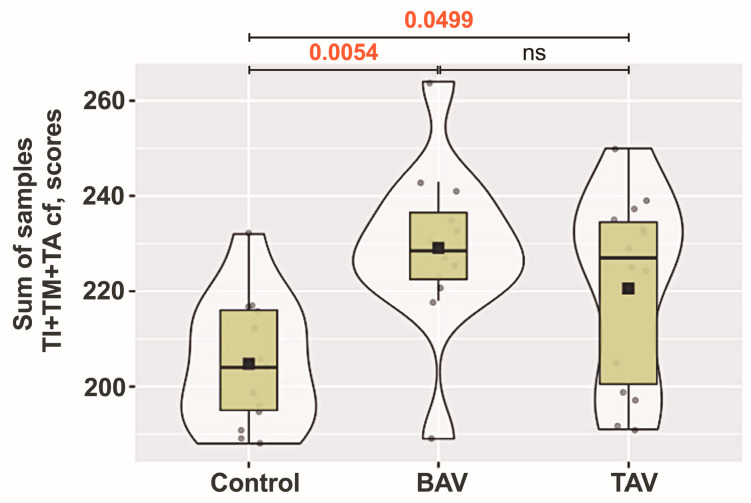
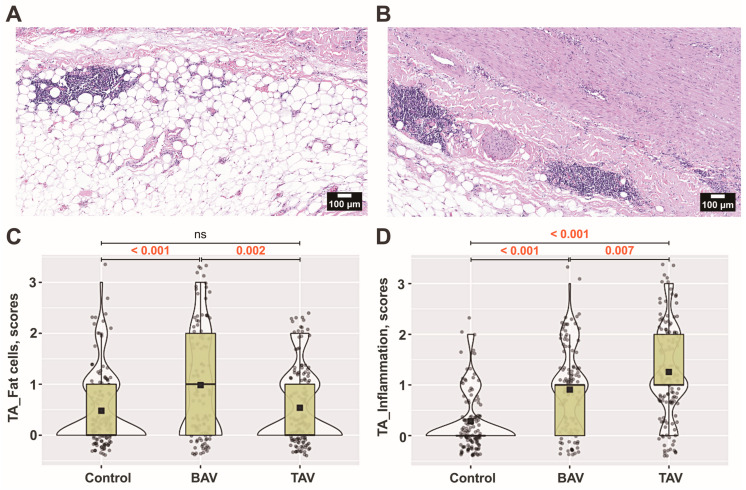
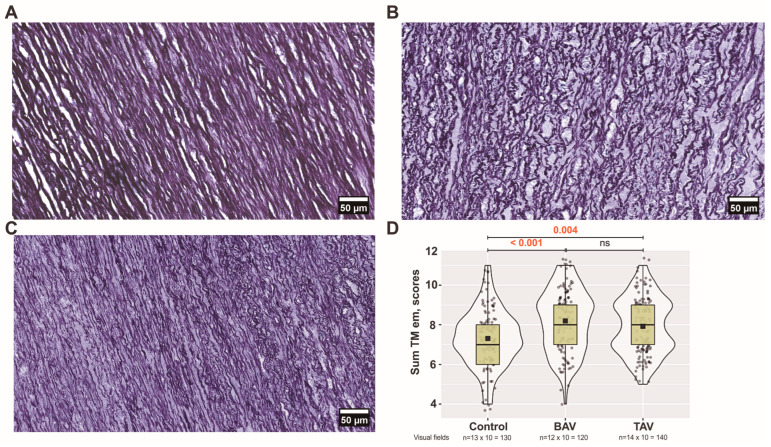
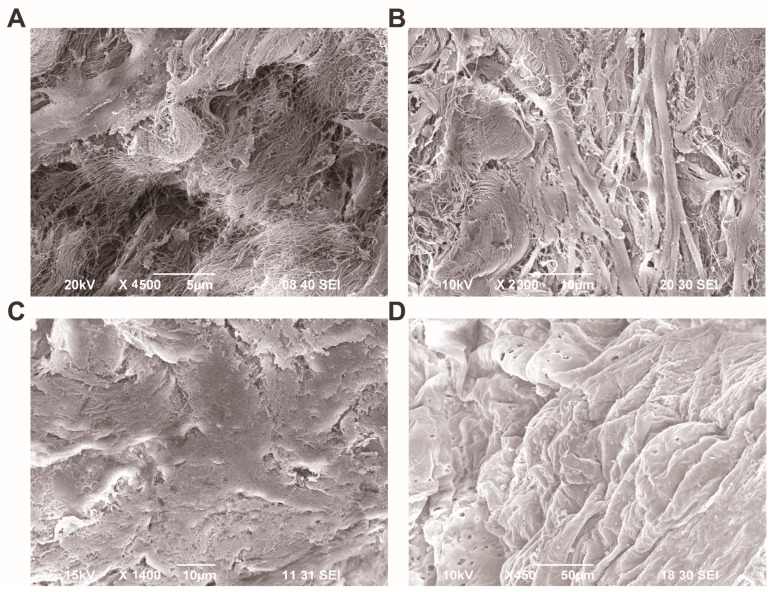
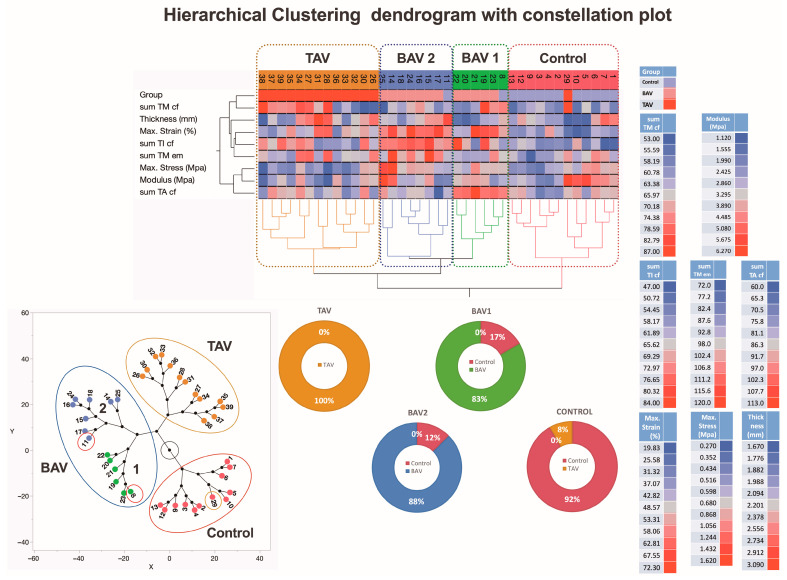
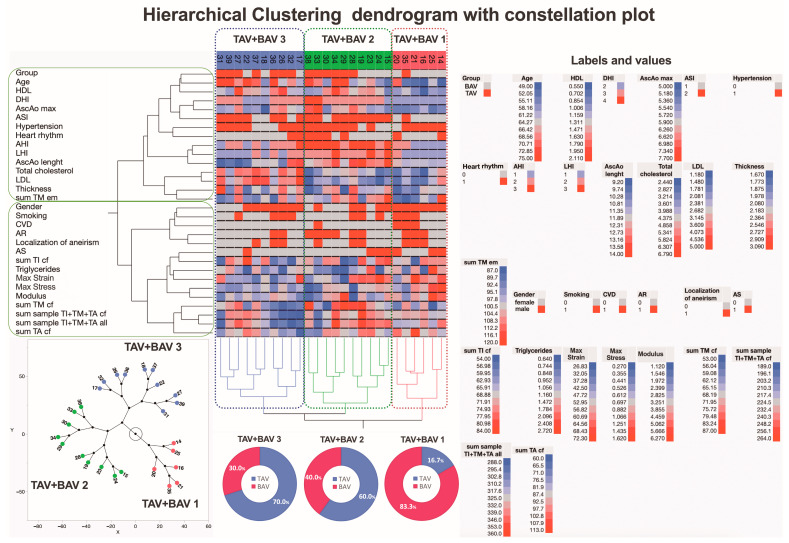
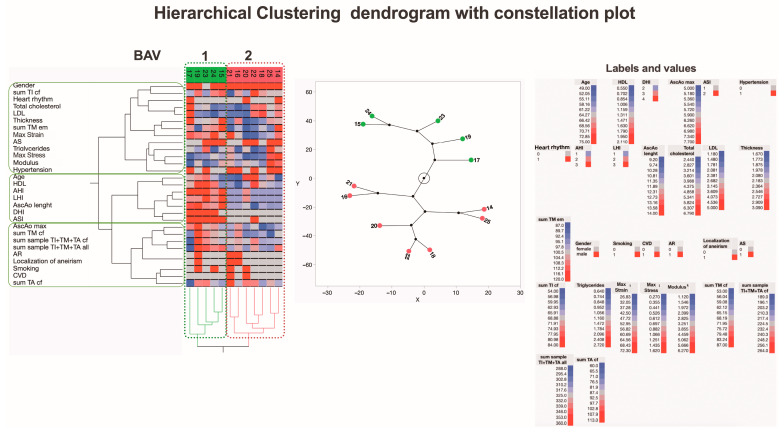
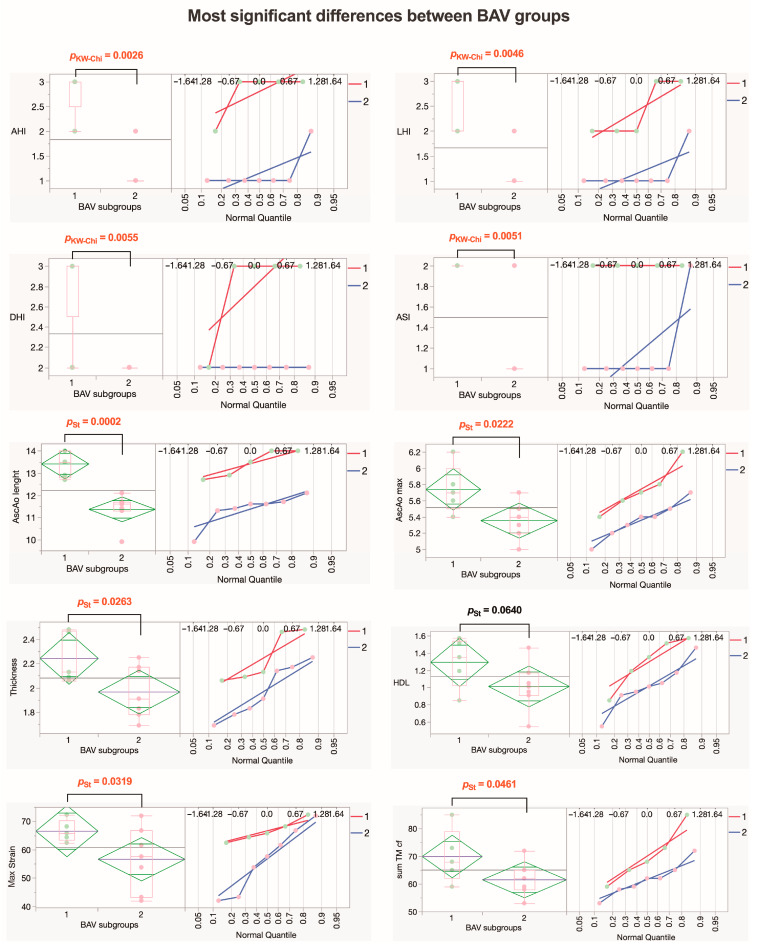
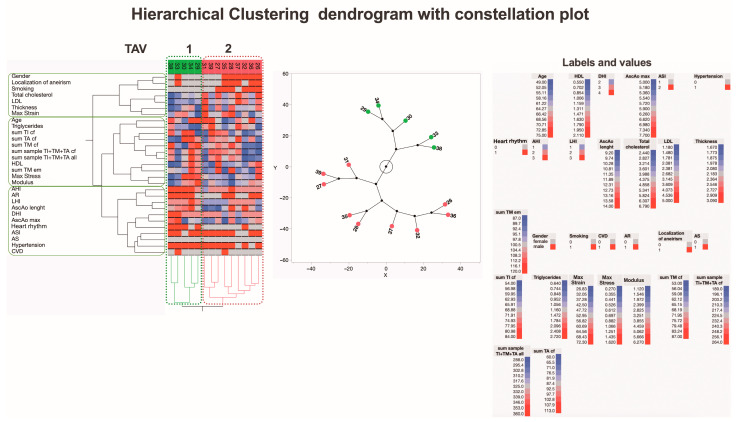
: This research explores the biomechanical and structural characteristics of ascending thoracic aortic aneurysms (ATAAs), focusing on the differences between bicuspid aortic valve aneurysms (BAV-As) and tricuspid aortic valve aneurysms (TAV-As) with non-dilated aortas to identify specific traits of ATAAs. : Clinical characteristics, laboratory indices, and imaging data from 26 adult patients operated on for aneurysms (BAV-A: = 12; TAV-A: = 14) and 13 controls were analyzed. Biomechanical parameters (maximal aortic diameter, strain, and stress) and structural analyses (collagen fiber organization, density, fragmentation, adipocyte deposits, and immune cell infiltration) were assessed. : Significant differences in biomechanical parameters were observed. Median maximal strain was 40.0% (control), 63.4% (BAV-A), and 45.3% (TAV-A); median maximal stress was 0.59 MPa (control), 0.78 MPa (BAV-A), and 0.48 MPa (TAV-A). BAV-A showed higher tangential modulus and smaller diameter, with substantial collagen fragmentation ( < 0.001 vs. TAV and controls). TAV-A exhibited increased collagen density ( = 0.025), thickening between media and adventitia layers, and disorganized fibers ( = 0.036). BAV-A patients had elevated adipocyte deposits and immune cell infiltration. : This study highlights distinct pathological profiles associated with different valve anatomies. BAV-A is characterized by smaller diameters, higher biomechanical stress, and significant collagen deterioration, underscoring the necessity for tailored clinical strategies for effective management of thoracic aortic aneurysm.
本研究探讨升主动脉瘤(ATAAs)的生物力学和结构特征,重点关注二叶式主动脉瓣动脉瘤(BAV-As)和三叶式主动脉瓣动脉瘤(TAV-As)与未扩张主动脉之间的差异,以确定ATAAs的特定特征。分析了26例接受动脉瘤手术的成年患者(BAV-A:n = 12;TAV-A:n = 14)和13例对照的临床特征、实验室指标及影像学数据。评估了生物力学参数(最大主动脉直径、应变和应力)和结构分析(胶原纤维组织、密度、断裂、脂肪细胞沉积和免疫细胞浸润)。观察到生物力学参数存在显著差异。最大应变中位数分别为40.0%(对照)、63.4%(BAV-A)和45.3%(TAV-A);最大应力中位数分别为0.59 MPa(对照)、0.78 MPa(BAV-A)和0.48 MPa(TAV-A)。BAV-A显示出更高的切向模量和更小的直径,伴有大量胶原断裂(与TAV和对照相比,P < 0.001)。TAV-A表现出胶原密度增加(P = 0.025)、中膜和外膜层增厚以及纤维排列紊乱(P = 0.036)。BAV-A患者脂肪细胞沉积和免疫细胞浸润增加。本研究强调了与不同瓣膜解剖结构相关的不同病理特征。BAV-A的特征是直径较小、生物力学应力较高以及显著的胶原退变,强调了制定针对性临床策略以有效管理胸主动脉瘤的必要性。