Dai Caixia, Zeng Xiangju, Zhang Xiuhong, Liu Ziqi, Cheng Shunhua
Department of Urology, The Second Xiangya Hospital of Central South University, Changsha, 410011, Hunan, China.
Department of Outpatient, The Second Xiangya Hospital of Central South University, Changsha, 410011, Hunan, China.
Discov Oncol. 2024 Jul 29;15(1):316. doi: 10.1007/s12672-024-01189-5.
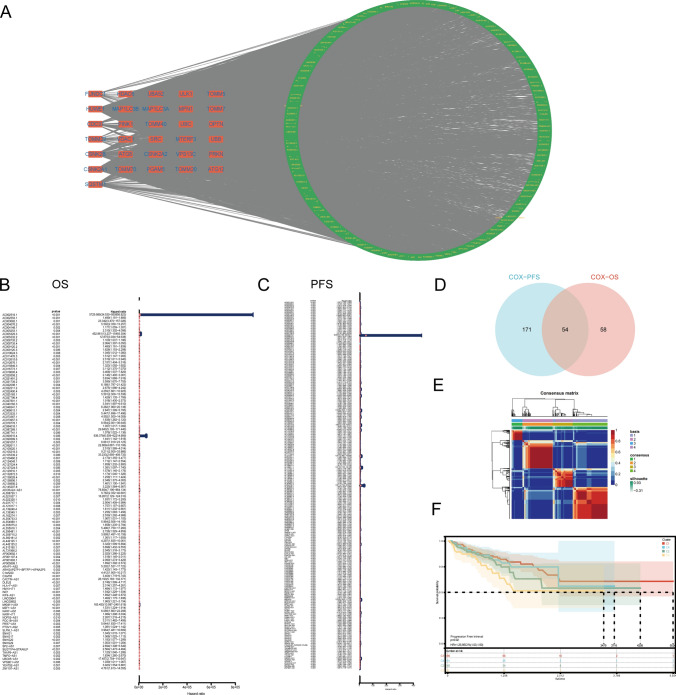
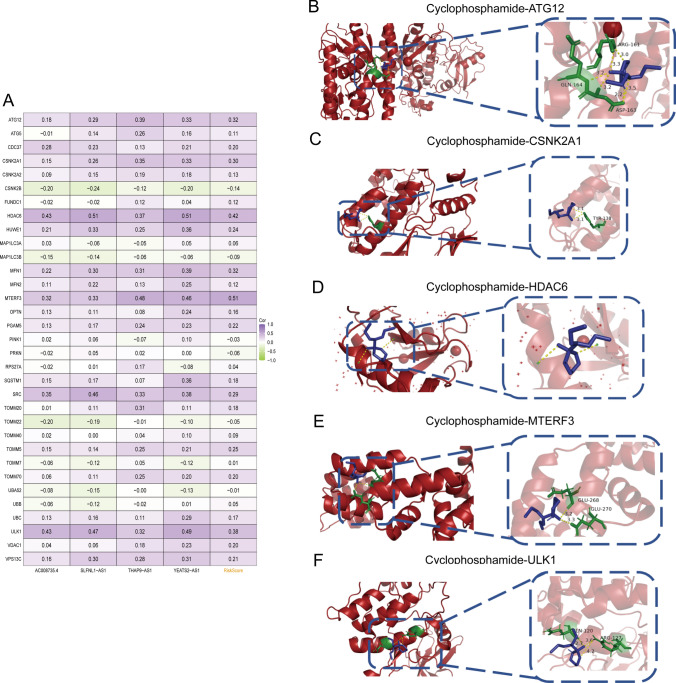
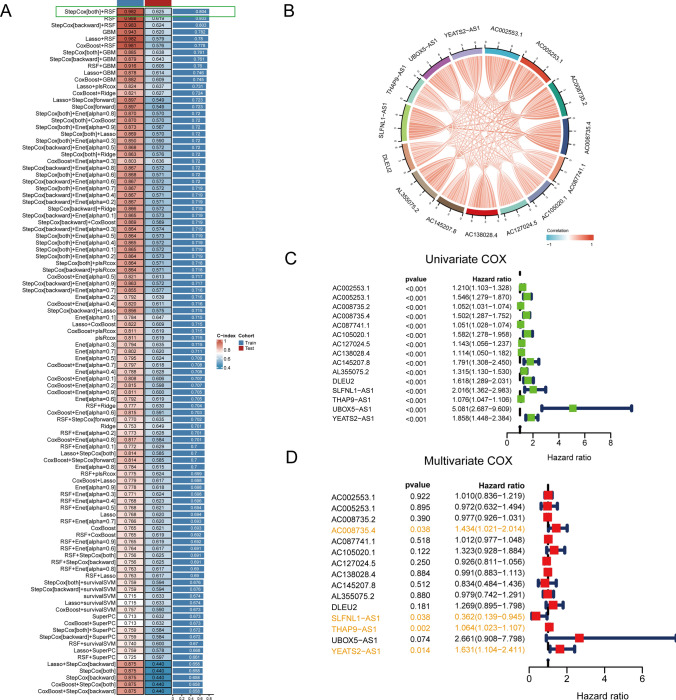
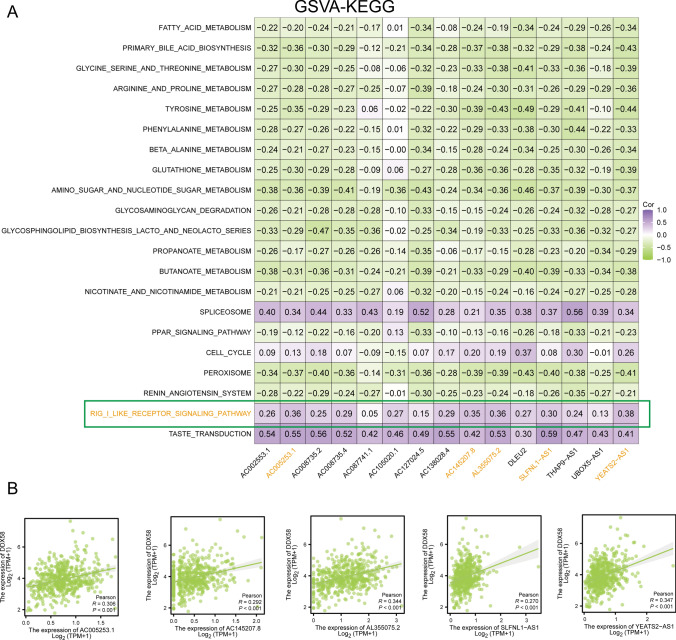
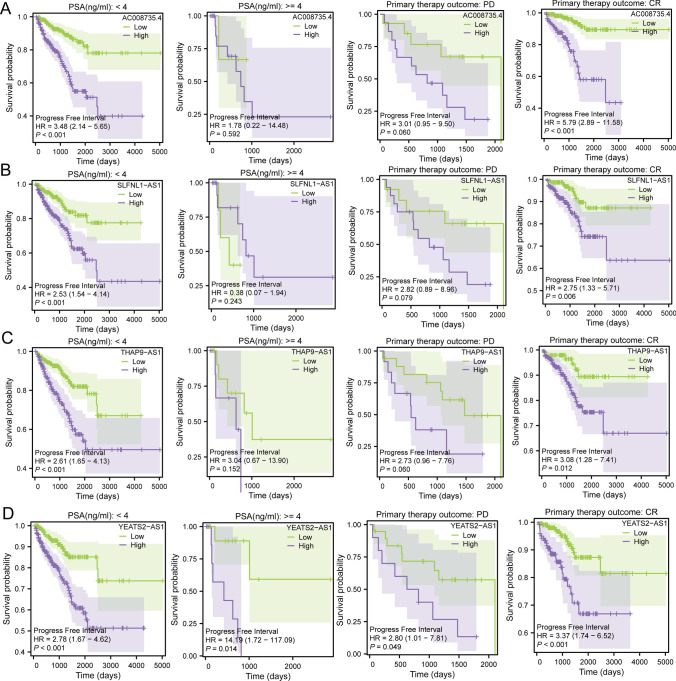
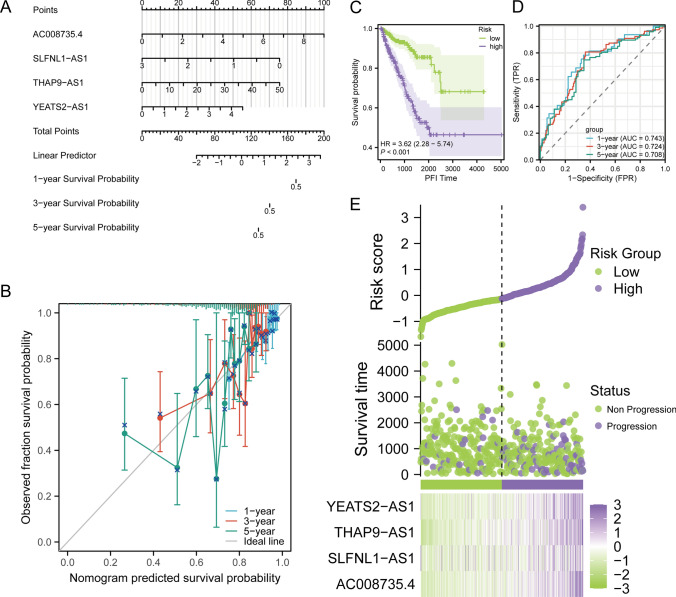
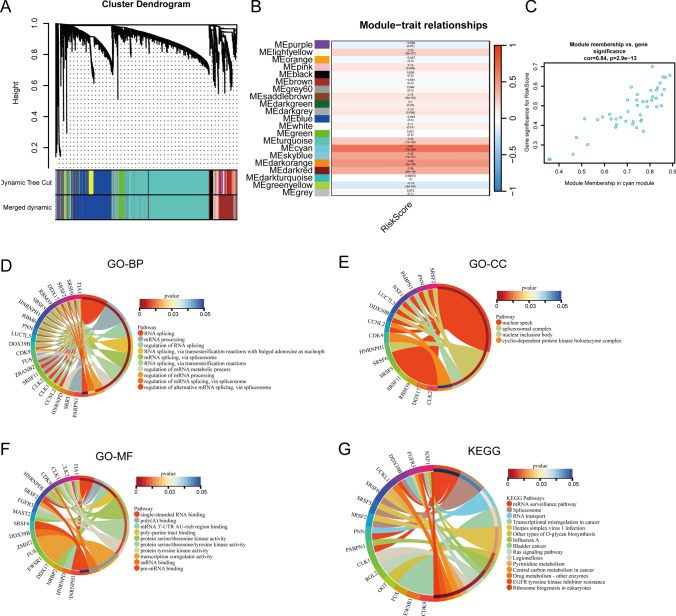
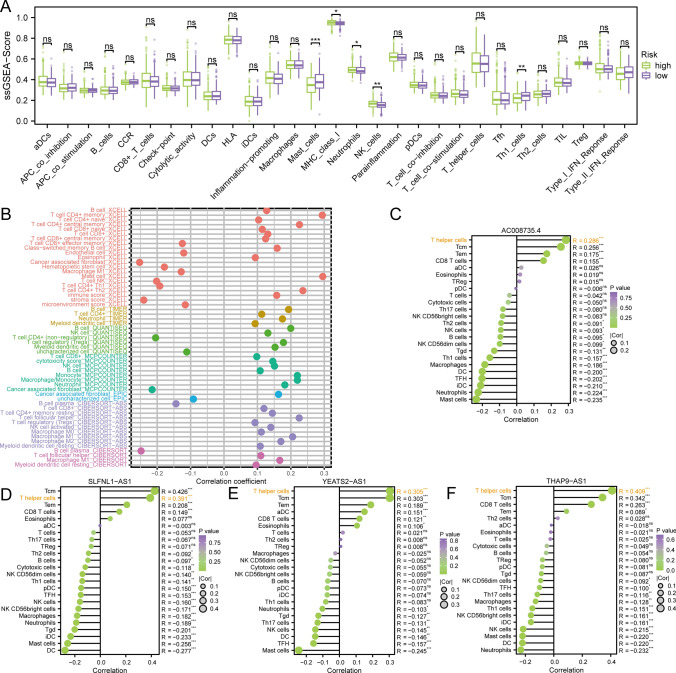
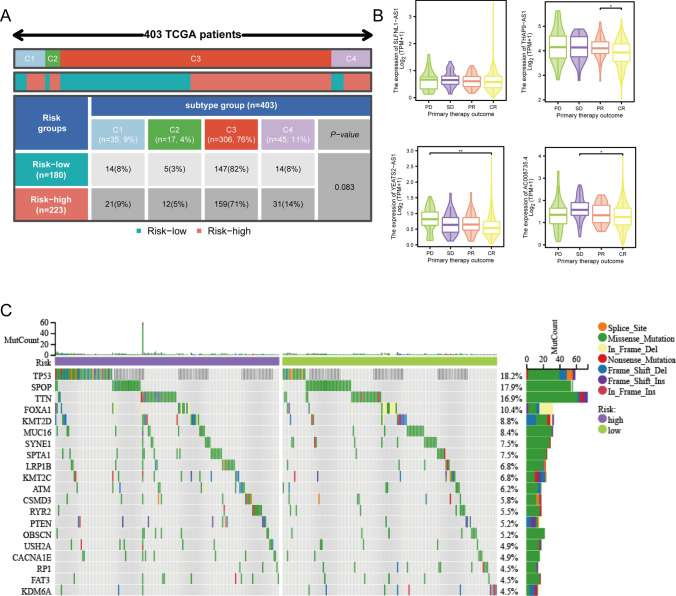
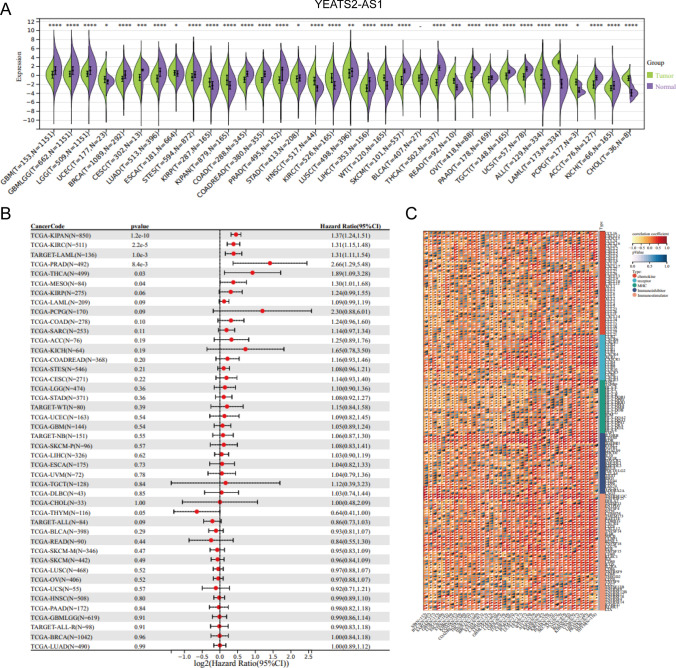
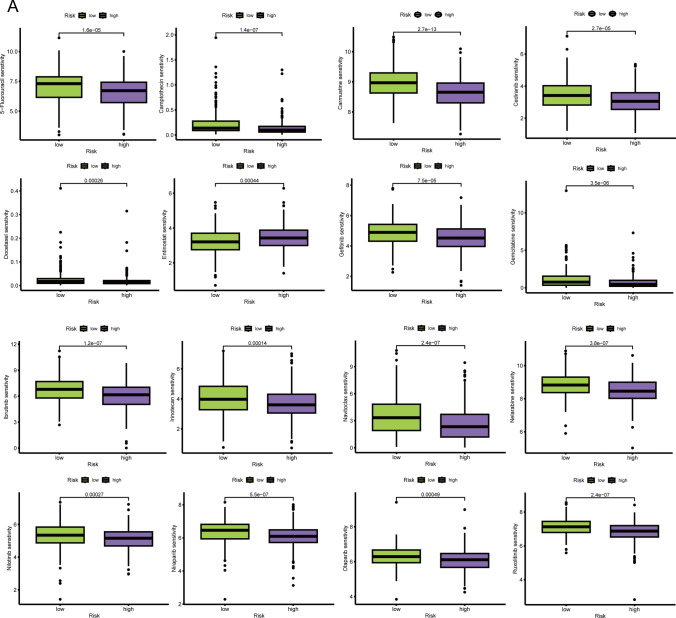
Prostate cancer remains a complex and challenging disease, necessitating innovative approaches for prognosis and therapeutic guidance. This study integrates machine learning techniques to develop a novel mitophagy-related long non-coding RNA (lncRNA) signature for predicting the progression of prostate cancer. Leveraging the TCGA-PRAD dataset, we identify a set of four key lncRNAs and formulate a riskscore, revealing its potential as a prognostic indicator. Subsequent analyses unravel the intricate connections between riskscore, immune cell infiltration, mutational landscapes, and treatment outcomes. Notably, the pan-cancer exploration of YEATS2-AS1 highlights its pervasive impact, demonstrating elevated expression across various malignancies. Furthermore, drug sensitivity predictions based on riskscore guide personalized chemotherapy strategies, with drugs like Carmustine and Entinostat showing distinct suitability for high and low-risk group patients. Regression analysis exposes significant correlations between the mitophagy-related lncRNAs, riskscore, and key mitophagy-related genes. Molecular docking analyses reveal promising interactions between Cyclophosphamide and proteins encoded by these genes, suggesting potential therapeutic avenues. This comprehensive study not only introduces a robust prognostic tool but also provides valuable insights into the molecular intricacies and potential therapeutic interventions in prostate cancer, paving the way for more personalized and effective clinical approaches.
前列腺癌仍然是一种复杂且具有挑战性的疾病,需要创新方法用于预后评估和治疗指导。本研究整合机器学习技术,以开发一种用于预测前列腺癌进展的新型线粒体自噬相关长链非编码RNA(lncRNA)特征。利用TCGA-PRAD数据集,我们鉴定出一组四个关键lncRNA并制定了一个风险评分,揭示了其作为预后指标的潜力。后续分析揭示了风险评分、免疫细胞浸润、突变图谱和治疗结果之间的复杂联系。值得注意的是,对YEATS2-AS1的泛癌探索突出了其广泛影响,表明其在各种恶性肿瘤中均有高表达。此外,基于风险评分的药物敏感性预测指导个性化化疗策略,卡莫司汀和恩替诺特等药物对高风险和低风险组患者显示出不同的适用性。回归分析揭示了线粒体自噬相关lncRNA、风险评分和关键线粒体自噬相关基因之间的显著相关性。分子对接分析揭示了环磷酰胺与这些基因编码的蛋白质之间有前景的相互作用,提示了潜在的治疗途径。这项全面的研究不仅引入了一种强大的预后工具,还为前列腺癌的分子复杂性和潜在治疗干预提供了有价值的见解,为更个性化和有效的临床方法铺平了道路。