Hwang Jonathan C, Beatty Colleen J, Khobzei Kuzma, Kazlouskaya Viktoryia
Department of Dermatology, University of Pittsburgh, Pittsburgh, Pennsylvania.
Department of Dermatology, West Virginia University, Morgantown, West Virginia.
Int J Womens Dermatol. 2024 Jul 29;10(3):e167. doi: 10.1097/JW9.0000000000000167. eCollection 2024 Oct.
It is hypothesized that scalp allergic contact dermatitis (ACD) in women is commonly mistaken for other disorders due to overlapping symptoms and unique clinical presentations.
This study reviews the potential underdiagnosis and misdiagnosis of scalp ACD and explores ways to improve diagnostic accuracy.
This study conducted an extensive literature review to identify diagnostic challenges, common misdiagnoses, and diagnostic approaches for scalp ACD, focusing on standard versus targeted patch testing techniques.
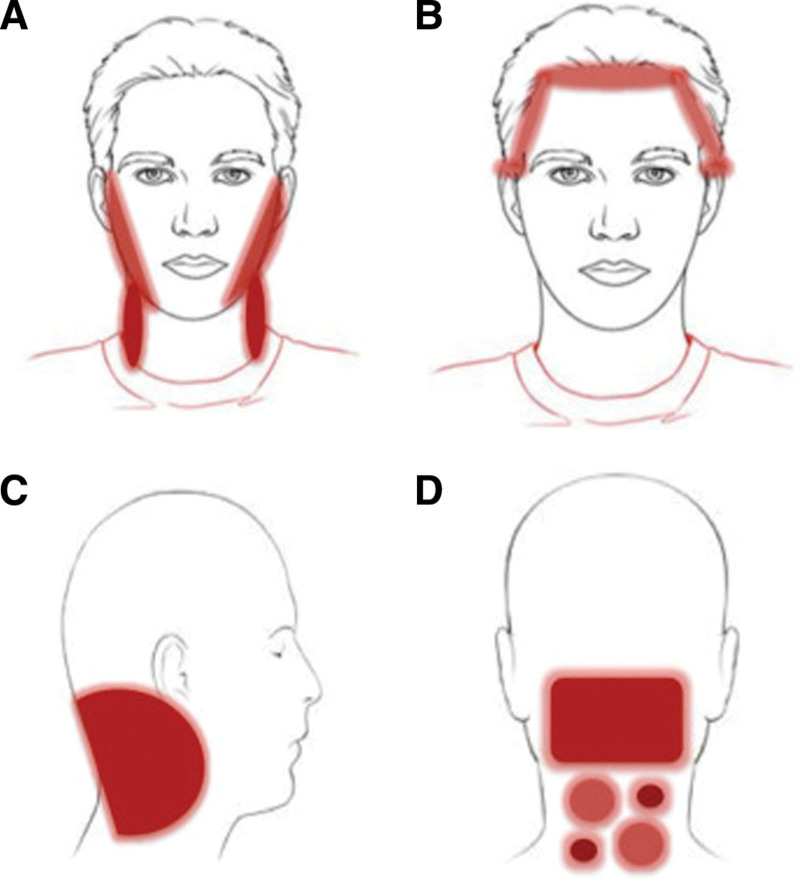
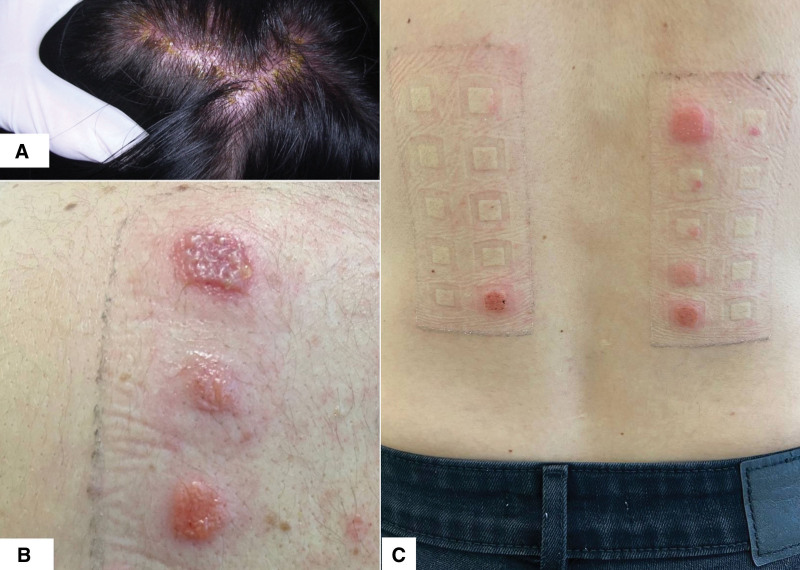
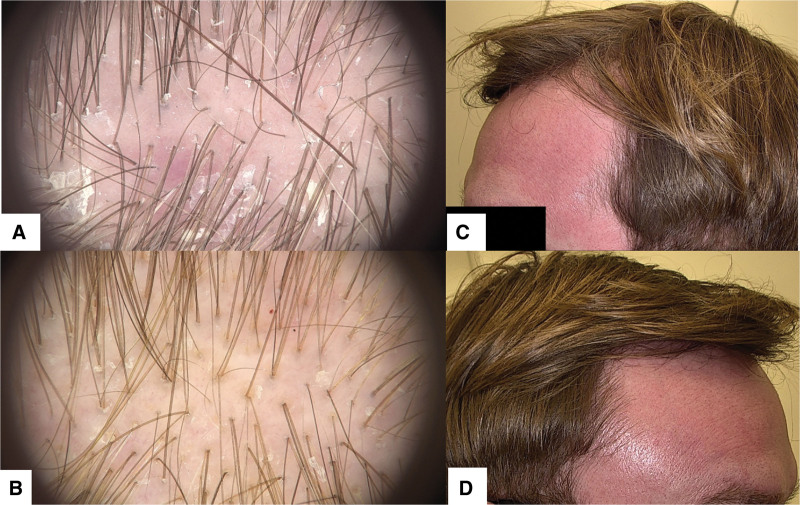
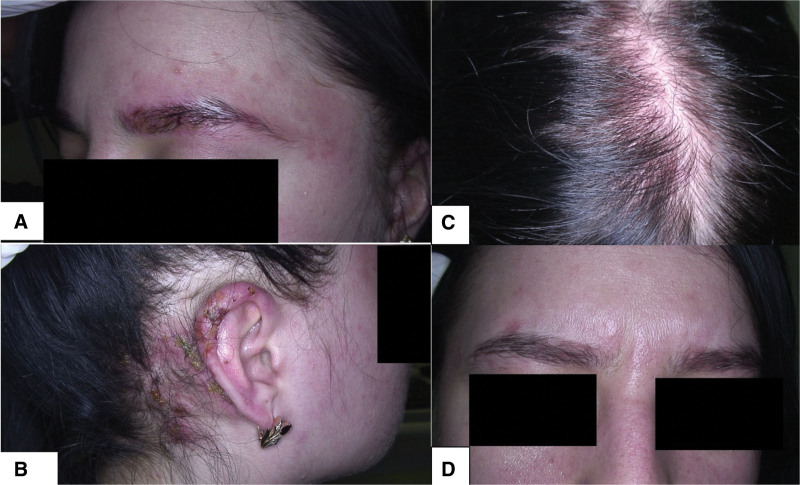
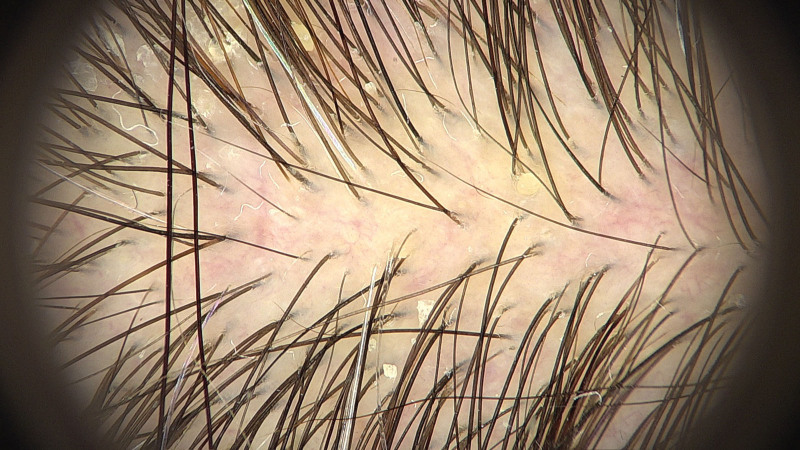
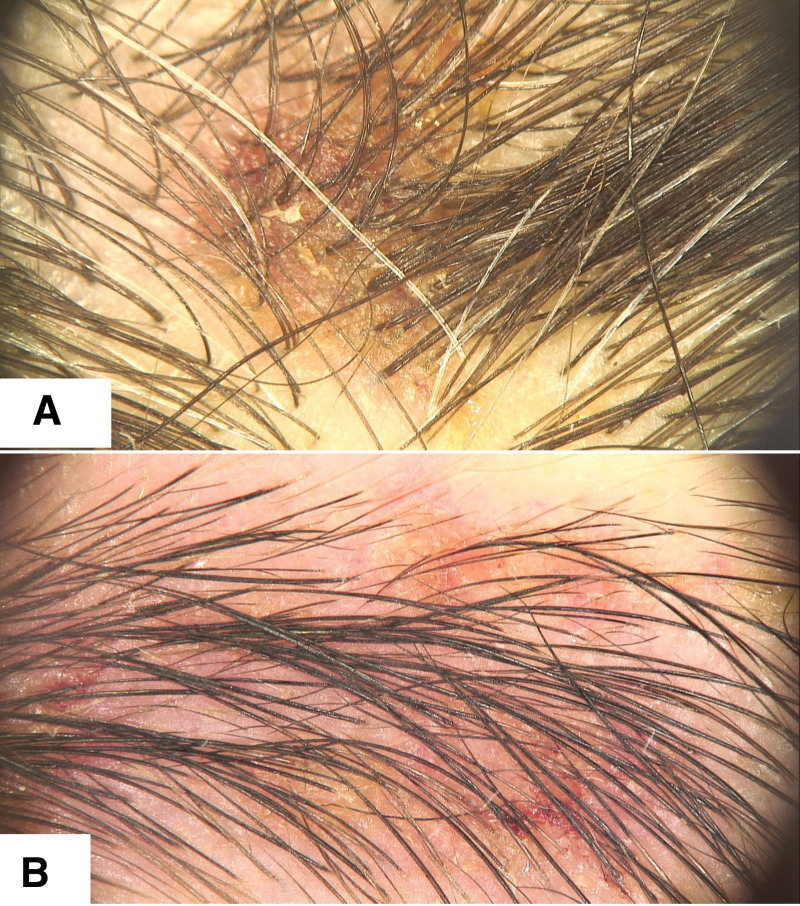
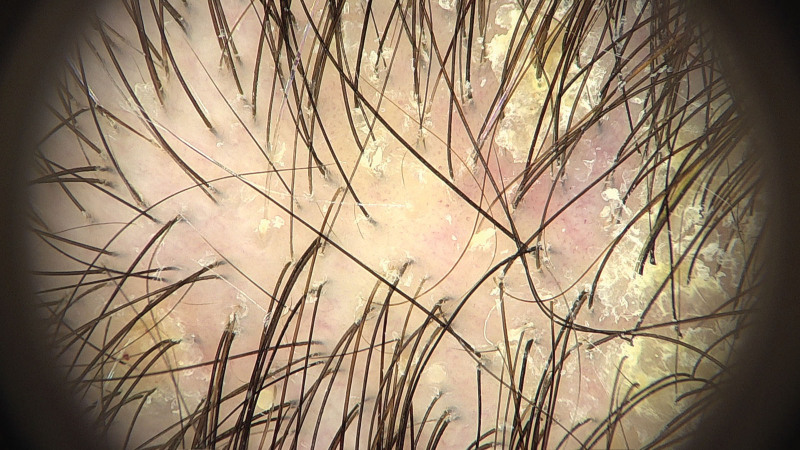
Scalp ACD, often misdiagnosed as seborrheic dermatitis due to similar symptoms, has atypical presentations such as hair thinning, hair loss, and erythematous lesions affecting neighboring regions. Trichoscopy can help distinguish scalp ACD, identifying its patchy distribution of thin white scales, in contrast to the yellow scaling of seborrheic dermatitis. Standardized patch testing further contributes to diagnostic errors, with a study reporting 83% of patients who tested negative with standardized patch tests were positive when using their personal products. Individualized patch testing is more effective in identifying causative allergens and accurately diagnosing scalp ACD.
It is a retrospective review.
Several factors contribute to scalp ACD's misdiagnosis for conditions such as seborrheic dermatitis. The significant discrepancy in ACD detection rates between personalized and standardized patch tests in women emphasizes the importance of using patient-specific products in diagnostic testing. Incorporating scalp ACD more readily into one's differential, employing individualized patch testing with trichoscopy, and accounting for neighboring symptomatic areas are all crucial elements in improving diagnostic accuracy for scalp ACD in women.
据推测,由于症状重叠和独特的临床表现,女性头皮过敏性接触性皮炎(ACD)常被误诊为其他疾病。
本研究回顾了头皮ACD可能存在的诊断不足和误诊情况,并探索提高诊断准确性的方法。
本研究进行了广泛的文献综述,以确定头皮ACD的诊断挑战、常见误诊情况和诊断方法,重点关注标准与靶向斑贴试验技术。
头皮ACD常因症状相似而被误诊为脂溢性皮炎,具有非典型表现,如头发变细、脱发以及影响邻近区域的红斑性病变。皮肤镜检查有助于区分头皮ACD,可发现其薄白鳞屑的斑片状分布,这与脂溢性皮炎的黄色鳞屑不同。标准化斑贴试验进一步导致诊断错误,一项研究报告称,使用标准化斑贴试验检测为阴性的患者中,使用个人产品进行检测时83%呈阳性。个体化斑贴试验在识别致病过敏原和准确诊断头皮ACD方面更有效。
这是一项回顾性研究。
有几个因素导致头皮ACD被误诊为脂溢性皮炎等疾病。女性个性化斑贴试验和标准化斑贴试验在ACD检测率上的显著差异强调了在诊断测试中使用患者特定产品的重要性。在鉴别诊断中更及时地纳入头皮ACD,采用结合皮肤镜检查的个体化斑贴试验,并考虑邻近的有症状区域,都是提高女性头皮ACD诊断准确性的关键因素。