Afsar Baris, Afsar Rengin Elsurer, Caliskan Yasar, Lentine Krista L
Department of Nephrology, School of Medicine, Suleyman Demirel University, Isparta, Turkey.
Department of Nephrology, Saint Loui University, Saint Louis University Hospital, Saint Louis, MO, USA.
Calcif Tissue Int. 2024 Oct;115(4):339-361. doi: 10.1007/s00223-024-01261-w. Epub 2024 Jul 30.
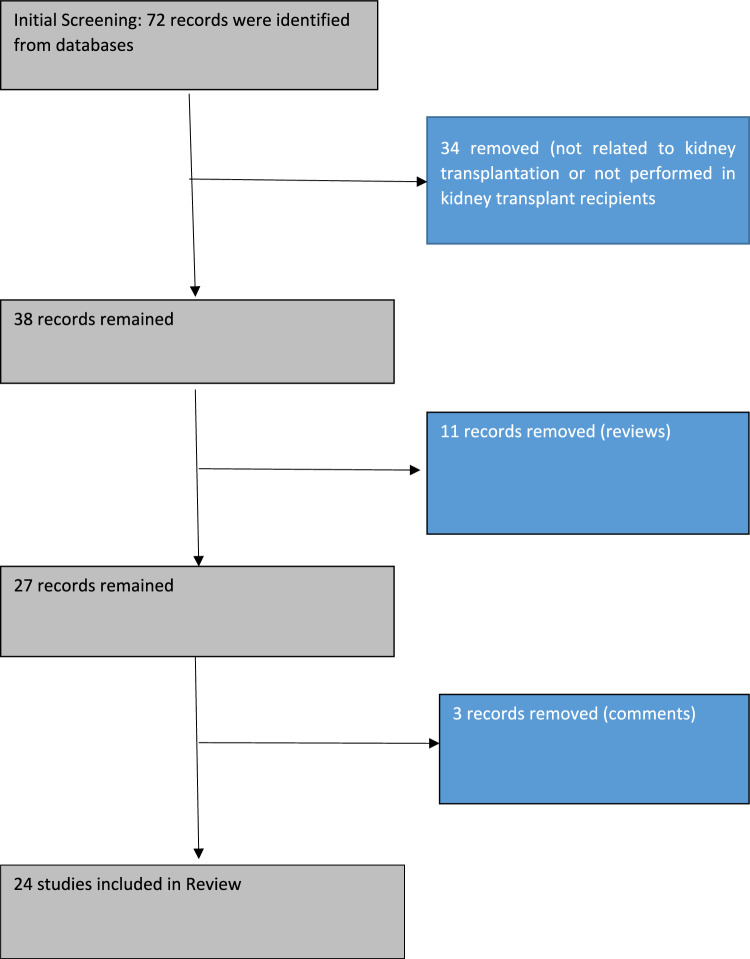
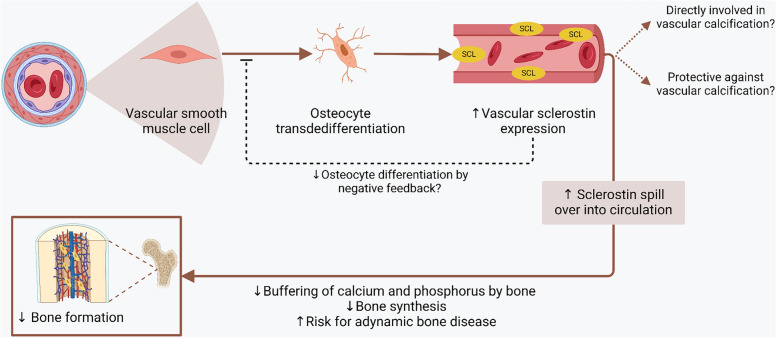
Kidney transplantation is the most effective treatment option for most patients with end-stage kidney disease due to reduced mortality, decreased cardiovascular events and increased quality of life compared to patients treated with dialysis. However, kidney transplantation is not devoid of both acute and chronic complications including mineral bone disorders (MBD) which are already present in patients with chronic kidney disease (CKD) before kidney transplantation. The natural history of MBD after kidney transplantation is variable and new markers are needed to define MBD after kidney transplantation. One of these promising molecules is sclerostin. The main action of sclerostin is to inhibit bone formation and mineralization by blocking osteoblast differentiation and function. In kidney transplant recipients (KTRs), various studies have shown that sclerostin is associated with graft function, bone parameters, vascular calcification, and arterial stiffness although non-uniformly. Furthermore, data for inhibition of sclerostin with monoclonal antibody romosozumab for treatment of osteoporosis is available for general population but not in KTRs which osteoporosis is highly prevalent. In this narrative review, we have summarized the studies investigating the change of sclerostin before and after kidney transplantation, the relationship between sclerostin and laboratory parameters, bone metabolism and vascular calcification in the context of kidney transplantation. We also pointed out the uncertainties, explained the causes of divergent findings and suggest further potential study topics regarding sclerostin in kidney transplantation.
与接受透析治疗的患者相比,肾移植是大多数终末期肾病患者最有效的治疗选择,因为它可降低死亡率、减少心血管事件并提高生活质量。然而,肾移植并非没有急性和慢性并发症,包括矿物质骨代谢紊乱(MBD),而这些并发症在肾移植前的慢性肾脏病(CKD)患者中就已存在。肾移植后MBD的自然病程各不相同,因此需要新的标志物来定义肾移植后的MBD。骨硬化蛋白就是其中一个有前景的分子。骨硬化蛋白的主要作用是通过阻断成骨细胞分化和功能来抑制骨形成和矿化。在肾移植受者(KTRs)中,各种研究表明,骨硬化蛋白与移植肾功能、骨参数、血管钙化和动脉僵硬度有关,尽管结果并不一致。此外,单克隆抗体罗莫单抗抑制骨硬化蛋白治疗骨质疏松症的数据在普通人群中已有,但在骨质疏松症高发的KTRs中尚无。在这篇叙述性综述中,我们总结了有关肾移植前后骨硬化蛋白变化、肾移植背景下骨硬化蛋白与实验室参数、骨代谢和血管钙化之间关系的研究。我们还指出了不确定性,解释了结果分歧的原因,并提出了关于肾移植中骨硬化蛋白的进一步潜在研究课题。