Department of Oncology, School of Medicine and Public Health, University of Wisconsin, Madison, WI 53705, USA.
Davis Center for Regenerative Biology and Medicine, Mount Desert Island Biological Laboratory, Salisbury Cove, ME 04672, USA.
Front Biosci (Landmark Ed). 2024 Jul 23;29(7):264. doi: 10.31083/j.fbl2907264.
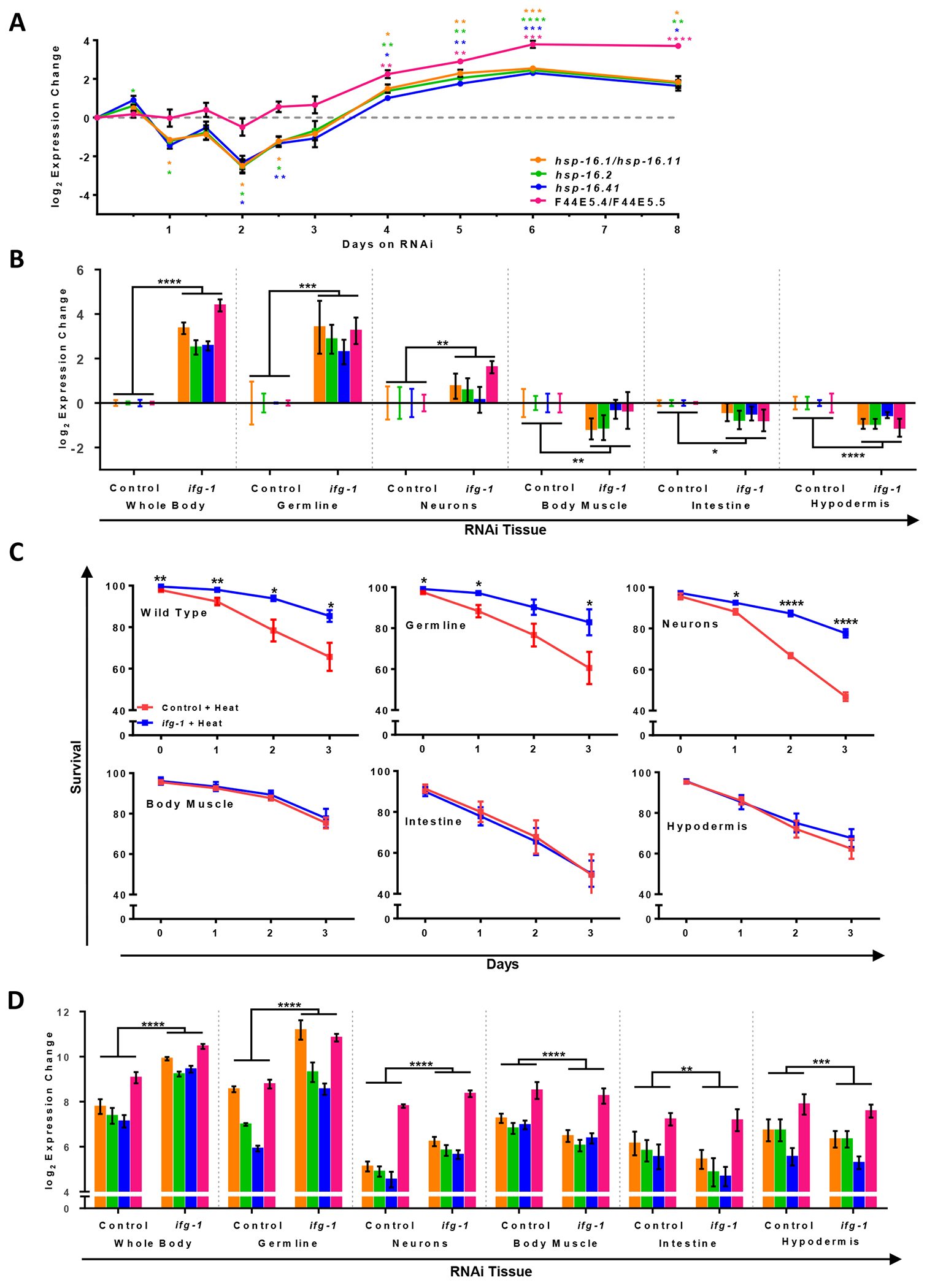
The ability to maintain muscle function decreases with age and loss of proteostatic function. Diet, drugs, and genetic interventions that restrict nutrients or nutrient signaling help preserve long-term muscle function and slow age-related decline. Previously, it was shown that attenuating protein synthesis downstream of the mechanistic target of rapamycin (mTOR) gradually increases expression of heat shock response (HSR) genes in a manner that correlates with increased resilience to protein unfolding stress. Here, we investigate the role of specific tissues in mediating the cytoprotective effects of low translation.
This study uses genetic tools (transgenic (), RNA interference and gene expression analysis) as well as physiological assays (survival and paralysis assays) in order to better understand how specific tissues contribute to adaptive changes involving cellular cross-talk that enhance proteostasis under low translation conditions.
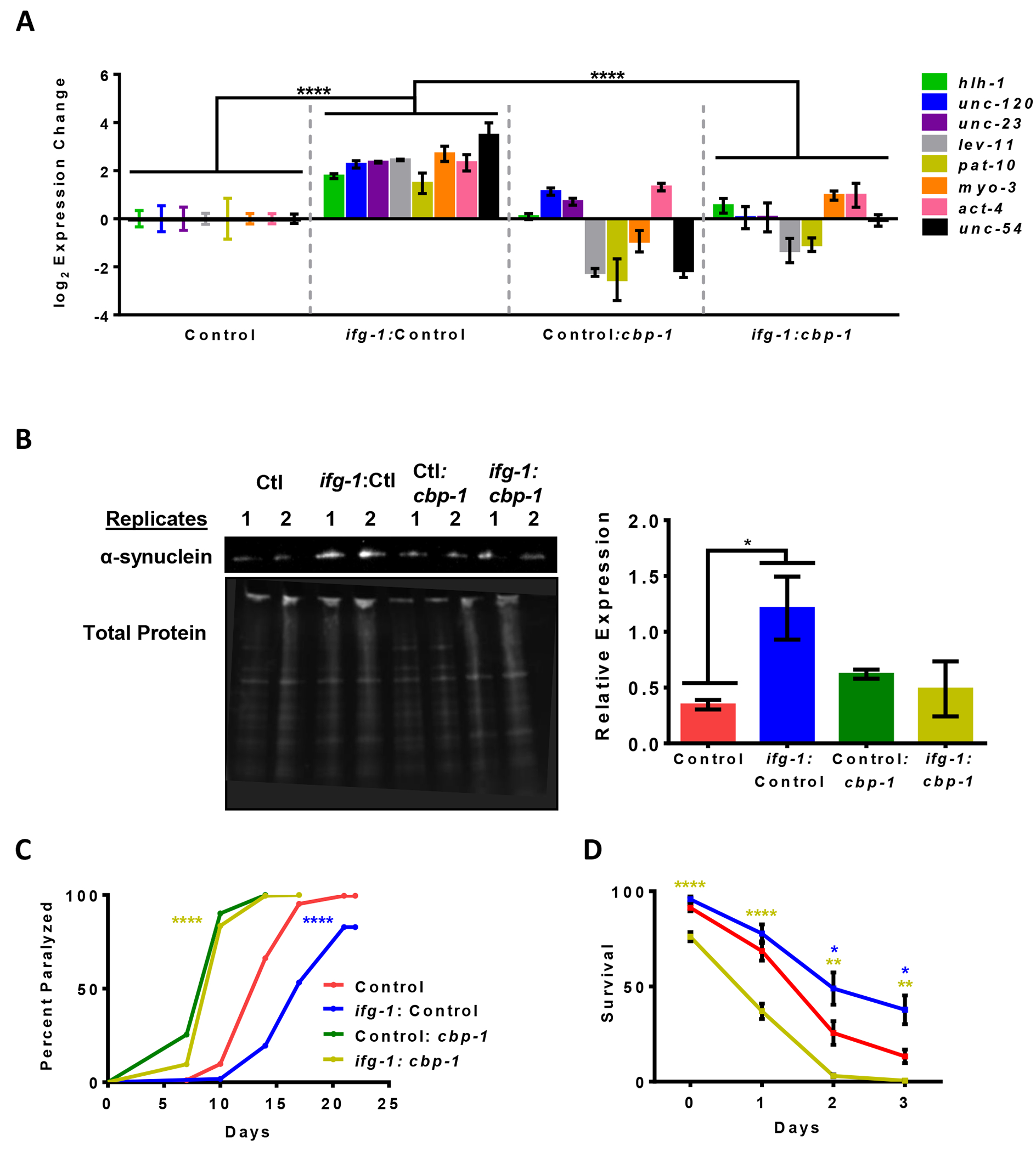
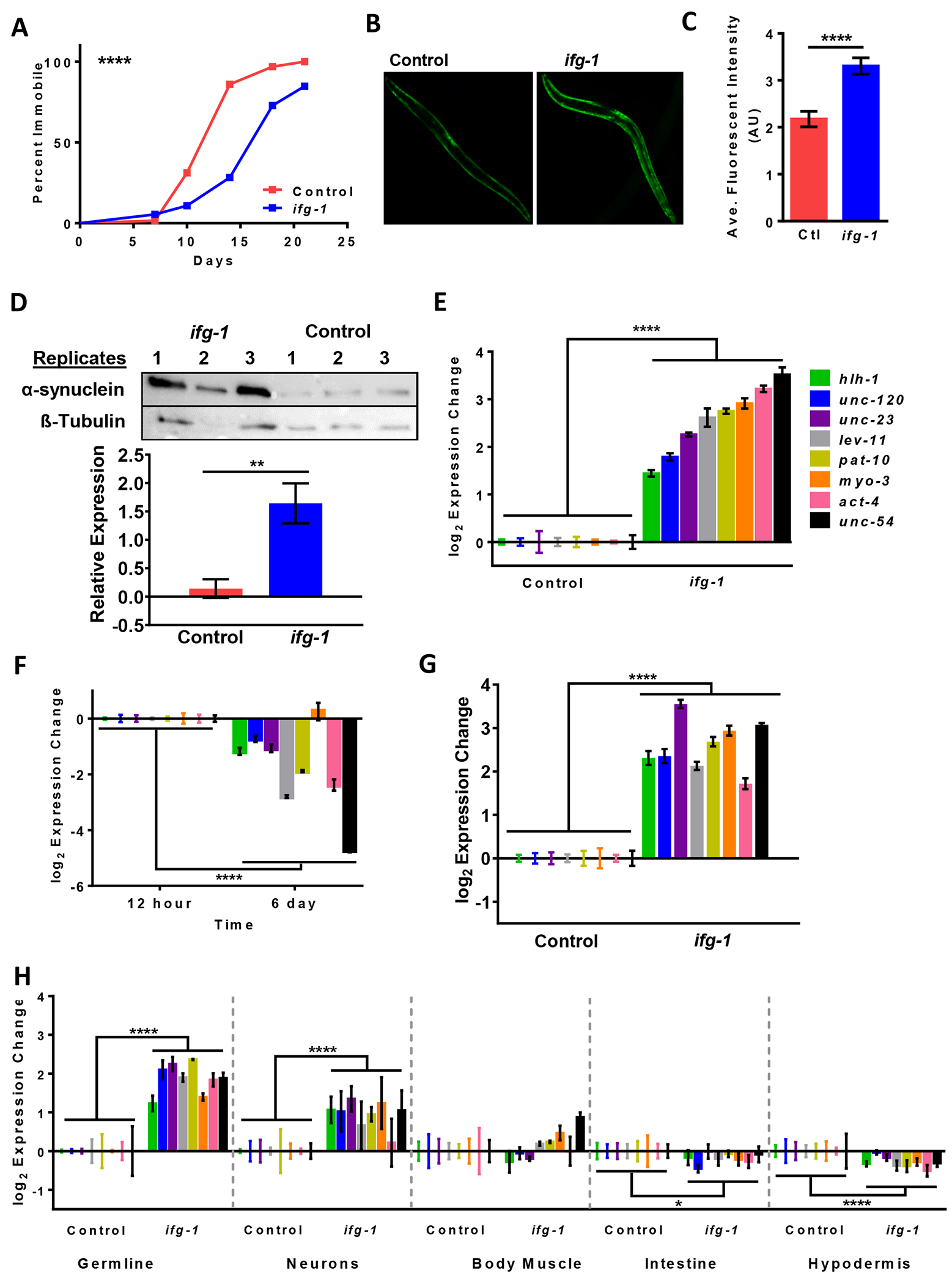
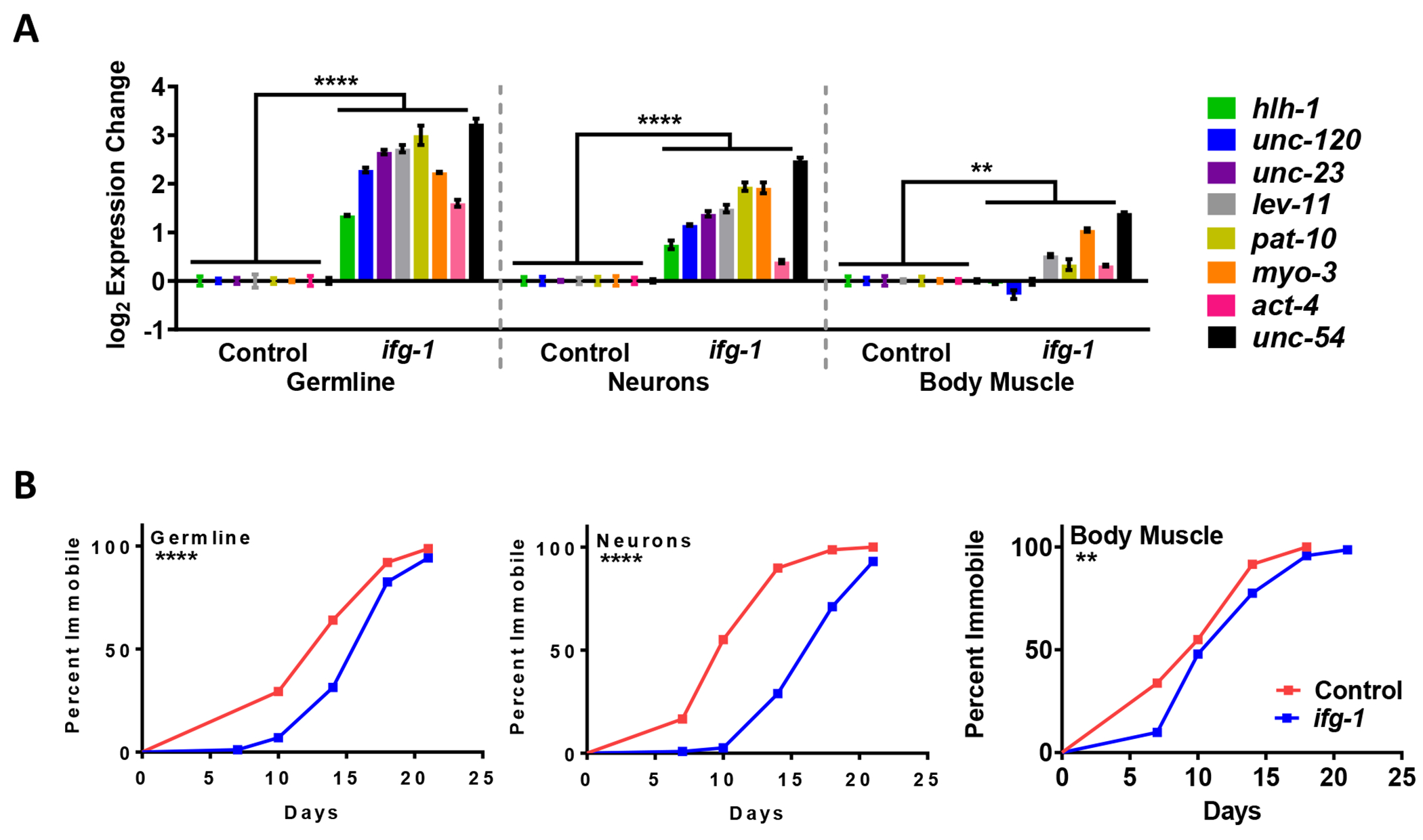
We use the system to show that lowering translation in neurons or the germline increases heat shock gene expression and survival under conditions of heat stress. In addition, we find that low translation in these tissues protects motility in a body muscle-specific model of proteotoxicity that results in paralysis. Low translation in neurons or germline also results in increased expression of certain muscle regulatory and structural genes, reversing reduced expression normally observed with aging in . Enhanced resilience to protein unfolding stress requires neuronal expression of cbp-1.
Low translation in either neurons or the germline orchestrate protective adaptation in other tissues, including body muscle.
随着年龄的增长和蛋白质稳态功能的丧失,维持肌肉功能的能力会下降。限制营养物质或营养信号的饮食、药物和遗传干预措施有助于保持肌肉的长期功能并减缓与年龄相关的衰退。先前的研究表明,逐渐减弱机械靶标雷帕霉素(mTOR)下游的蛋白质合成,以一种与增加对蛋白质展开应激的弹性相关的方式,逐渐增加热休克反应(HSR)基因的表达。在这里,我们研究了特定组织在介导低翻译的细胞保护作用中的作用。
本研究使用遗传工具(转基因()、RNA 干扰和基因表达分析)以及生理测定(存活和麻痹测定),以更好地了解特定组织如何在涉及细胞串扰的适应性变化中发挥作用,增强低翻译条件下的蛋白质稳态。
我们使用 系统表明,降低神经元或生殖系中的翻译会增加热休克基因的表达,并在热应激条件下提高存活率。此外,我们发现这些组织中的低翻译可保护运动神经元,在导致麻痹的肌肉特异性蛋白质毒性模型中保护运动神经元。在神经元或生殖系中降低翻译也会导致某些肌肉调节和结构基因的表达增加,逆转了与衰老相关的正常表达减少在 中。增强对蛋白质展开应激的弹性需要神经元表达 cbp-1。
无论是在神经元还是生殖系中降低翻译,都可以协调其他组织的保护性适应,包括身体肌肉。