Department of Gastroenterology, Affiliated Hangzhou First People's Hospital, School of Medicine, Westlake University, Hangzhou 310000, Zhejiang Province, China.
Department of Gastroenterology, Key Laboratory of Integrated Traditional Chinese and Western Medicine for Biliary and Pancreatic Diseases of Zhejiang Province, Hangzhou 310000, Zhejiang Province, China.
World J Gastroenterol. 2024 Jul 28;30(28):3386-3392. doi: 10.3748/wjg.v30.i28.3386.
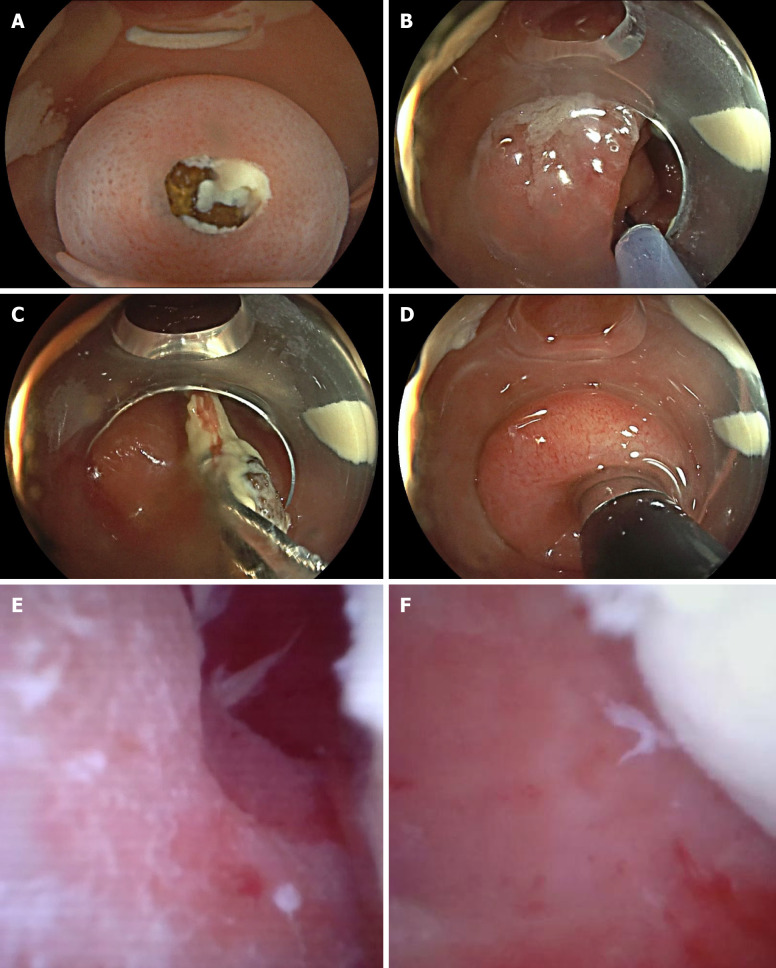
Acute appendicitis is a common surgical emergency. It is commonly caused by obstruction of the appendiceal lumen due to fecaliths, tumors, or lymphoid hyperplasia. For over a century, appendectomy has been the primary treatment for acute appendicitis. Abraham Groves performed the first open appendectomy in 1883. In 1983, Kurt Semm completed the first laparoscopic appendectomy, heralding a new era in appendectomy. However, appendectomy is associated with certain complications and a rate of negative appendectomies. Studies have suggested controversy over the impact of appendectomy on the development of inflammatory bowel disease and Parkinson's disease, but an increasing number of studies indicate a possible positive correlation between appendectomy and colorectal cancer, gallstones, and cardiovascular disease. With the recognition that the appendix is not a vestigial organ and the advancement of endoscopic te-chnology, Liu proposed the endoscopic retrograde appendicitis therapy. It is an effective minimally invasive alternative for treating uncomplicated acute appendicitis. Our team has developed an appendoscope with a disposable digital imaging system operated through the biopsy channel of a colonoscope and successfully applied it in the treatment of appendicitis. This article provides an overview of the progress in endoscopic treatment for acute appendicitis and offers a new perspective on the future direction of appendiceal disease treatment.
急性阑尾炎是一种常见的外科急症。它通常是由于粪石、肿瘤或淋巴组织增生导致阑尾腔阻塞引起的。一个多世纪以来,阑尾切除术一直是急性阑尾炎的主要治疗方法。1883 年,Abraham Groves 进行了首例开放性阑尾切除术。1983 年,Kurt Semm 完成了首例腹腔镜阑尾切除术,标志着阑尾切除术进入了一个新时代。然而,阑尾切除术与某些并发症和阴性阑尾切除术的发生率有关。研究表明,阑尾切除术对炎症性肠病和帕金森病的发展有一定的争议,但越来越多的研究表明,阑尾切除术与结直肠癌、胆结石和心血管疾病之间可能存在正相关关系。随着人们认识到阑尾不是退化器官,以及内镜技术的进步,Liu 提出了内镜逆行阑尾炎治疗。它是治疗单纯性急性阑尾炎的一种有效微创替代方法。我们的团队开发了一种带有一次性数字成像系统的阑尾镜,通过结肠镜的活检通道进行操作,并成功应用于阑尾炎的治疗。本文综述了内镜治疗急性阑尾炎的进展,为阑尾疾病治疗的未来方向提供了新的视角。