Zhu Manman, Cheng Yong, Zuo Li, Bin Bao, Shen Haiyuan, Meng Tao, Wu Zihao, Rao Peng, Tang Yue, Li Shuojiao, Xu Honghai, Sun Guoping, Wang Hua, Zhang Guiyang, Liu Jiatao
Department of Pharmacy, the First Affiliated Hospital of Anhui Medical University, Hefei 230022, Anhui Province, China.
School of Pharmacy, Anhui Medical University, Hefei 230032, Anhui Province, China.
Int J Biol Sci. 2024 Jul 8;20(10):3823-3841. doi: 10.7150/ijbs.96113. eCollection 2024.
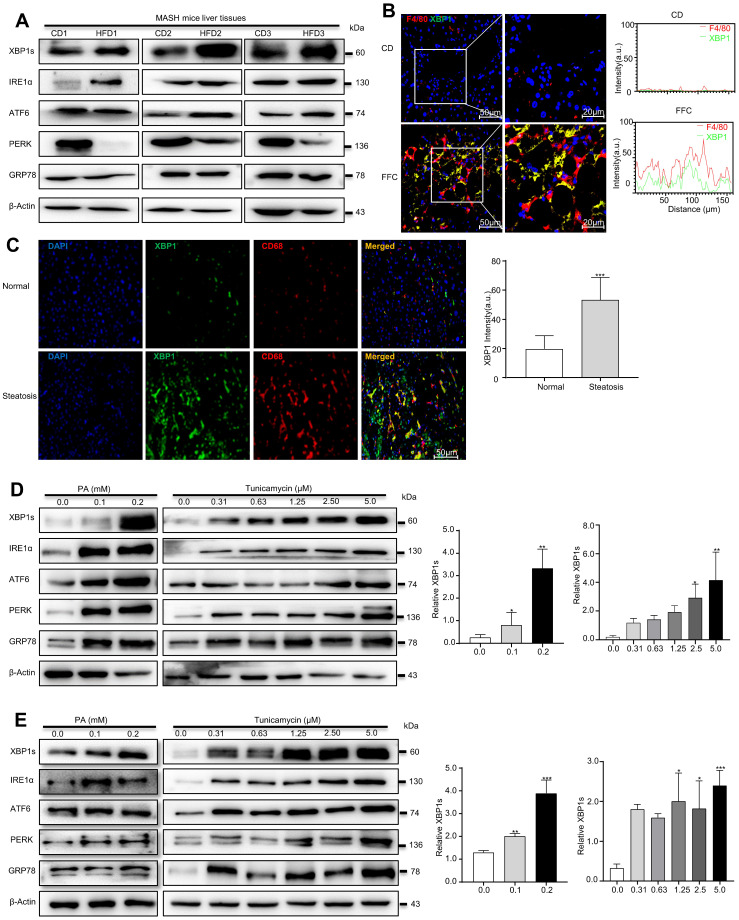
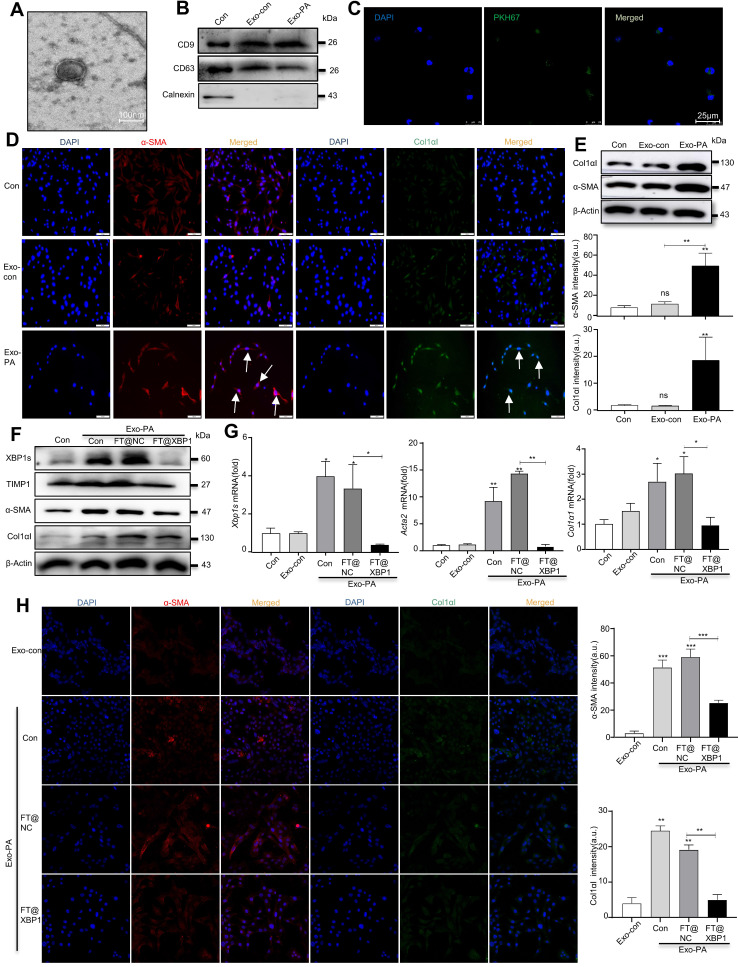
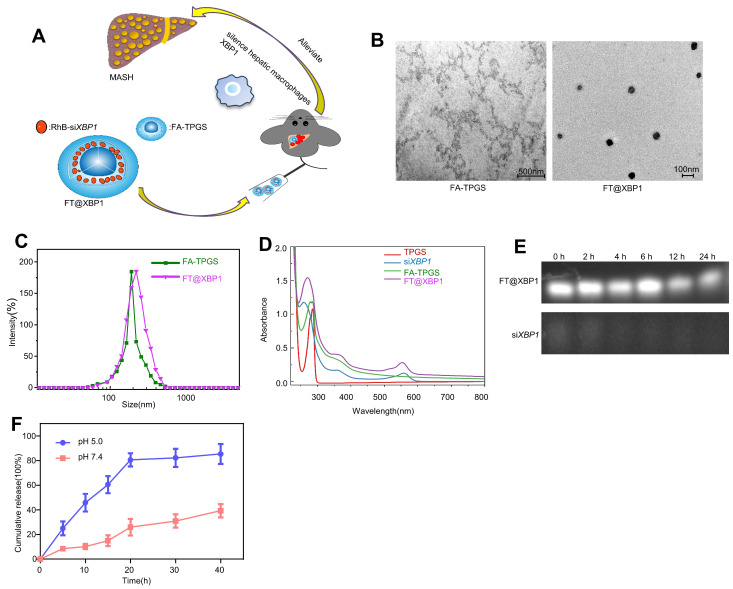
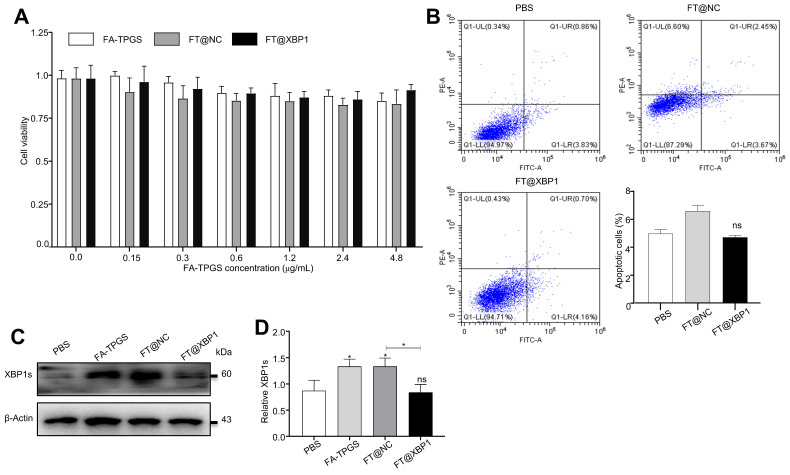
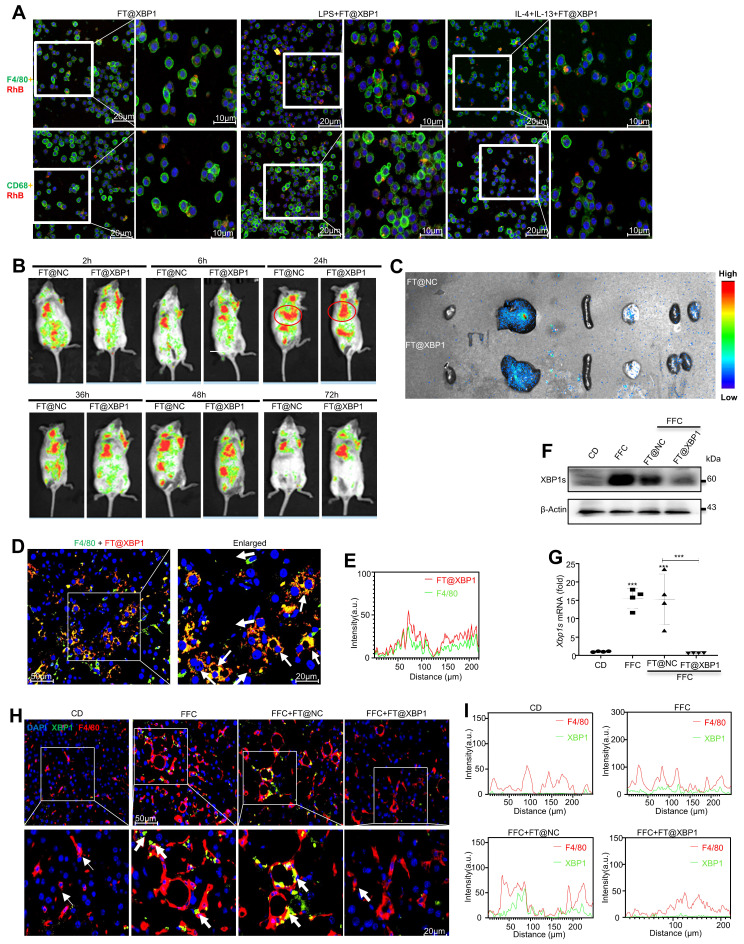
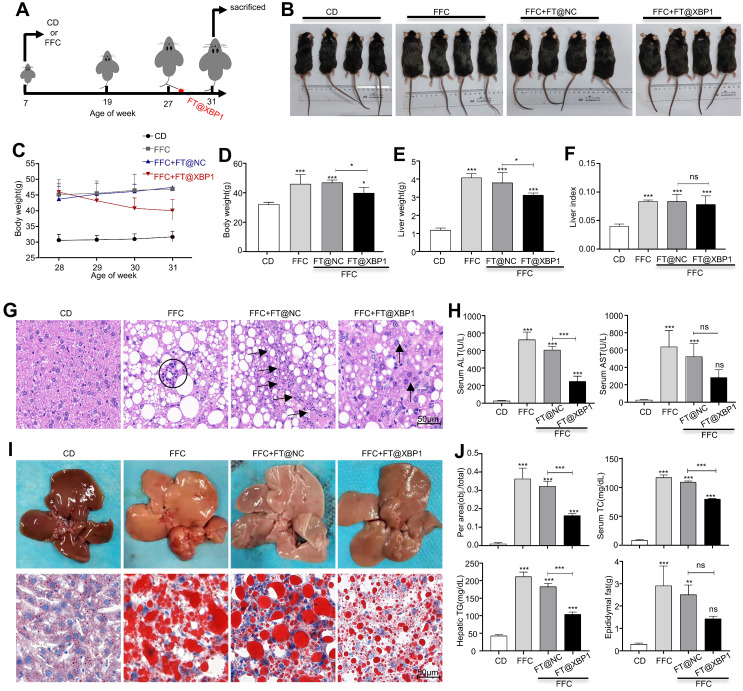
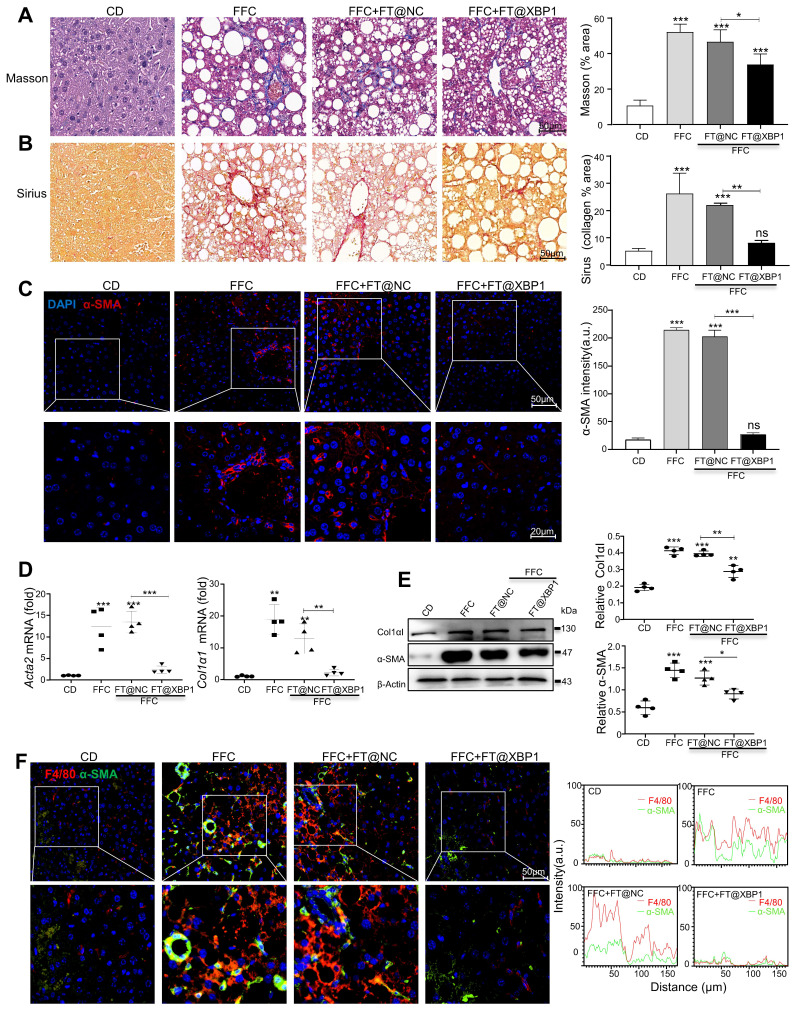
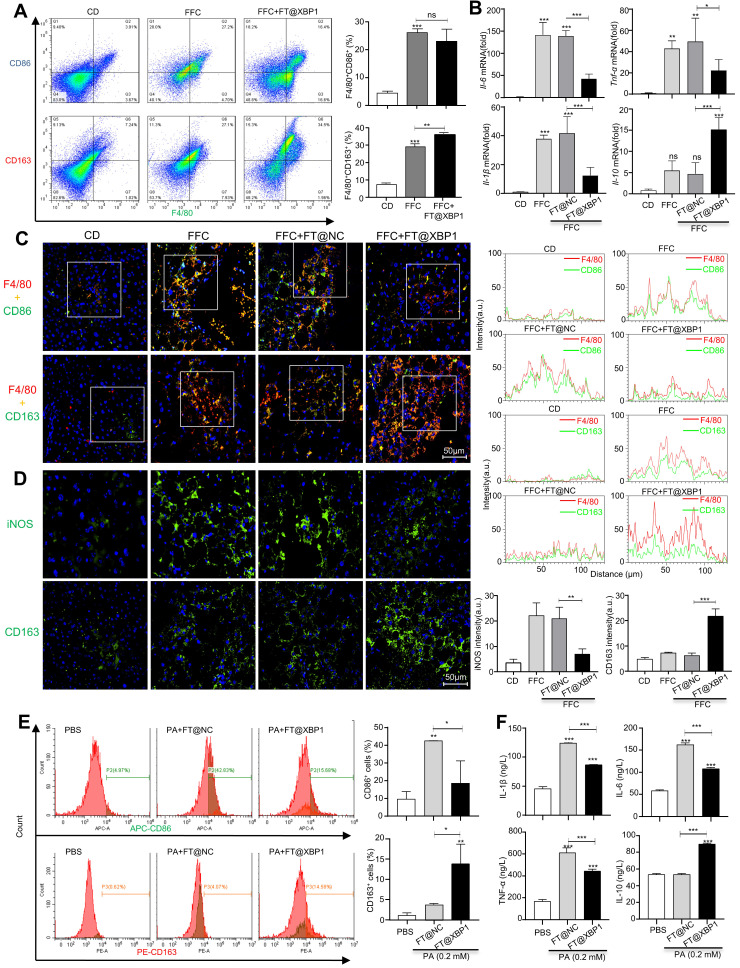
Macrophages show high plasticity and play a vital role in the progression of metabolic dysfunction-associated steatohepatitis (MASH). X-box binding protein 1 (XBP1), a key sensor of the unfolded protein response, can modulate macrophage-mediated pro-inflammatory responses in the pathogenesis of MASH. However, how XBP1 influences macrophage plasticity and promotes MASH progression remains unclear. Herein, we formulated an siRNA delivery system based on folic acid modified D-α-tocopheryl polyethylene glycol 1000 succinate nanoparticles (FT@XBP1) to explore the precise role of macrophage-specific deficiency in the progression of MASH. FT@XBP1 was specifically internalized into hepatic macrophages and subsequently inhibited the expression of spliced XBP1 both and . It promoted M1-phenotype macrophage repolarization to M2 macrophages, reduced the release of pro-inflammatory factors, and alleviated hepatic steatosis, liver injury, and fibrosis in mice with fat-, fructose- and cholesterol-rich diet-induced MASH. Mechanistically, FT@XBP1 promoted macrophage polarization toward the M2 phenotype and enhanced the release of exosomes that could inhibit the activation of hepatic stellate cells. A promising macrophage-targeted siRNA delivery system was revealed to pave a promising strategy in the treatment of MASH.
巨噬细胞具有高度可塑性,在代谢功能障碍相关脂肪性肝炎(MASH)的进展中起关键作用。X盒结合蛋白1(XBP1)是未折叠蛋白反应的关键传感器,可在MASH发病机制中调节巨噬细胞介导的促炎反应。然而,XBP1如何影响巨噬细胞可塑性并促进MASH进展仍不清楚。在此,我们构建了一种基于叶酸修饰的D-α-生育酚聚乙二醇1000琥珀酸酯纳米颗粒(FT@XBP1)的siRNA递送系统,以探究巨噬细胞特异性缺陷在MASH进展中的精确作用。FT@XBP1被特异性内化到肝巨噬细胞中,随后抑制剪接型XBP1的表达。它促进M1型巨噬细胞向M2型巨噬细胞重极化,减少促炎因子的释放,并减轻富含脂肪、果糖和胆固醇饮食诱导的MASH小鼠的肝脂肪变性、肝损伤和纤维化。机制上,FT@XBP1促进巨噬细胞向M2型表型极化,并增强可抑制肝星状细胞激活的外泌体释放。揭示了一种有前景的巨噬细胞靶向siRNA递送系统,为MASH的治疗开辟了一条有前景的策略。