Department of Health, Nutrition, and Food Sciences, Florida State University, Tallahassee, Florida, United States.
Department of Molecular and Cellular Pharmacology, University of Miami Miller School of Medicine, Miami, Florida, United States.
Am J Physiol Heart Circ Physiol. 2024 Oct 1;327(4):H1067-H1085. doi: 10.1152/ajpheart.00702.2023. Epub 2024 Aug 9.
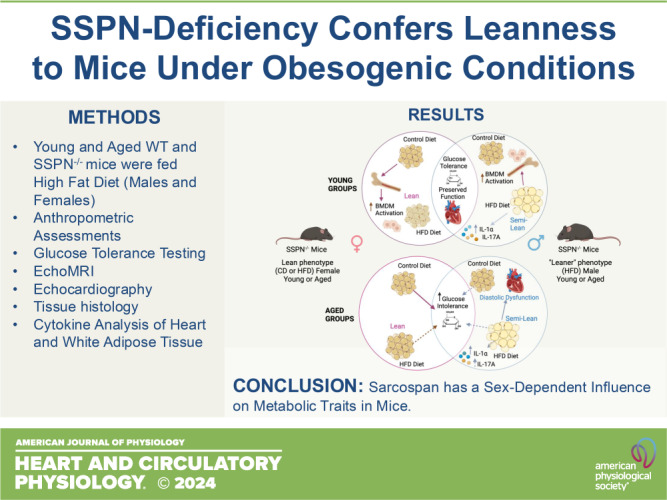
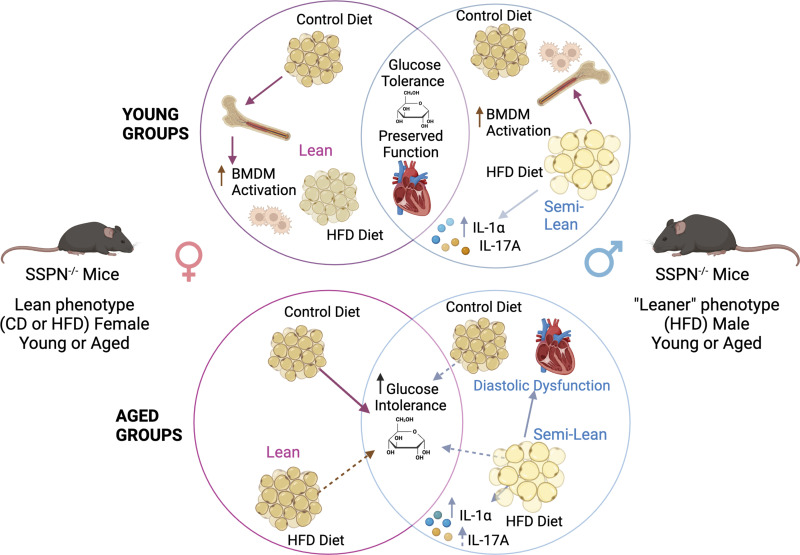
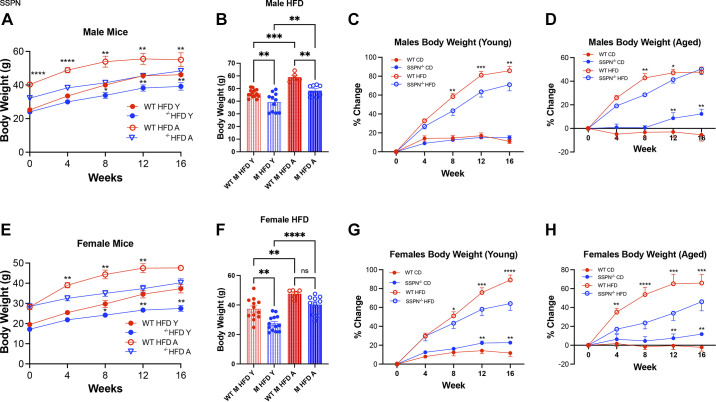
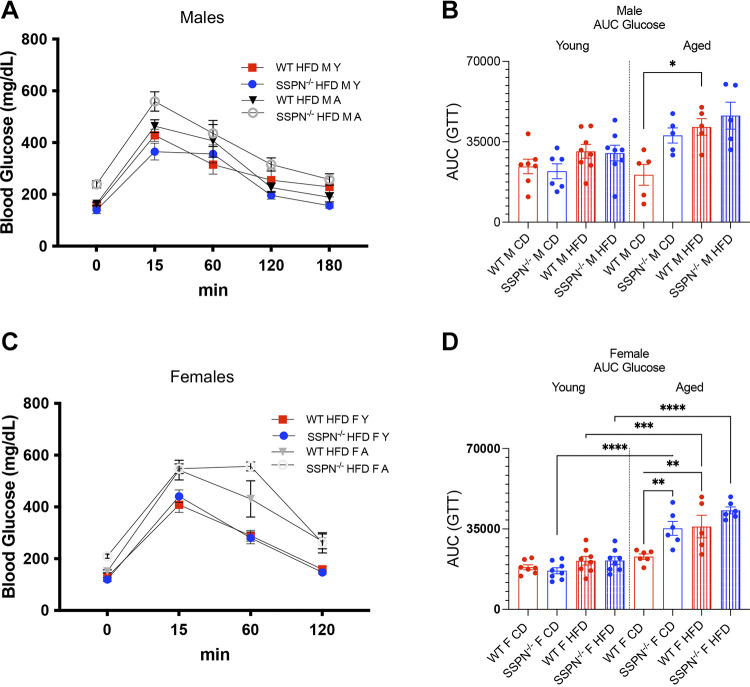
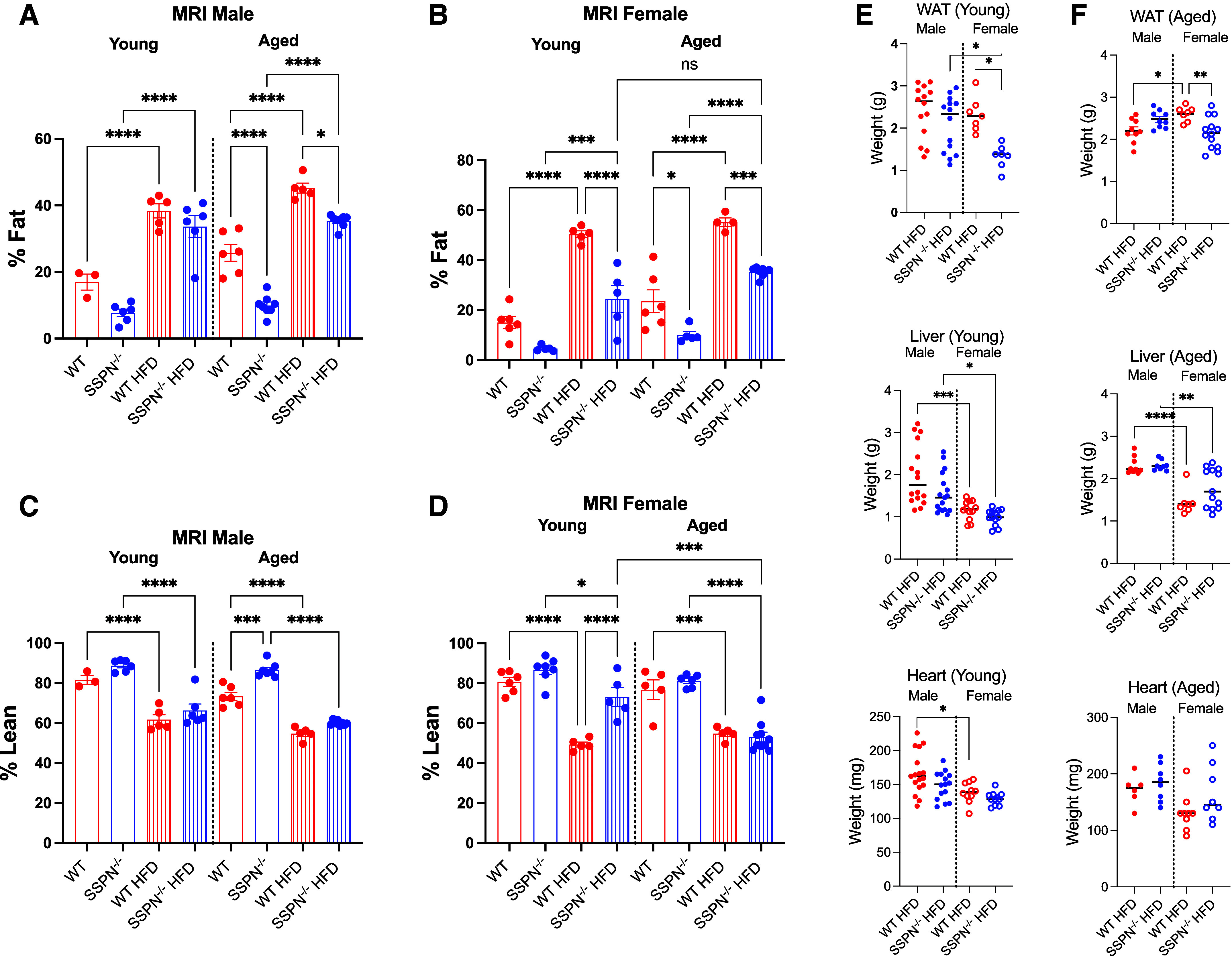
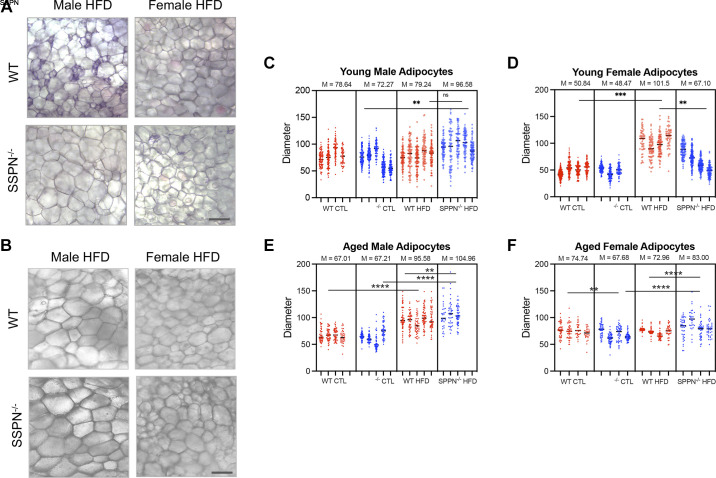
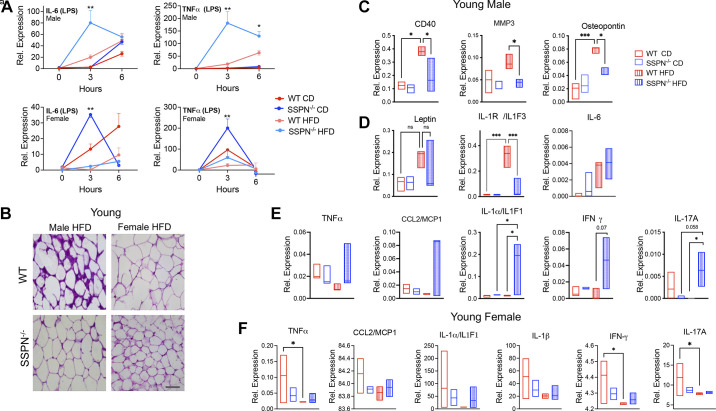
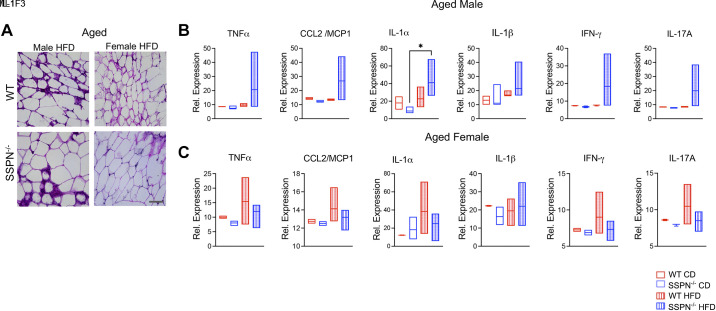
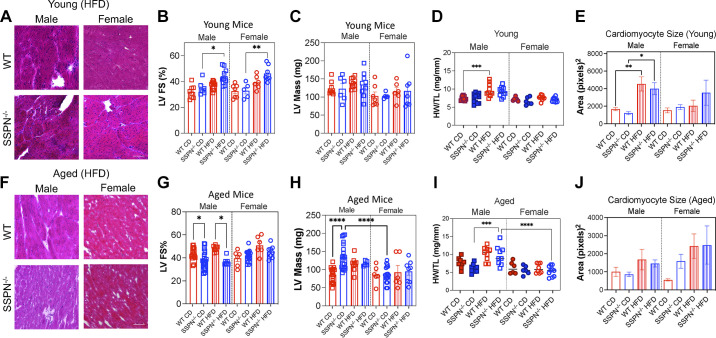
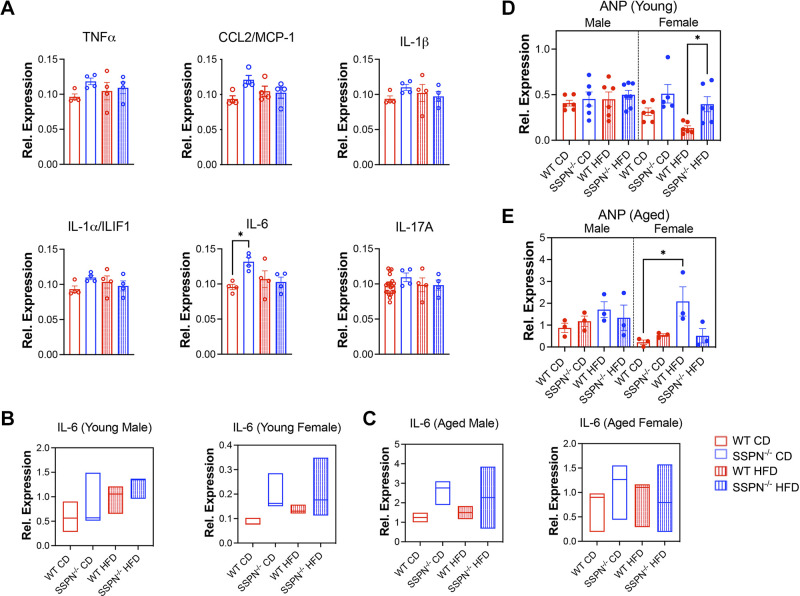
Numerous genes including sarcospan (SSPN) have been designated as obesity-susceptibility genes by human genome-wide association studies. Variants in the locus have been linked with sex-dependent obesity-associated traits; however, this association has not been investigated in vivo. To delineate the role SSPN plays in regulating metabolism with potential to impact cardiac function, we subjected young and aged global SSPN-deficient (SSPN) male and female mice to obesogenic conditions (60% fat diet). We hypothesized that loss of SSPN combined with metabolic stress would increase susceptibility of mice to cardiometabolic disease. Baseline and end-point assessments of several anthropometric parameters were performed including weight, glucose tolerance, and fat distribution of mice fed control (CD) and high-fat (HFD) diet. Doppler echocardiography was used to monitor cardiac function. White adipose and cardiac tissues were assessed for inflammation by histological, gene expression, and cytokine analysis. Overall, SSPN deficiency protected both sexes and ages from diet-induced obesity, with a greater effect in females. SSPN HFD mice gained less weight than wild-type (WT) cohorts, while SSPN CD groups increased weight. Furthermore, aged SSPN mice developed glucose intolerance regardless of diet. Echocardiography showed preserved systolic function for all groups; however, aged SSPN males exhibited significant increases in left ventricular mass (CD) and signs of diastolic dysfunction (HFD). Cytokine analysis revealed significantly increased IL-1α and IL-17Α in white adipose tissue from young SSPN male mice, which may be protective from diet-induced obesity. Overall, these studies suggest that several sex-dependent mechanisms influence the role SSPN plays in metabolic responses that become evident with age. Young and aged sarcospan (SSPN)-deficient mice were examined to assess the role of SSPN in obesity and cardiometabolic disease. Both sexes displayed a "leaner" phenotype in response to high-fat diet (HFD). Notably, several sex differences were identified in aged SSPN-deficient mice: ) females developed glucose intolerance (control and HFD) and ) males exhibited increased left ventricular mass (control) and diastolic dysfunction (HFD). Therefore, we conclude that SSPN exerts a sex-dependent influence on obesity-associated diseases.
许多基因,包括肌联蛋白(SSPN),已被人类全基因组关联研究指定为肥胖易感性基因。 该基因座的变体与性别依赖性肥胖相关特征有关;然而,这种关联尚未在体内进行研究。为了描绘 SSPN 在调节代谢中的作用,以及其对心脏功能的潜在影响,我们使年轻和年老的全身性 SSPN 缺乏(SSPN)雄性和雌性小鼠处于肥胖条件下(60%脂肪饮食)。我们假设 SSPN 的缺失加上代谢应激会增加小鼠患心脏代谢疾病的易感性。对接受对照(CD)和高脂肪(HFD)饮食的小鼠的几种人体测量参数进行了基线和终点评估,包括体重、葡萄糖耐量和脂肪分布。多普勒超声心动图用于监测心脏功能。通过组织学、基因表达和细胞因子分析评估白色脂肪和心脏组织的炎症。总的来说,SSPN 缺乏症可保护两性和各年龄段的小鼠免受饮食引起的肥胖,而对雌性的保护作用更大。与野生型(WT)相比,SSPN HFD 小鼠的体重增加较少,而 SSPN CD 组的体重增加。此外,无论饮食如何,年老的 SSPN 小鼠均会出现葡萄糖不耐受。超声心动图显示所有组的收缩功能均正常;然而,年老的 SSPN 雄性小鼠的左心室质量(CD)显着增加,并且出现舒张功能障碍(HFD)的迹象。细胞因子分析显示,年轻的 SSPN 雄性小鼠的白色脂肪组织中白细胞介素 1α(IL-1α)和白细胞介素 17Α(IL-17Α)显着增加,这可能有助于预防饮食引起的肥胖。总的来说,这些研究表明,几种性别依赖性机制影响 SSPN 在代谢反应中的作用,而这些作用随着年龄的增长而变得明显。检查了年轻和年老的肌联蛋白(SSPN)缺乏的小鼠,以评估 SSPN 在肥胖和心脏代谢疾病中的作用。两性均对高脂肪饮食(HFD)表现出“更瘦”的表型。值得注意的是,在年老的 SSPN 缺乏的小鼠中发现了几种性别差异:)雌性发展为葡萄糖不耐受(对照和 HFD)和)雄性表现出左心室质量增加(对照)和舒张功能障碍(HFD)。因此,我们得出结论,SSPN 对与肥胖相关的疾病具有性别依赖性影响。