Erbin Akif, Çağlar Ufuk, Türkay Rüştü
Department of Urology, Haseki Training and Research Hospital, Istanbul, Turkey.
Department of Radiology, Haseki Training and Research Hospital, Istanbul, Turkey.
Eurasian J Med. 2023 Dec;55(1):125-130. doi: 10.5152/eurasianjmed.2023.23370.
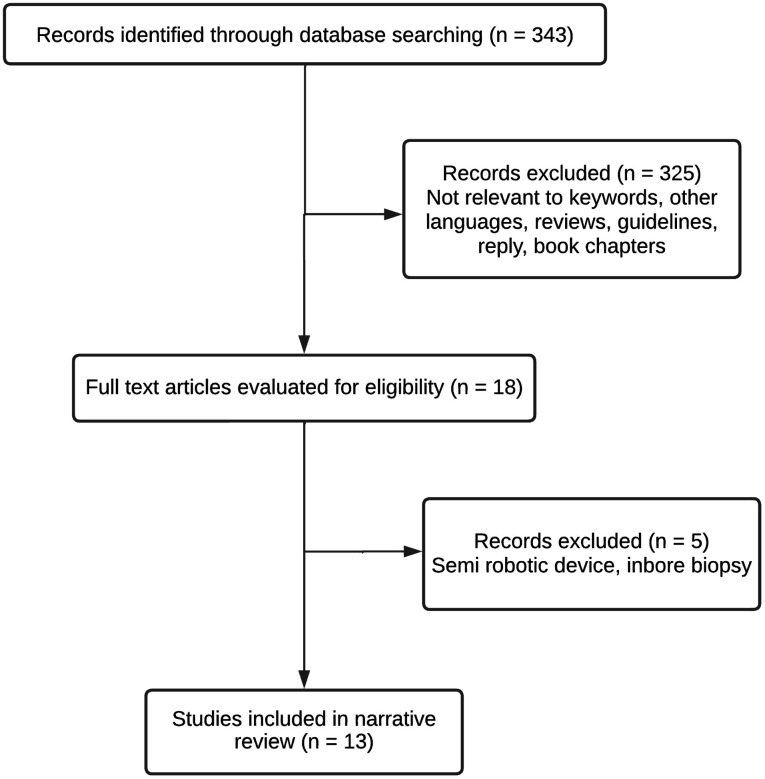
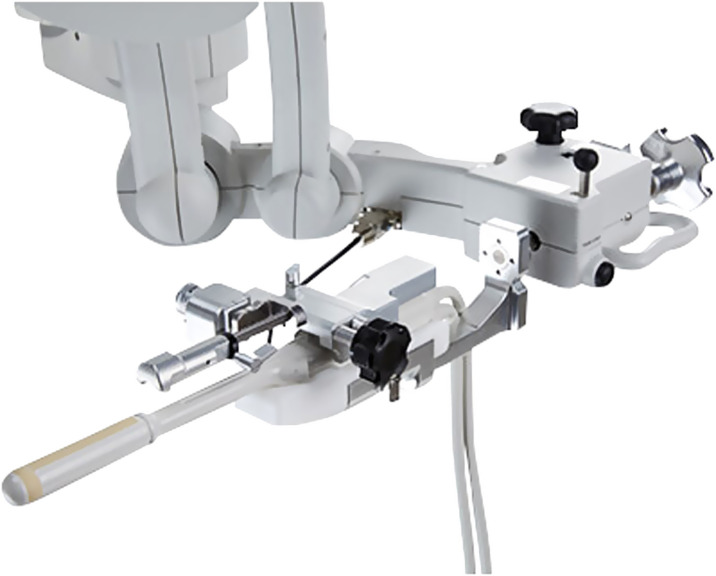
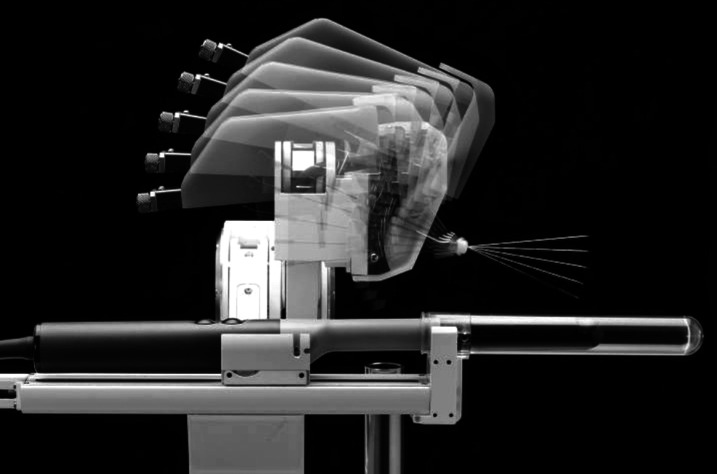
Robotic-assisted magnetic resonance imaging (MRI)/transrectal ultrasound (TRUS) fusion transperineal biopsy systems are one of the most debated and interesting subjects both in practice and in current urology literature. The comprehensive literature research was carried out in the PubMed/MEDLINE, Google Scholar, and Scopus databases using the terms "robotic transperineal prostate biopsy," "robot-assisted MRI/US fusion biopsy," "robot-assisted MRI/TRUS fusion biopsy," or "robotic targeted prostate biopsies." All article types were included in the study (n=343). Among these, articles in non-English languages, duplicate articles, review articles, guidelines, and book chapters were excluded from the study (n=325). Additionally, articles on In-bore biopsy and semirigid device techniques were also excluded from the study (n=5). A total of 13 original research studies (3 retrospective and 10 prospective nonrandomized studies; total number of patients=1844) performed with 2 diferent robotic-assisted transperineal biopsy platforms (iSR'obot™ MonaLisa, Biobot Surgical, Singapore; and Artemis™, Eigen,GRASS VALLEY, USA) were analyzed in detail. The overall cancer detection rates ranged from 51.2% to 73.7%, while the rates of detecting clinically significant (cs) prostate cancer (Pca) ranged from 23.0% to 52.7% in patients who had not been previously diagnosed with prostate cancer. Among the 1844 patients, only 2 individuals (0.01%) were diagnosed with urosepsis. Although the role of these devices in prostate biopsies is not completely clear, the robot-assisted transperineal prostate biopsy technique is an efective and safe procedure, with high rates of csPCa detection and acceptable rates of complications, especially in terms of urosepsis.
机器人辅助磁共振成像(MRI)/经直肠超声(TRUS)融合经会阴活检系统是当前泌尿外科实践和文献中最具争议且最受关注的主题之一。我们在PubMed/MEDLINE、谷歌学术和Scopus数据库中使用“机器人经会阴前列腺活检”、“机器人辅助MRI/超声融合活检”、“机器人辅助MRI/TRUS融合活检”或“机器人靶向前列腺活检”等术语进行了全面的文献检索。研究纳入了所有文章类型(n = 343)。其中,非英语文章、重复文章、综述文章、指南和书籍章节被排除在研究之外(n = 325)。此外,关于孔内活检和半刚性设备技术的文章也被排除(n = 5)。我们详细分析了使用两种不同的机器人辅助经会阴活检平台(iSR'obot™ MonaLisa,Biobot Surgical,新加坡;以及Artemis™,Eigen,GRASS VALLEY,美国)进行的13项原始研究(3项回顾性研究和10项前瞻性非随机研究;患者总数 = 1844)。在先前未被诊断出患有前列腺癌的患者中,总体癌症检出率在51.2%至73.7%之间,而检测出临床显著(cs)前列腺癌(Pca)的比率在23.0%至52.7%之间。在这1844名患者中,仅有2人(0.01%)被诊断为尿脓毒症。尽管这些设备在前列腺活检中的作用尚不完全明确,但机器人辅助经会阴前列腺活检技术是一种有效且安全的操作,csPCa检测率高,并发症发生率可接受,尤其是在尿脓毒症方面。