Ye Tao, Huang Hong, Chen Kangli, Yu Yuanao, Yue Dongqin, Jiang Li, Wu Huixian, Zhang Ning
Department of Rehabilitation, The First Affiliated Hospital of Guizhou University of Traditional Chinese Medicine, Guiyang 550001, Guizhou, China.
The First Clinical College of Guizhou University of Traditional Chinese Medicine, Guiyang 550001, Guizhou, China.
Heliyon. 2024 Jul 14;10(14):e34403. doi: 10.1016/j.heliyon.2024.e34403. eCollection 2024 Jul 30.
Colorectal cancer (CRC) is a prevalent cause of death from malignant tumors. This study aimed to develop a nicotinamide adenine dinucleotide (NAD+) metabolism and immune-related prognostic signature, providing a theoretical foundation for prognosis and therapy in CRC patients.
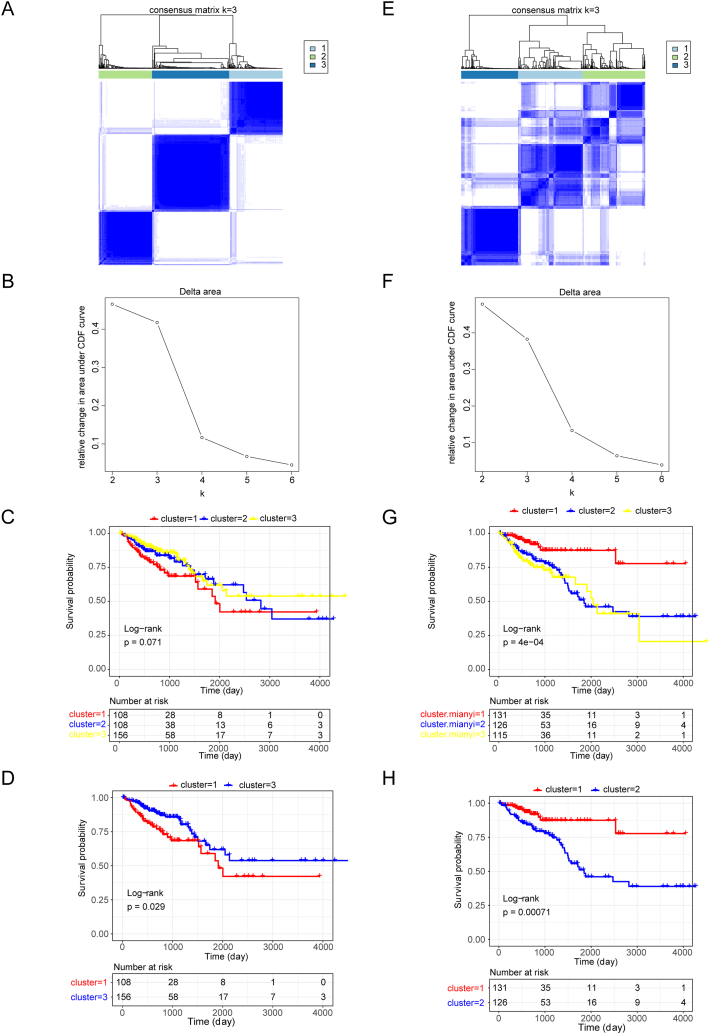
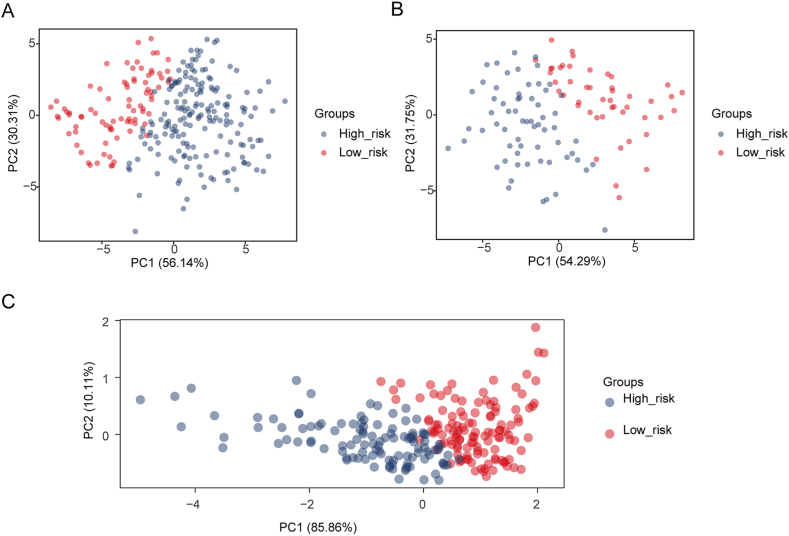
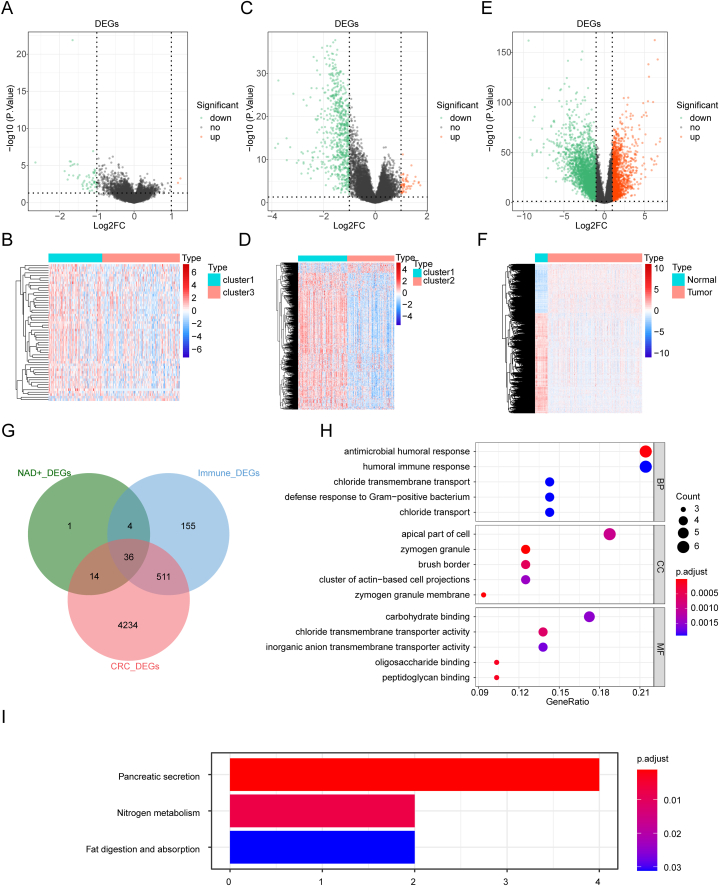
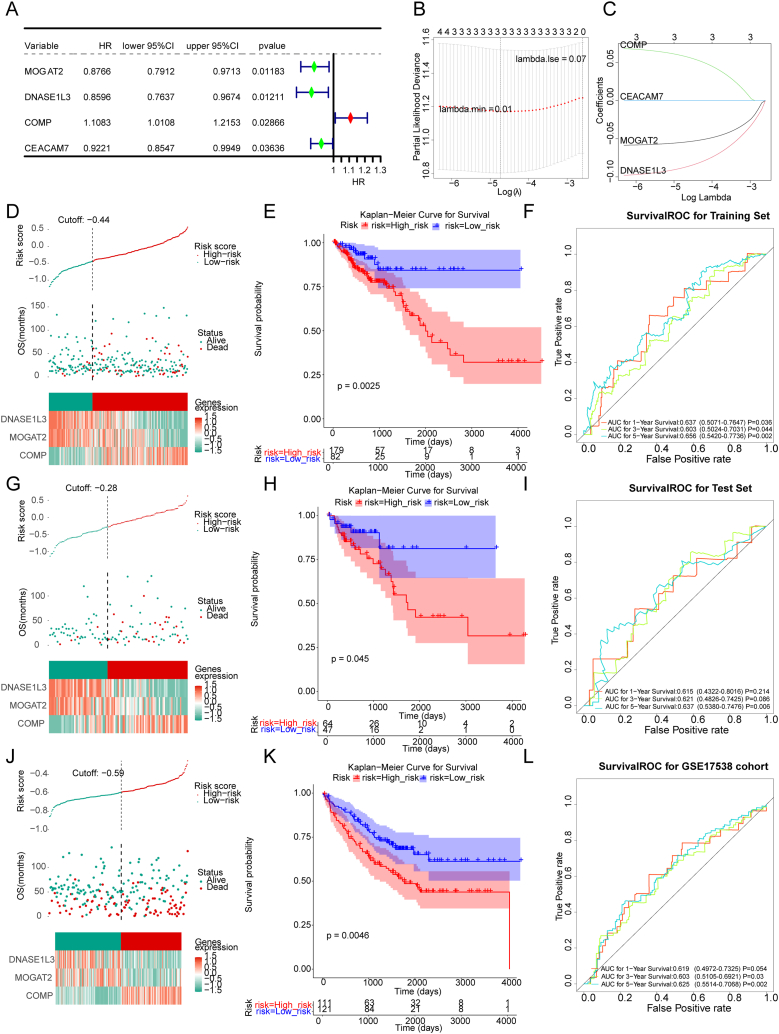
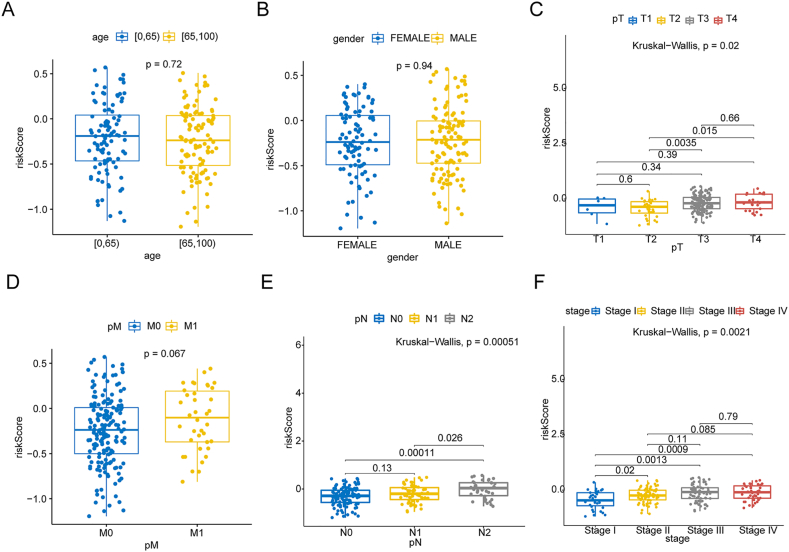
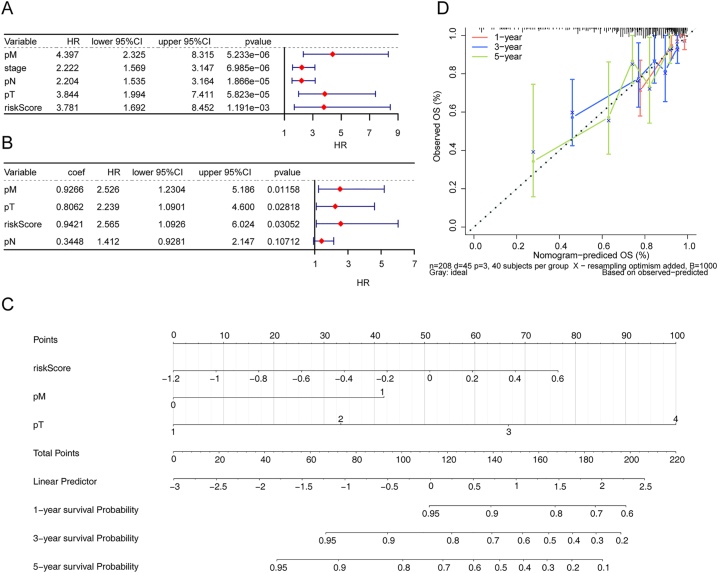
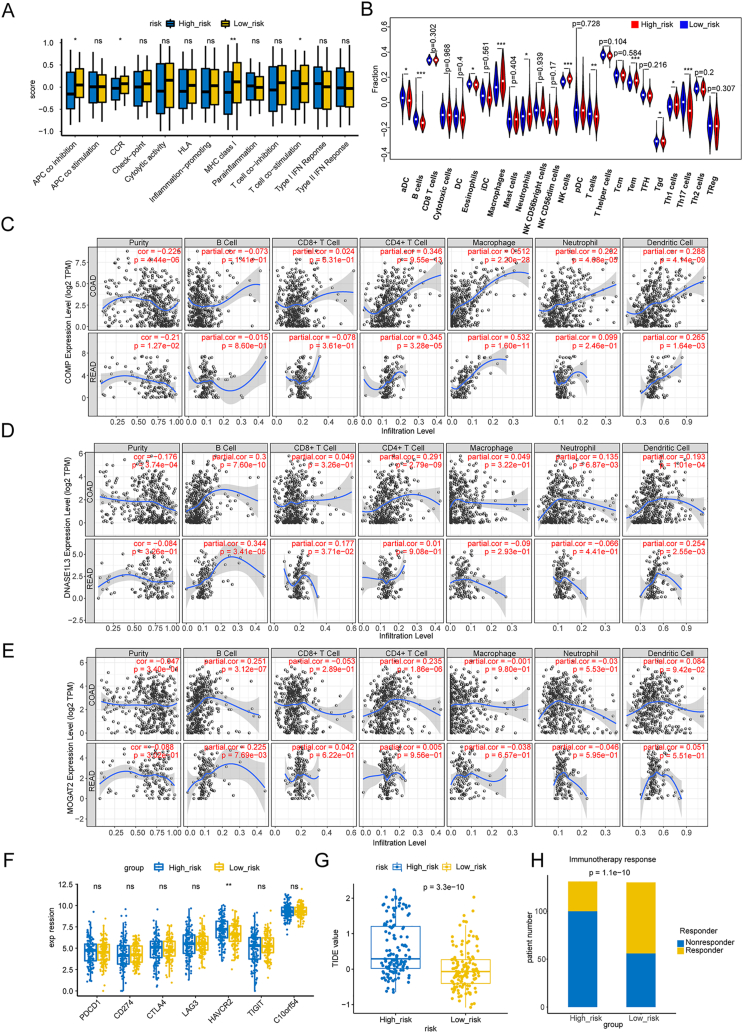
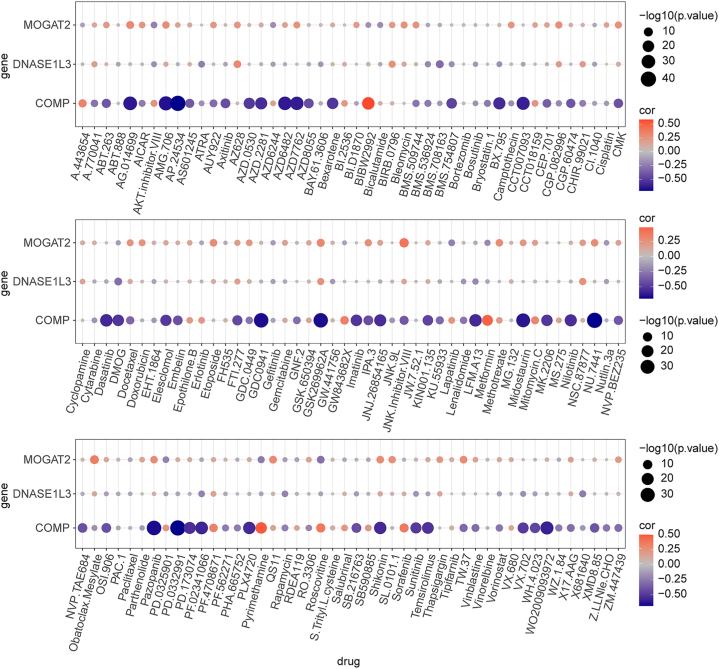
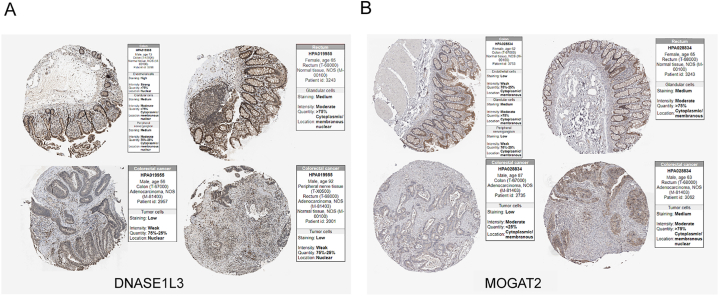
NAD + metabolism-related and immune-related subtypes of CRC patients were identified by consistent clustering. Differentially expressed genes (DEGs) between the two subtypes of CRC were identified by overlapping. A risk signature was constructed using univariate Cox and least absolute shrinkage and selection operator (LASSO) regression analyses. Independent prognostic predictors were authenticated by Cox analysis. Gene set variation analysis (GSVA) and single-sample gene set enrichment analysis (ssGSEA) were applied to investigate the connection between the prognostic signature and the immune microenvironment. Chemotherapy drug sensitivity and immunotherapy responsiveness were projected using the 'pRRophetic' package and Tumor Immune Dysfunction and Exclusion (TIDE) website. The Human Protein Atlas (HPA) database was used to assess the protein expression of prognostic genes in CRC and normal tissues.
Using bioinformatics methods, three prognostic genes related to immune-related NAD + metabolism were identified, and the results were used to establish and verify a prognostic signature related to immune-related NAD + metabolism in CRC patients. Cox regression analysis confirmed that the risk score was a reliable independent prognostic predictor. GSVA and ssGSEA indicated that the prognostic signature was associated with the immune microenvironment. TIDE analysis suggested that the signature might act as an immunotherapy predictor. Chemotherapy sensitivity analysis revealed that was correlated with chemotherapy sensitivity in CRC patients and might be a potential therapeutic target.
This study identified NAD + metabolism-immune-related prognostic genes (, , and ) and developed a prognostic signature for CRC prognosis, which is significant for clinical prognosis prediction and treatment strategy decisions for CRC patients.
结直肠癌(CRC)是恶性肿瘤致死的常见原因。本研究旨在构建一种烟酰胺腺嘌呤二核苷酸(NAD+)代谢与免疫相关的预后特征,为CRC患者的预后和治疗提供理论基础。
通过一致性聚类确定CRC患者的NAD +代谢相关和免疫相关亚型。通过重叠确定CRC两种亚型之间的差异表达基因(DEG)。使用单变量Cox和最小绝对收缩与选择算子(LASSO)回归分析构建风险特征。通过Cox分析验证独立的预后预测因子。应用基因集变异分析(GSVA)和单样本基因集富集分析(ssGSEA)来研究预后特征与免疫微环境之间的联系。使用“pRRophetic”软件包和肿瘤免疫功能障碍与排除(TIDE)网站预测化疗药物敏感性和免疫治疗反应性。利用人类蛋白质图谱(HPA)数据库评估CRC和正常组织中预后基因的蛋白质表达。
采用生物信息学方法,鉴定出3个与免疫相关NAD +代谢相关的预后基因,并将结果用于建立和验证CRC患者中与免疫相关NAD +代谢相关的预后特征。Cox回归分析证实风险评分是可靠的独立预后预测因子。GSVA和ssGSEA表明预后特征与免疫微环境相关。TIDE分析表明该特征可能作为免疫治疗预测因子。化疗敏感性分析显示,其与CRC患者的化疗敏感性相关,可能是一个潜在的治疗靶点。
本研究鉴定出NAD +代谢-免疫相关的预后基因(、和),并为CRC预后构建了预后特征,这对CRC患者的临床预后预测和治疗策略决策具有重要意义。