Teerikorpi Nia, Lasser Micaela C, Wang Sheng, Kostyanovskaya Elina, Bader Ethel, Sun Nawei, Dea Jeanselle, Nowakowski Tomasz J, Willsey A Jeremy, Willsey Helen Rankin
Department of Psychiatry and Behavioral Sciences, UCSF Weill Institute for Neurosciences, University of California, San Francisco, San Francisco, CA 94143, USA.
Tetrad Graduate Program, University of California, San Francisco, San Francisco, CA 94158, USA.
bioRxiv. 2024 Jul 31:2024.07.30.602578. doi: 10.1101/2024.07.30.602578.
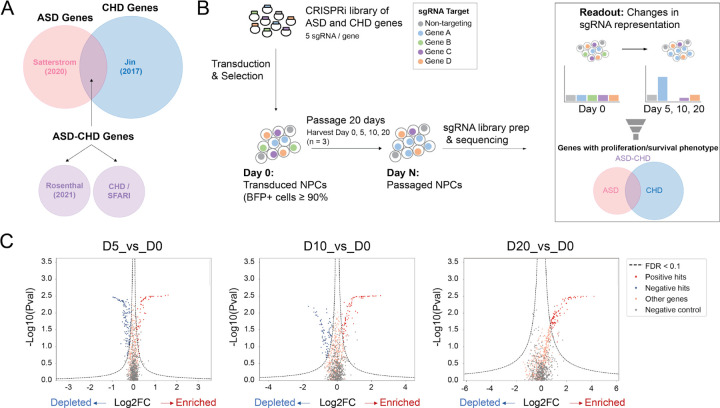
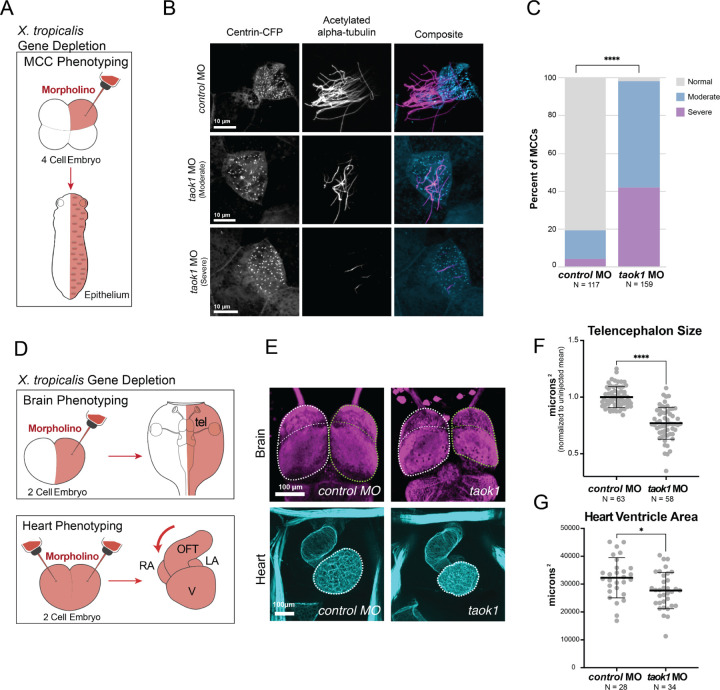
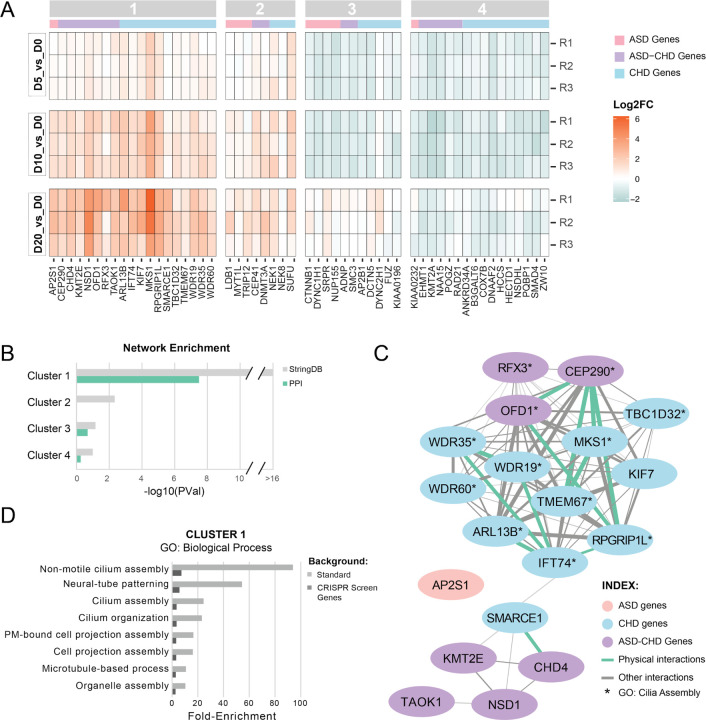
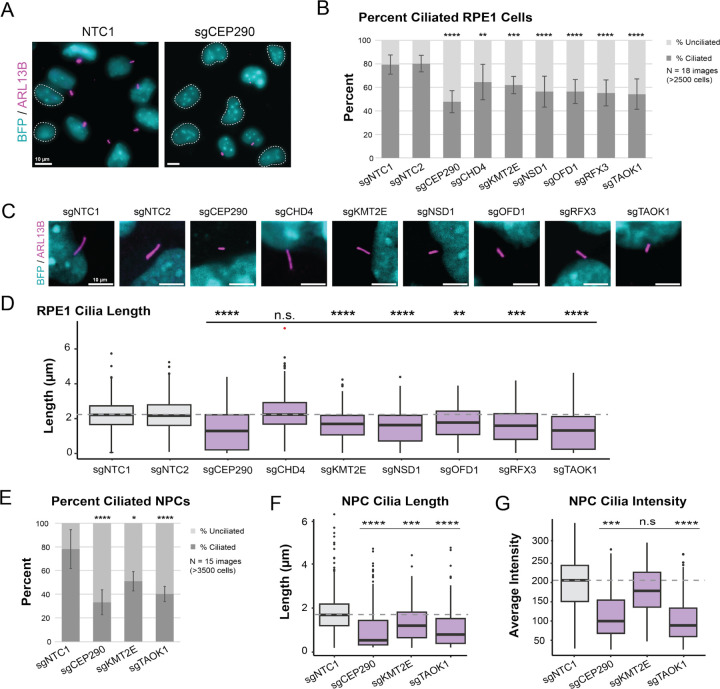
Autism spectrum disorder (ASD) commonly co-occurs with congenital heart disease (CHD), but the molecular mechanisms underlying this comorbidity remain unknown. Given that children with CHD come to clinical attention by the newborn period, understanding which CHD variants carry ASD risk could provide an opportunity to identify and treat individuals at high risk for developing ASD far before the typical age of diagnosis. Therefore, it is critical to delineate the subset of CHD genes most likely to increase the risk of ASD. However, to date there is relatively limited overlap between high confidence ASD and CHD genes, suggesting that alternative strategies for prioritizing CHD genes are necessary. Recent studies have shown that ASD gene perturbations commonly dysregulate neural progenitor cell (NPC) biology. Thus, we hypothesized that CHD genes that disrupt neurogenesis are more likely to carry risk for ASD. Hence, we performed an pooled CRISPR interference (CRISPRi) screen to identify CHD genes that disrupt NPC biology similarly to ASD genes. Overall, we identified 45 CHD genes that strongly impact proliferation and/or survival of NPCs. Moreover, we observed that a cluster of physically interacting ASD and CHD genes are enriched for ciliary biology. Studying seven of these genes with evidence of shared risk (), we observe that perturbation significantly impacts primary cilia formation . While investigation of reveals a previously unappreciated role for the gene in motile cilia formation and heart development, supporting its prediction as a CHD risk gene. Together, our findings highlight a set of CHD risk genes that may carry risk for ASD and underscore the role of cilia in shared ASD and CHD biology.
自闭症谱系障碍(ASD)常与先天性心脏病(CHD)共同出现,但其合并症的分子机制尚不清楚。鉴于患有CHD的儿童在新生儿期就会引起临床关注,了解哪些CHD变异携带ASD风险,可能为在典型诊断年龄之前很久就识别和治疗有患ASD高风险的个体提供机会。因此,明确最有可能增加ASD风险的CHD基因子集至关重要。然而,迄今为止,高可信度的ASD基因和CHD基因之间的重叠相对有限,这表明需要采用其他策略来对CHD基因进行优先级排序。最近的研究表明,ASD基因扰动通常会失调神经祖细胞(NPC)生物学。因此,我们假设破坏神经发生作用的CHD基因更有可能携带ASD风险。因此,我们进行了一项汇集的CRISPR干扰(CRISPRi)筛选,以识别与ASD基因类似地破坏NPC生物学的CHD基因。总体而言,我们确定了45个对NPC的增殖和/或存活有强烈影响的CHD基因。此外,我们观察到一组在物理上相互作用的ASD和CHD基因富含纤毛生物学。研究其中七个有共同风险证据的基因,我们观察到扰动会显著影响初级纤毛的形成。虽然对[具体基因]的研究揭示了该基因在运动纤毛形成和心脏发育中以前未被认识到的作用,支持了其作为CHD风险基因的预测。总之,我们的研究结果突出了一组可能携带ASD风险的CHD风险基因,并强调了纤毛在ASD和CHD共同生物学中的作用。