Stekic Andjela, Dragic Milorad, Stanojevic Jelena, Zaric Kontic Marina, Stevanovic Ivana, Zeljkovic Jovanovic Milica, Mihajlovic Katarina, Nedeljkovic Nadezda
Laboratory for Neurobiology, Department of General Physiology and Biophysics, Faculty of Biology, University of Belgrade, Belgrade, Serbia.
Vinca Institute of Nuclear Sciences, Institute of National Significance, University of Belgrade, Belgrade, Serbia.
Front Cell Neurosci. 2024 Jul 30;18:1407975. doi: 10.3389/fncel.2024.1407975. eCollection 2024.
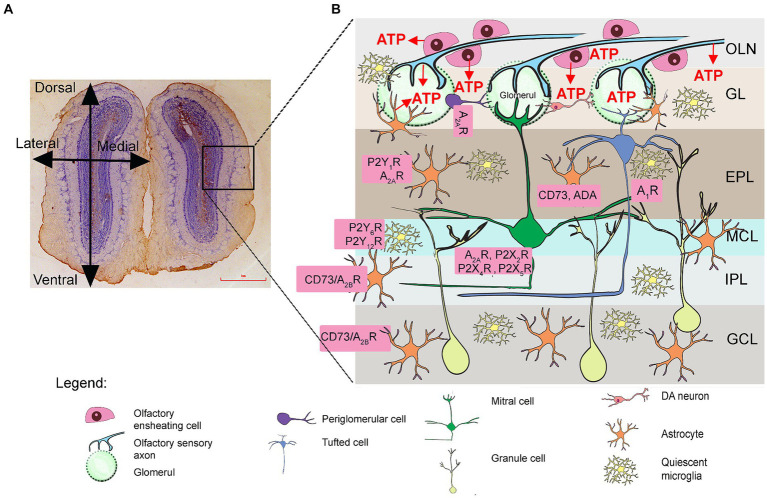
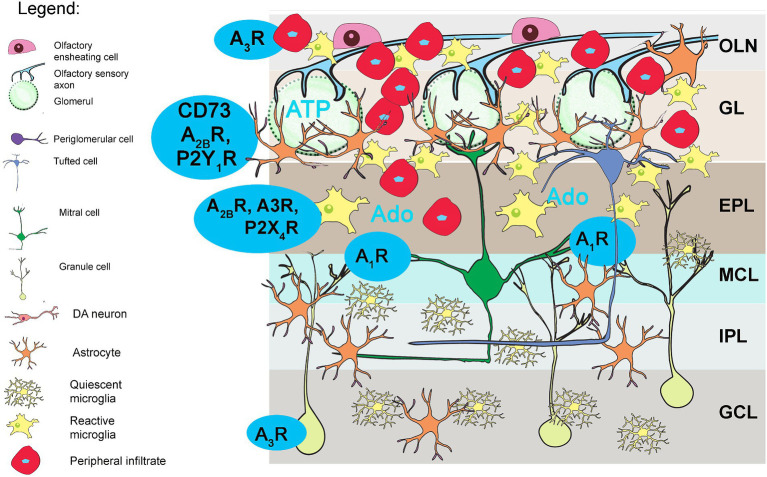
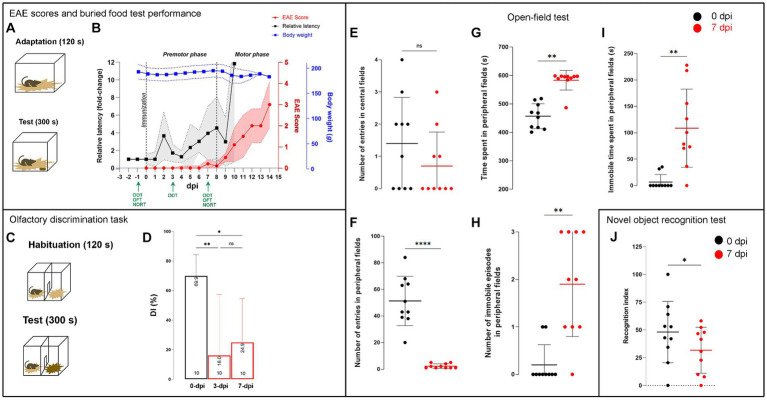
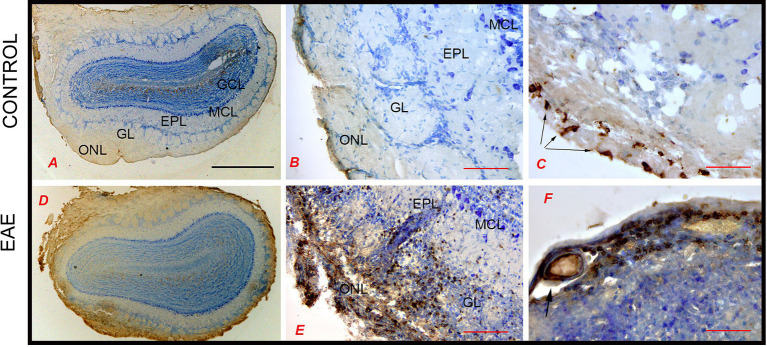
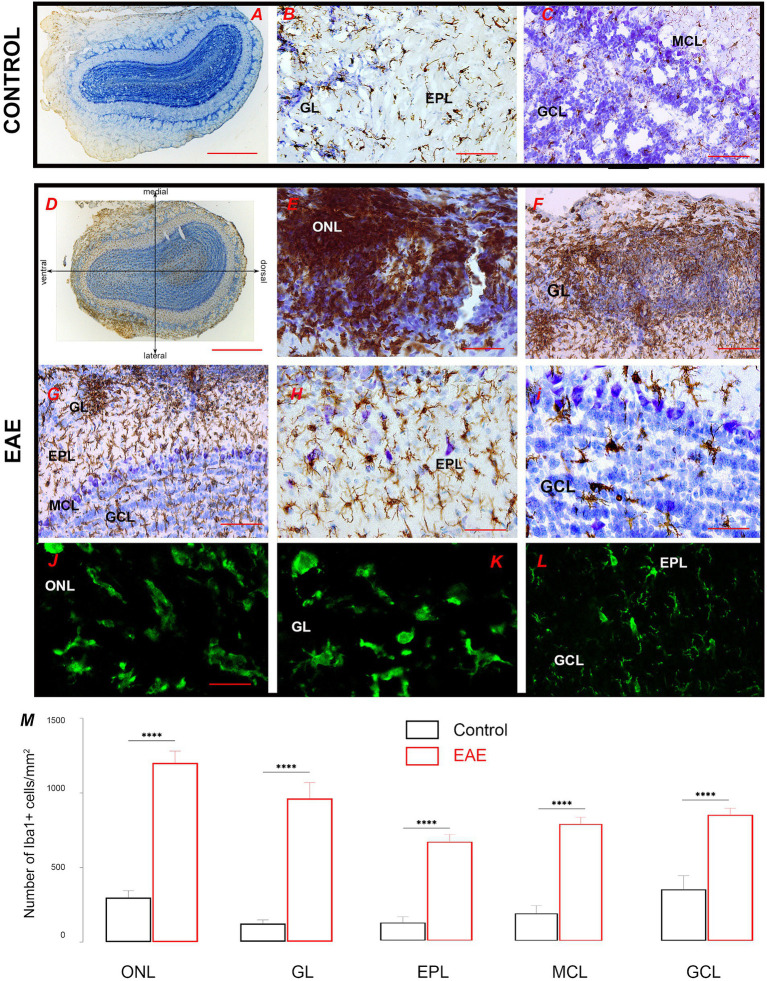
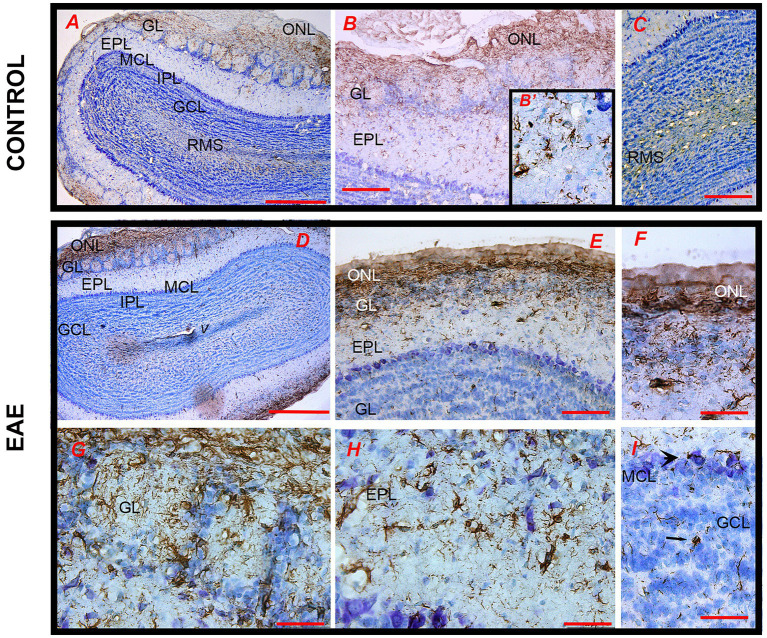
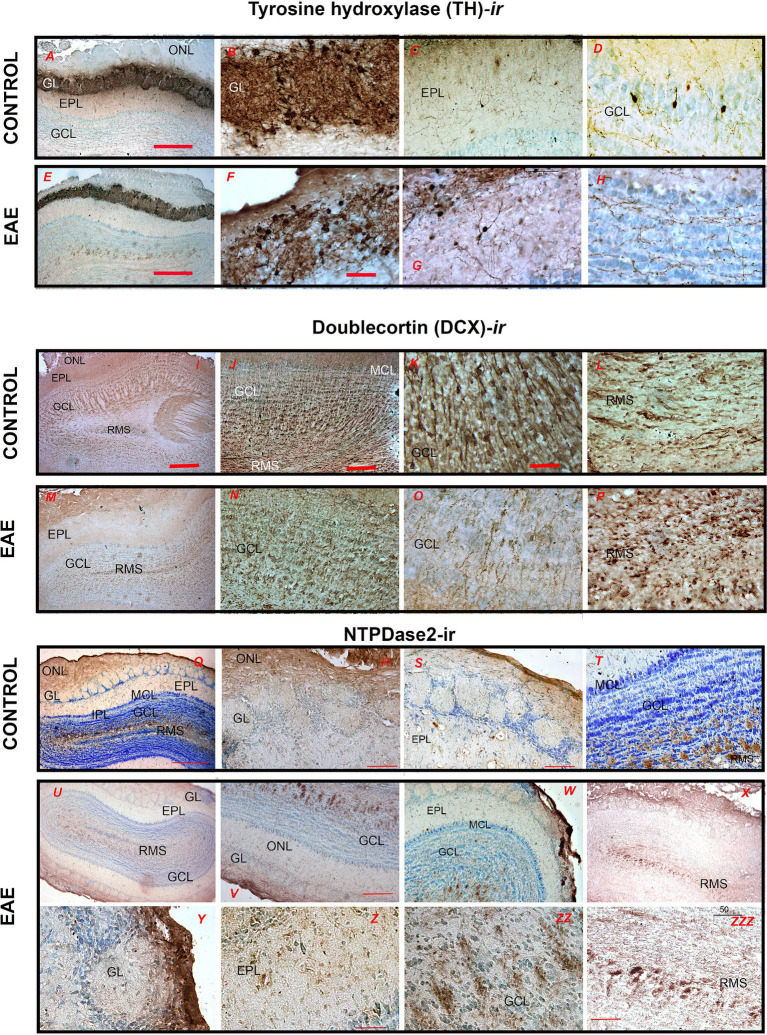
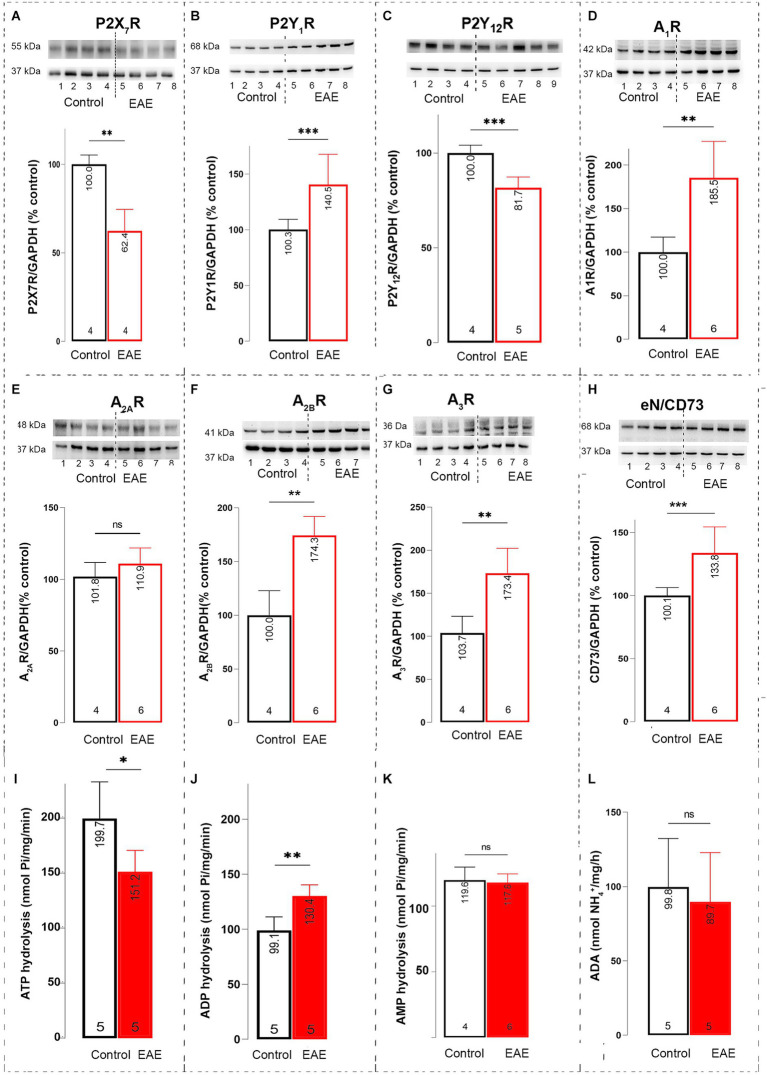
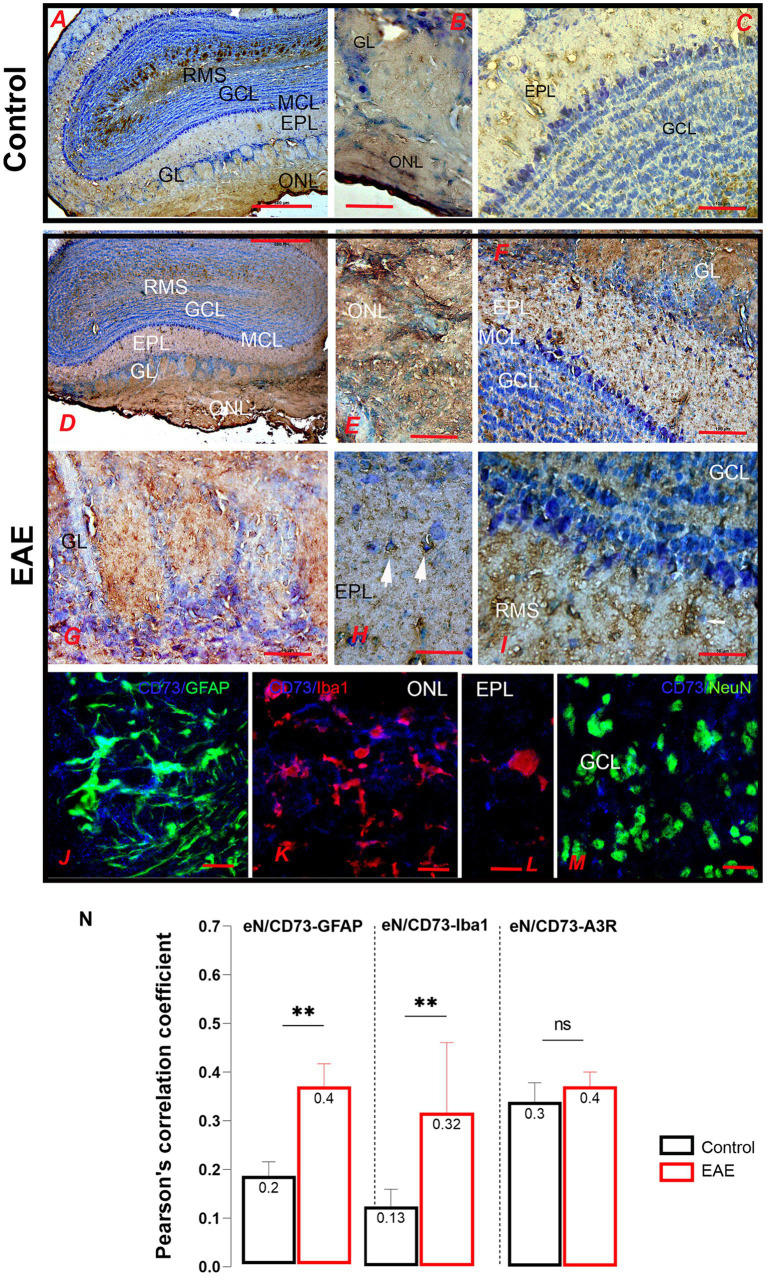
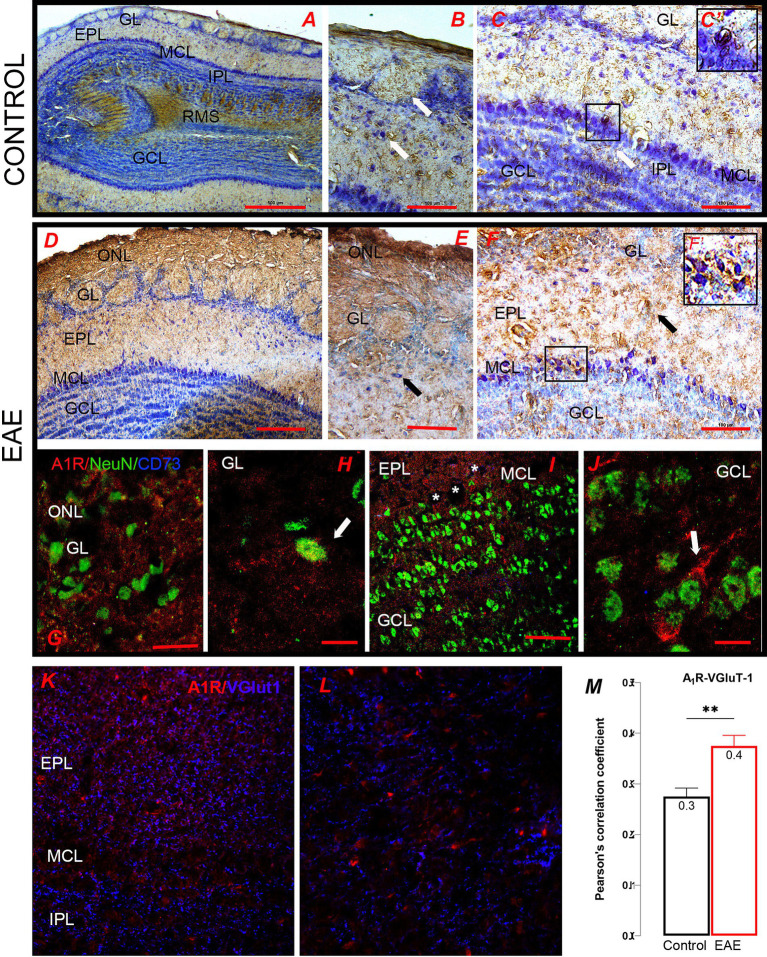
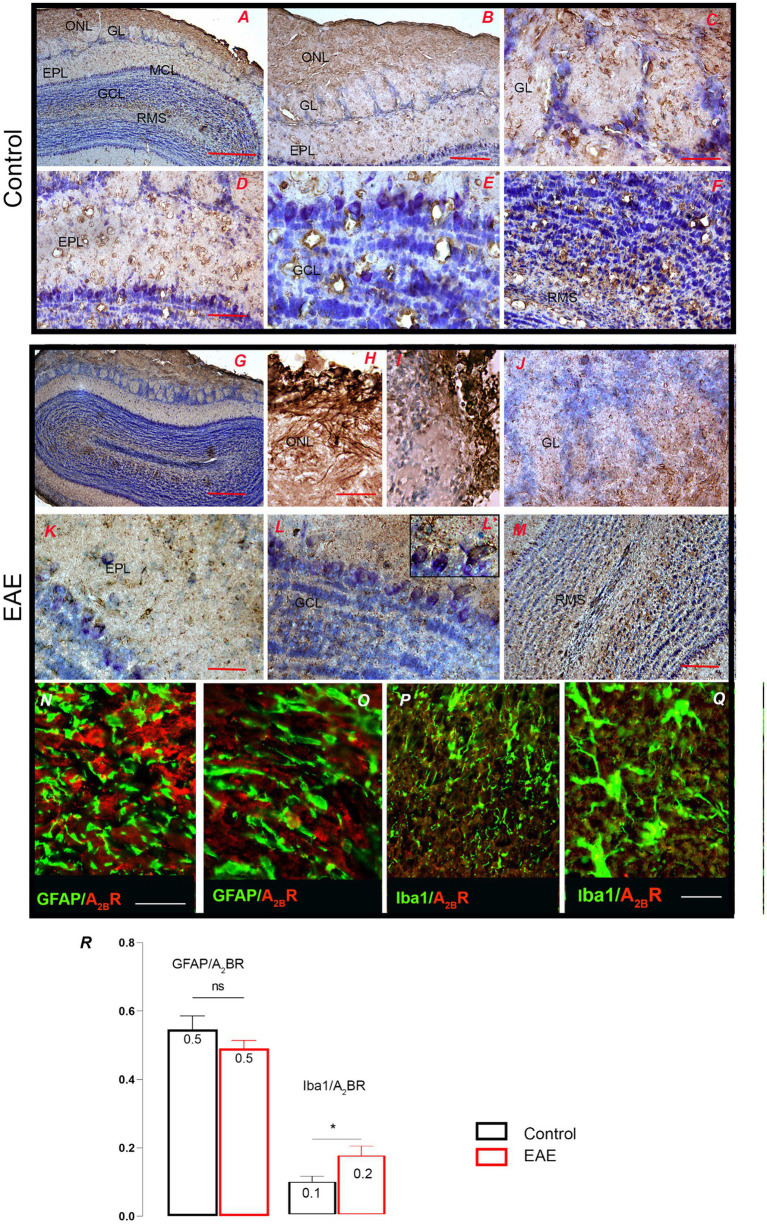
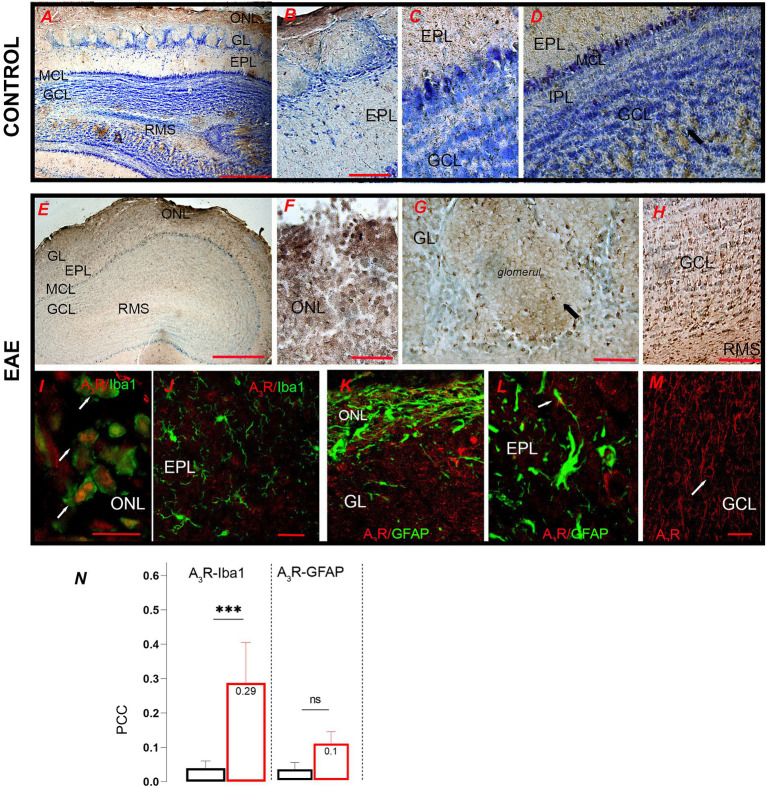
The present study shows that animals with experimental autoimmune encephalomyelitis (EAE) exhibit olfactory dysfunction and impaired general cognitive abilities, as well as anxiety-like behavior. Olfactory dysfunction occurs on average at 2 dpi, well before the onset of the first motor signs of EAE (8-10 dpi). After the initial olfactory dysfunction, the EAE animals show a fluctuation in olfactory performance that resembles the relapsing-remitting course of human MS. The study also shows severe neuroinflammation in the olfactory bulb (OB), with numerous infiltrated CD4 T cells and peripheral macrophages in the superficial OB layers, marked microgliosis, and massive induction of TNF-α, IL-1β, and IL-6. Reduced tyrosine hydroxylase activity in the glomerular layer, pronounced granule cell atrophy, and reduced numbers of type B neuroblasts in the rostral migratory stream also indicate altered plasticity of the neuronal network in the OB. Considering the exceptionally high purinome expression in the OB, the possible involvement of purinergic signaling was also investigated. The study shows that macrophages infiltrating the OB overexpress AR, while highly reactive microglia overexpress the adenosine-producing enzyme eN/CD73 as well as AR, AR, and P2XR. Given the simultaneous induction of complement component C3, the results suggest that the microglial cells develop a functional phenotype of phagocytizing microglia. The study also demonstrates transcriptional and translational upregulation of AR in mitral and tufted cells, which likely influence resting network activity in OB and likely contribute to olfactory dysfunction in EAE. Overall, our study shows that olfactory dysfunction and altered social and cognitive behavior in EAE are associated with increased adenosine signaling via AR, AR, and AR.
本研究表明,患有实验性自身免疫性脑脊髓炎(EAE)的动物表现出嗅觉功能障碍、一般认知能力受损以及类似焦虑的行为。嗅觉功能障碍平均在发病后2天出现,远早于EAE的首个运动症状发作(发病后8 - 10天)。在最初的嗅觉功能障碍之后,EAE动物的嗅觉表现出现波动,类似于人类多发性硬化症的复发 - 缓解病程。该研究还显示嗅球(OB)存在严重的神经炎症,在OB浅层有大量浸润的CD4 T细胞和外周巨噬细胞,明显的小胶质细胞增生,以及TNF-α、IL-1β和IL-6的大量诱导。肾小球层酪氨酸羟化酶活性降低、明显的颗粒细胞萎缩以及吻侧迁移流中B型神经母细胞数量减少也表明OB中神经网络的可塑性改变。考虑到OB中嘌呤组表达异常高,还研究了嘌呤能信号传导的可能参与情况。该研究表明,浸润到OB的巨噬细胞过度表达AR,而高反应性小胶质细胞则过度表达产生腺苷的酶eN/CD73以及AR、AR和P2XR。鉴于补体成分C3的同时诱导,结果表明小胶质细胞发展出了吞噬性小胶质细胞的功能表型。该研究还证明了二尖瓣细胞和簇状细胞中AR的转录和翻译上调,这可能影响OB中的静息网络活动,并可能导致EAE中的嗅觉功能障碍。总体而言,我们的研究表明,EAE中的嗅觉功能障碍以及社交和认知行为改变与通过AR、AR和AR增加的腺苷信号传导有关。