Key Laboratory for the Genetics of Developmental and Neuropsychiatric Disorders (Ministry of Education), Bio-X Institutes, Shanghai Jiao Tong University, Shanghai, 200240, China.
Department of Hematology, Tangdu Hospital, Xi'an, 710032, China.
Interdiscip Sci. 2024 Dec;16(4):976-989. doi: 10.1007/s12539-024-00646-7. Epub 2024 Aug 16.
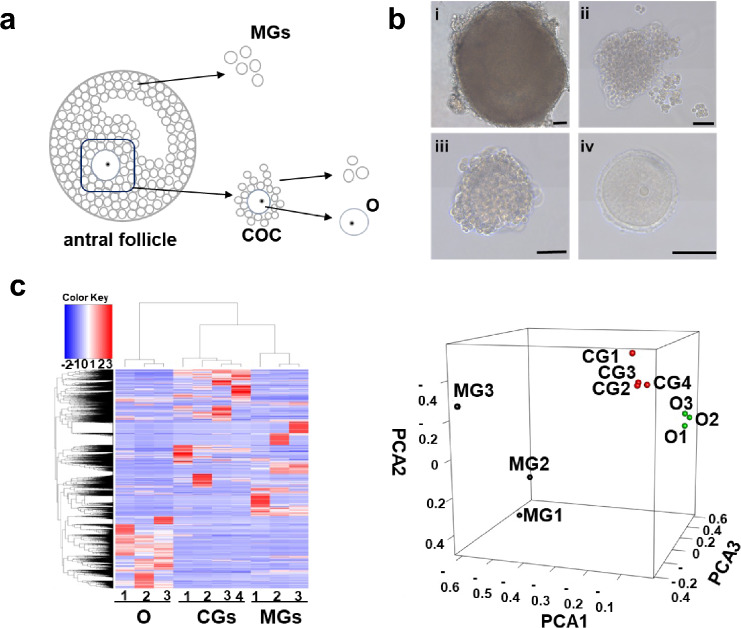
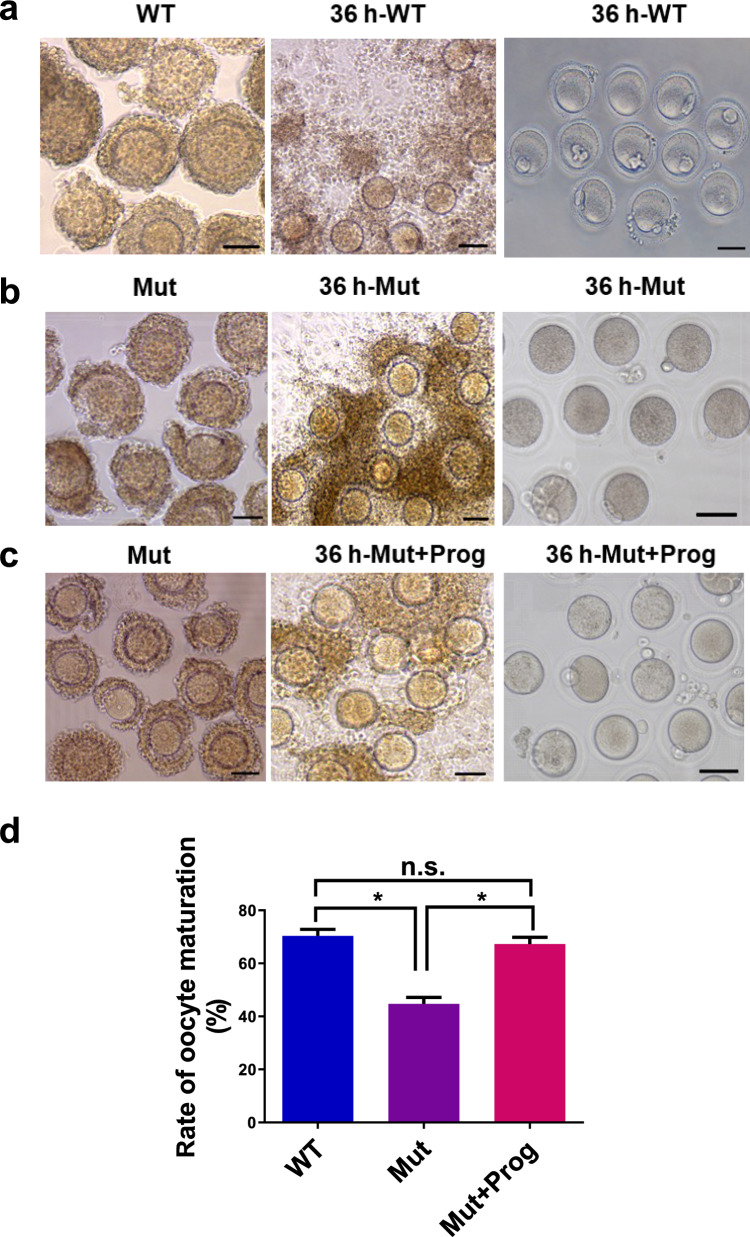
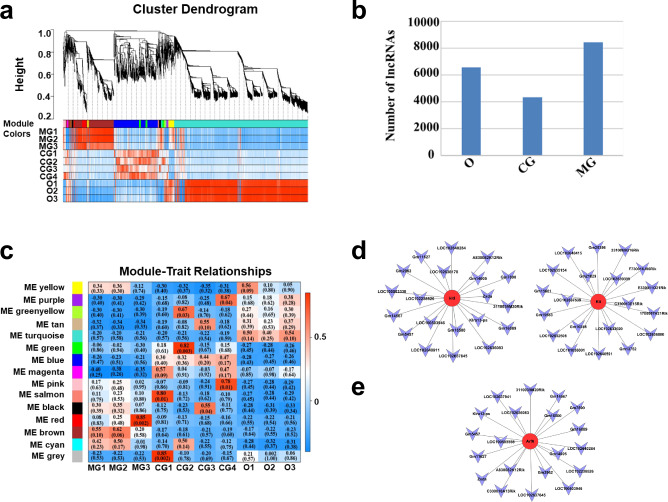
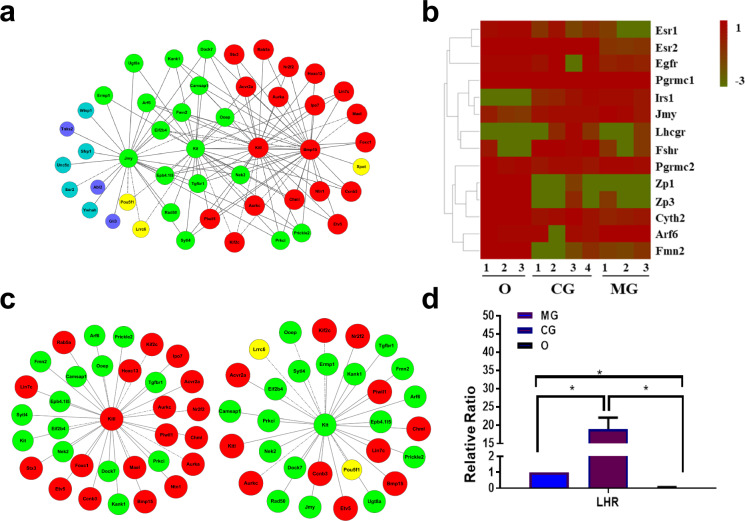
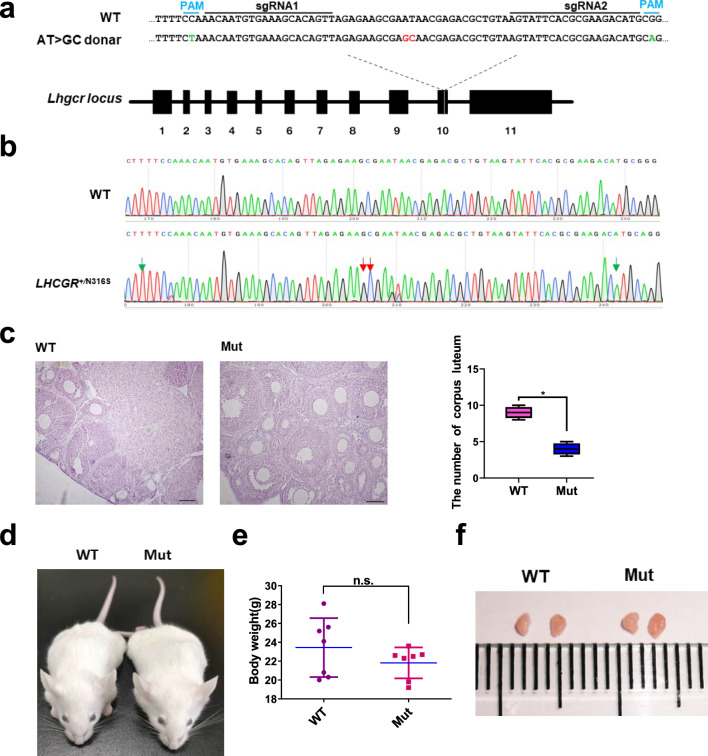
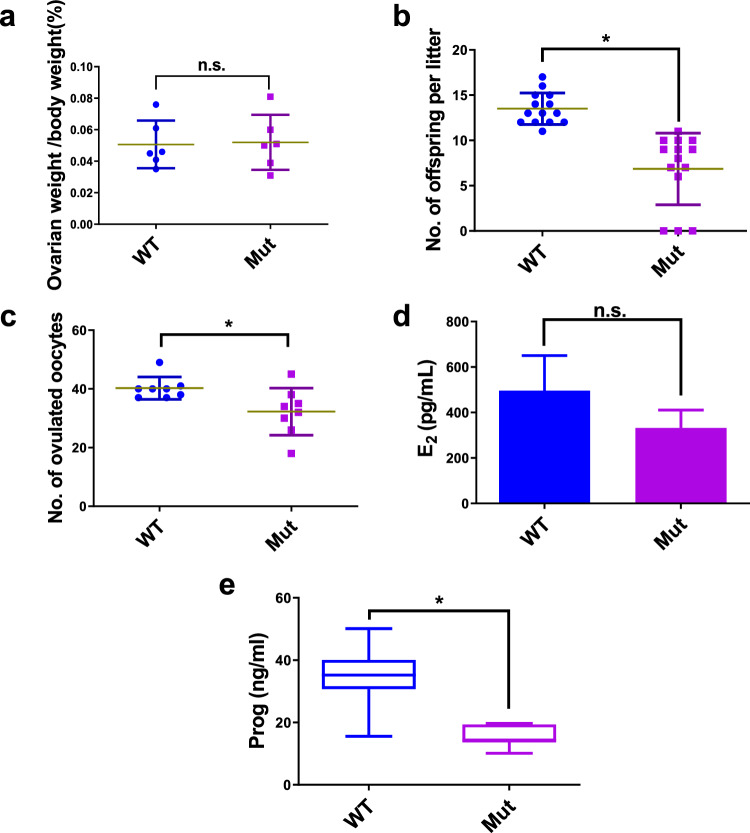
Abnormal interaction between granulosa cells and oocytes causes disordered development of ovarian follicles. However, the interactions between oocytes and cumulus granulosa cells (CGs), oocytes and mural granulosa cells (MGs), and CGs and MGs remain to be fully explored. Using single-cell RNA-sequencing (scRNA-seq), we determined the transcriptional profiles of oocytes, CGs and MGs in antral follicles. Analysis of scRNA-seq data revealed that CGs may regulate follicular development through the BMP15-KITL-KIT-PI3K-ARF6 pathway with elevated expression of luteinizing hormone receptor (LHR). Because internalization of the LHR is regulated by Arf6, we constructed LHR mice by CRISPR/Cas9 to further explore mechanisms of follicular development and novel treatment strategies for female infertility. Ovaries of LHR mice exhibited reduced numbers of corpora lutea and ovulation. The LHR mice had a reduced rate of oocyte maturation in vitro and decreased serum progesterone levels. Mating LHR female mice with ICR wild type male mice revealed that the infertility rate of LHR mice was 21.4% (3/14). Litter sizes from LHR mice were smaller than those from control wild type female mice. The oocytes from LHR mice had an increased rate of maturation in vitro after progesterone administration in vitro. Furthermore, progesterone treated LHR mice produced offspring numbers per litter equivalent to WT mice. These findings provide key insights into cellular interactions in ovarian follicles and provide important clues for infertility treatment.
颗粒细胞与卵母细胞之间的异常相互作用导致卵泡发育紊乱。然而,卵母细胞与卵丘颗粒细胞(CGs)、卵母细胞与壁颗粒细胞(MGs)以及 CGs 与 MGs 之间的相互作用仍有待充分探索。本研究使用单细胞 RNA 测序(scRNA-seq)确定了腔前卵泡中卵母细胞、CGs 和 MGs 的转录谱。scRNA-seq 数据分析表明,CGs 可能通过 BMP15-KITL-KIT-PI3K-ARF6 途径调节卵泡发育,该途径中黄体生成素受体(LHR)的表达上调。由于 LHR 的内化受 Arf6 调控,我们构建了 LHR 敲除小鼠,以进一步探索卵泡发育的机制和女性不孕的新治疗策略。LHR 敲除小鼠的黄体数量和排卵减少。体外 LHR 敲除小鼠卵母细胞成熟率降低,血清孕激素水平降低。将 LHR 雌性小鼠与 ICR 野生型雄性小鼠交配发现,LHR 小鼠的不孕率为 21.4%(3/14)。LHR 小鼠的产仔数小于对照野生型雌性小鼠。经孕激素处理后,LHR 小鼠的卵母细胞体外成熟率增加。此外,经孕激素处理的 LHR 小鼠每窝产仔数与 WT 小鼠相当。这些发现为卵巢卵泡中的细胞相互作用提供了重要线索,并为不孕治疗提供了重要依据。