Spitzmüller Laura, Berson Jonathan, Schimmel Thomas, Kohl Thomas, Nitschke Fabian
Geothermal Energy and Reservoir Technology, Institute of Applied Geosciences, Karlsruhe Institute of Technology, 76131, Karlsruhe, Germany.
Material Research Center for Energy Systems (MZE), Institute of Nanotechnology, Institute of Applied Physics, Karlsruhe Institute of Technology, 76131, Karlsruhe, Germany.
Sci Rep. 2024 Aug 19;14(1):19222. doi: 10.1038/s41598-024-70132-z.
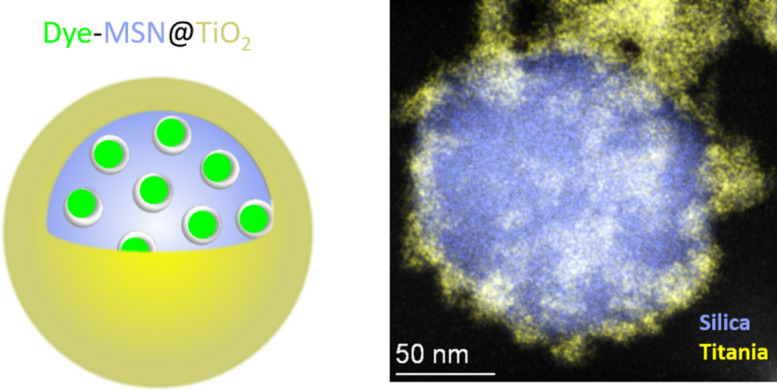
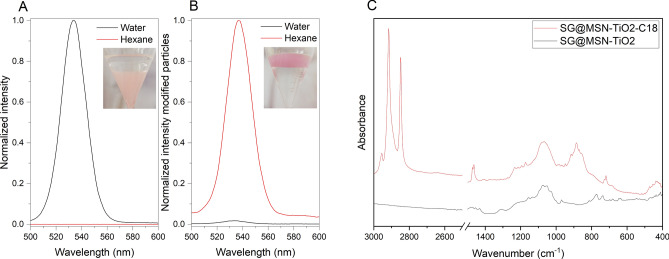
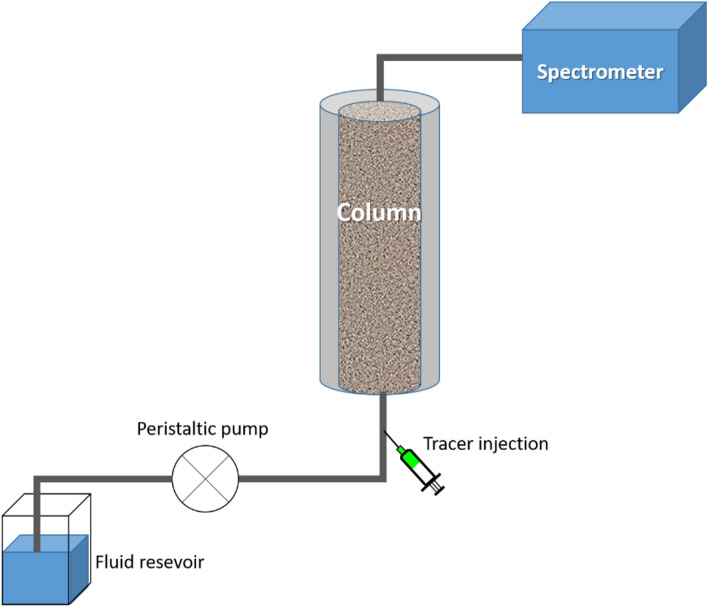
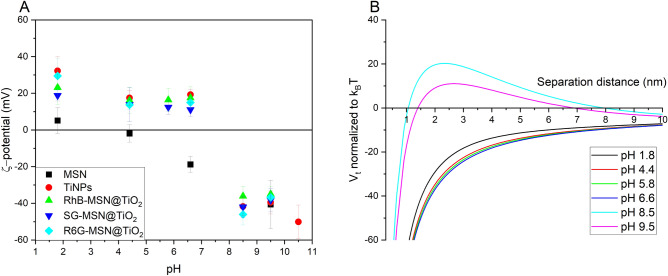
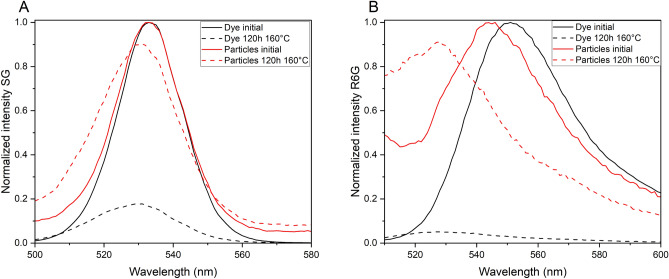
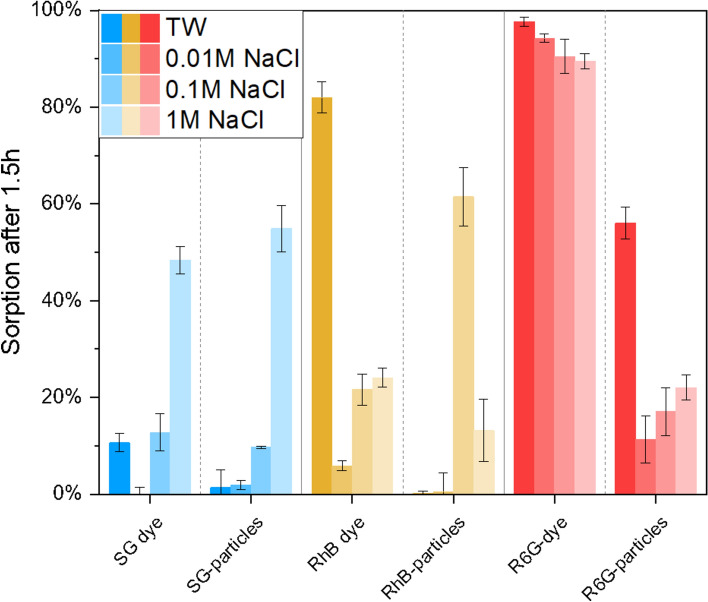
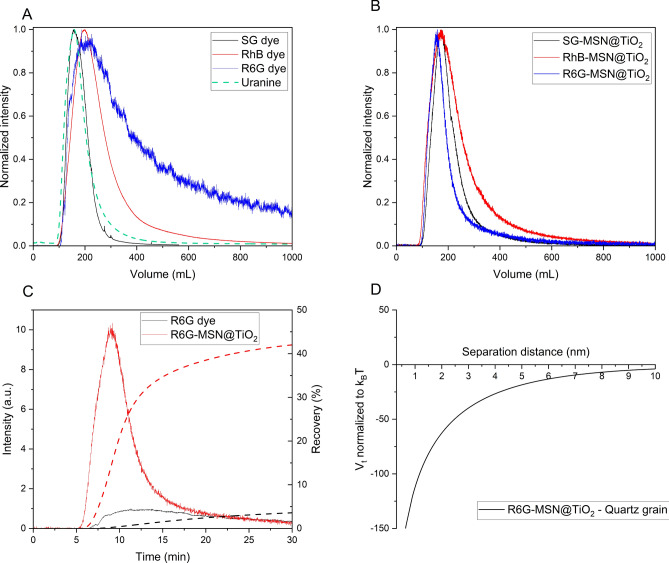
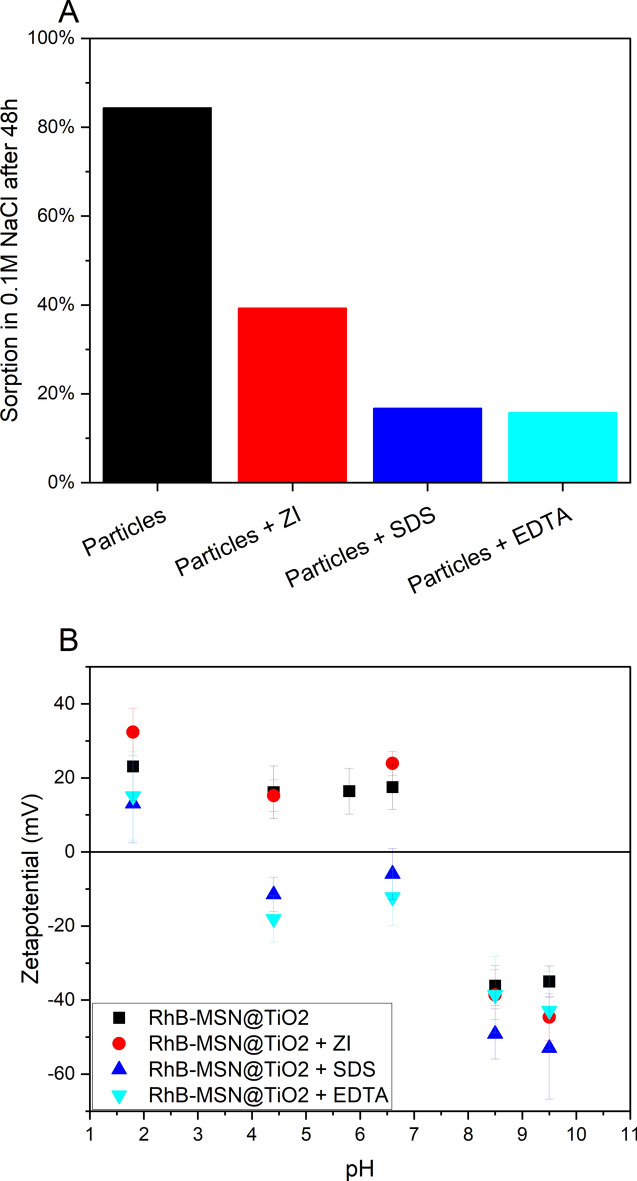
Tracer tests are an important tool for characterizing and monitoring subsurface reservoir properties. However, they are limited both because of the tracer molecules constraining factors such as irreversible adsorption, retention, and degradations, i.e. interaction processes of fluorophore molecule with surrounding media resulting in a large variation in transport properties. Elaborate tests utilizing more than one tracer to distinguish time or location of injection are complex and interpretation is ambiguous because each tracer interacts differently. In this study, we present an approach to increase tracer stability and enhance the transport uniformity of different tracers, thus making tests utilizing multiple tracers simpler and more feasible. We present this concept of tracer multiplicity by encapsulating an anionic, cationic or amphoteric fluorophore inside mesoporous silica nanoparticle carriers coated with a protective titania layer. Upon encapsulation, increased thermal resistance and drastically lowered sorption affinity towards quartz sand was detected in batch and flow-through experiments. An additional advantage of the presented nanoparticle tracers over molecular tracers is their modularity, which is demonstrated by surface modifications and application of additives that greatly reduce sorption and increase recovery rates in the flow experiments. With the here presented concept of tracer multiplicity, we introduce a new approach for colloidal tracer design that has the potential to expand and enhance measurable parameters, measurement accuracy and simplicity of analysis.
示踪剂测试是表征和监测地下储层特性的重要工具。然而,由于示踪剂分子存在不可逆吸附、滞留和降解等限制因素,即荧光团分子与周围介质的相互作用过程导致传输特性发生很大变化,所以它们存在局限性。利用多种示踪剂来区分注入时间或位置的精细测试很复杂,且由于每种示踪剂的相互作用不同,解释也不明确。在本研究中,我们提出了一种提高示踪剂稳定性并增强不同示踪剂传输均匀性的方法,从而使利用多种示踪剂的测试更简单、更可行。我们通过将阴离子、阳离子或两性荧光团封装在涂有保护性二氧化钛层的介孔二氧化硅纳米颗粒载体中来呈现这种示踪剂多重性的概念。封装后,在批量和流通实验中检测到热稳定性提高,对石英砂的吸附亲和力大幅降低。所提出的纳米颗粒示踪剂相对于分子示踪剂的另一个优点是它们的模块化,这在表面改性和添加剂应用中得到了证明,这些改性和添加剂在流动实验中大大降低了吸附并提高了回收率。通过这里提出的示踪剂多重性概念,我们引入了一种用于胶体示踪剂设计的新方法,该方法有可能扩展和增强可测量参数、测量精度以及分析的简易性。