Abdelbar Mohamed, El-Shamy Ashraf M
Conservation Department, Faculty of Archaeology, Damietta University, Damietta El-Gadeeda City, 34511, Damietta Governorate, Egypt.
Physical Chemistry Department, Electrochemistry and Corrosion Laboratory, National Research Centre, El-Bohouth St. 33, Dokki, P.O. 12622, Giza, Egypt.
Sci Rep. 2024 Aug 20;14(1):19230. doi: 10.1038/s41598-024-69490-5.
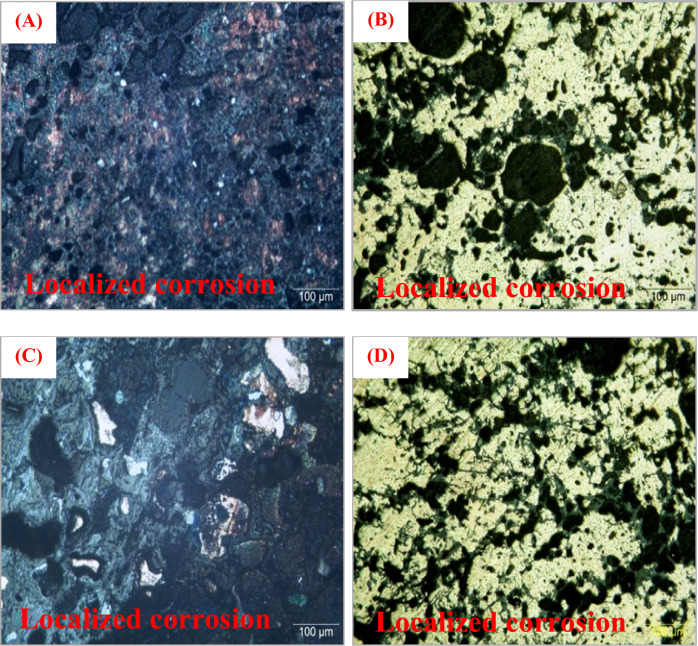
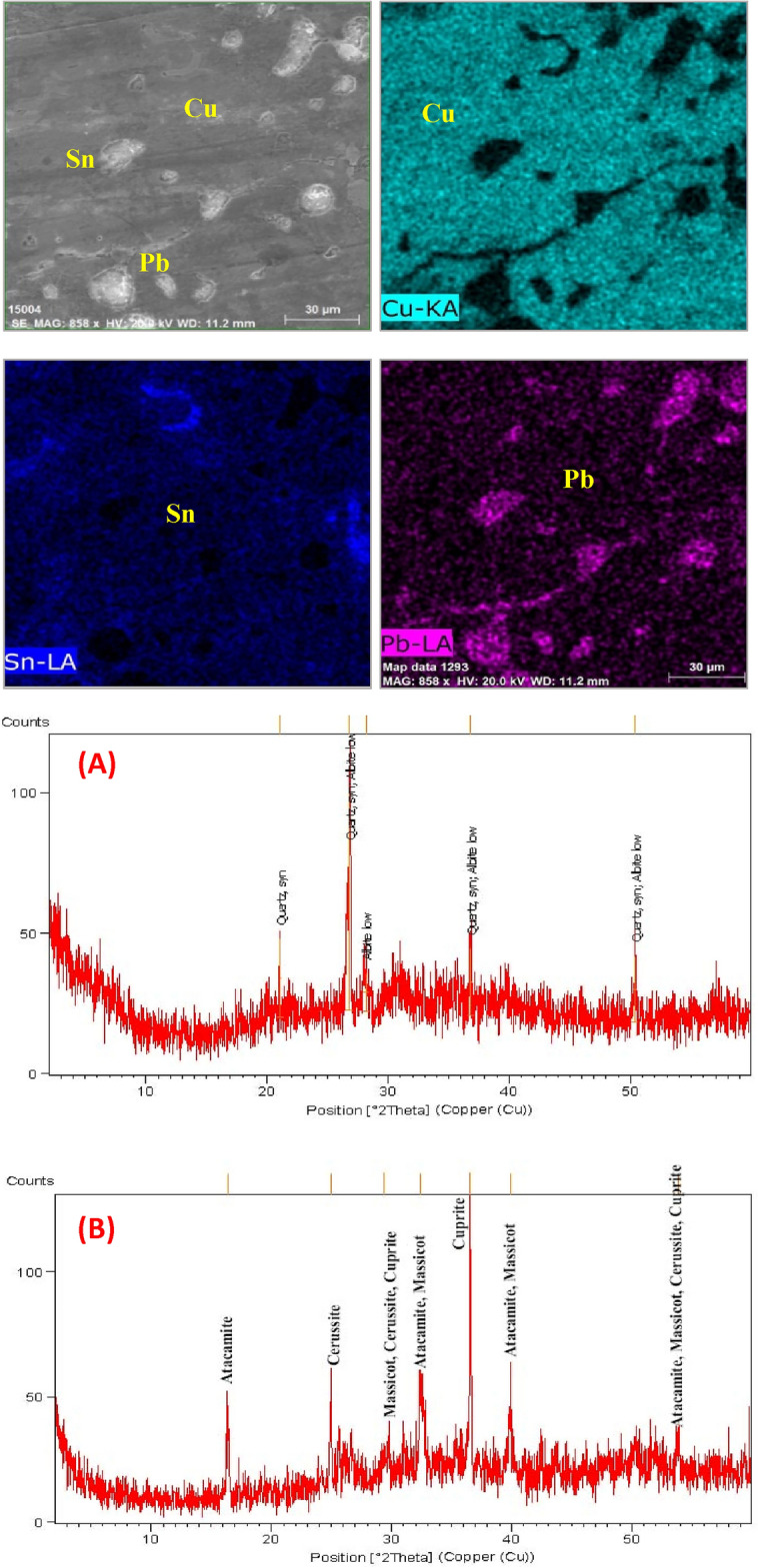
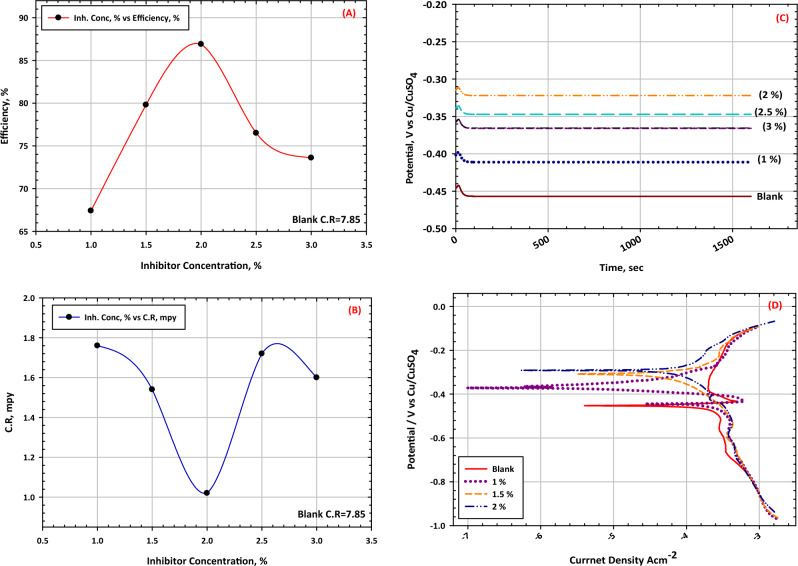
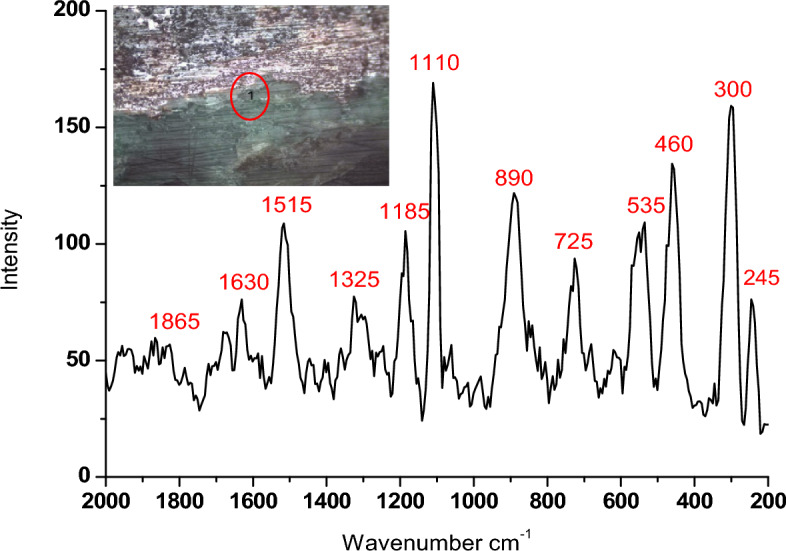
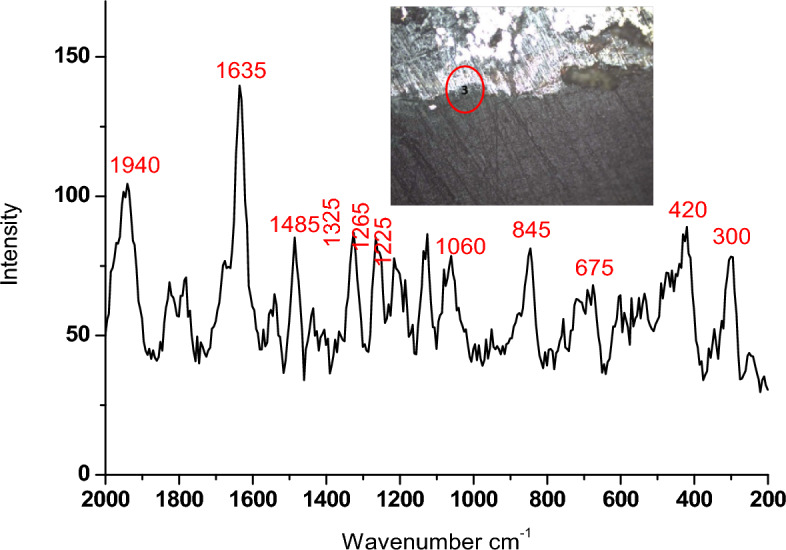
The findings reveal that soil constituents significantly affect the corrosion process. Moisture content and pH promote the formation of corrosion products, while high chloride concentrations accelerate corrosion. Conversely, high organic matter content inhibits corrosion by limiting oxygen diffusion to the metal surface. The effectiveness of conservation treatments, particularly wax or oil-based coatings, varied with soil conditions, showing reduced efficacy in soils with high chloride concentrations. This study underscores the importance of understanding soil constituents for developing effective corrosion and conservation strategies for buried bronze statuettes. The results offer valuable insights for customizing preservation approaches based on soil types. X-ray diffraction (XRD) analysis revealed that mineralogical compositions in soil significantly influence corrosion processes, providing critical insights for effective preservation strategies. pH measurements indicated varying soil acidity and alkalinity levels, crucial in determining corrosion rates and mechanisms, offering essential data for targeted preservation strategies. Additionally, the identification of brochantite and antlerite through Micro-Raman spectroscopy suggests a link to sulfur pollutants from the decomposition of organic matter by sulfate-reducing bacteria, highlighting the potential environmental impact of microbial activity in the soil ecosystem.
研究结果表明,土壤成分会显著影响腐蚀过程。土壤湿度和pH值会促进腐蚀产物的形成,而高氯化物浓度会加速腐蚀。相反,高有机物含量通过限制氧气向金属表面的扩散来抑制腐蚀。保护处理措施,特别是蜡质或油基涂层的效果,会因土壤条件而异,在高氯化物浓度的土壤中效果会降低。这项研究强调了了解土壤成分对于制定针对埋藏青铜小雕像的有效腐蚀和保护策略的重要性。研究结果为根据土壤类型定制保护方法提供了有价值的见解。X射线衍射(XRD)分析表明,土壤中的矿物成分会显著影响腐蚀过程,为有效的保护策略提供了关键见解。pH值测量表明土壤酸碱度水平各不相同,这对于确定腐蚀速率和机制至关重要,为有针对性的保护策略提供了重要数据。此外,通过显微拉曼光谱法鉴定出的羟铜矾和水胆矾表明,它们与硫酸盐还原菌分解有机物产生的硫污染物有关,凸显了土壤生态系统中微生物活动的潜在环境影响。