Bontempi Marco, Sancisi Nicola, Marchiori Gregorio, Conconi Michele, Berni Matteo, Cassiolas Giorgio, Giavaresi Gianluca, Parrilli Annapaola, Lopomo Nicola Francesco
Complex Structure of Surgical Sciences and Technologies, IRCCS Istituto Ortopedico Rizzoli, Via di Barbiano 1/10, 40136 Bologna, Italy.
Department of Industrial Engineering, Alma Mater Studiorum-Università di Bologna, Viale del Risorgimento 2, 40136 Bologna, Italy.
Biomimetics (Basel). 2024 Aug 8;9(8):477. doi: 10.3390/biomimetics9080477.
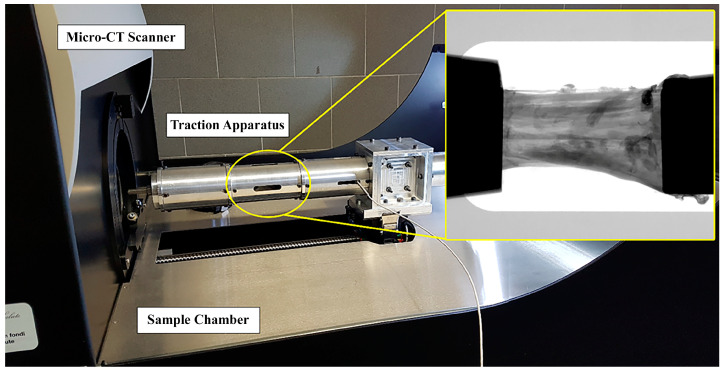
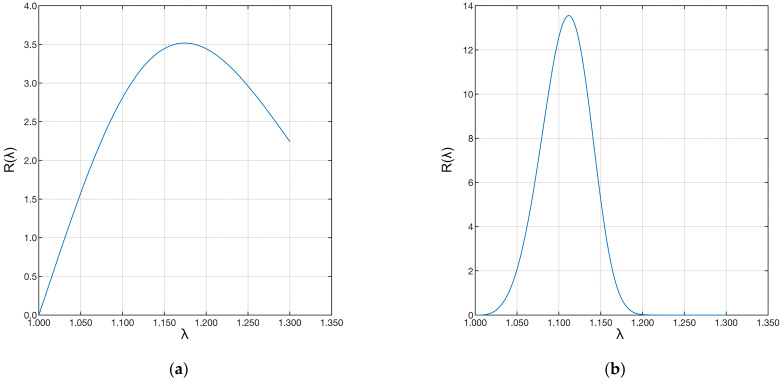
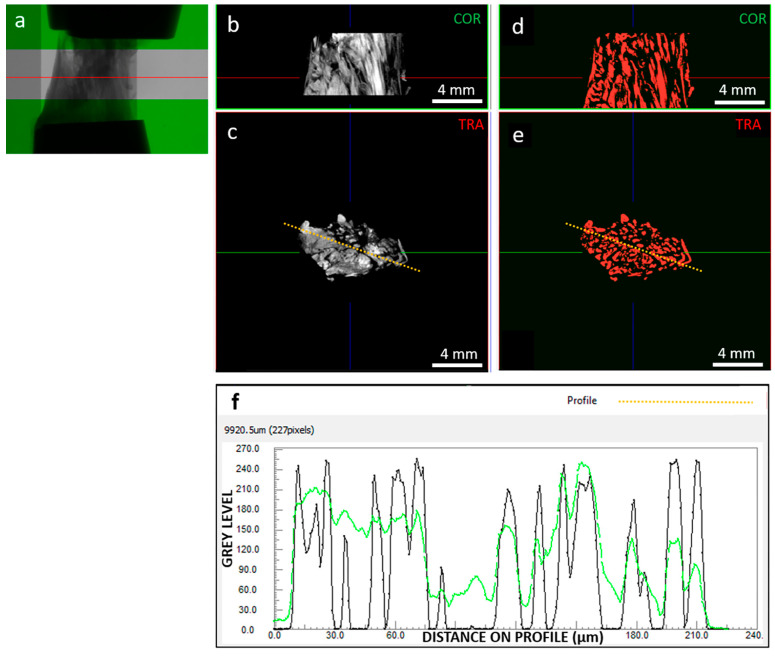
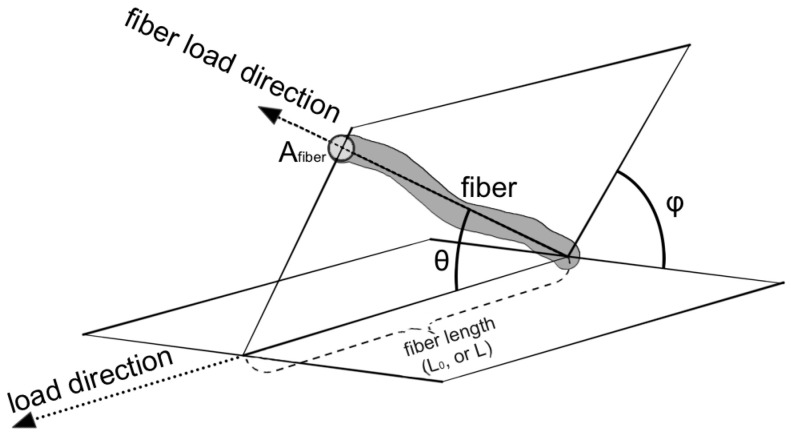
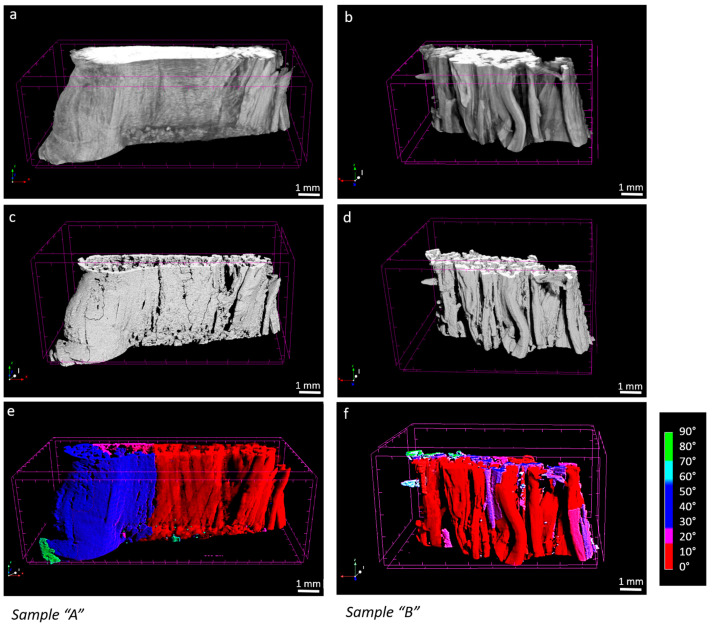
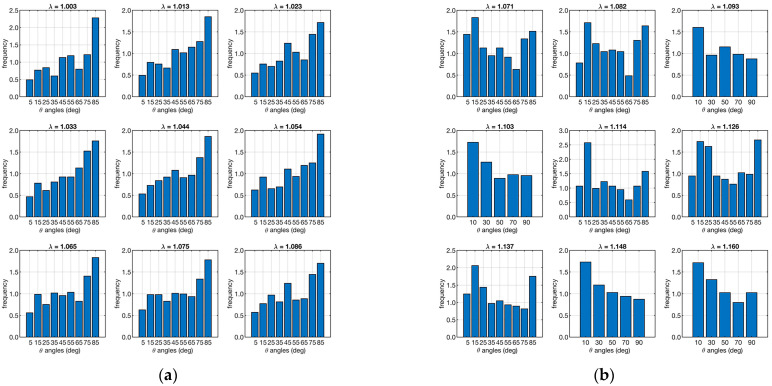
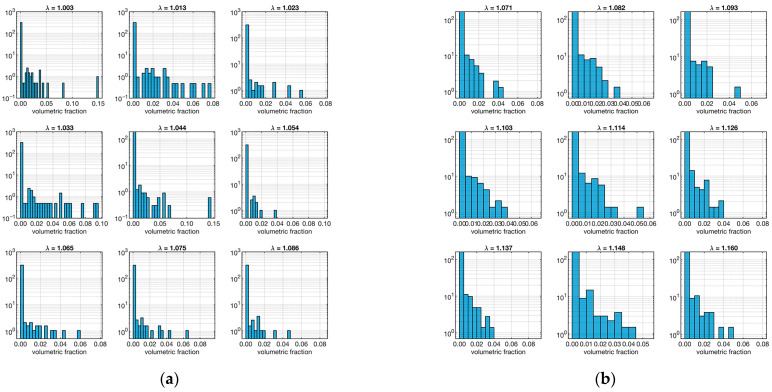
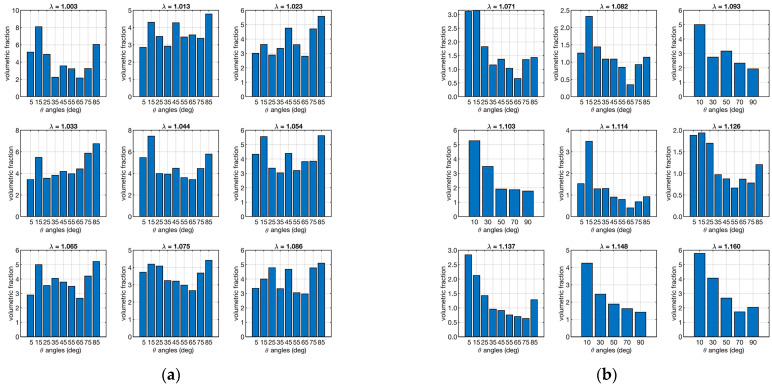
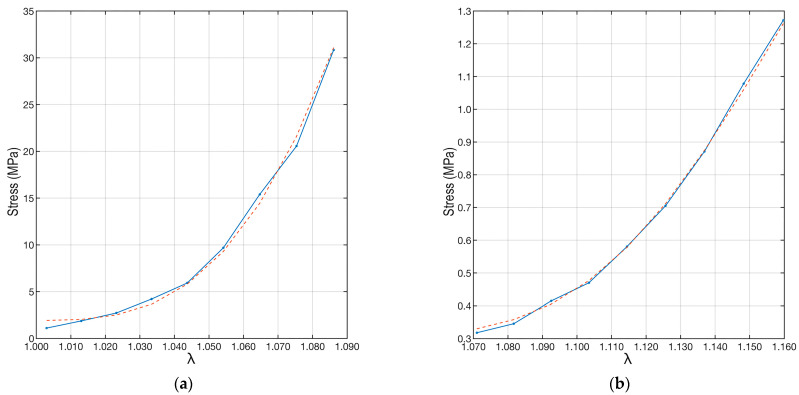
Understanding the microstructure of fibrous tissues, like ligaments, is crucial due to their nonlinear stress-strain behavior from unique fiber arrangements. This study introduces a new method to analyze the relationship between the microstructure and function of anterior cruciate ligaments (ACL). We tested the procedure on two ACL samples, one from a healthy individual and one from an osteoarthritis patient, using a custom tensioning device within a micro-CT scanner. The samples were stretched and scanned at various strain levels (namely 0%, 1%, 2%, 3%, 4%, 6%, 8%) to observe the effects of mechanical stress on the microstructure. The micro-CT images were processed to identify and map fibers, assessing their orientations and volume fractions. A probabilistic mathematical model was then proposed to relate the geometric and structural characteristics of the ACL to its mechanical properties, considering fiber orientation and thickness. Our feasibility test indicated differences in mechanical behavior, fiber orientation, and volume distribution between ligaments of different origins. These indicative results align with existing literature, validating the proposed methodology. However, further research is needed to confirm these preliminary observations. Overall, our comprehensive methodology shows promise for improving ACL diagnosis and treatment and for guiding the creation of tissue-engineered grafts that mimic the natural properties and microstructure of healthy tissue, thereby enhancing integration and performance in biomedical applications.
了解韧带等纤维组织的微观结构至关重要,因为其独特的纤维排列会导致非线性应力应变行为。本研究引入了一种新方法来分析前交叉韧带(ACL)的微观结构与功能之间的关系。我们使用微型CT扫描仪内的定制张紧装置,对两个ACL样本进行了测试,一个来自健康个体,另一个来自骨关节炎患者。样本在不同应变水平(即0%、1%、2%、3%、4%、6%、8%)下进行拉伸和扫描,以观察机械应力对微观结构的影响。对微型CT图像进行处理,以识别和绘制纤维,评估其方向和体积分数。然后提出了一个概率数学模型,考虑纤维方向和厚度,将ACL的几何和结构特征与其力学性能联系起来。我们的可行性测试表明,不同来源韧带在力学行为、纤维方向和体积分布上存在差异。这些指示性结果与现有文献一致,验证了所提出的方法。然而,需要进一步研究来证实这些初步观察结果。总体而言,我们的综合方法有望改善ACL的诊断和治疗,并指导创建模仿健康组织自然特性和微观结构的组织工程移植物,从而提高生物医学应用中的整合性和性能。