Pouraminian Majid, Akbari Baghal Amir Ebrahim, Andalibi Keyvan, Khosravi Farshid, Arab Maleki Vahid
Department of Civil Engineering, Ramsar Branch, Islamic Azad University, Ramsar, Iran.
Department of Civil Engineering, Bostan Abad Branch, Islamic Azad University, Bostan Abad, Iran.
Sci Rep. 2024 Aug 27;14(1):19939. doi: 10.1038/s41598-024-68682-3.
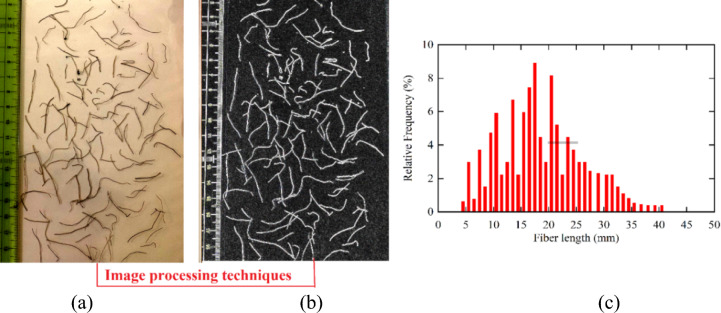
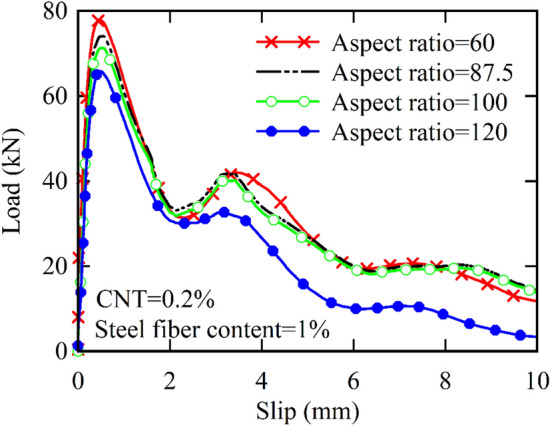
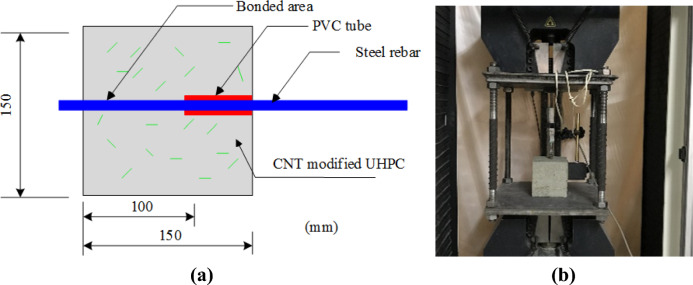
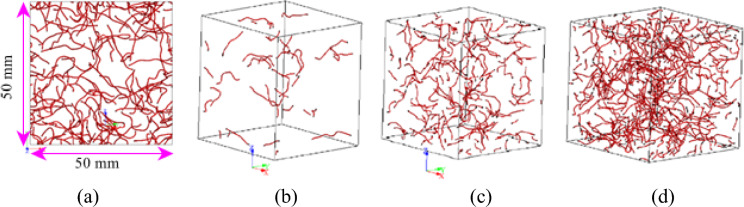
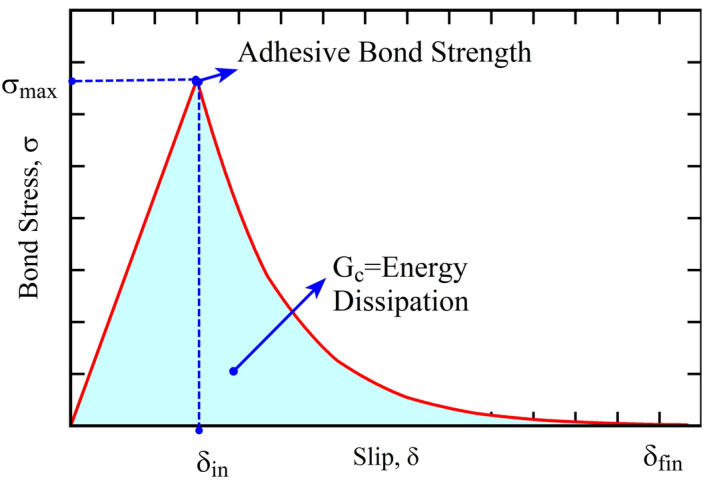
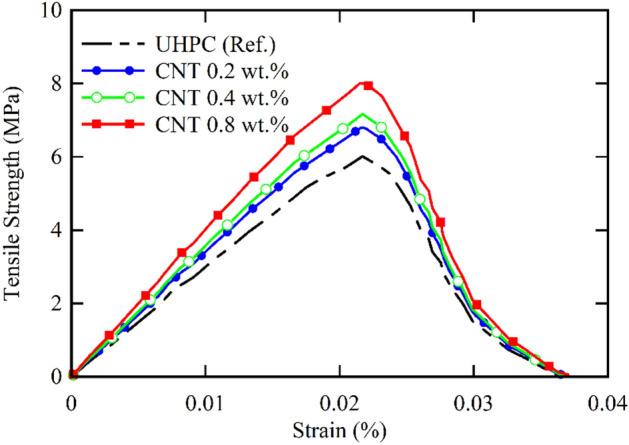
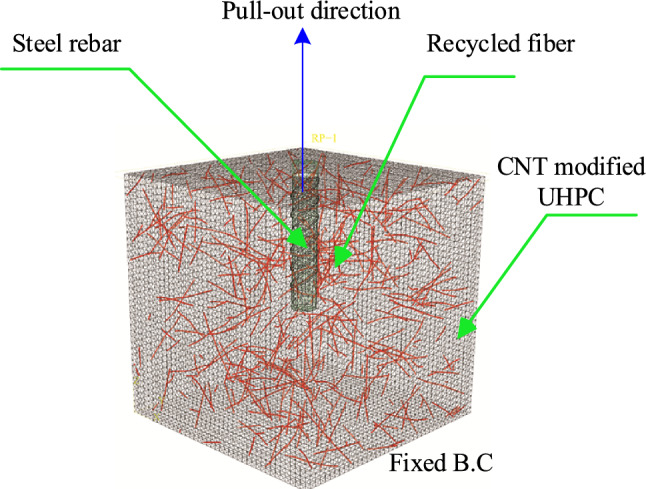
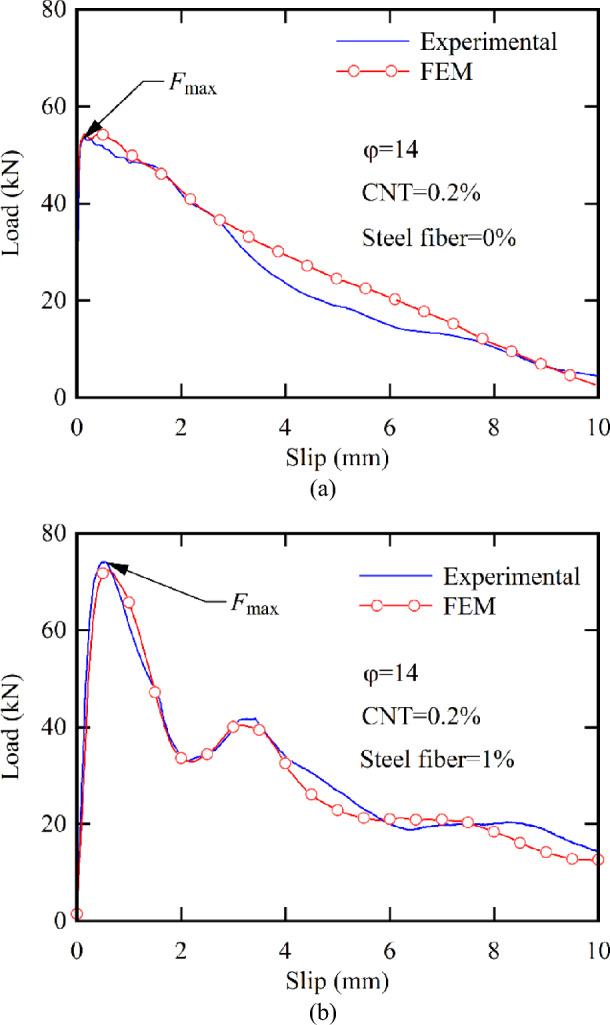
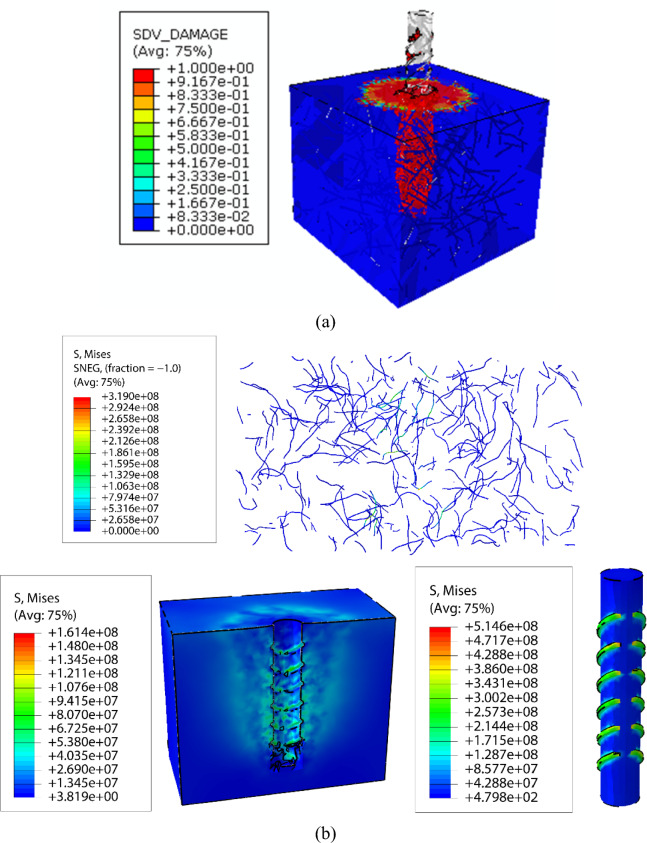
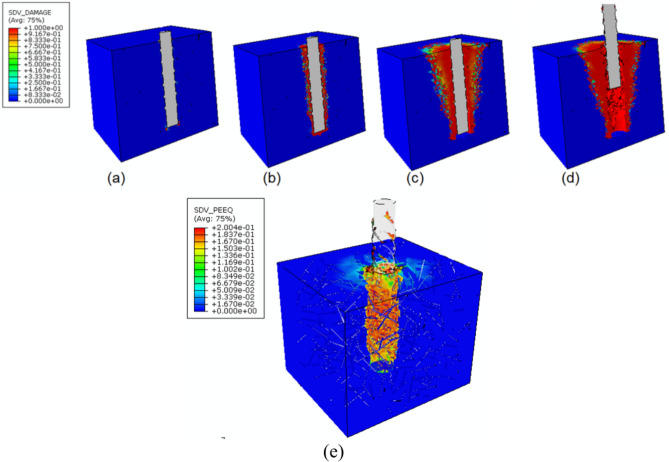
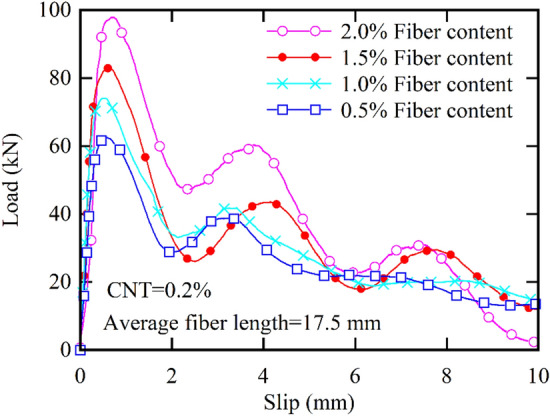
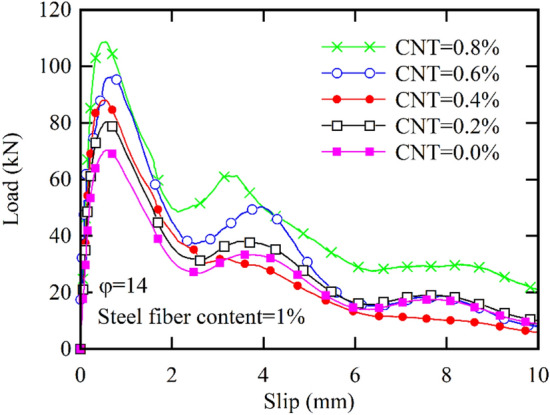
In the current investigation, the effect of recycled steel fibers recovered from waste tires on the pull-out response of ribbed steel bars from carbon nanotube (CNT)-modified ultrahigh performance fiber reinforced concrete (UHPFRC) was considered using the multiscale finite element method (MSFEM). The MSFEM is based on three phases to simulate CNT-modified UHPC, recycled steel fibers (RSFs), and ribbed steel bars. For the first time, a bar ribbed has been simulated to make more realistic assumptions, and RSFs have been distributed in the form of curved cylinders of different lengths and with a random distribution within a concrete matrix. The interaction of the steel bar and the RSFs with the concrete is applied by the cohesive zone model (CZM). After confirming the simulation outcomes with the experimental results, the steel bar pull-out response is investigated using load-slip curves. The impact of the CNT content, RSFs and their aspect ratio on the bond strength of steel bars and CNT-modified UHPFRC was assessed. The results show that using RSFs with a lower aspect ratio (steel microfibers) significantly improves the pull-out characteristics of steel bars from concrete. Accordingly, the proposed MSFEM is considered for simulating the effects of different parameters on the pull-out response of ribbed steel bars from concrete without causing complex, time-consuming, or costly experiments. The results indicated that waste fiber or RSF can be used as a toughening component in CNT-modified ultrahigh-performance concrete and as a replacement for industrial steel fibers.
在当前的研究中,采用多尺度有限元方法(MSFEM)研究了从废轮胎中回收的再生钢纤维对碳纳米管(CNT)改性超高性能纤维增强混凝土(UHPFRC)中带肋钢筋拔出响应的影响。MSFEM基于三个阶段来模拟CNT改性超高性能混凝土、再生钢纤维(RSF)和带肋钢筋。首次对带肋钢筋进行了模拟,以做出更符合实际的假设,并且RSF以不同长度的弯曲圆柱体形式随机分布在混凝土基体中。钢筋和RSF与混凝土之间的相互作用通过粘结区模型(CZM)来施加。在用实验结果确认模拟结果之后,利用荷载-滑移曲线研究了钢筋的拔出响应。评估了CNT含量、RSF及其长径比对钢筋与CNT改性UHPFRC粘结强度的影响。结果表明,使用较低长径比的RSF(钢微纤维)可显著改善钢筋从混凝土中的拔出特性。因此,所提出的MSFEM被用于模拟不同参数对混凝土中带肋钢筋拔出响应的影响,而无需进行复杂、耗时或昂贵的实验。结果表明,废纤维或RSF可作为CNT改性超高性能混凝土中的增韧组分,并可替代工业钢纤维。