Department of Biomedical Sciences, Humanitas University, Via Rita Levi Montalcini 4, Pieve Emanuele, 20072 Milan, Italy.
IRCCS Humanitas Research Hospital, Rozzano, 20089 Milan, Italy.
Int J Mol Sci. 2024 Aug 16;25(16):8953. doi: 10.3390/ijms25168953.
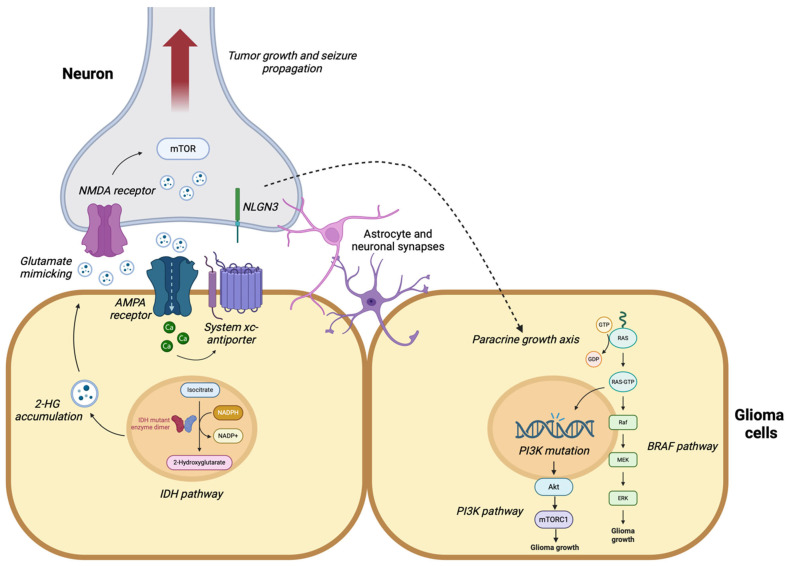
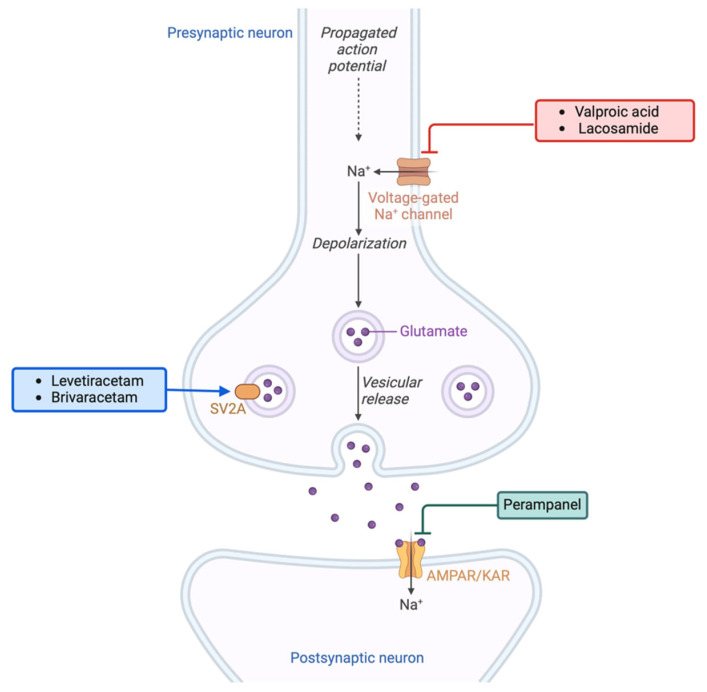
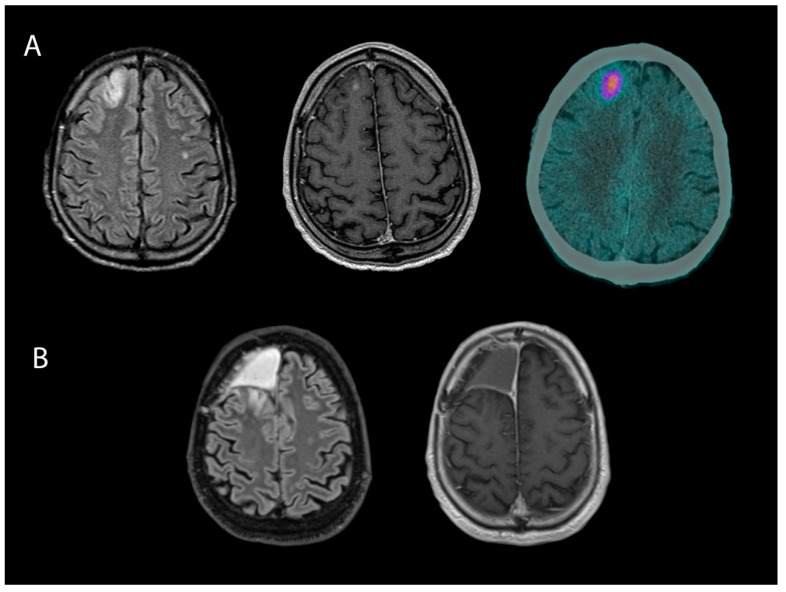
Gliomas present a complex challenge in neuro-oncology, often accompanied by the debilitating complication of epilepsy. Understanding the biological interaction and common pathways between gliomagenesis and epileptogenesis is crucial for improving the current understanding of tumorigenesis and also for developing effective management strategies. Shared genetic and molecular mechanisms, such as IDH mutations and dysregulated glutamate signaling, contribute to both tumor progression and seizure development. Targeting these pathways, such as through direct inhibition of mutant IDH enzymes or modulation of glutamate receptors, holds promise for improving patient outcomes. Additionally, advancements in surgical techniques, like supratotal resection guided by connectomics, offer opportunities for maximally safe tumor resection and enhanced seizure control. Advanced imaging modalities further aid in identifying epileptogenic foci and tailoring treatment approaches based on the tumor's metabolic characteristics. This review aims to explore the complex interplay between gliomagenesis, epileptogenesis, and neural circuit remodeling, offering insights into shared molecular pathways and innovative treatment strategies to improve outcomes for patients with gliomas and associated epilepsy.
神经胶质瘤在神经肿瘤学中是一个极具挑战性的问题,常伴有使人虚弱的癫痫并发症。了解神经胶质瘤发生和癫痫发生之间的生物学相互作用和共同途径对于提高我们对肿瘤发生的现有认识以及开发有效的管理策略至关重要。共同的遗传和分子机制,如 IDH 突变和谷氨酸信号失调,有助于肿瘤的进展和癫痫的发生。针对这些途径,例如通过直接抑制突变 IDH 酶或调节谷氨酸受体,有望改善患者的预后。此外,神经外科技术的进步,如连接组学指导下的超全切除,为最大限度地安全切除肿瘤和增强癫痫控制提供了机会。高级成像方式有助于识别致痫灶,并根据肿瘤的代谢特征调整治疗方法。本综述旨在探讨神经胶质瘤发生、癫痫发生和神经回路重塑之间的复杂相互作用,提供对共同分子途径和创新治疗策略的深入了解,以改善伴癫痫的神经胶质瘤患者的预后。