
糖尿病肾病中足细胞的死亡:潜在的分子机制和治疗靶点。
Podocyte Death in Diabetic Kidney Disease: Potential Molecular Mechanisms and Therapeutic Targets.
机构信息
Department of Nephrology, Union Hospital, Tongji Medical College, Huazhong University of Science and Technology, Wuhan 430022, China.
出版信息
Int J Mol Sci. 2024 Aug 20;25(16):9035. doi: 10.3390/ijms25169035.
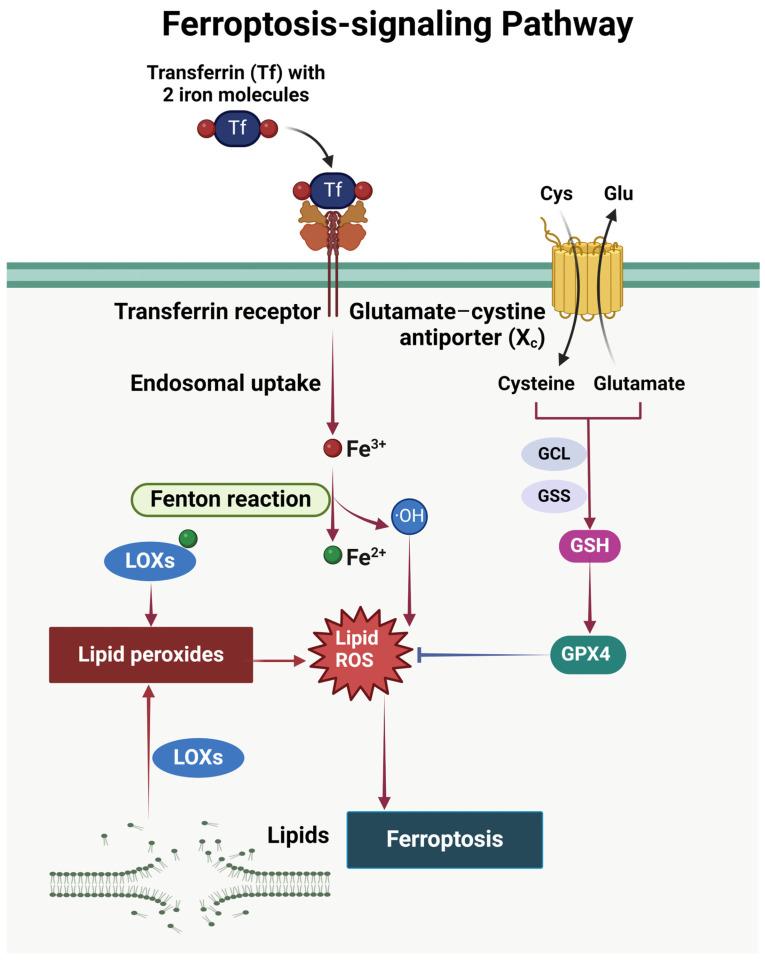
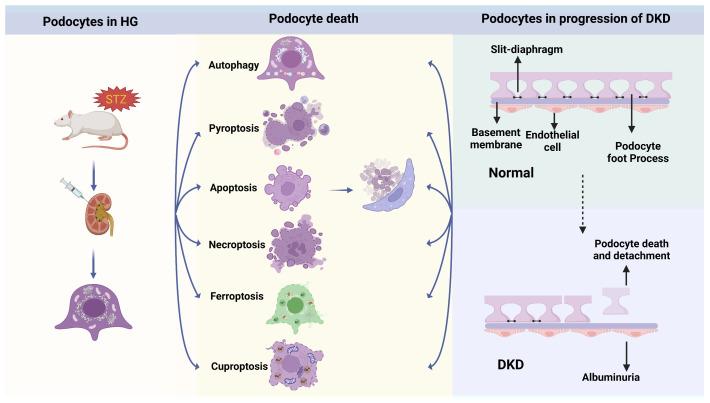
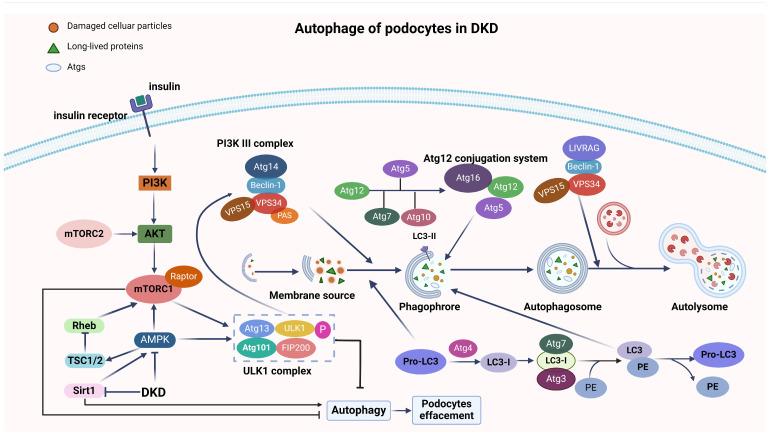
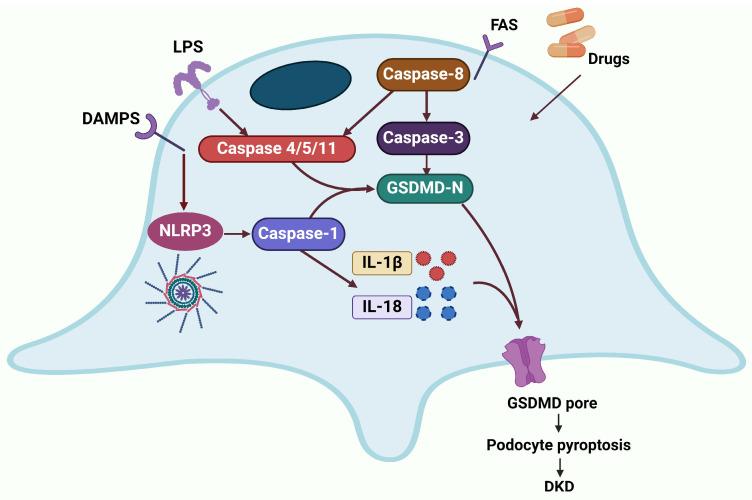
Cell deaths maintain the normal function of tissues and organs. In pathological conditions, the abnormal activation or disruption of cell death often leads to pathophysiological effects. Diabetic kidney disease (DKD), a significant microvascular complication of diabetes, is linked to high mortality and morbidity rates, imposing a substantial burden on global healthcare systems and economies. Loss and detachment of podocytes are key pathological changes in the progression of DKD. This review explores the potential mechanisms of apoptosis, necrosis, autophagy, pyroptosis, ferroptosis, cuproptosis, and podoptosis in podocytes, focusing on how different cell death modes contribute to the progression of DKD. It recognizes the limitations of current research and presents the latest basic and clinical research studies targeting podocyte death pathways in DKD. Lastly, it focuses on the future of targeting podocyte cell death to treat DKD, with the intention of inspiring further research and the development of therapeutic strategies.
细胞死亡维持着组织和器官的正常功能。在病理条件下,细胞死亡的异常激活或破坏往往会导致病理生理效应。糖尿病肾病(DKD)是糖尿病的一种重要微血管并发症,与高死亡率和发病率相关,给全球医疗保健系统和经济带来了巨大负担。足细胞的丢失和脱离是 DKD 进展的关键病理改变。本综述探讨了凋亡、坏死、自噬、细胞焦亡、铁死亡、铜死亡和足细胞细胞凋亡在足细胞中的潜在机制,重点关注不同的细胞死亡方式如何促进 DKD 的进展。本综述认识到当前研究的局限性,并介绍了针对 DKD 中足细胞死亡途径的最新基础和临床研究。最后,本综述关注针对足细胞细胞死亡治疗 DKD 的未来,旨在激发进一步的研究和治疗策略的发展。
 Zotero 插件