Department of Chemistry, University of Connecticut, 55 N. Eagleville Road, U3060, Storrs, CT 06269, USA.
Molecules. 2024 Aug 16;29(16):3889. doi: 10.3390/molecules29163889.
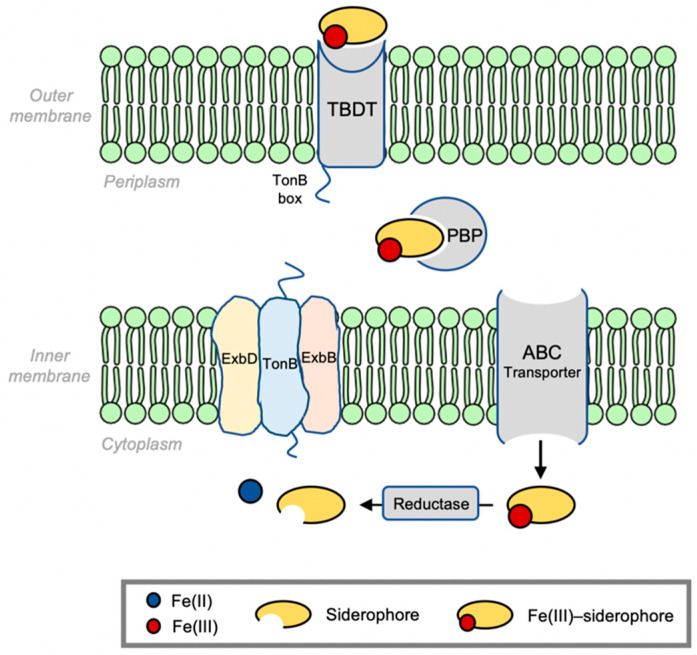
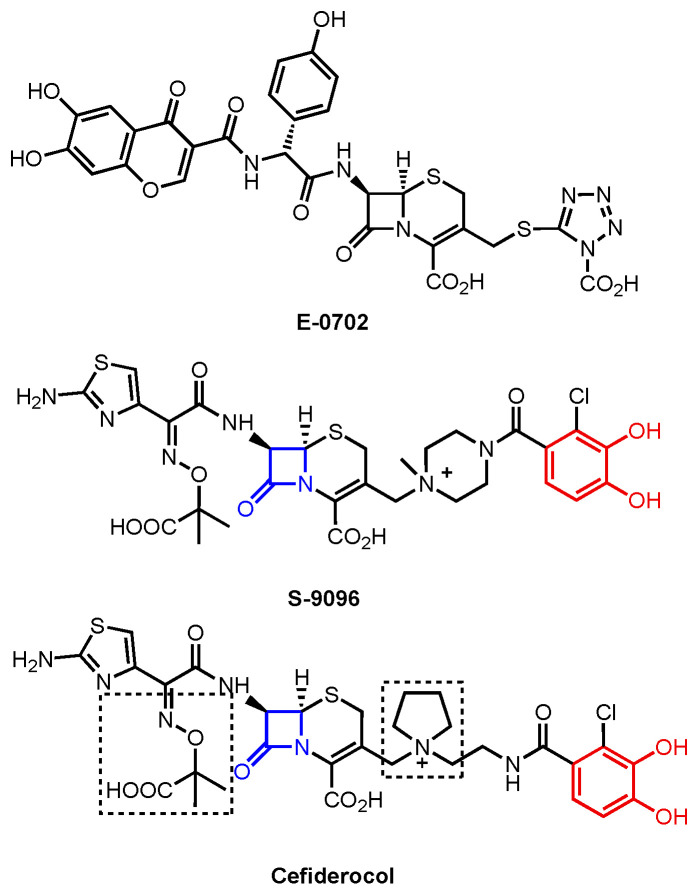
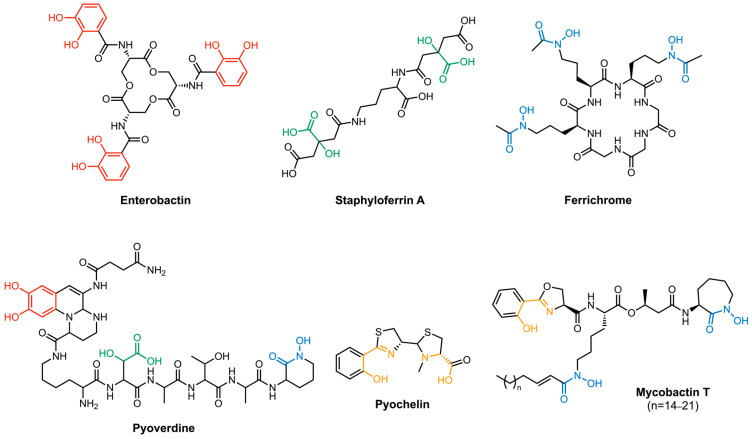
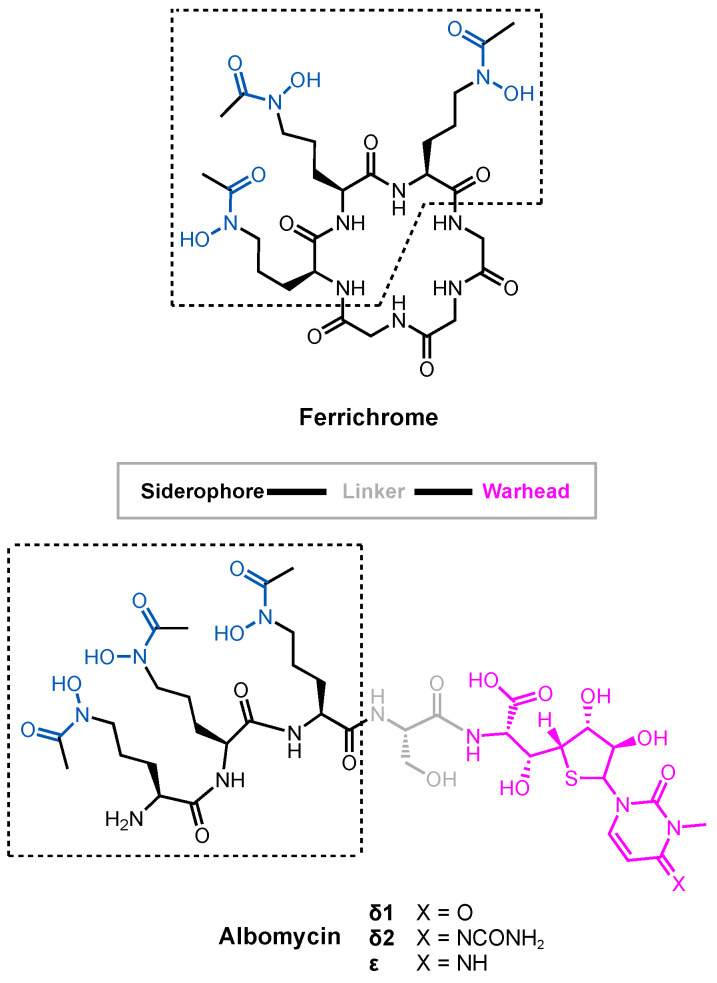
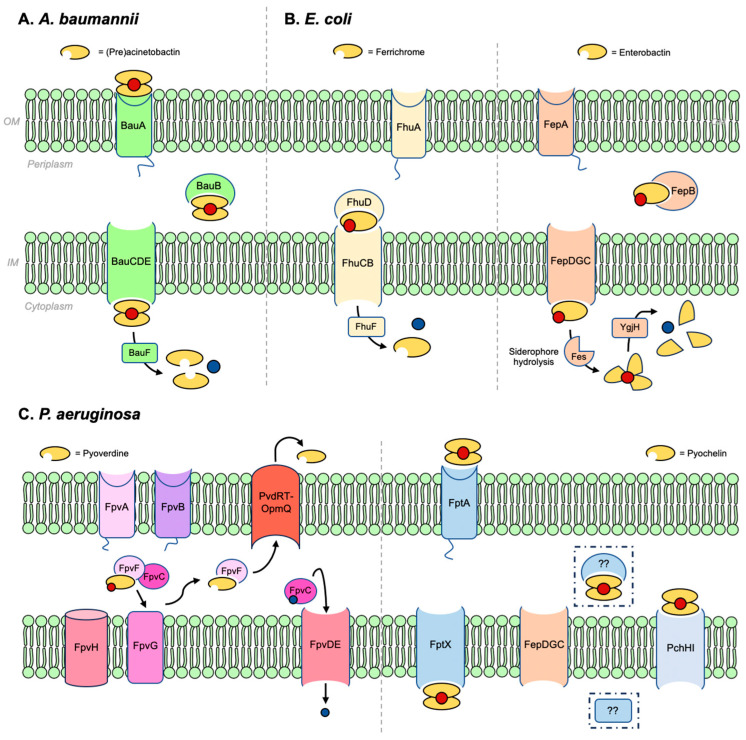
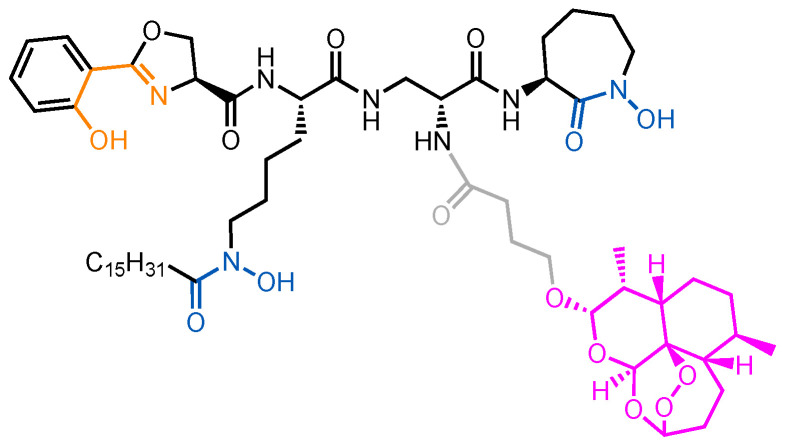
This review strives to assemble a set of molecular design principles that enables the delivery of antibiotic warheads to Gram-negative bacterial targets (ESKAPE pathogens) using iron-chelating siderophores, known as the Trojan Horse strategy for antibiotic development. Principles are derived along two main lines. First, archetypical siderophores and their conjugates are used as case studies for native iron transport. They enable the consideration of the correspondence of iron transport and antibacterial target location. The second line of study charts the rationale behind the clinical antibiotic cefiderocol. It illustrates the potential versatility for the design of new Trojan Horse-based antibiotics. Themes such as matching the warhead to a location where the siderophore delivers its cargo (i.e., periplasm vs. cytoplasm), whether or not a cleavable linker is required, and the relevance of cheaters to the effectiveness and selectivity of new conjugates will be explored. The effort to articulate rules has identified gaps in the current understanding of iron transport pathways and suggests directions for new investigations.
本综述旨在汇集一套分子设计原则,使抗生素弹头能够使用铁螯合的铁载体递送至革兰氏阴性细菌靶标(ESKAPE 病原体),这被称为抗生素开发的“特洛伊木马”策略。这些原则主要有两条主线得出。首先,典型的铁载体及其缀合物被用作天然铁转运的案例研究,使我们能够考虑铁转运与抗菌靶标位置之间的对应关系。其次,研究了临床抗生素头孢他啶的基本原理。它说明了基于“特洛伊木马”的新型抗生素设计的潜在多功能性。将弹头与铁载体输送货物的位置相匹配(即周质与细胞质)、是否需要可裂解的连接子,以及“骗子”对新缀合物的有效性和选择性的相关性等主题,都将得到探讨。阐明规则的努力确定了当前对铁转运途径理解的差距,并为新的研究方向提供了建议。