Department of Orthopedics, The First Affiliated Hospital of Chongqing Medical University, Yuzhong, Chongqing, 400016, China; Orthopaedic Research Laboratory of Chongqing Medical University, Yuzhong, Chongqing, 400016, China.
State Key Laboratory of Ultrasound in Medicine and Engineering, College of Biomedical Engineering, Chongqing Medical University, Yuzhong, Chongqing, 400016, China.
Redox Biol. 2024 Oct;76:103328. doi: 10.1016/j.redox.2024.103328. Epub 2024 Aug 26.
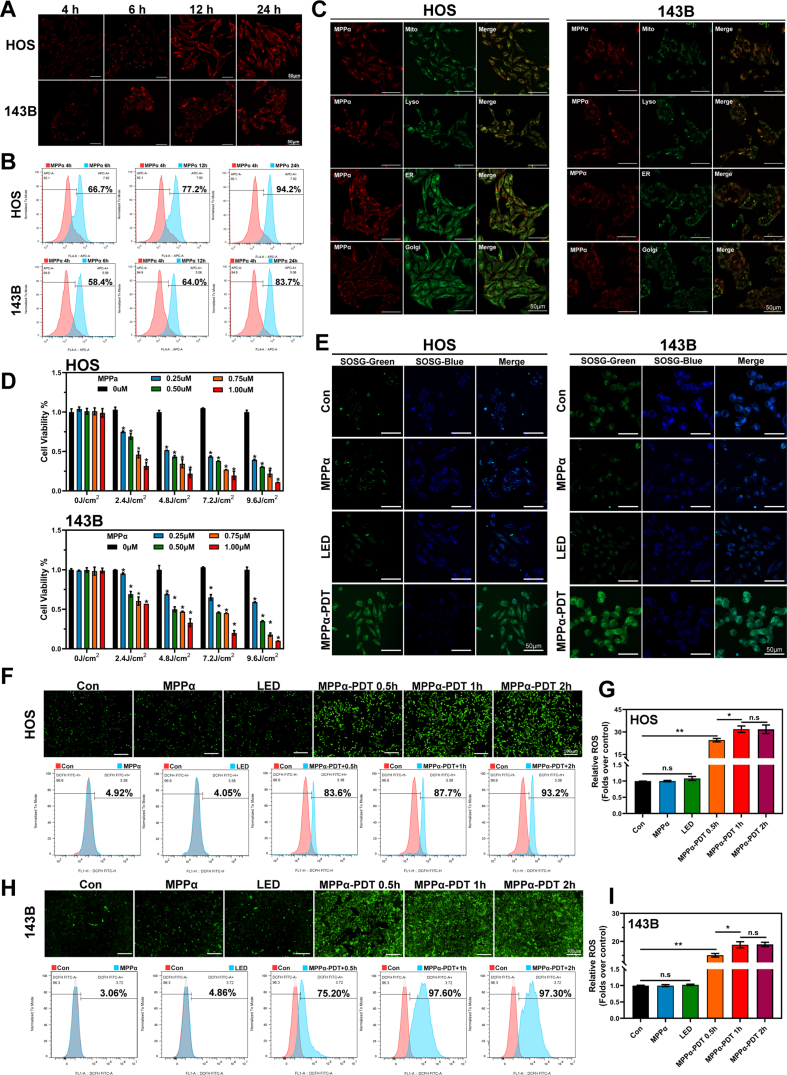
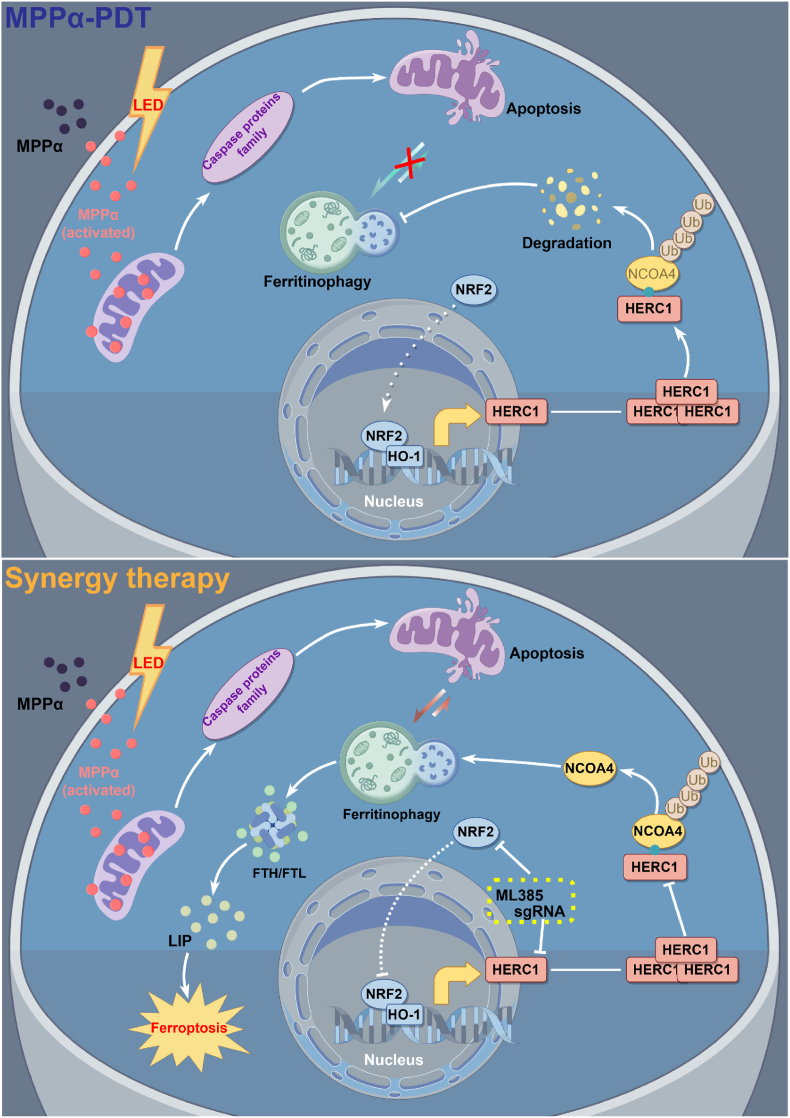
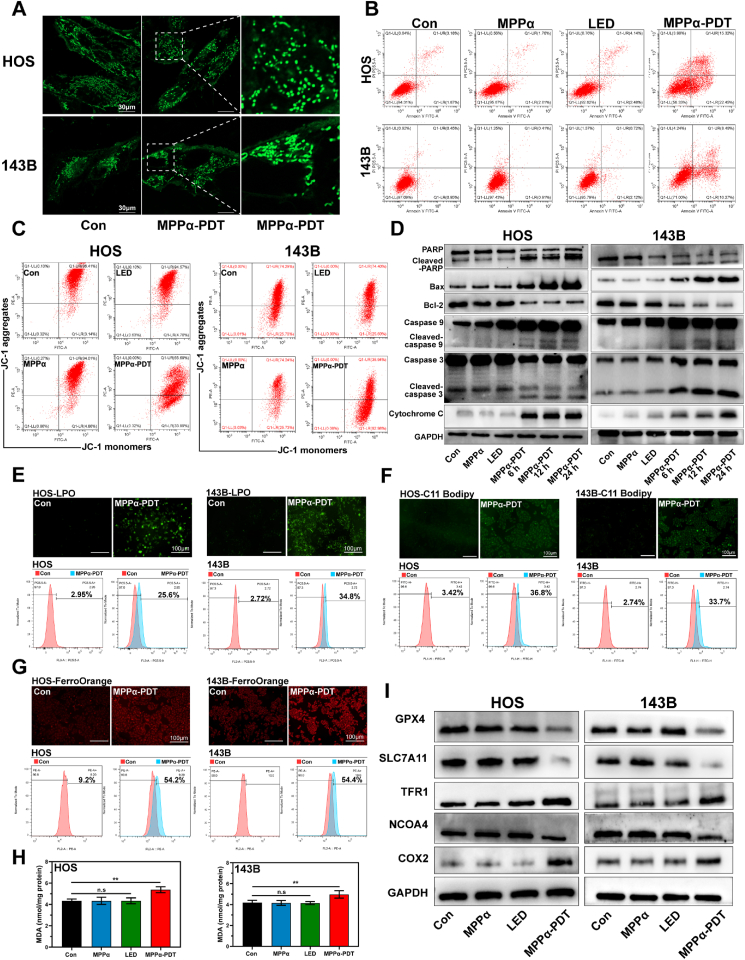
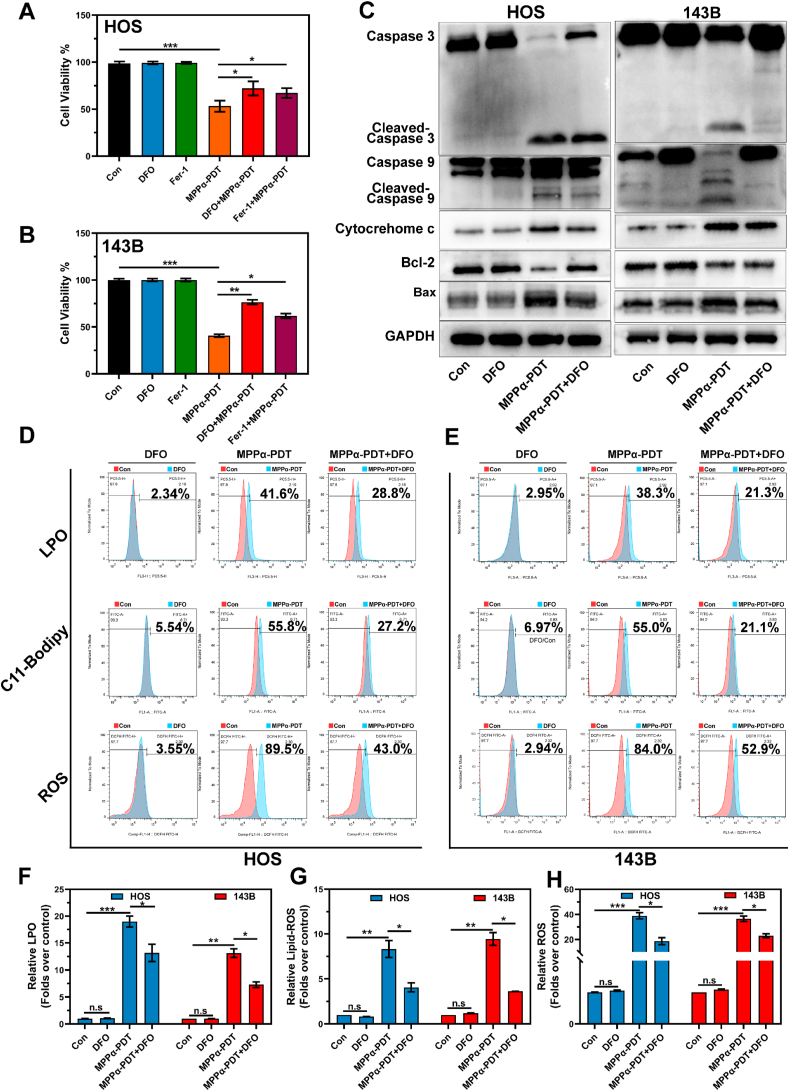
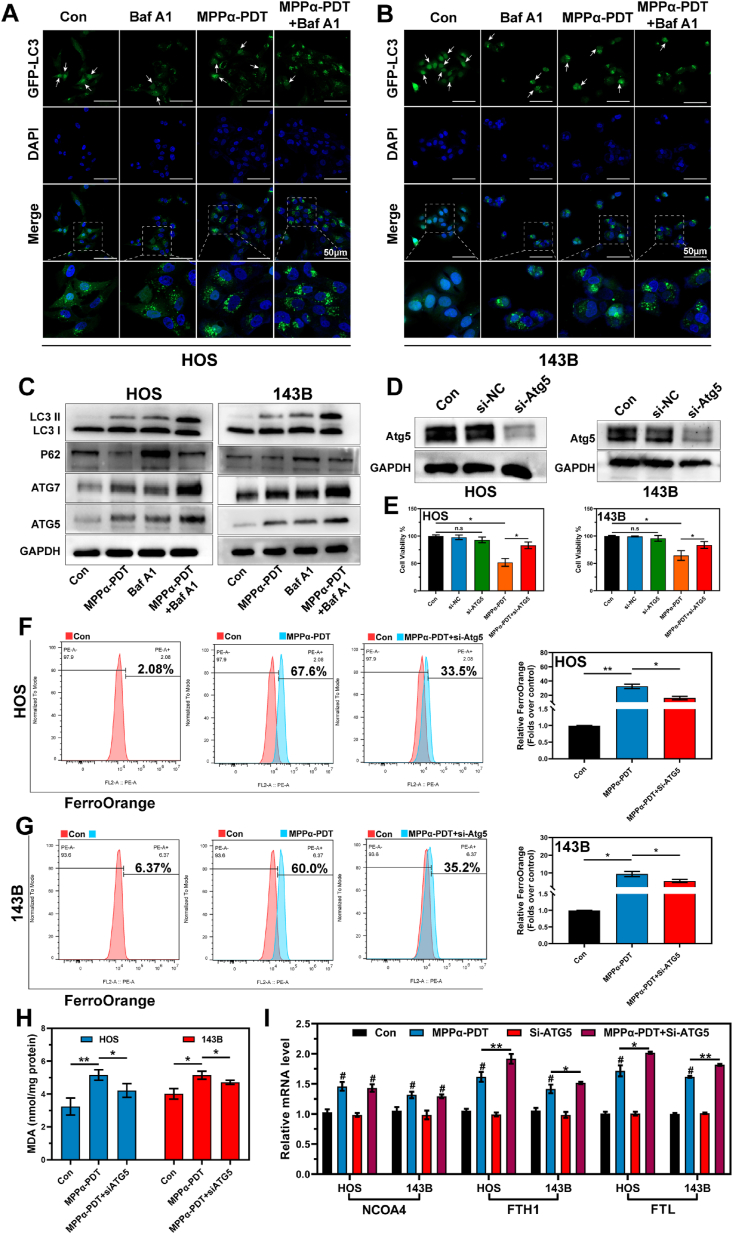
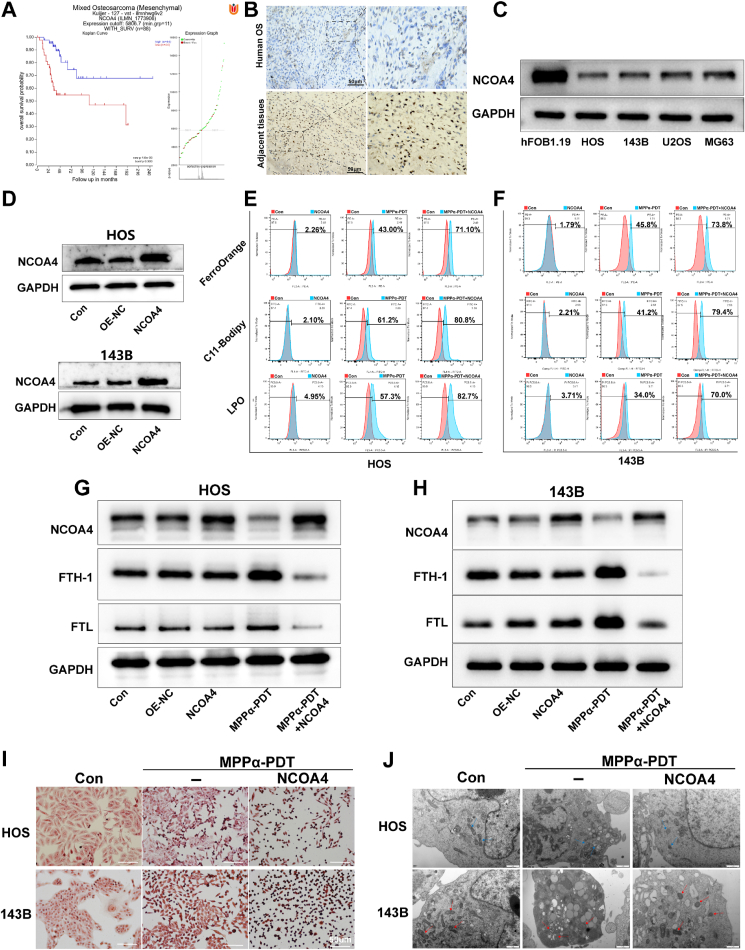
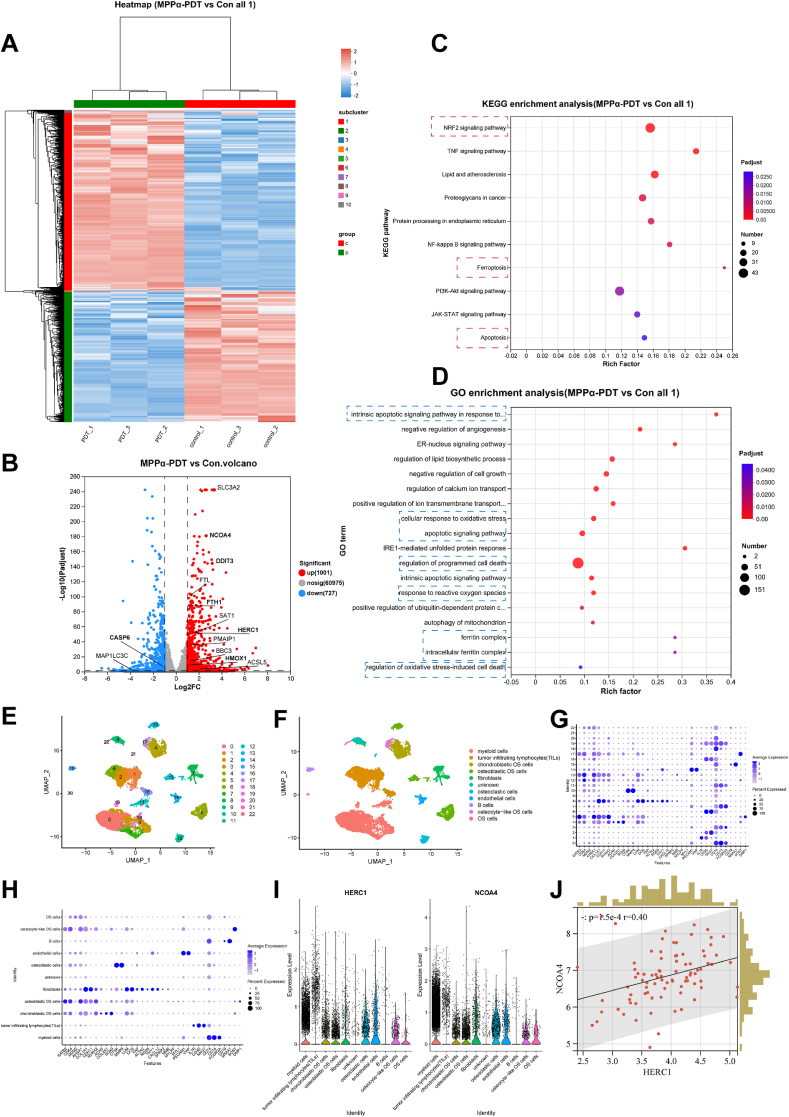
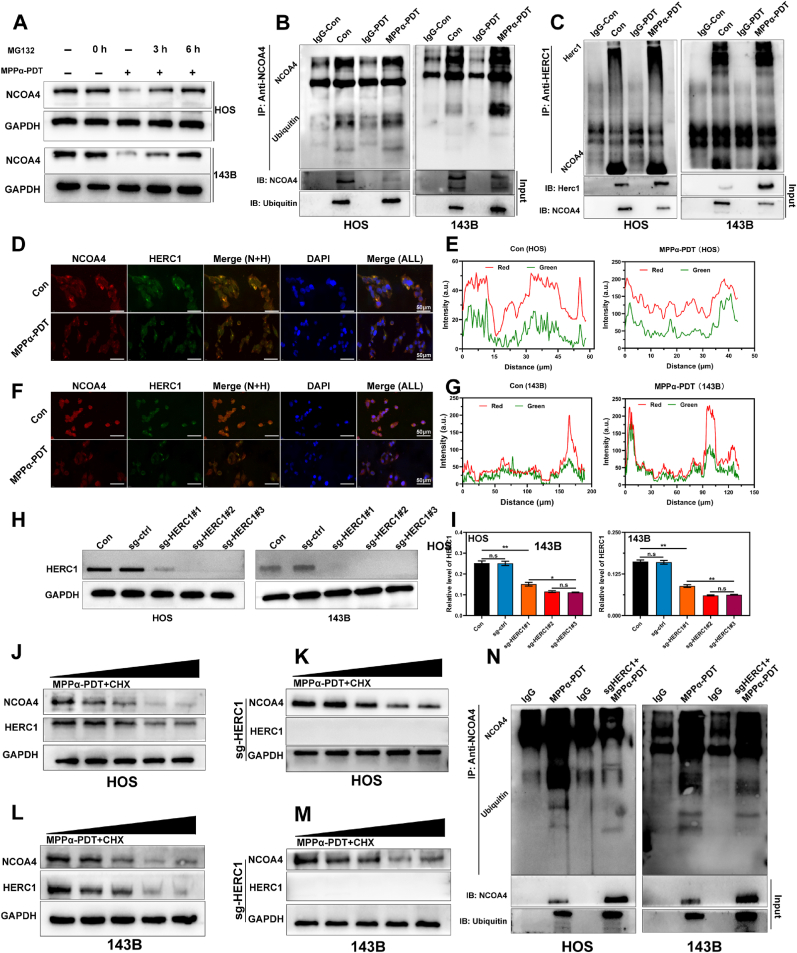
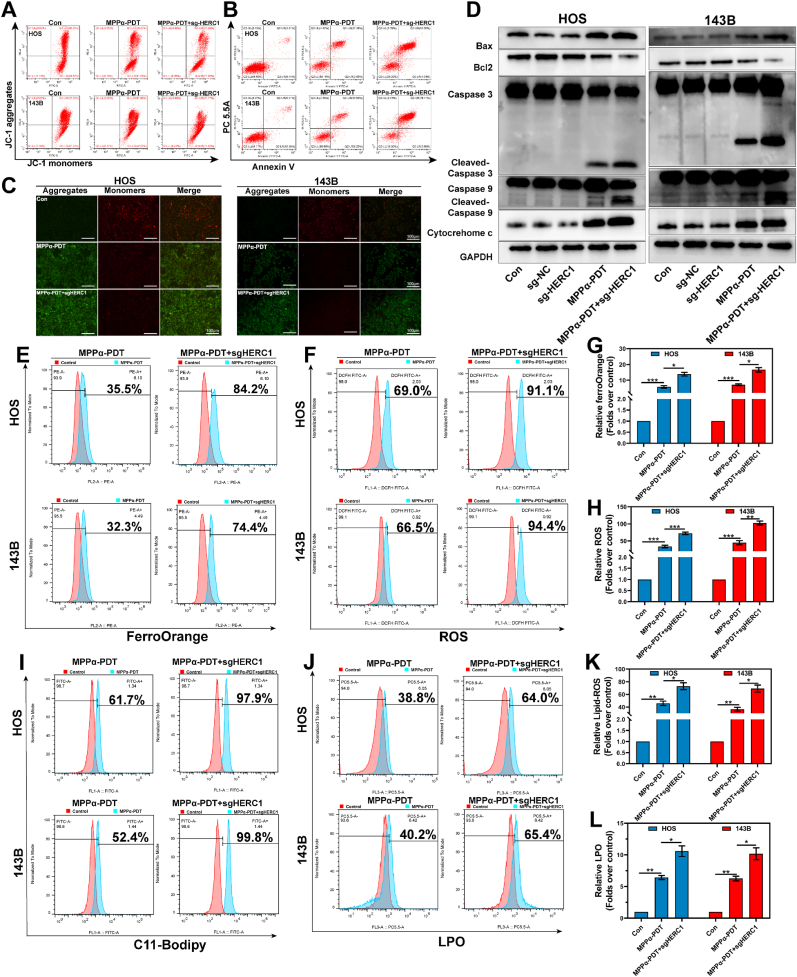
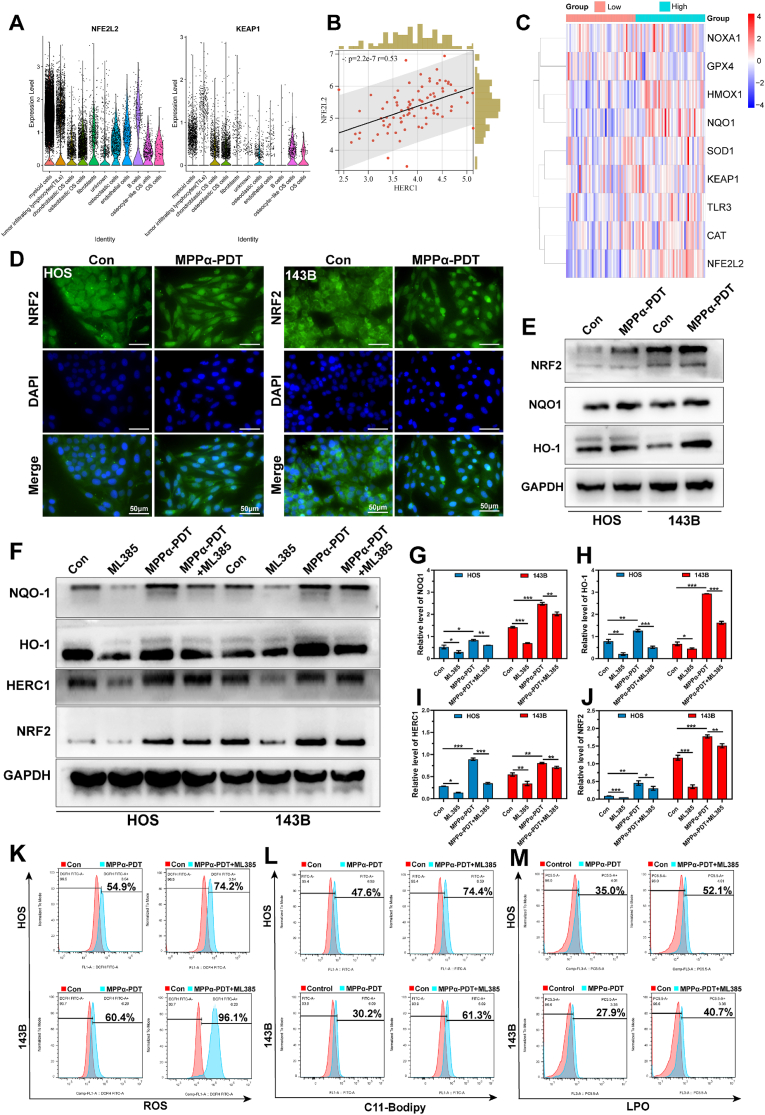
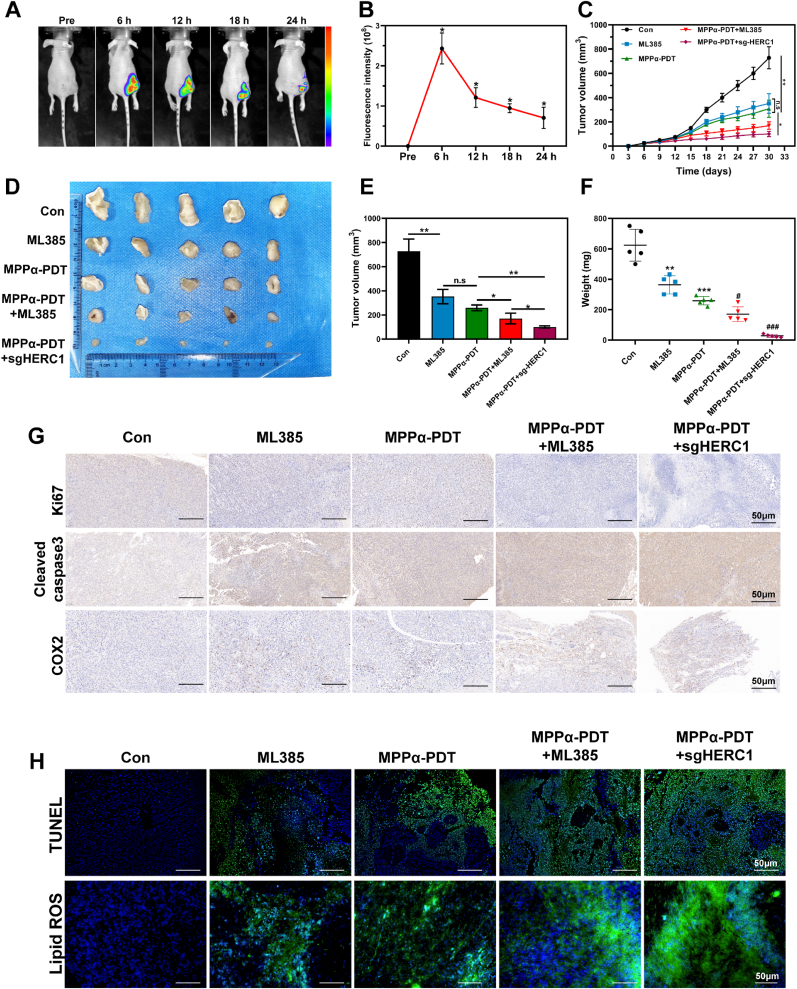
Over the past 30 years, the survival rate for osteosarcoma (OS) has remained stagnant, indicating persistent challenges in diagnosis and treatment. Photodynamic therapy (PDT) has emerged as a novel and promising treatment modality for OS. Despite apoptosis being the primary mechanism attributed to PDT, it fails to overcome issues such as low efficacy and resistance. Ferroptosis, a Fe-dependent cell death process, has the potential to enhance PDT's efficacy by increasing reactive oxygen species (ROS) through the Fenton reaction. In this study, we investigated the anti-tumor mechanism of PDT and introduced an innovative therapeutic strategy that synergistically induces apoptosis and ferroptosis. Furthermore, we have identified HERC1 as a pivotal protein involved in the ubiquitination and degradation of NCOA4, while also uncovering a potential regulatory factor involving NRF2. Ultimately, by targeting the HERC1-NCOA4 axis during PDT, we successfully achieved full activation of ferroptosis, which significantly enhanced the anti-tumor efficacy of PDT. In conclusion, these findings provide new theoretical evidence for further characterizing mechanism of PDT and offer new molecular targets for the treatment of OS.
在过去的 30 年中,骨肉瘤(OS)的存活率一直停滞不前,这表明在诊断和治疗方面仍然存在挑战。光动力疗法(PDT)已成为治疗骨肉瘤的一种新的有前途的治疗方法。尽管细胞凋亡是 PDT 主要的作用机制,但它无法克服疗效低和耐药性等问题。铁死亡,一种依赖铁的细胞死亡过程,通过 Fenton 反应增加活性氧(ROS),有可能增强 PDT 的疗效。在这项研究中,我们研究了 PDT 的抗肿瘤机制,并引入了一种创新的治疗策略,通过协同诱导细胞凋亡和铁死亡来增强疗效。此外,我们已经确定 HERC1 是一种参与 NCOA4 泛素化和降解的关键蛋白,同时还揭示了涉及 NRF2 的潜在调节因子。最终,通过在 PDT 期间靶向 HERC1-NCOA4 轴,我们成功地实现了铁死亡的完全激活,这显著增强了 PDT 的抗肿瘤疗效。总之,这些发现为进一步研究 PDT 的机制提供了新的理论依据,并为骨肉瘤的治疗提供了新的分子靶点。