Sremac Jasenka, Bošnjak Marija, Firi Karmen Fio, Šimičević Ana, Aščić Šimun
University of Zagreb, Faculty of Science, Department of Geology, Horvatovac 102B, 10000 Zagreb, Croatia.
Croatian Natural History Museum, Demetrova 1, 10000 Zagreb, Croatia.
AIMS Microbiol. 2024 Aug 8;10(3):644-673. doi: 10.3934/microbiol.2024030. eCollection 2024.
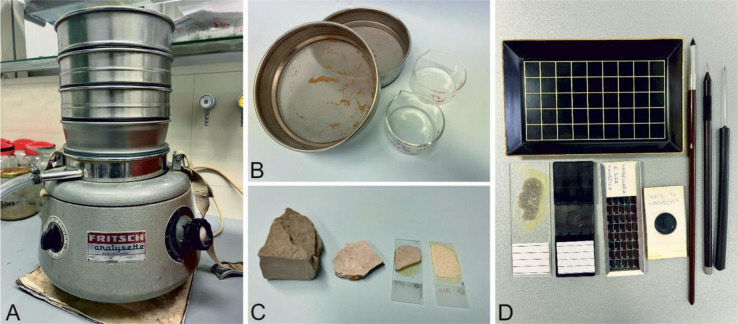
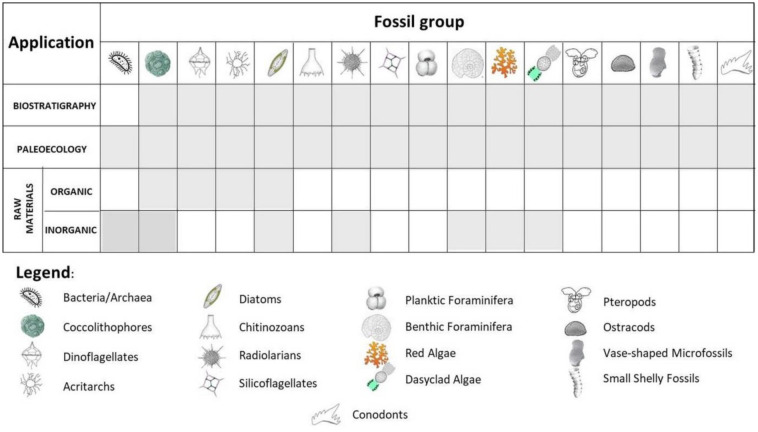
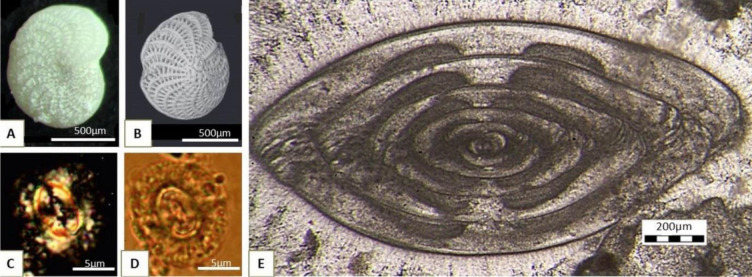
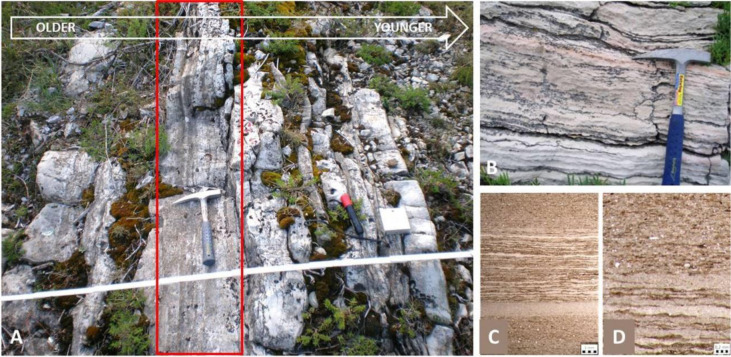
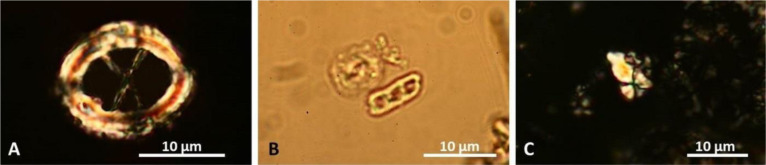
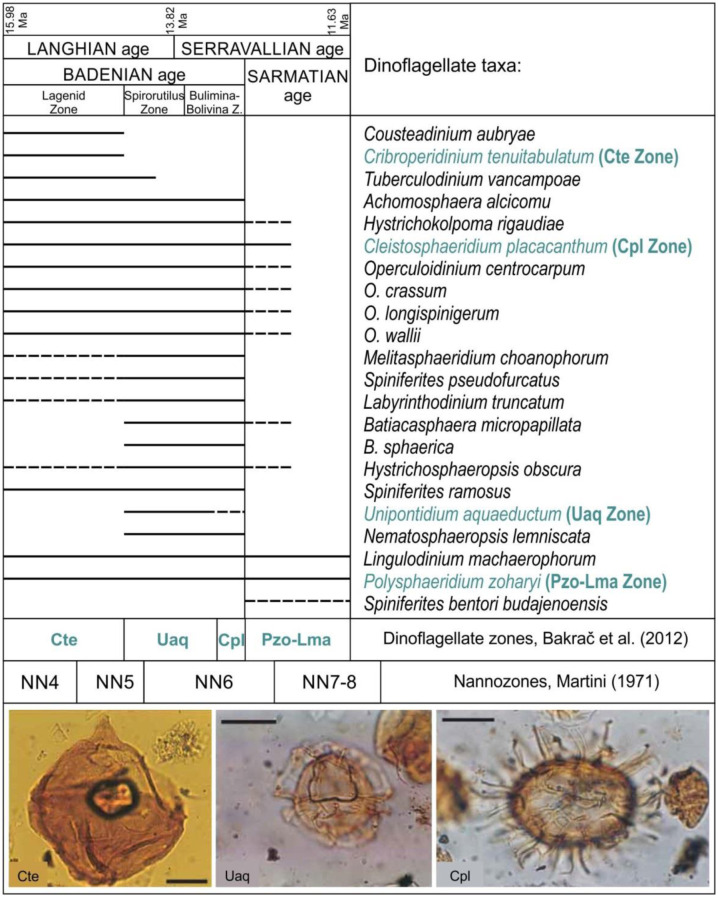
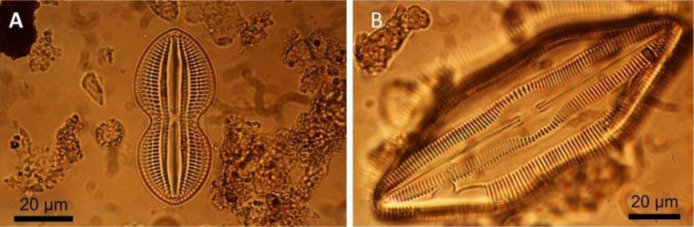
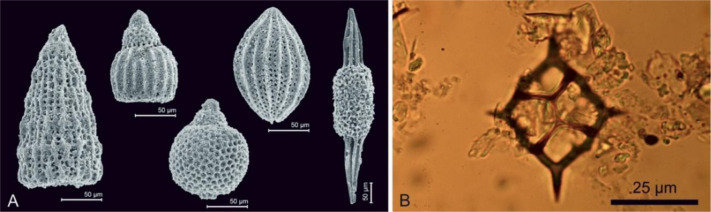
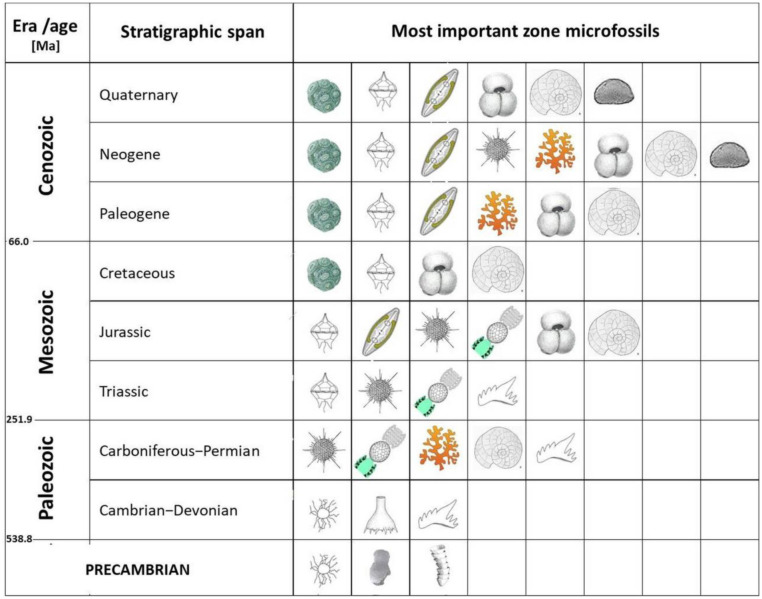
Microorganisms have inhabited the oceans since the dawn of Earth. Some of them have organic walls and some produce mineral tests that are usually composed of carbonate minerals or silica. They can therefore be preserved with original parts during sedimentary deposition or fossilized through permineralization or carbonization processes. The most common marine fossil groups studied by micropaleontologists are cyanobacteria, coccolithophores, dinoflagellates, diatoms, silicoflagellates, radiolarians, foraminifers, red and green algae, ostracods, and pteropods. Dormant or reproductive cysts can also be used for determinations of the fossil microbiota. Microfossils can be studied in petrographic slides prepared from rocks or separated from loosely consolidated rocks by disaggregation or dissolution and wet sieving. Their presence is sometimes recognized by biomarkers. Transmitted light microscopy and reflected light stereomicroscopy are necessary for micropaleontological studies whereas scanning electronic microscopy (SEM) aids research on the tiniest fossils and reveals fine skeletal details. Microorganisms have influenced the oxygenation of water and the atmosphere, as well as Earth's carbon cycle and have contributed to the formation of sedimentary rocks. By studying microfossils, paleontologists depict the age of the rock and identify depositional environments. Such studies help us recognize periods of stress in Earth's history and understand their influence on living organisms. Biogenic rocks, made of microfossils, can be used as raw materials, such as fossil fuels, building stone, or additives for the food industry, agricultural, or cosmetic purposes.
自地球诞生以来,海洋中就一直存在着微生物。其中一些微生物具有有机细胞壁,还有一些会产生通常由碳酸盐矿物或二氧化硅组成的矿质外壳。因此,它们在沉积过程中可以保持原有部分,或者通过矿化作用或碳化过程形成化石。微古生物学家研究的最常见的海洋化石类群包括蓝细菌、颗石藻、甲藻、硅藻、硅鞭藻、放射虫、有孔虫、红藻和绿藻、介形虫以及翼足类动物。休眠或生殖性的孢囊也可用于确定化石微生物群。微化石可以在从岩石制备的岩相薄片中进行研究,或者通过分解、溶解和湿筛从松散固结的岩石中分离出来。它们的存在有时可以通过生物标志物来识别。透射光显微镜和反射光立体显微镜是微古生物学研究的必备工具,而扫描电子显微镜(SEM)则有助于研究最小的化石并揭示精细的骨骼细节。微生物影响了水和大气的氧化作用以及地球的碳循环,并对沉积岩的形成起到了促进作用。通过研究微化石,古生物学家可以描绘岩石的年代并确定沉积环境。此类研究有助于我们认识地球历史上的压力时期,并了解它们对生物的影响。由微化石构成的生物源岩可用作原材料,如化石燃料、建筑石材,或用于食品工业、农业或化妆品用途的添加剂。