Borges Kleiton S, Little Donald W, Magalhães Taciani de Almeida, Ribeiro Claudio, Dumontet Typhanie, Lapensee Chris, Basham Kaitlin J, Seth Aishwarya, Azova Svetlana, Guagliardo Nick A, Barrett Paula Q, Berber Mesut, O'Connell Amy E, Turcu Adina F, Lerario Antonio Marcondes, Mohan Dipika R, Rainey William, Carlone Diana L, Hirschhorn Joel N, Salic Adrian, Breault David T, Hammer Gary D
Division of Endocrinology, Boston Children's Hospital, Boston, MA, 02115, USA.
Department of Pediatrics, Harvard Medical School, Boston, MA, 02115, USA.
bioRxiv. 2024 Aug 24:2024.08.23.609423. doi: 10.1101/2024.08.23.609423.
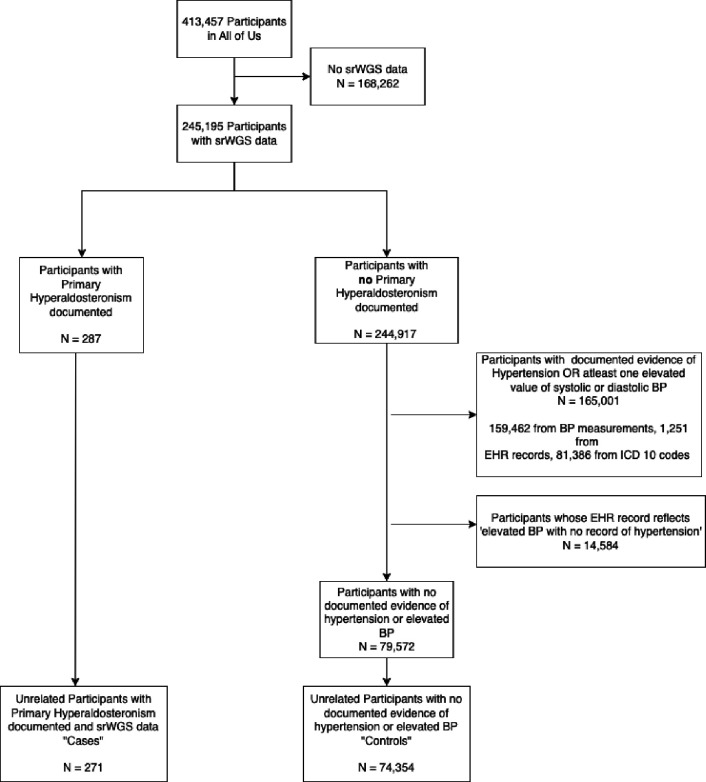
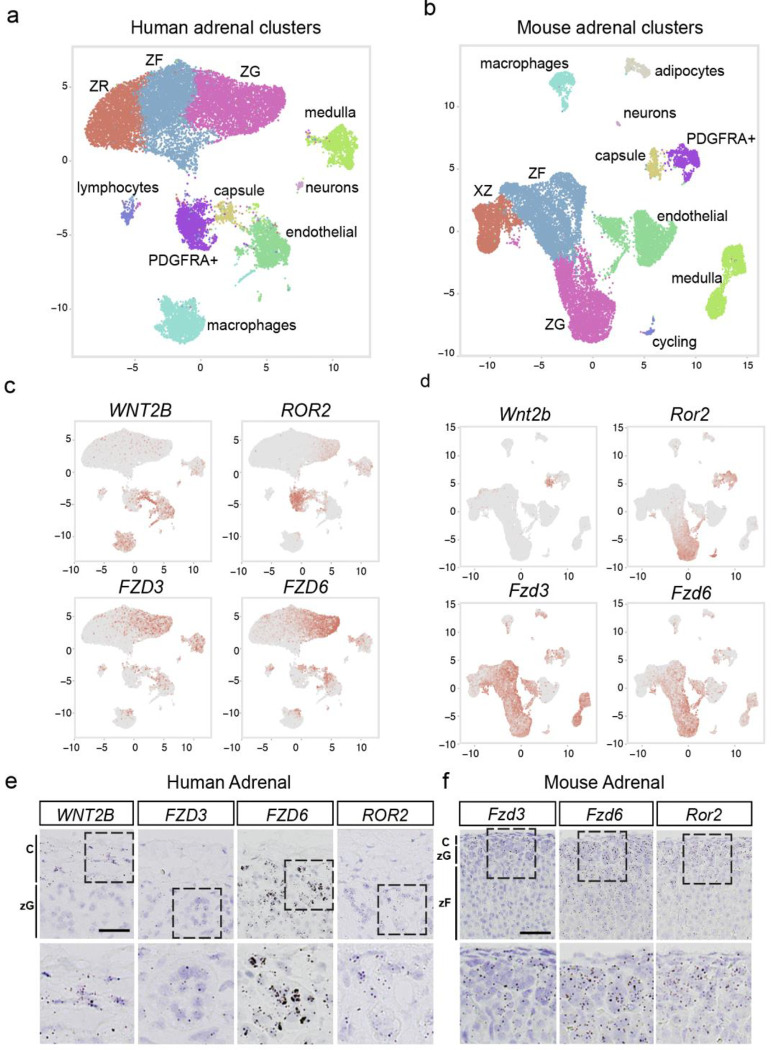
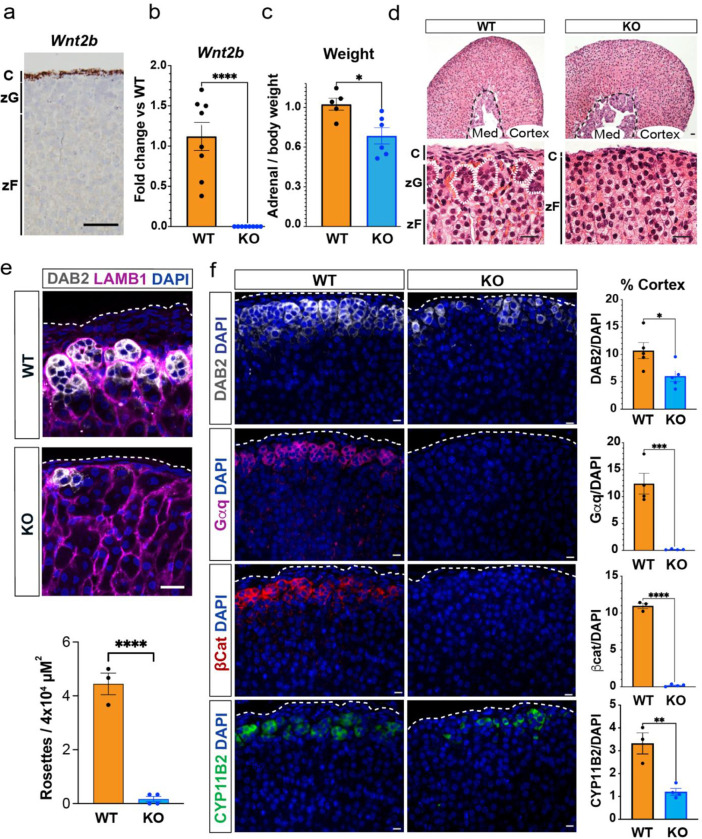
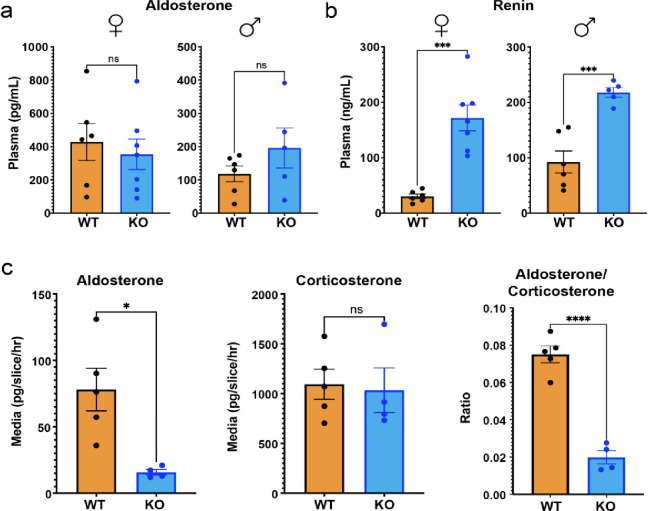
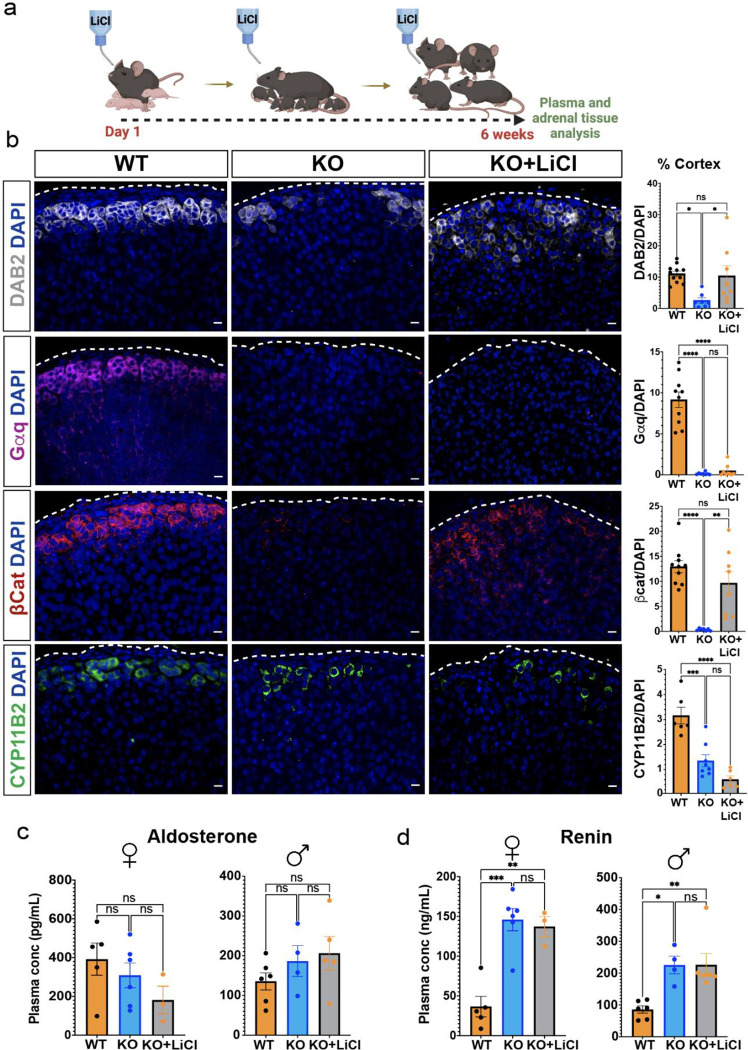
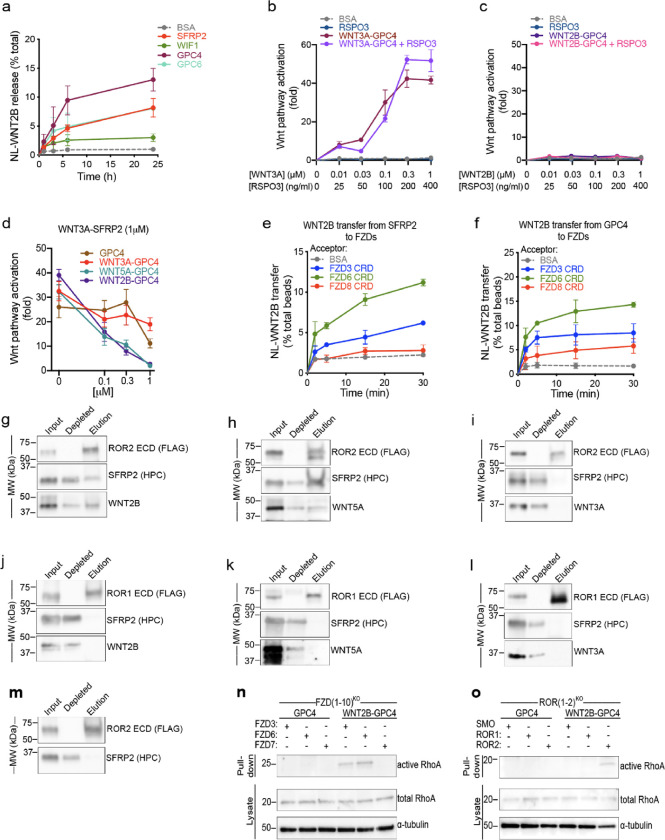
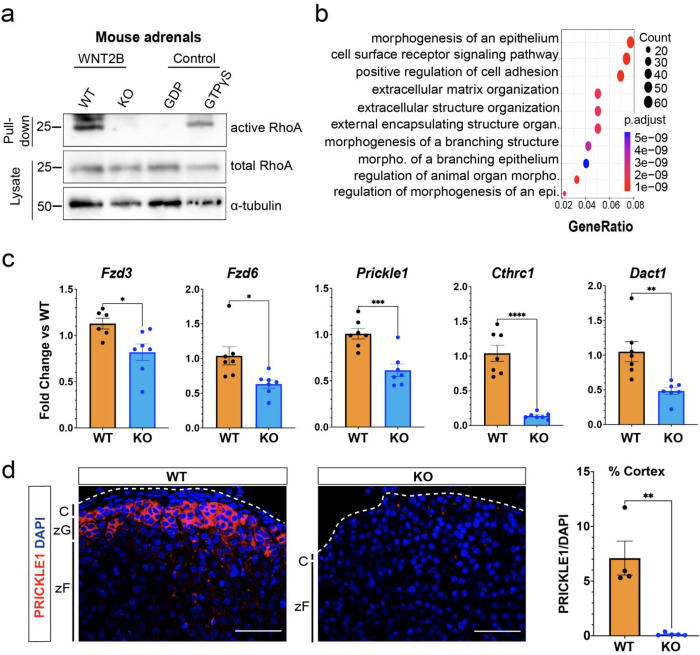
The steroid hormone aldosterone, produced by the zona glomerulosa (zG) of the adrenal gland, is a master regulator of plasma electrolytes and blood pressure. While aldosterone control by the renin-angiotensin system is well understood, other key regulatory factors have remained elusive. Here, we replicated a prior association between a non-coding variant in and an increased risk of primary aldosteronism, a prevalent and debilitating disease caused by excessive aldosterone production. We further show that in both mice and humans, WNT2B is expressed in the mesenchymal capsule surrounding the adrenal cortex, in close proximity to the zG. Global loss of in the mouse results in a dysmorphic and hypocellular zG, with impaired aldosterone production. Similarly, humans harboring loss-of-function mutations develop a novel form of Familial Hyperreninemic Hypoaldosteronism, designated here as Type 4. Additionally, we demonstrate that WNT2B signals by activating the non-canonical Wnt/planar cell polarity pathway. Our findings identify WNT2B as a key regulator of zG function and aldosterone production with important clinical implications.
由肾上腺球状带(zG)产生的类固醇激素醛固酮是血浆电解质和血压的主要调节因子。虽然肾素 - 血管紧张素系统对醛固酮的控制已得到充分了解,但其他关键调节因子仍不清楚。在这里,我们重复了先前关于[基因名称]中一个非编码变异与原发性醛固酮增多症风险增加之间的关联,原发性醛固酮增多症是一种由醛固酮过度产生引起的常见且使人衰弱的疾病。我们进一步表明,在小鼠和人类中,WNT2B在肾上腺皮质周围的间充质囊中表达,紧邻球状带。小鼠中[基因名称]的整体缺失导致球状带形态异常且细胞减少,醛固酮产生受损。同样,携带[基因名称]功能丧失突变的人类会发展出一种新型的家族性高肾素性低醛固酮血症,在此称为4型。此外,我们证明WNT2B通过激活非经典Wnt/平面细胞极性途径发出信号。我们的研究结果确定WNT2B是球状带功能和醛固酮产生的关键调节因子,具有重要的临床意义。