University Institute of Public Health, Faculty of Allied Health Sciences, The University of Lahore, Lahore, Pakistan.
Preventive Dental Sciences Department, College of Dentistry, King Faisal University, 31982, Hofuf, Al-Ahsa, Saudi Arabia.
Sci Rep. 2024 Sep 4;14(1):20613. doi: 10.1038/s41598-024-71120-z.
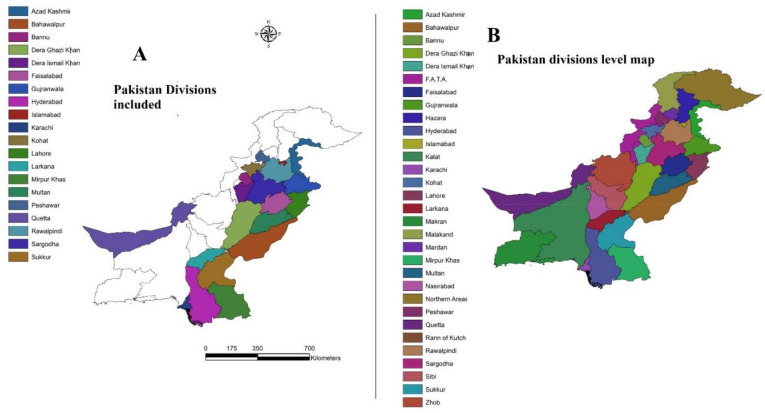
Hyperlipidemia significantly contributes to the risk of developing cardiovascular diseases. However, about half of the patients do not adhere to their antihyperlipidemic medications, leading to healthcare costs and premature mortality. This study's objective was to determine the prevalence and associated factors of non-adherence to antihyperlipidemic medications. The study covered hypertensive patients (21,451) aged 21-75 years, presenting to the primary and secondary healthcare facilities across Pakistan (covering 21 divisions) from January 2022 to April 2023. The outcome intended was non-adherence to antihyperlipidemic medication, which was assessed by SEAMS and pill-counting methods (non-adherence < 80%). The study found overall non-adherence to antihyperlipidemic medication of 60.6% across Pakistan, with the highest non-adherence rates found in Azad Jammu and Kashmir (71.9%) and the lowest in Islamabad (47.7%). Multivariable logistic regression analysis revealed that female, no health card (Sehat Sahulat Program government insurance), < 5 years of illness, < 5 daily medications, and dose frequency of twice daily revealed a positively significant association with non-adherence. While monthly income 51,000-100,000, graduation level of education, Muhajir, and hyperlipidemia with one comorbid condition had a significant negative association with the non-adherence. Antihyperlipidemic non-adherence is a multifaceted, multifactorial, profound problem requiring a multipronged approach.
高血脂显著增加了心血管疾病的发病风险。然而,大约一半的患者无法坚持使用降脂药物,导致医疗费用增加和过早死亡。本研究旨在确定不遵医嘱使用降脂药物的流行率及其相关因素。该研究纳入了 2022 年 1 月至 2023 年 4 月期间,来自巴基斯坦各地(覆盖 21 个地区)初级和二级医疗保健机构的 21,451 名年龄在 21-75 岁的高血压患者。研究的结局指标是不遵医嘱使用降脂药物,采用 SEAMS 和药片计数法评估(不遵医嘱 < 80%)。研究发现,巴基斯坦整体不遵医嘱使用降脂药物的比例为 60.6%,其中阿扎德查谟和克什米尔(71.9%)的不遵医嘱率最高,伊斯兰堡(47.7%)的不遵医嘱率最低。多变量逻辑回归分析显示,女性、无健康卡(Sehat Sahulat Program 政府保险)、患病时间 < 5 年、每日服药 < 5 剂以及每日服药两次的剂量频率与不遵医嘱呈正相关。而每月收入 51,000-100,000 卢比、大学毕业、Muhajir 族裔和伴有一种合并症的高血脂与不遵医嘱呈负相关。不遵医嘱使用降脂药物是一个多方面、多因素、严重的问题,需要采取多管齐下的方法。