Azam Faisal, Alharbi Hulayel, Alshangiti Abdulraheem, Zar Gul Abdul Rehman, Bukhari Nedal, Ouda Mohamed, Anwar Hussain Syed, Ibnshamsah Fahad
Department of Adult Medical Oncology, King Fahad Specialist Hospital, Dammam, SAU.
Department of Medical Oncology, National Cancer Center of Care and Research, Doha, QAT.
Cureus. 2024 Aug 9;16(8):e66520. doi: 10.7759/cureus.66520. eCollection 2024 Aug.
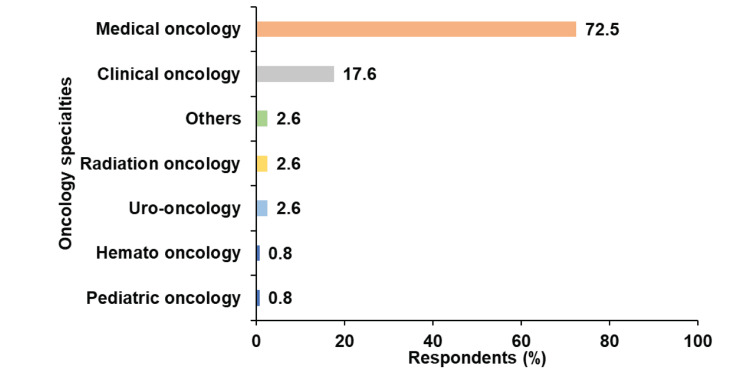
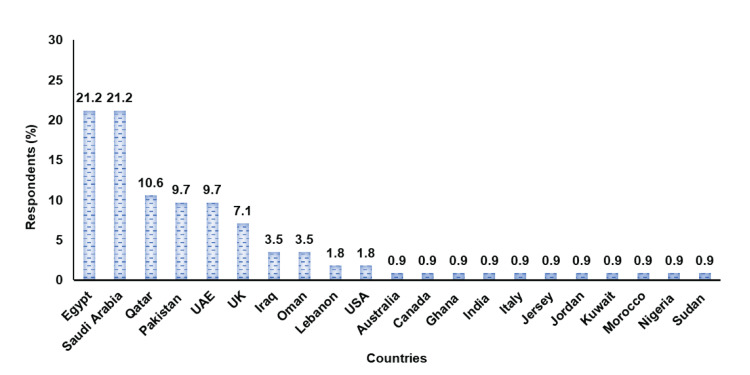
Introduction Bladder cancer is one of the most prevalent cancers worldwide, with significant morbidity and mortality rates. Treatment options for metastatic urothelial carcinoma (mUC) primarily include platinum-based chemotherapy. Cisplatin-based chemotherapy is conventionally used for treating mUC, but many patients are ineligible due to various factors such as poor performance status, creatinine clearance, neuropathy, and cardiac function. Carboplatin-based therapy is another alternative, which typically yields less favorable outcomes. Some centers use split-dose cisplatin for treating patients with comorbidities and impaired renal function, broadening cisplatin's spectrum. While eligibility criteria for full-dose cisplatin are well-established, those for split-dose cisplatin and carboplatin lack strong evidence. This study aims to assess the recommended criteria for full-dose cisplatin, split-dose cisplatin, and carboplatin regimens in real-world settings, including hematological parameters for patients with mUC. Methods A cross-sectional web-based survey was conducted among 136 oncologists from 21 countries, assessing criteria such as creatinine clearance, Eastern Cooperative Oncology Group (ECOG) performance status (PS), neurotoxicity, hearing loss, heart failure classification, and hematological parameters. Results The survey revealed diverse preferences among 113 oncologists treating mUC, regarding the eligibility criteria for each chemotherapy regimen with 81% prioritizing full-dose cisplatin, 21% split-dose cisplatin, and 14% carboplatin regimens. Criteria for all three regimens included specific thresholds. For full-dose cisplatin, the preferred criteria included creatinine clearance ≥60 mL/min, ECOG PS ≤1, grade 1 neuropathy, grade 1 deafness, New York Heart Association (NYHA) heart failure ≤class II with ≥50% cardiac ejection fraction, and normal blood parameters. Split-dose cisplatin criteria were creatinine clearance ≥40 mL/min, ECOG PS ≤2, grade 1 neuropathy, grade 1 deafness, NYHA heart failure ≤class II with ≥50% cardiac ejection fraction, and normal blood parameters. Carboplatin eligibility criteria were creatinine clearance ≥30, ECOG PS ≤2, grade ≤2 neuropathy, grade ≤2 deafness, NYHA heart failure ≤class II with ≥50% cardiac ejection fraction, and normal blood parameters. Hematological parameters were deemed crucial for all regimens, particularly stringent for carboplatin-based chemotherapy. Conclusion The study underscores the importance of renal function and hematological parameters in determining chemotherapy eligibility for patients with mUC. It highlights the importance of precise treatment criteria in mUC management, with hematological factors playing a significant role. Standardized criteria and further research are warranted to optimize treatment outcomes and minimize adverse events associated with chemotherapy regimens. Understanding the preferences of oncologists globally can facilitate tailored treatment approaches and improve patient care in the management of mUC.
引言
膀胱癌是全球最常见的癌症之一,发病率和死亡率都很高。转移性尿路上皮癌(mUC)的治疗选择主要包括铂类化疗。基于顺铂的化疗传统上用于治疗mUC,但由于各种因素,如身体状况不佳、肌酐清除率、神经病变和心功能等,许多患者不符合条件。基于卡铂的治疗是另一种选择,但其疗效通常较差。一些中心使用分剂量顺铂治疗合并症和肾功能受损的患者,扩大了顺铂的适用范围。虽然全剂量顺铂的适用标准已经明确,但分剂量顺铂和卡铂的适用标准缺乏有力证据。本研究旨在评估在实际临床环境中全剂量顺铂、分剂量顺铂和卡铂方案的推荐标准,包括mUC患者的血液学参数。
方法
对来自21个国家的136名肿瘤学家进行了一项基于网络的横断面调查,评估肌酐清除率、东部肿瘤协作组(ECOG)体能状态(PS)、神经毒性、听力丧失、心力衰竭分级和血液学参数等标准。
结果
调查显示,在113名治疗mUC的肿瘤学家中,对于每种化疗方案的适用标准存在不同偏好,81%的人优先选择全剂量顺铂方案,21%选择分剂量顺铂方案,14%选择卡铂方案。所有三种方案的标准都包括特定阈值。对于全剂量顺铂,首选标准包括肌酐清除率≥60 mL/min、ECOG PS≤1、1级神经病变、1级耳聋、纽约心脏协会(NYHA)心力衰竭≤II级且心脏射血分数≥50%以及血液参数正常。分剂量顺铂的标准是肌酐清除率≥40 mL/min、ECOG PS≤2、1级神经病变、1级耳聋、NYHA心力衰竭≤II级且心脏射血分数≥50%以及血液参数正常。卡铂的适用标准是肌酐清除率≥30、ECOG PS≤2、神经病变≤2级、耳聋≤2级、NYHA心力衰竭≤II级且心脏射血分数≥50%以及血液参数正常。血液学参数被认为对所有方案都至关重要,对基于卡铂的化疗尤为严格。
结论
该研究强调了肾功能和血液学参数在确定mUC患者化疗适用性方面的重要性。它突出了精确治疗标准在mUC管理中的重要性,血液学因素起着重要作用。需要标准化标准和进一步研究以优化治疗结果并尽量减少与化疗方案相关的不良事件。了解全球肿瘤学家的偏好有助于制定个性化治疗方法并改善mUC管理中的患者护理。