Medical Faculty, Department of Cardiovascular Surgery and Research Group for Experimental Surgery, Cardiovascular Regenerative Medicine and Tissue Engineering 3D Lab, Heinrich Heine University, Düsseldorf, Germany.
Reproductive Biology and Toxicology Research Laboratory, Oasis of Grace Hospital, Osogbo, Nigeria.
PLoS One. 2024 Sep 9;19(9):e0307396. doi: 10.1371/journal.pone.0307396. eCollection 2024.
Since the discovery of COVID-19 in December 2019, the novel virus has spread globally causing significant medical and socio-economic burden. Although the pandemic has been curtailed, the virus and its attendant complication live on. A major global concern is its adverse impact on male fertility.
This study was aimed to give an up to date and robust data regarding the effect of COVID-19 on semen variables and male reproductive hormones.
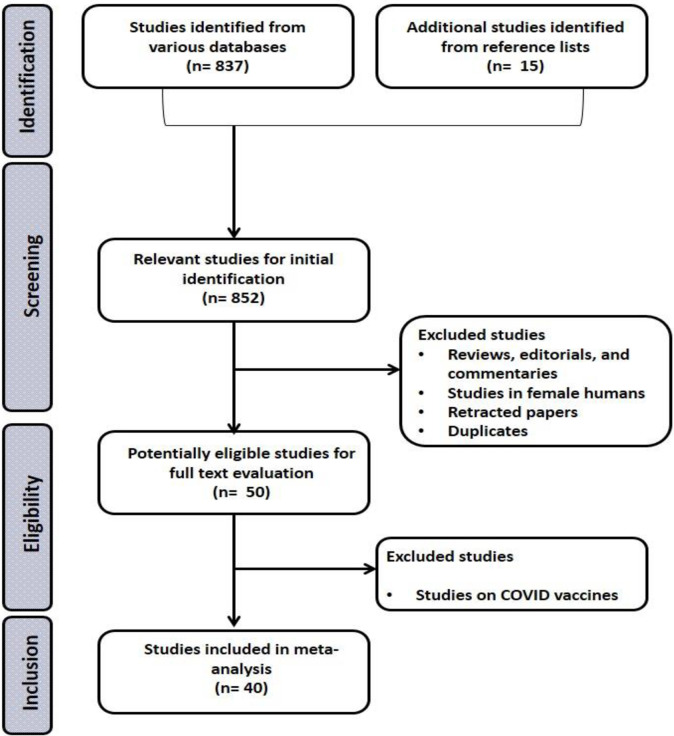
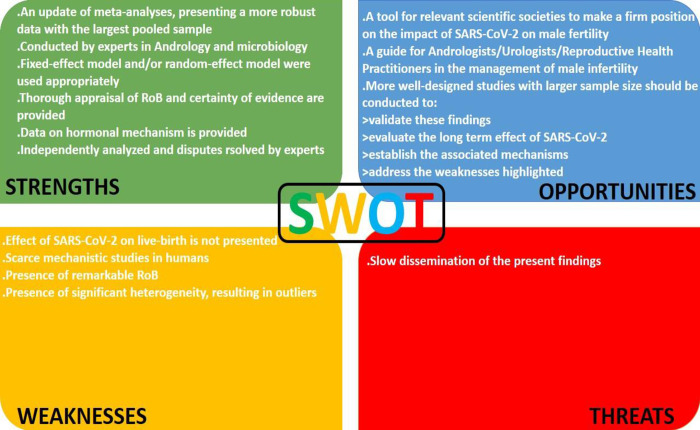
Literature search was performed according to the recommendations of PRISMA. Out of the 852 studies collected, only 40 were eligible for inclusion in assessing the effect SARS-CoV-2 exerts on semen quality and androgens. More so, a SWOT analysis was conducted.
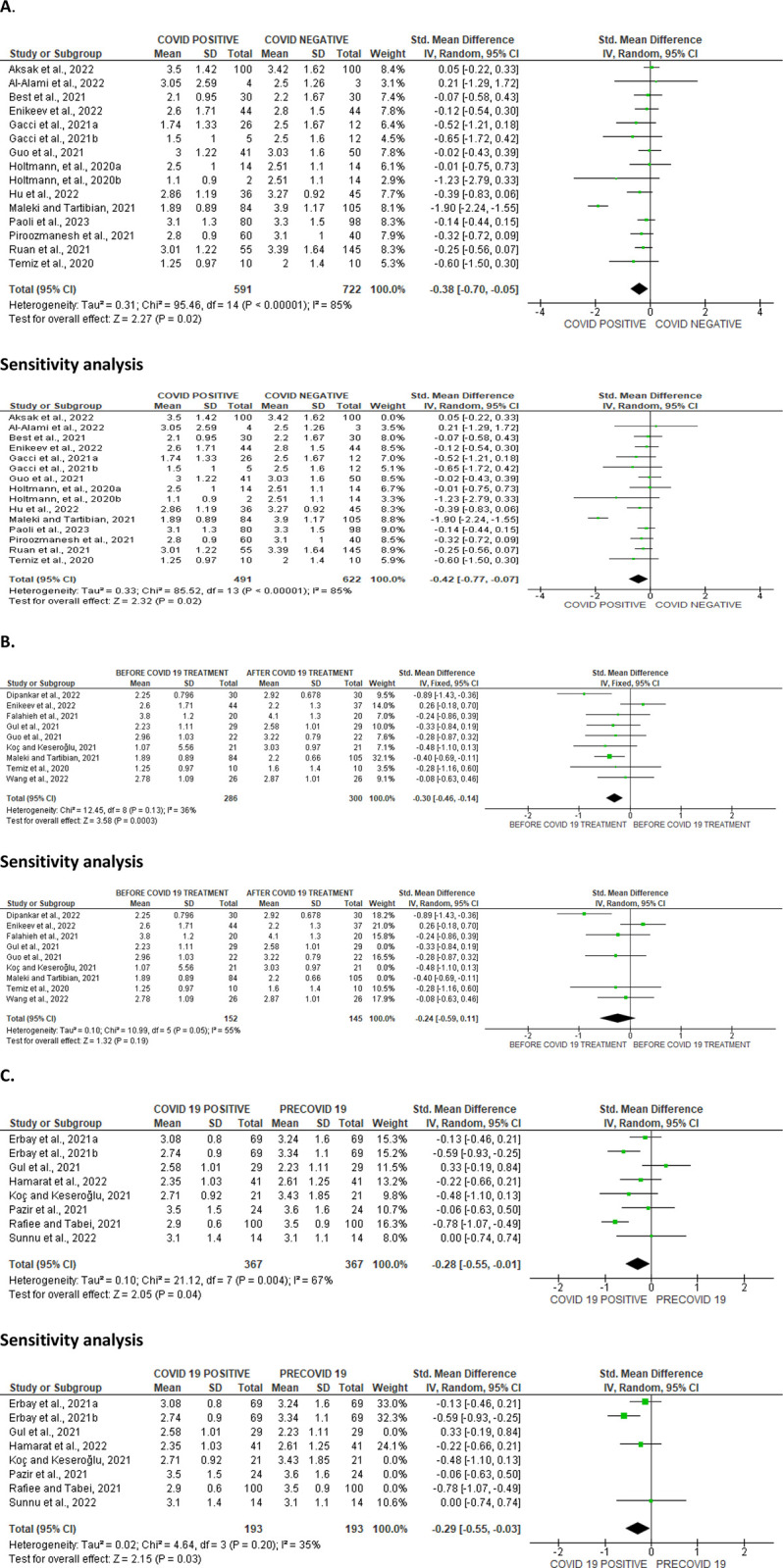
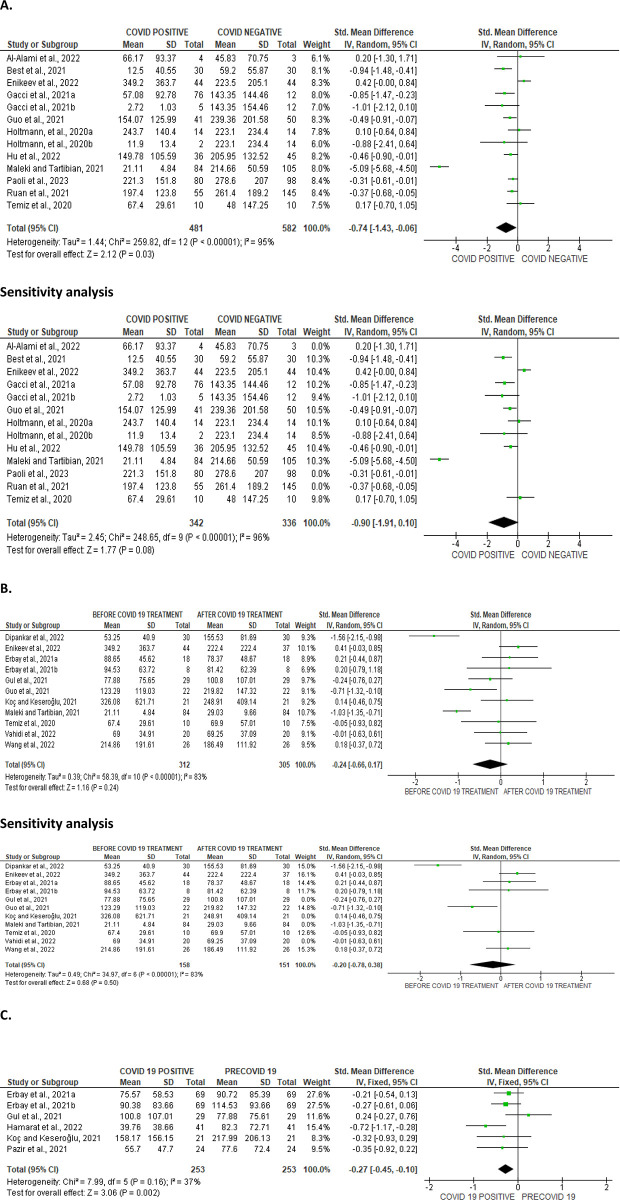
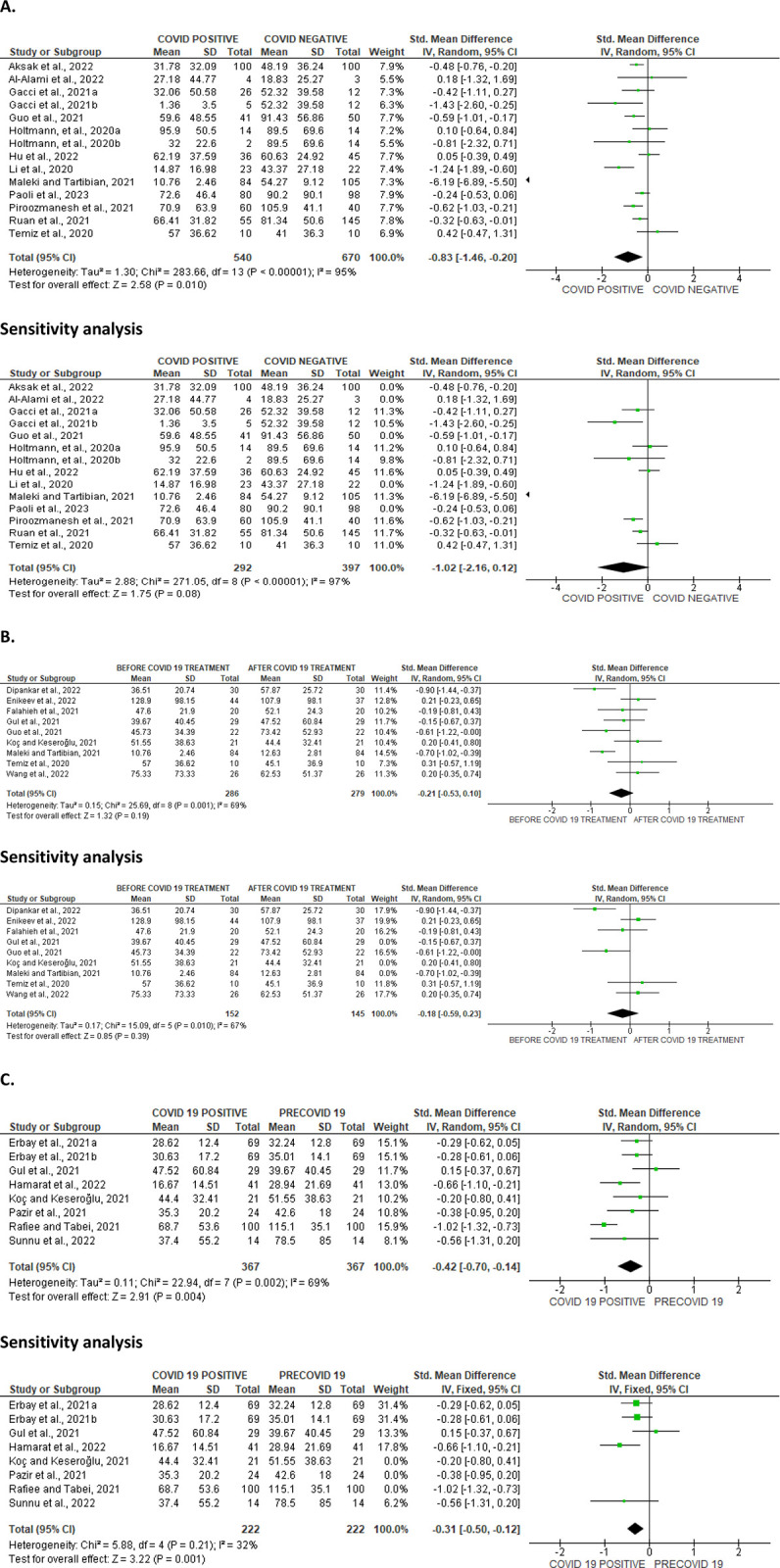
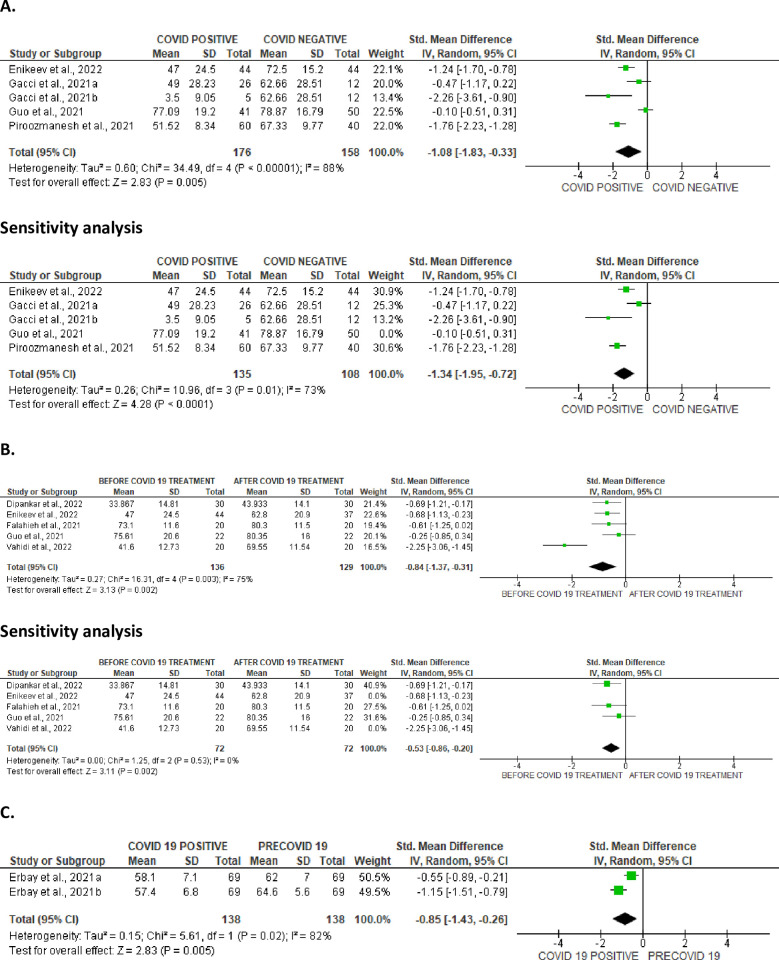
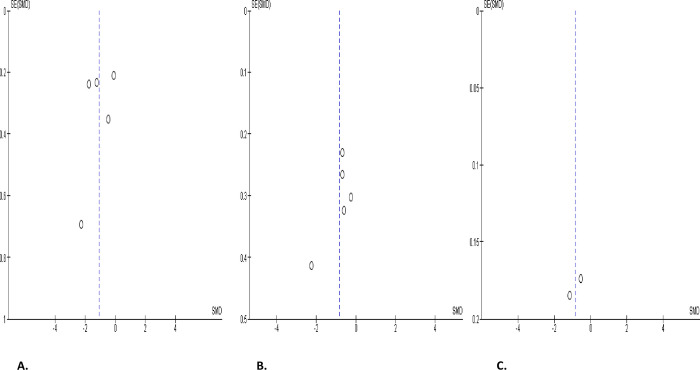
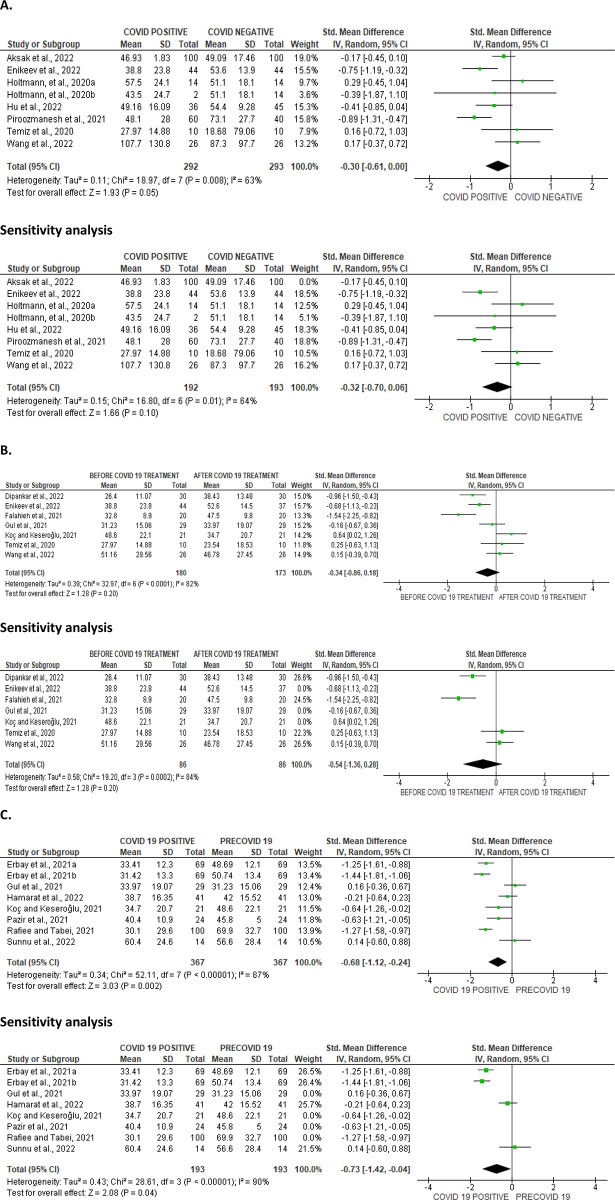
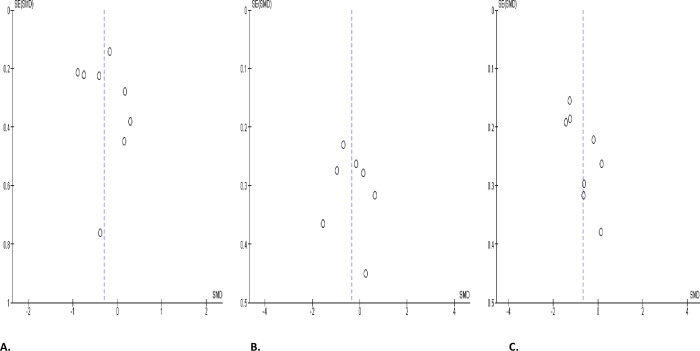
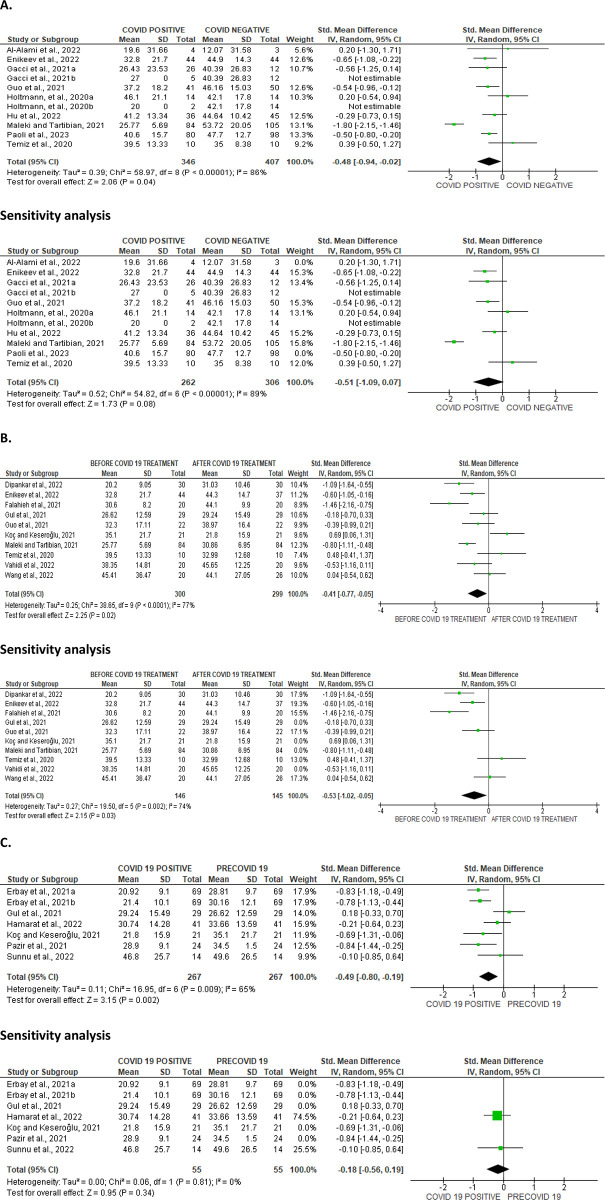
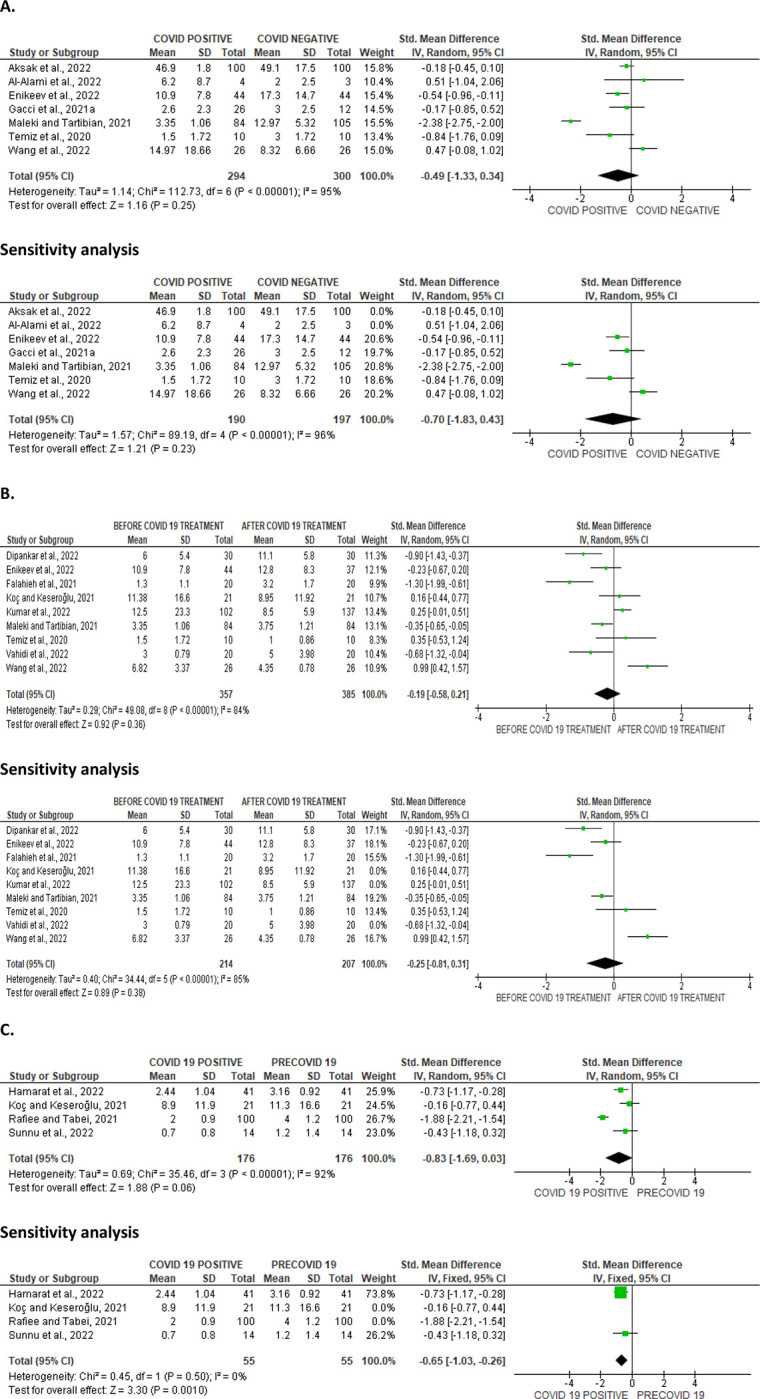
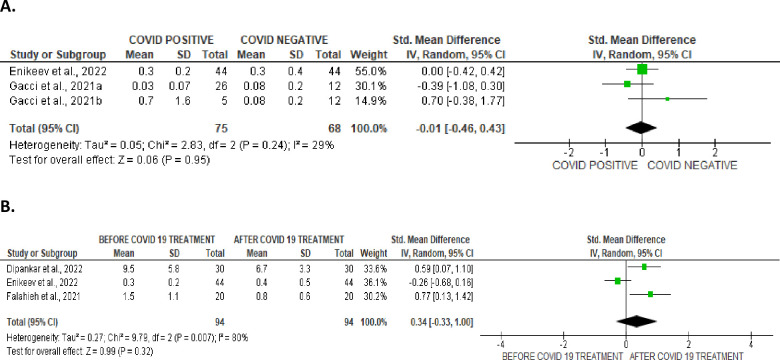
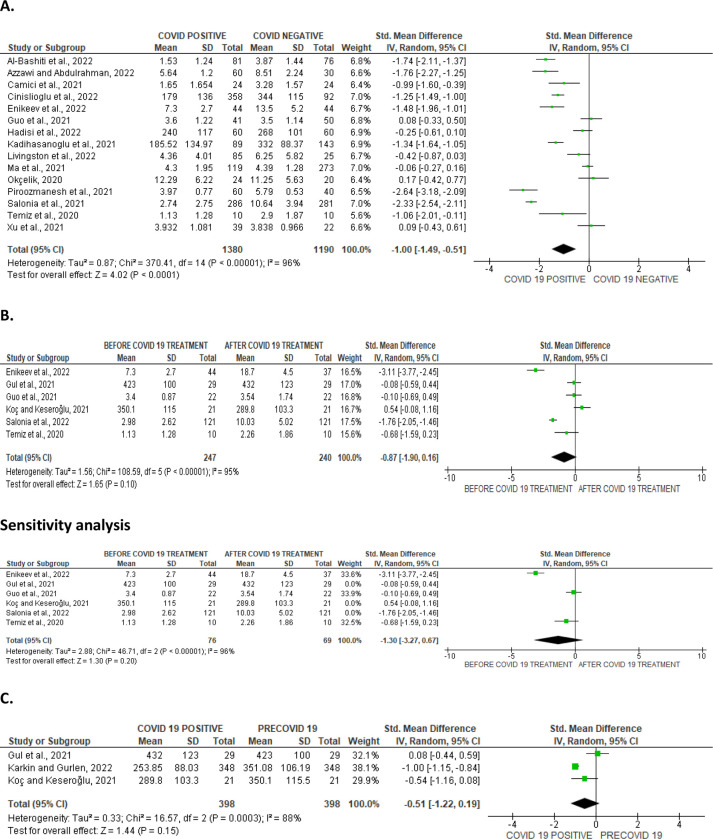
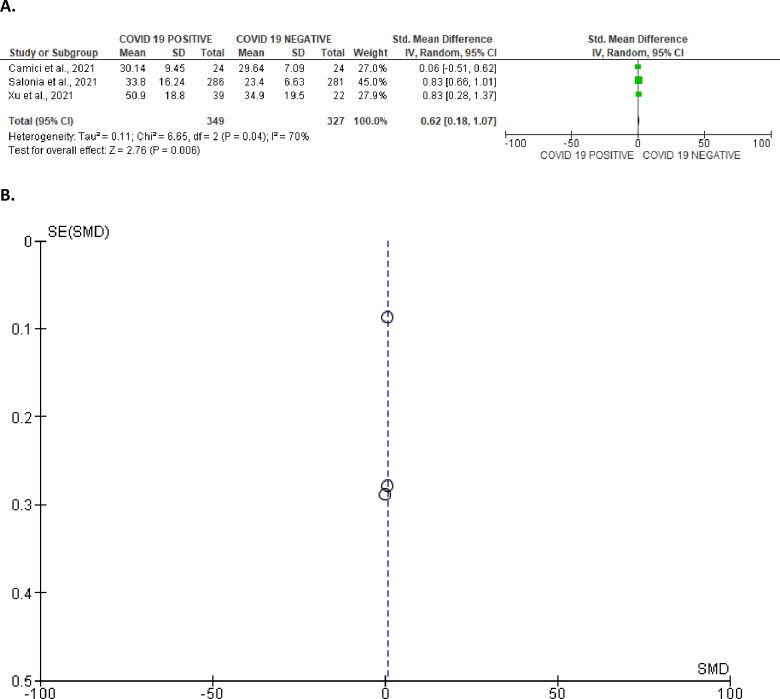
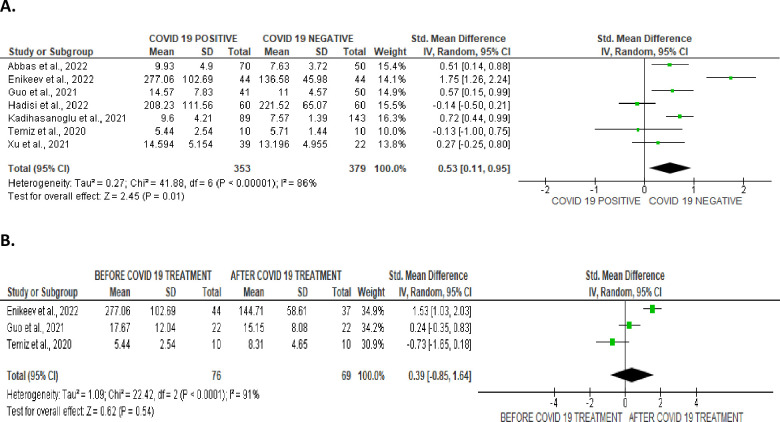
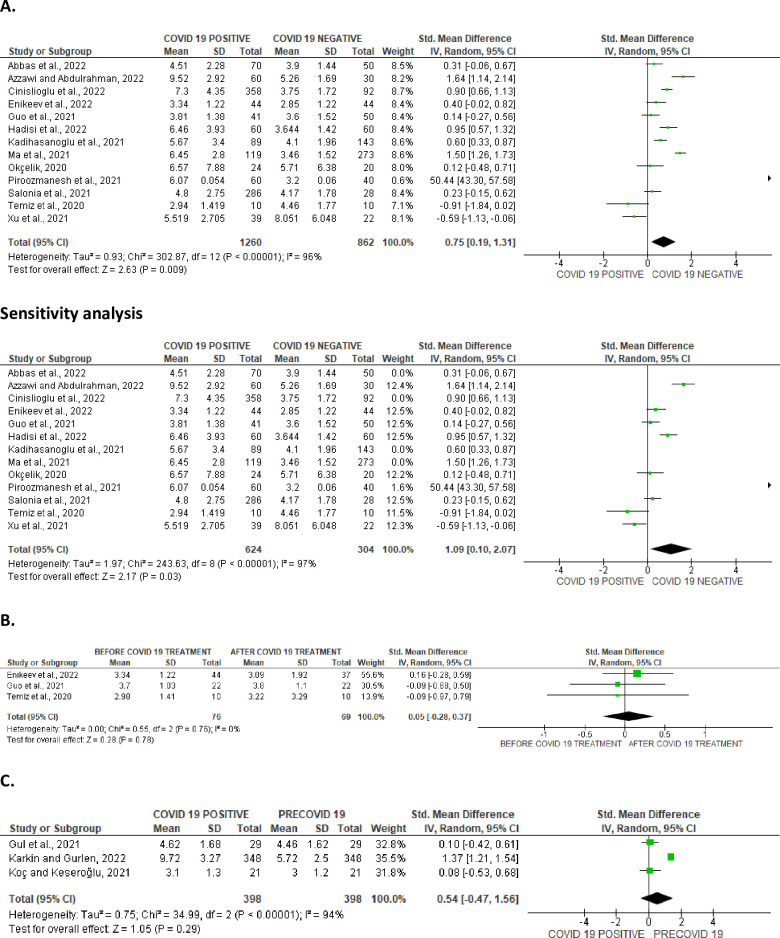
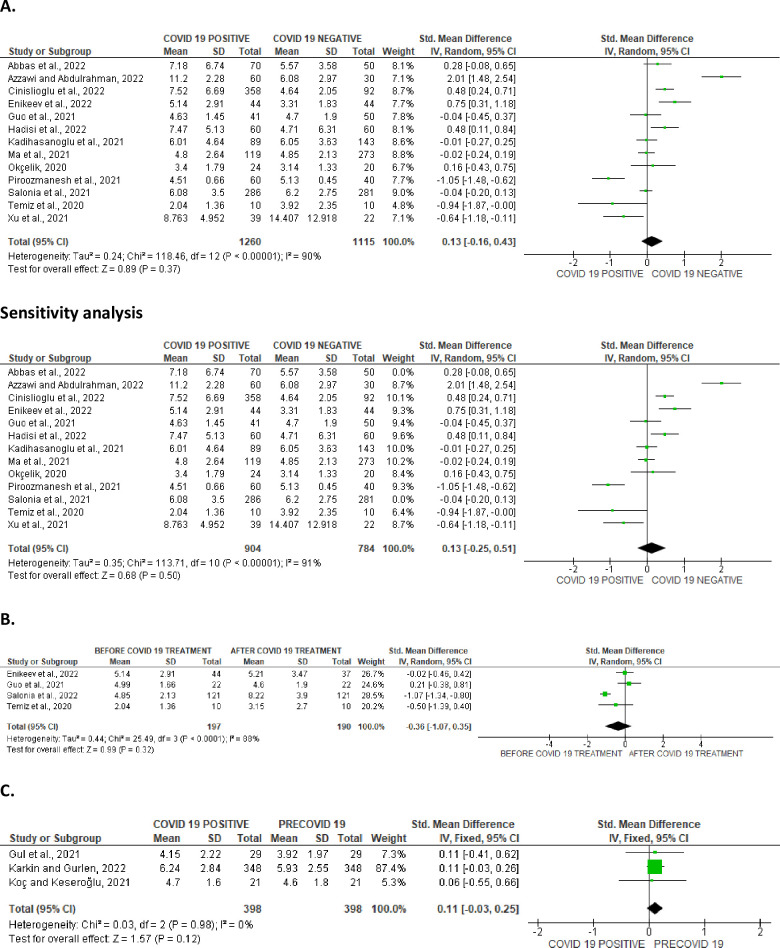
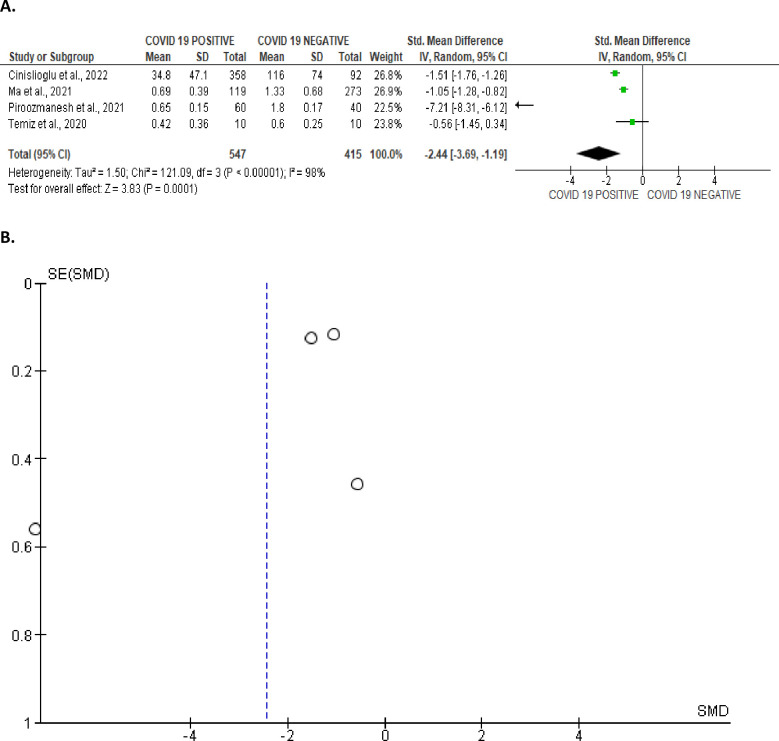
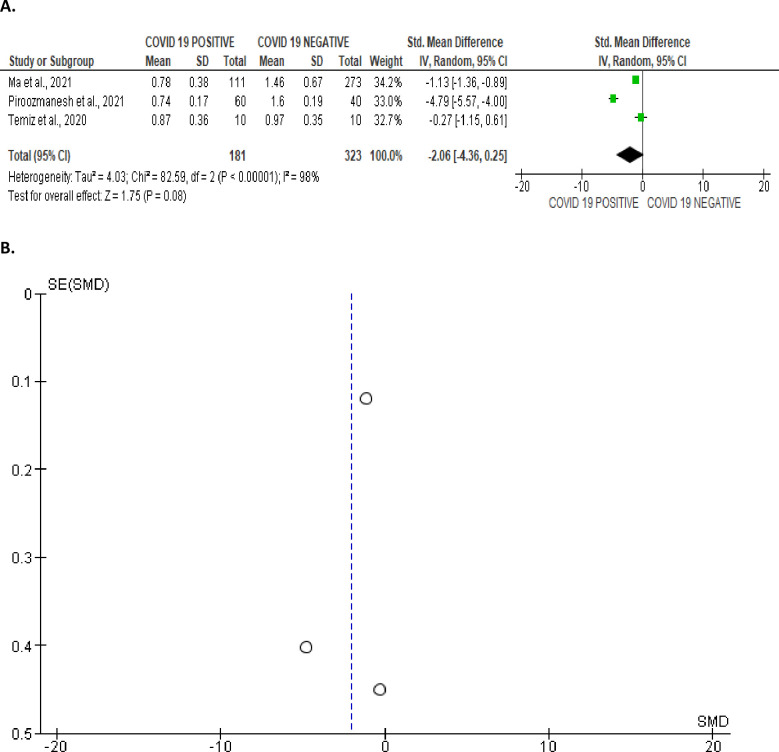
The present study demonstrated that SARS-CoV-2 significantly reduced ejaculate volume, sperm count, concentration, viability, normal morphology, and total and progressive motility. Furthermore, SARS-CoV-2 led to a reduction in circulating testosterone level, but a rise in oestrogen, prolactin, and luteinizing hormone levels. These findings were associated with a decline in testosterone/luteinizing hormone ratio.
The current study provides compelling evidence that SARS-CoV-2 may lower male fertility by reducing semen quality through a hormone-dependent mechanism; reduction in testosterone level and increase in oestrogen and prolactin levels.
自 2019 年 12 月发现 COVID-19 以来,这种新型病毒已在全球范围内传播,造成了巨大的医疗和社会经济负担。尽管大流行已得到遏制,但病毒及其伴随的并发症仍然存在。一个主要的全球关注问题是它对男性生育力的不利影响。
本研究旨在提供有关 COVID-19 对精液变量和男性生殖激素影响的最新和可靠数据。
根据 PRISMA 的建议进行文献检索。在收集的 852 项研究中,只有 40 项符合纳入标准,用于评估 SARS-CoV-2 对精液质量和雄激素的影响。此外,还进行了 SWOT 分析。
本研究表明,SARS-CoV-2 显著降低了精液量、精子计数、浓度、活力、正常形态和总运动及前向运动能力。此外,SARS-CoV-2 导致循环睾酮水平降低,但雌激素、催乳素和黄体生成素水平升高。这些发现与睾酮/黄体生成素比值下降有关。
本研究提供了令人信服的证据,表明 SARS-CoV-2 可能通过依赖激素的机制降低精液质量从而降低男性生育能力;睾酮水平降低,雌激素和催乳素水平升高。