Dipartimento di Sanità Pubblica e Malattie Infettive, Istituto Pasteur Italia-Fondazione Cenci-Bolognetti, Università di Roma "Sapienza", Rome, Italy.
Wellcome Sanger Genomic Surveillance Unit, Wellcome Sanger Institute, Cambridge, UK.
Commun Biol. 2024 Sep 10;7(1):1115. doi: 10.1038/s42003-024-06809-y.
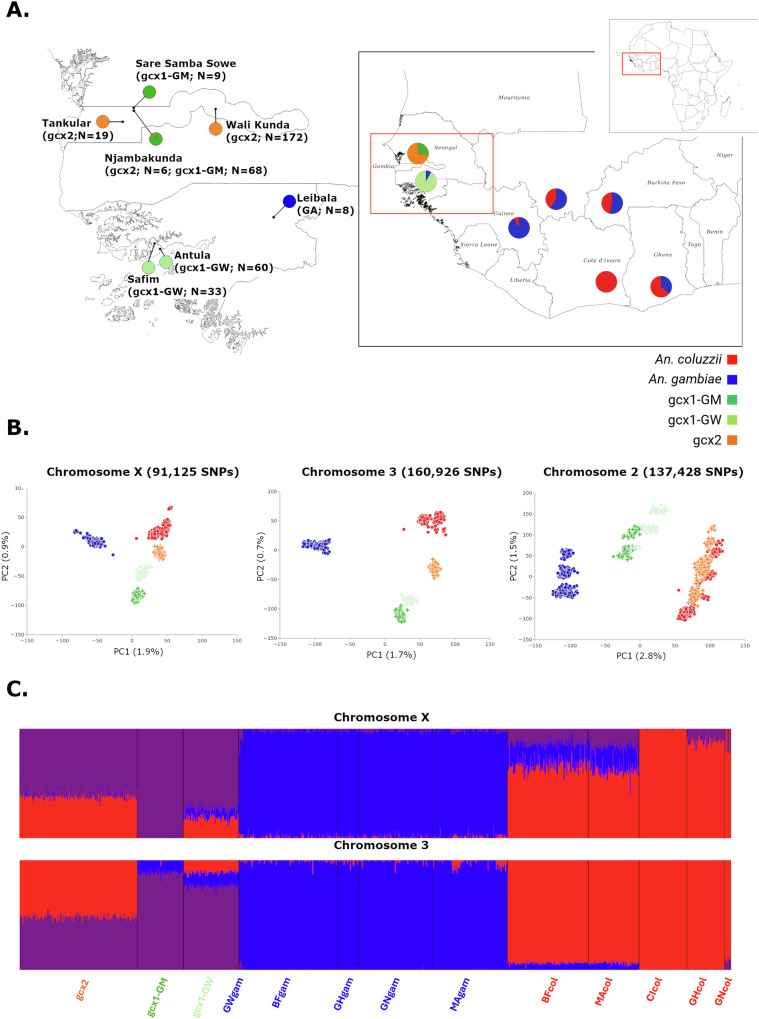
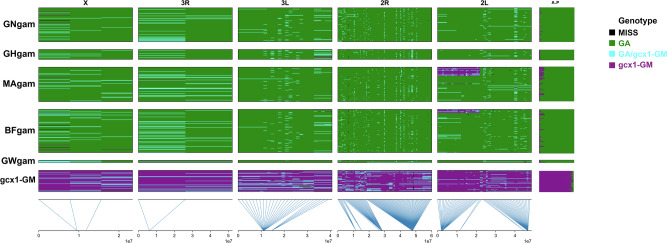
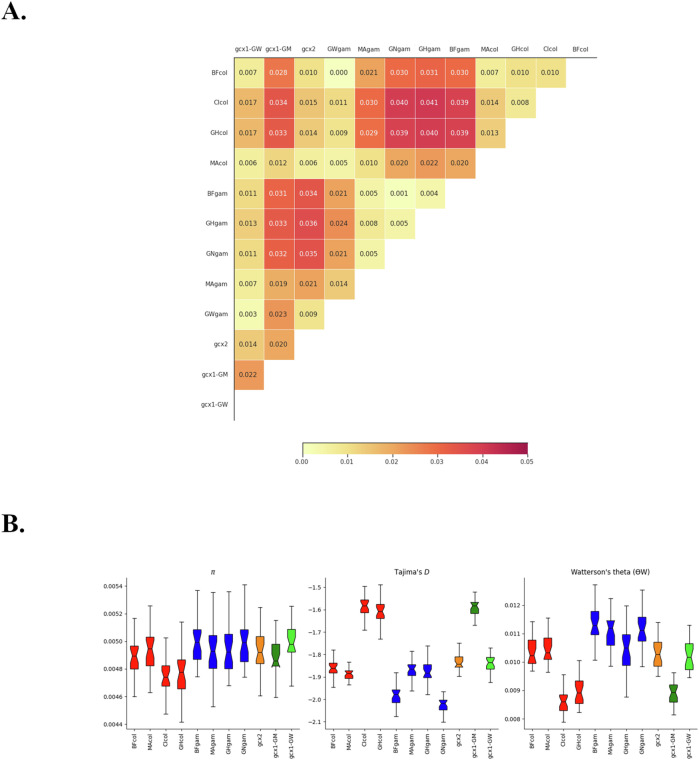
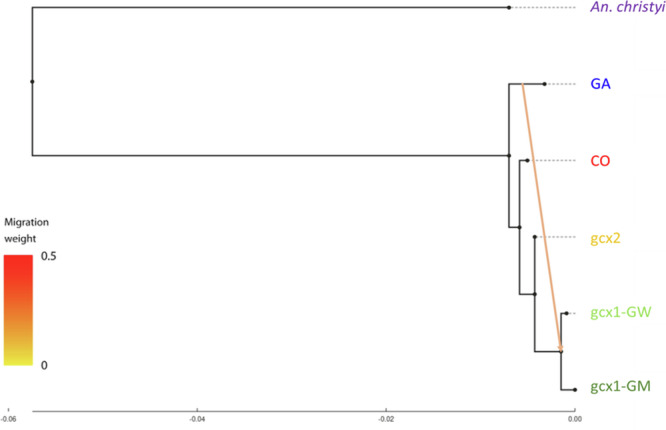
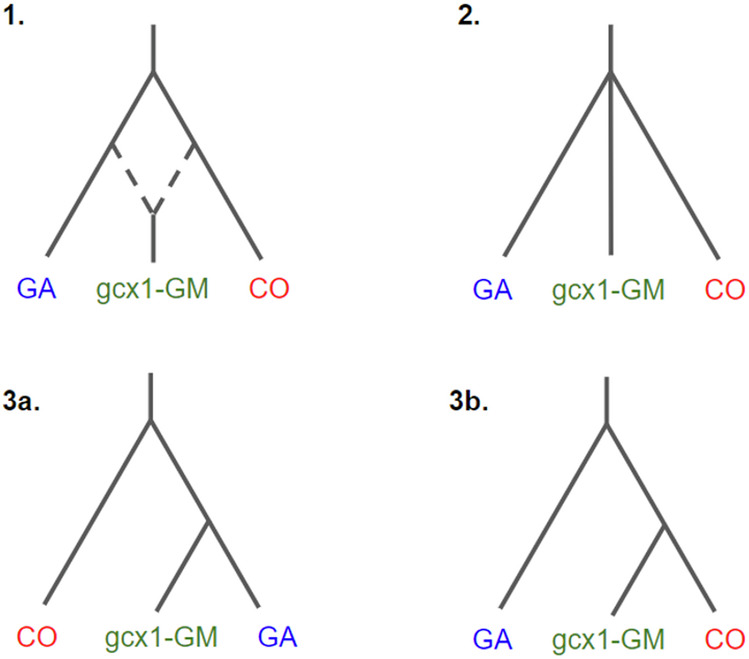
The two main Afrotropical malaria vectors - Anopheles coluzzii and An. gambiae - are genetically distinct and reproductively isolated across West Africa. However, populations at the western extreme of their range are assigned as "intermediate" between the two species by whole genome sequence (WGS) data, and as hybrid forms by conventional molecular diagnostics. By exploiting WGS data from 1190 specimens collected across west Africa via the Anopheles gambiae 1000 Genomes network, we identified a putative taxon in the far-west (provisionally named Bissau molecular form), which did not arise by admixture but rather may have originated at the same time as the split between An. coluzzii and An. gambiae. Intriguingly, this taxon lacks insecticide resistance mechanisms commonly observed in the two main species. These findings lead to a change of perspective on malaria vector species in the far-west region with potential for epidemiological implications, and a new challenge for genetic-based mosquito control approaches.
两种主要的非洲疟疾媒介——按蚊属库蚊和按蚊属冈比亚按蚊——在西非具有明显的遗传差异和生殖隔离。然而,其分布范围最西部的种群根据全基因组序列(WGS)数据被归类为这两个物种之间的“中间型”,而根据常规分子诊断则被归类为杂交形式。通过利用通过安蚊 1000 基因组网络在西非收集的 1190 个标本的 WGS 数据,我们在遥远的西部发现了一个可能的分类单元(暂命名为比绍分子型),它不是由杂交产生的,而是可能与按蚊属库蚊和按蚊属冈比亚按蚊的分化同时出现的。有趣的是,这个分类单元缺乏在两个主要物种中常见的杀虫剂抗性机制。这些发现改变了对遥远西部疟疾媒介物种的看法,可能对流行病学产生影响,也对基于遗传的蚊子控制方法提出了新的挑战。