Division of Nephrology, Department of Medicine, Columbia University Vagelos College of Physicians and Surgeons, New York, New York, United States.
Columbia College, Columbia University, New York, New York, United States.
Am J Physiol Renal Physiol. 2024 Nov 1;327(5):F775-F787. doi: 10.1152/ajprenal.00172.2024. Epub 2024 Sep 12.
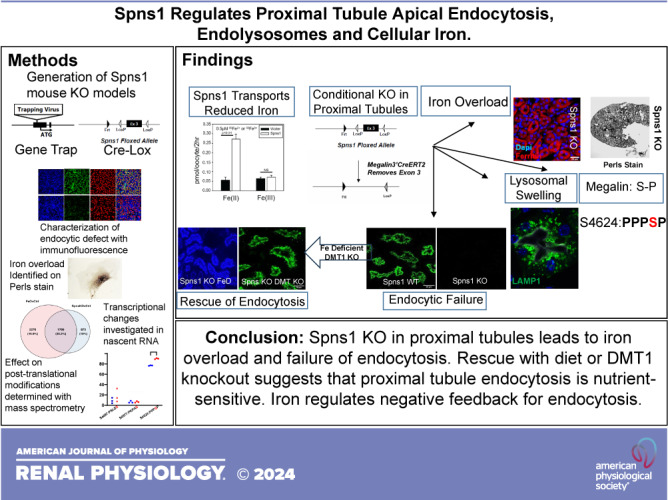
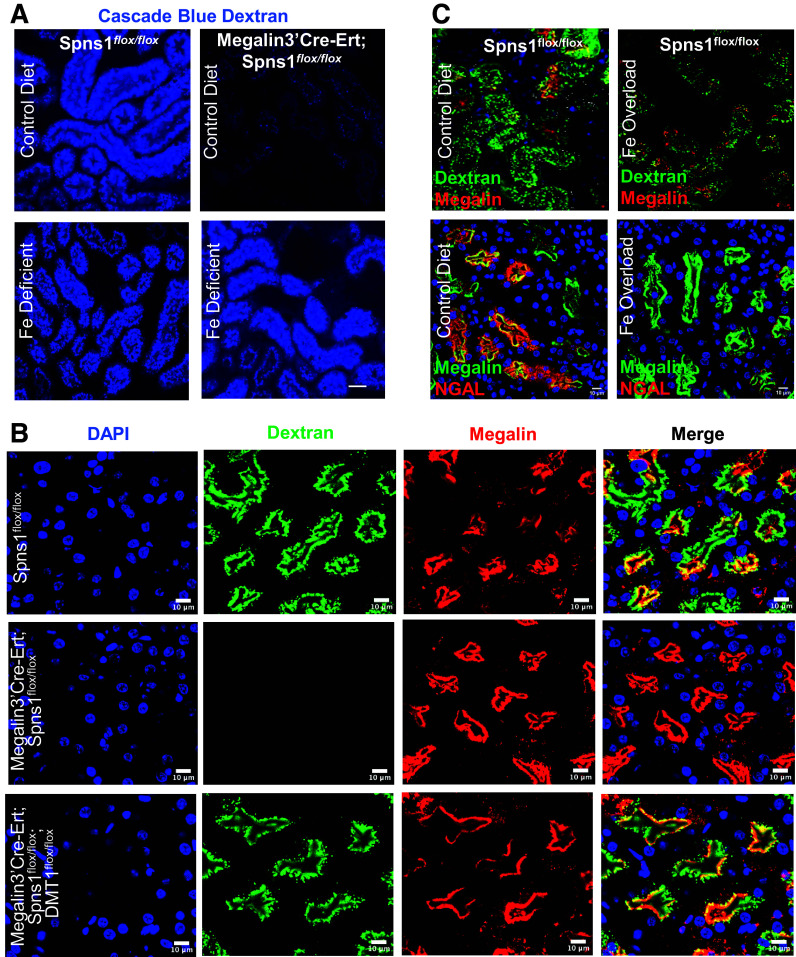
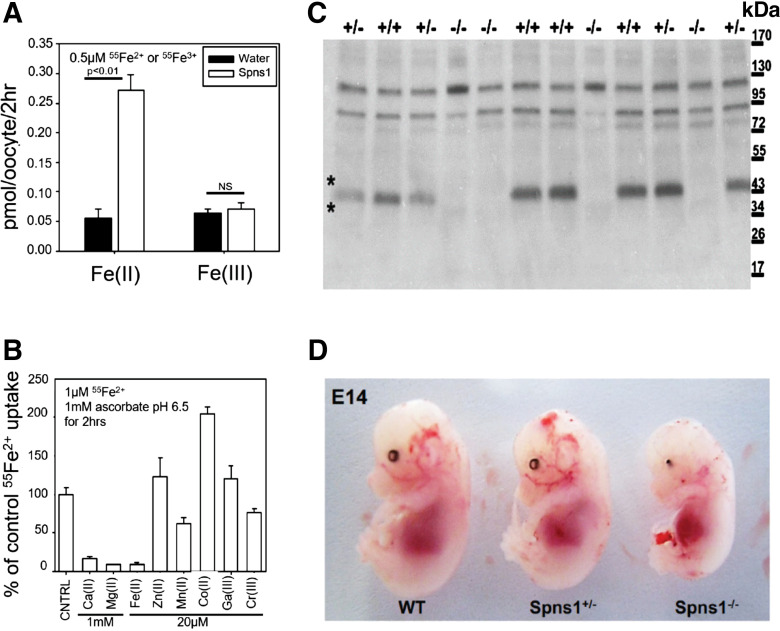
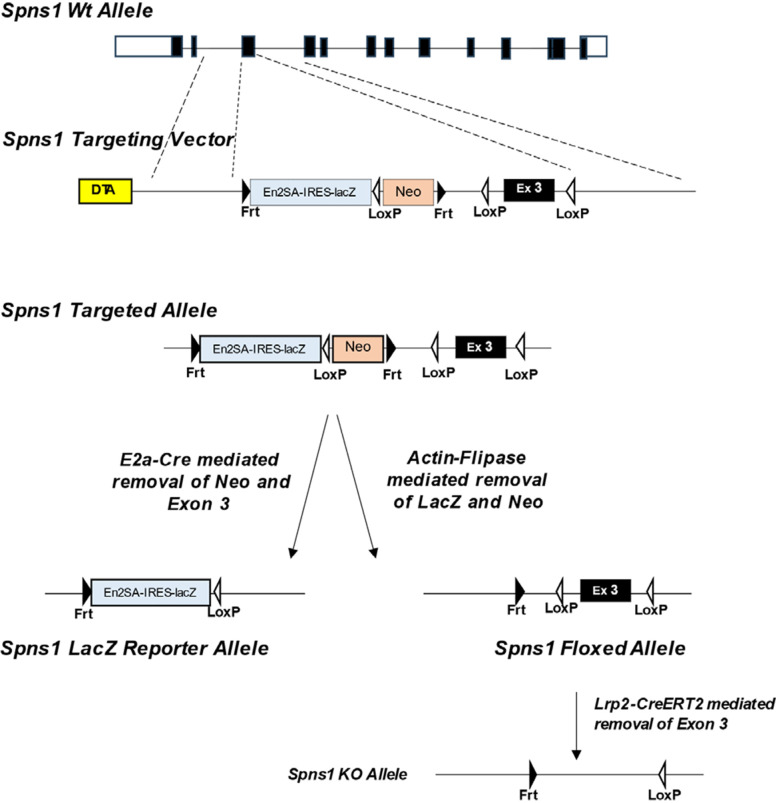
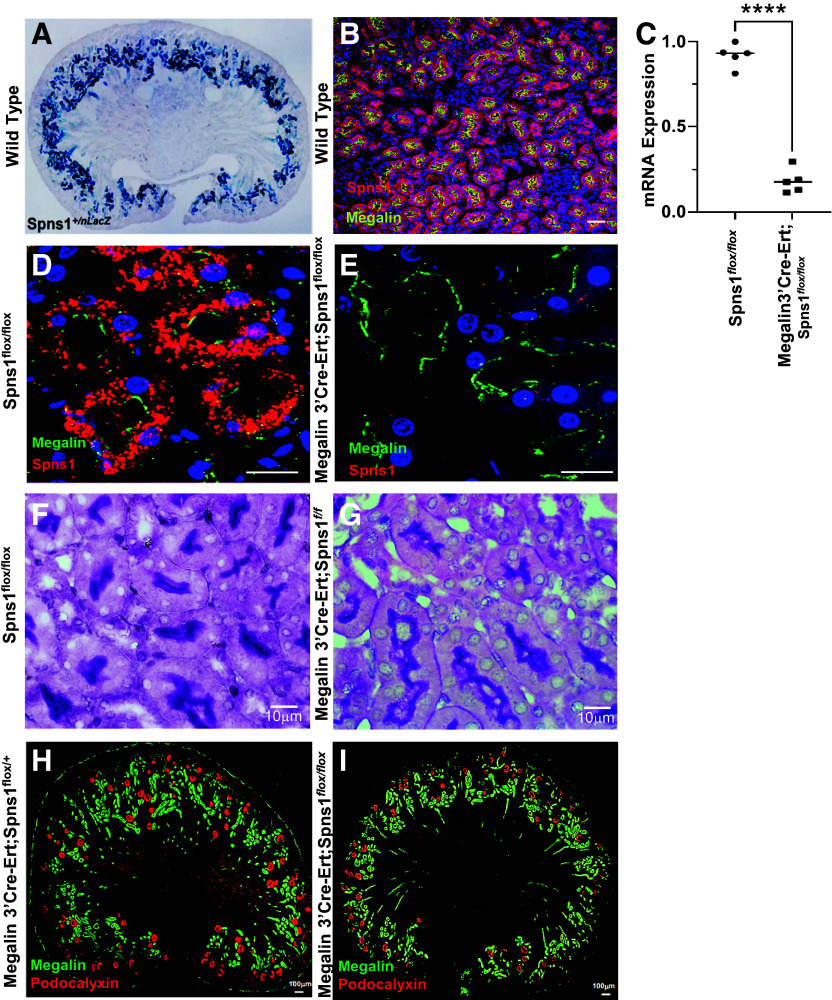
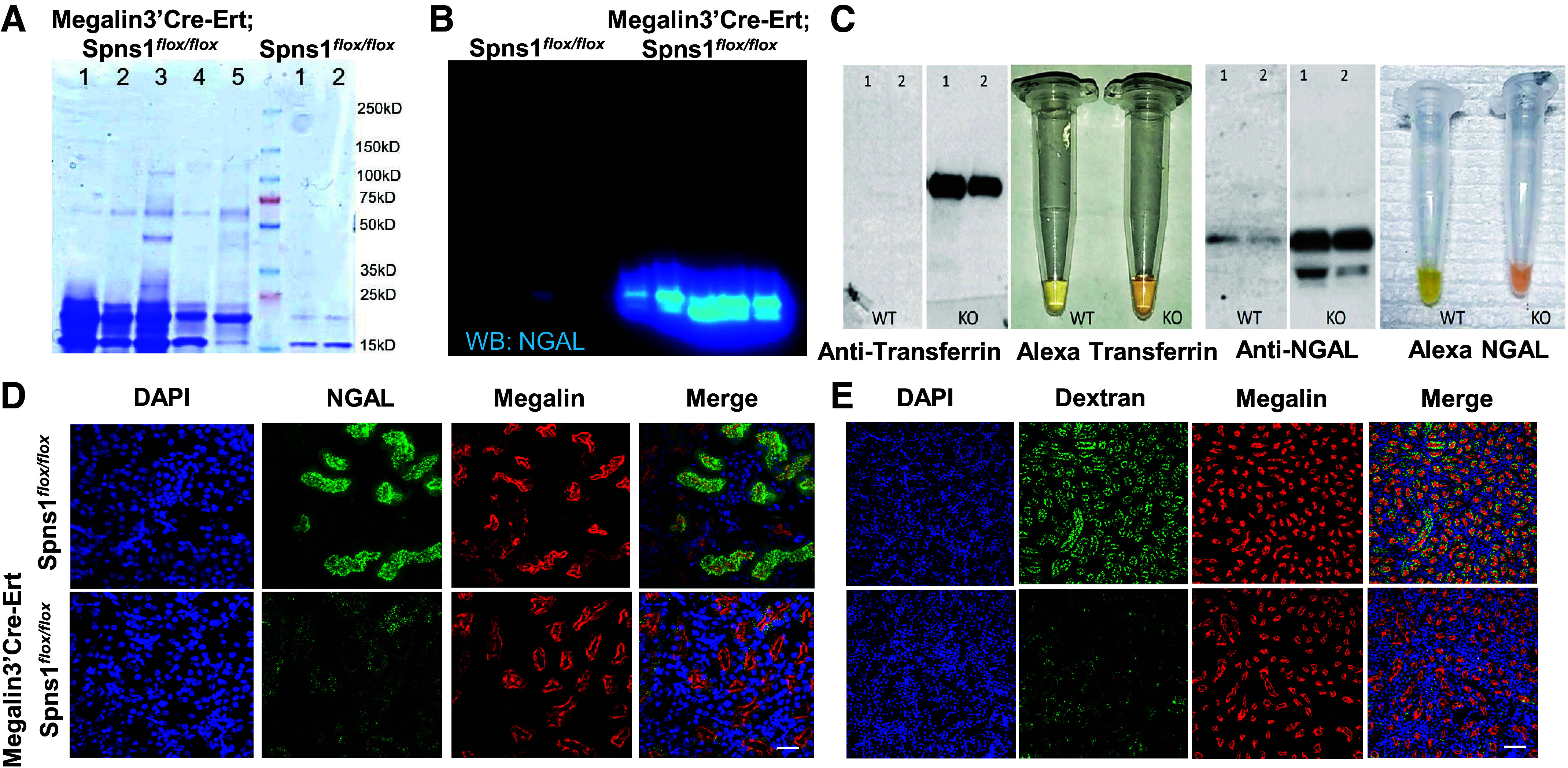
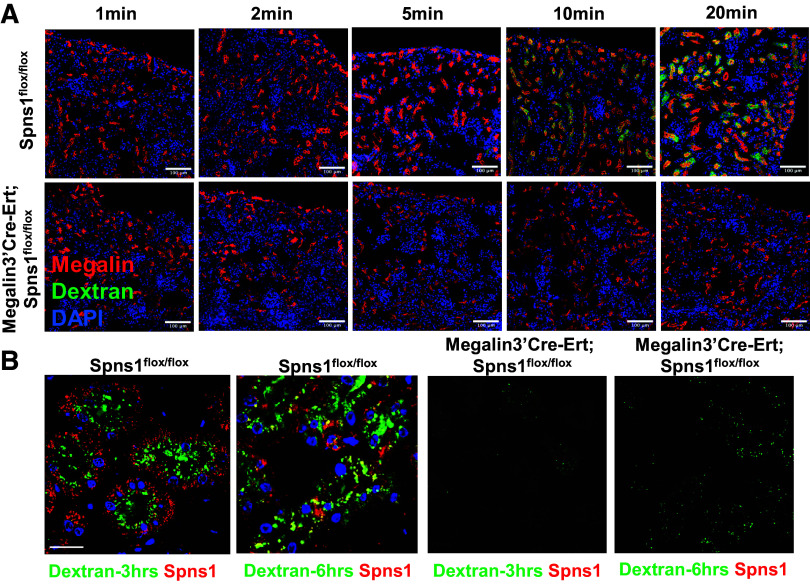
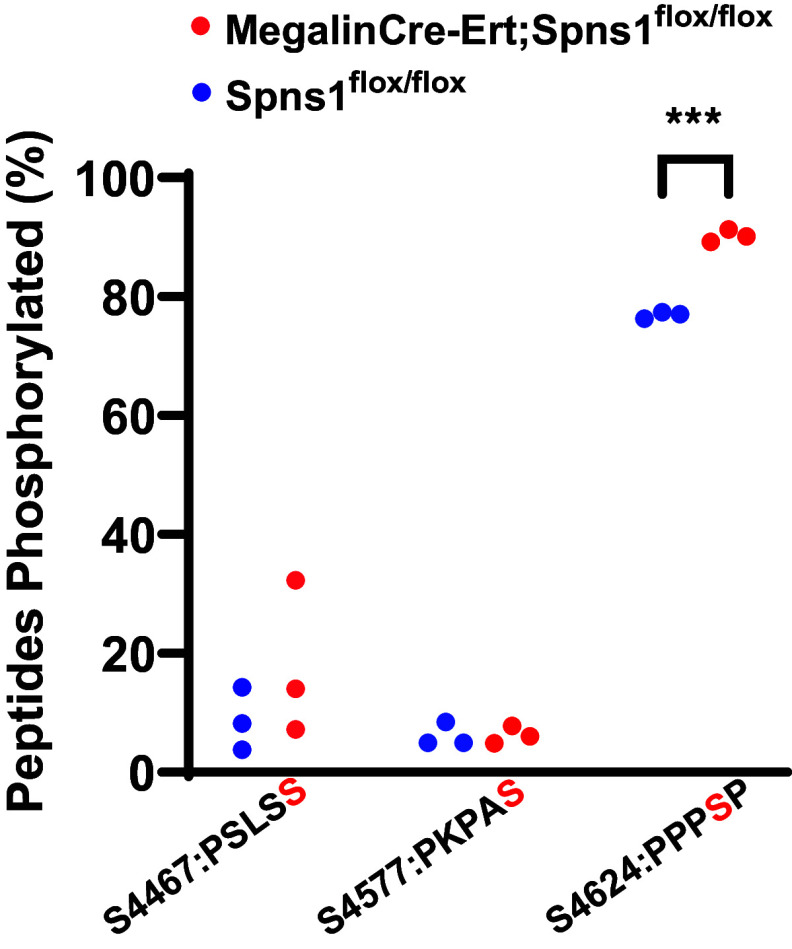
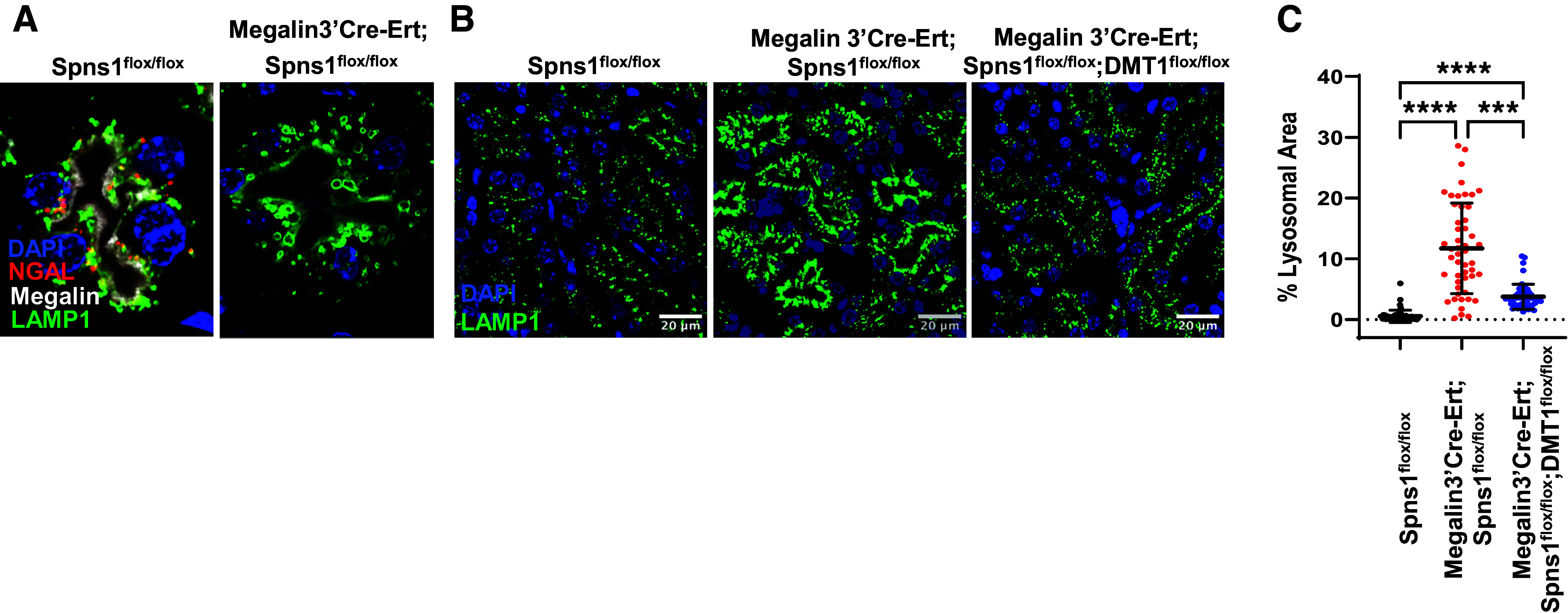
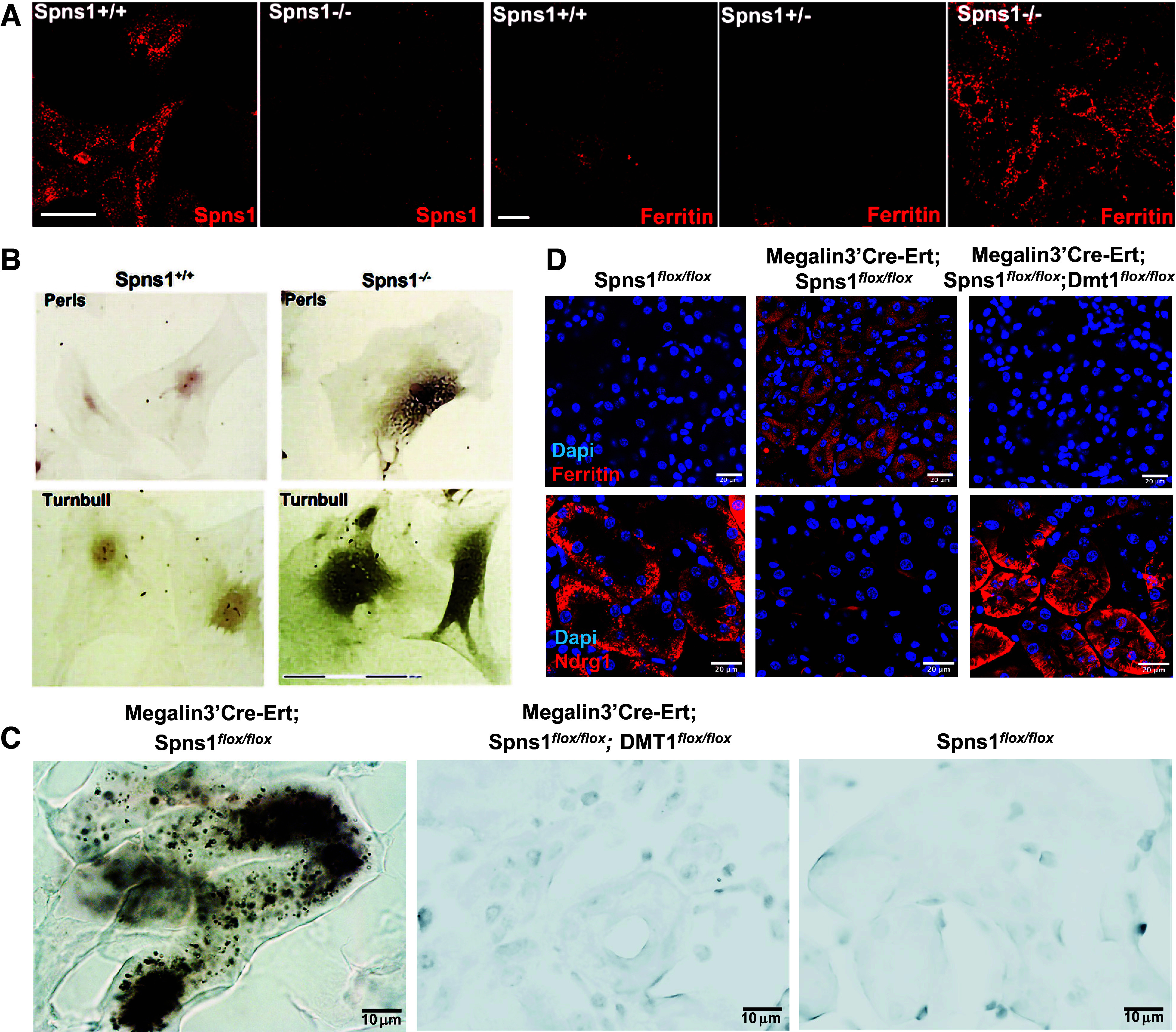
Proximal tubule endocytosis is essential to produce protein-free urine as well as to regulate system-wide metabolic pathways, such as the activation of Vitamin D. We have determined that the proximal tubule expresses an endolysosomal membrane protein, protein spinster homolog1 (Spns1), which engenders a novel iron conductance that is indispensable during embryonic development. Conditional knockout of Spns1 with a novel Cre-LoxP construct specific to megalin-expressing cells led to the arrest of megalin receptor-mediated endocytosis as well as dextran pinocytosis in proximal tubules. The endocytic defect was accompanied by changes in megalin phosphorylation as well as enlargement of lysosomes, confirming previous findings in Drosophila and Zebrafish. The endocytic defect was also accompanied by iron overload in proximal tubules. Remarkably, iron levels regulated the Spns1 phenotypes because feeding an iron-deficient diet or mating Spns1 knockout with divalent metal transporter1 knockout rescued the phenotypes. Conversely, iron-loading wild-type mice reproduced the endocytic defect. These data demonstrate a reversible, negative feedback for apical endocytosis and raise the possibility that regulation of endocytosis, pinocytosis, megalin activation, and organellar size and function is nutrient-responsive. Spns1 mediates a novel iron conductance essential during embryogenesis. Spns1 knockout leads to endocytic and lysosomal defects, accompanied by iron overload in the kidney. Reversal of iron overload by restricting dietary iron or by concurrent knockout of the iron transporter, DMT1 rescued the endocytic and organellar defects and reverted markers of iron overload. These data suggest feedback between iron and proximal tubule endocytosis.
近端肾小管内吞作用对于产生无蛋白尿液以及调节全身性代谢途径(如维生素 D 的激活)至关重要。我们已经确定近端肾小管表达一种内体溶酶体膜蛋白,蛋白 spinster 同源物 1(Spns1),它产生一种新型铁电导,在胚胎发育过程中是必不可少的。使用新型 Cre-LoxP 构建体特异性敲除 Spns1 表达 megalin 的细胞导致 megalin 受体介导的内吞作用以及近端肾小管中的葡聚糖内吞作用停止。内吞作用缺陷伴随着 megalin 磷酸化的变化以及溶酶体的增大,证实了先前在果蝇和斑马鱼中的发现。内吞作用缺陷还伴随着近端肾小管中铁过载。值得注意的是,铁水平调节 Spns1 表型,因为缺铁饮食喂养或 Spns1 敲除与二价金属转运蛋白 1 敲除交配可挽救表型。相反,铁负荷野生型小鼠再现了内吞作用缺陷。这些数据表明顶端内吞作用存在可逆的负反馈,并且提出了内吞作用、胞饮作用、megalin 激活以及细胞器大小和功能的调节是营养响应的可能性。Spns1 介导了胚胎发生过程中必需的新型铁电导。Spns1 敲除导致内吞作用和溶酶体缺陷,同时伴有肾脏中铁过载。通过限制饮食中铁或同时敲除铁转运蛋白 DMT1 来逆转铁过载可挽救内吞作用和细胞器缺陷,并使铁过载的标志物恢复正常。这些数据表明铁和近端肾小管内吞作用之间存在反馈。