Tan Xiyang, Li Guangzhi, Li Chenchen, Kong Chenfan, Li Huizhen, Wu Song
Shenzhen Hospital, Shanghai University of Traditional Chinese Medicine, Shenzhen, China.
Department of Urology, The Third Affiliated Hospital of Shenzhen University, Shenzhen University, Shenzhen, China.
Front Bioeng Biotechnol. 2024 Aug 29;12:1414323. doi: 10.3389/fbioe.2024.1414323. eCollection 2024.
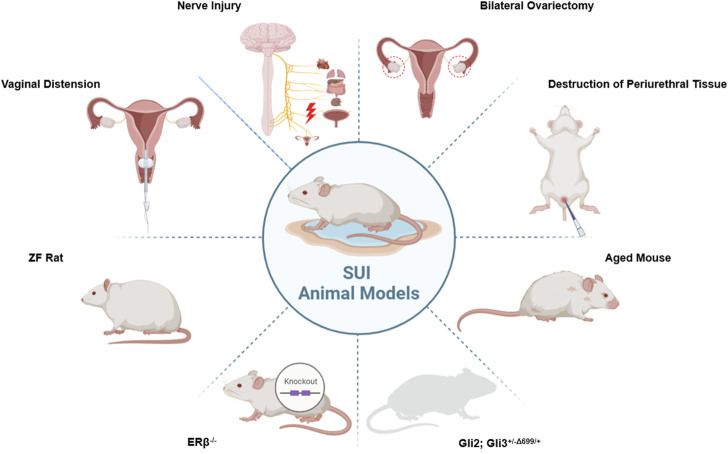
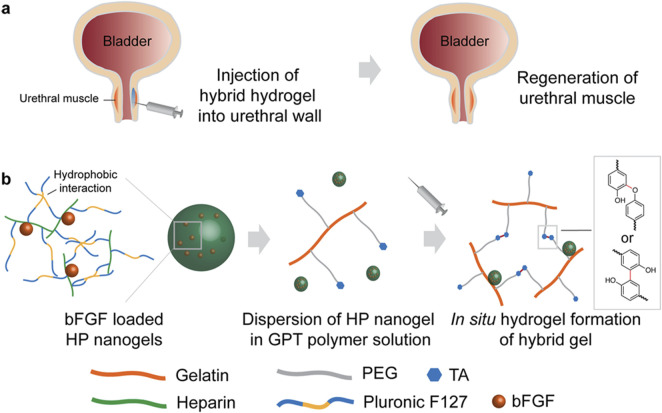
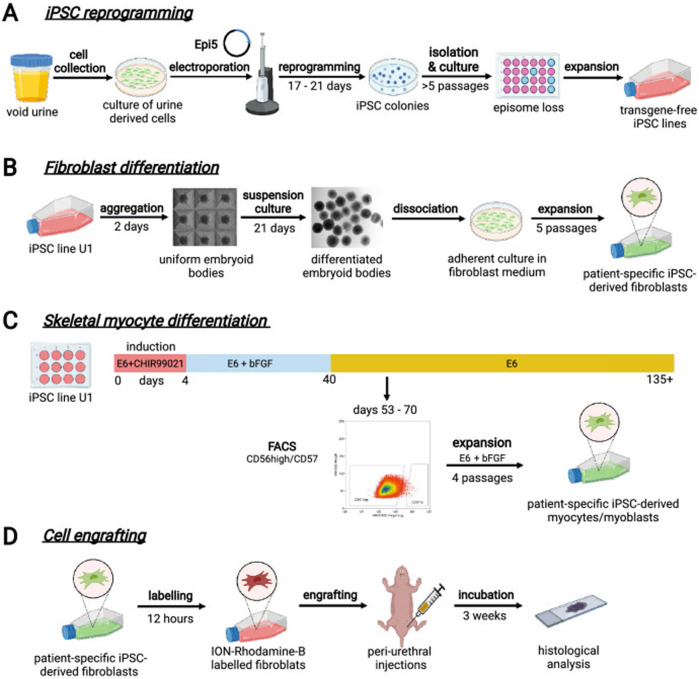
In the quest to tackle stress urinary incontinence (SUI), the synthesis of cutting-edge biomaterials and regenerative materials has emerged as a promising frontier. Briefly, animal models like vaginal distension and bilateral ovariectomy serve as crucial platforms for unraveling the intricacies of SUI, facilitating the evaluation of innovative treatments. The spotlight, however, shines on the development and application of novel biomaterials-ranging from urethral bulking agents to nano-gel composites-which aim to bolster urethral support and foster tissue regeneration. Furthermore, the exploration of stem cell therapies, particularly those derived from adipose tissues and urine, heralds a new era of regenerative medicine, offering potential for significant improvements in urinary function. This review encapsulates the progress in biomaterials and regenerative strategies, highlighting their pivotal role in advancing the treatment of SUI, thereby opening new avenues for effective and minimally invasive solutions.
在应对压力性尿失禁(SUI)的探索中,前沿生物材料和再生材料的合成已成为一个充满希望的前沿领域。简而言之,诸如阴道扩张和双侧卵巢切除术等动物模型是揭示SUI复杂性的关键平台,有助于评估创新治疗方法。然而,焦点在于新型生物材料的开发和应用——从尿道填充剂到纳米凝胶复合材料——其目的是加强尿道支撑并促进组织再生。此外,干细胞疗法的探索,特别是那些源自脂肪组织和尿液的疗法,预示着再生医学的新时代,为显著改善泌尿功能提供了潜力。这篇综述总结了生物材料和再生策略方面的进展,强调了它们在推进SUI治疗中的关键作用,从而为有效和微创解决方案开辟了新途径。