Katsaros Odysseas, Ktenopoulos Nikolaos, Korovesis Theofanis, Benetos Georgios, Apostolos Anastasios, Koliastasis Leonidas, Sagris Marios, Milaras Nikias, Latsios George, Synetos Andreas, Drakopoulou Maria, Tsalamandris Sotirios, Karanasos Antonios, Tsioufis Konstantinos, Toutouzas Konstantinos
First Department of Cardiology, National and Kapodistrian University of Athens, Hippokration General Hospital of Athens, 11527 Athens, Greece.
Medical School, European University of Cyprus, Nicosia 1516, Cyprus.
J Clin Med. 2024 Aug 23;13(17):4970. doi: 10.3390/jcm13174970.
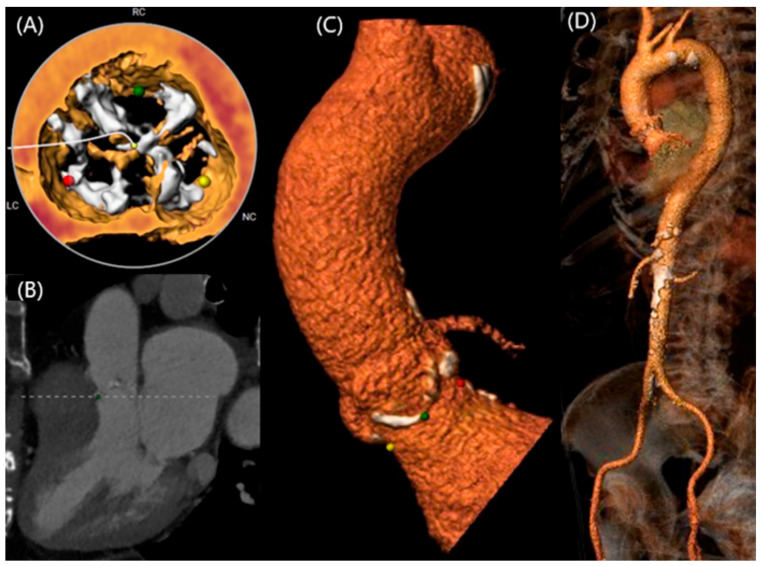
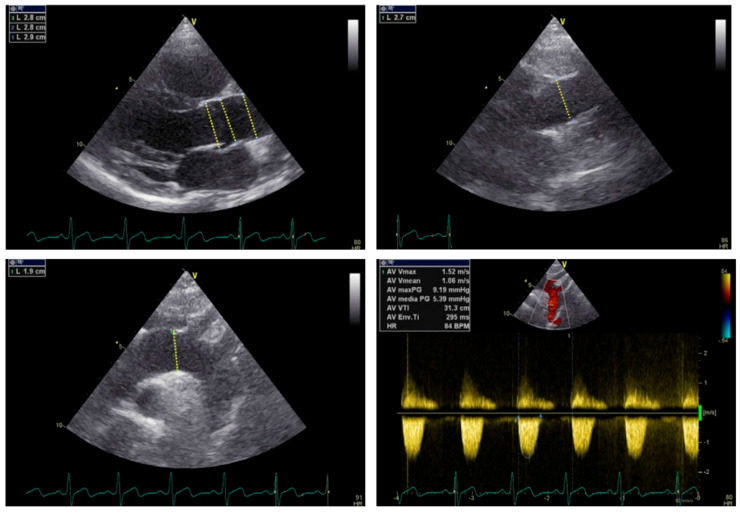
The Bicuspid Aortic Valve (BAV) is the most common congenital anomaly in adults, with a global incidence of 1.3%. Despite being well documented, BAV presents significant clinical challenges due to its phenotypic heterogeneity, diverse clinical manifestations, and variable outcomes. Pathophysiologically, BAV differs from tricuspid valves in calcification patterns and hemodynamic effects, leading to increased shear stress and aortic root dilatation, while it is influenced by genetic and hemodynamic factors. This is why therapeutically, BAV presents challenges for both surgical and transcatheter interventions, with surgical approaches being traditionally preferred, especially when aortopathy is present. However, transcatheter aortic valve implantation (TAVI) has emerged as a viable option, with studies showing comparable outcomes to surgery in selected patients, while advancements in TAVI and a better understanding of BAV's genetic and pathophysiological nuances are expanding treatment options. The choice between mechanical and bioprosthetic valves also presents considerations, particularly regarding long-term durability and the need for anticoagulation. Future research should focus on long-term registries and genetic studies to refine therapeutic strategies and improve patient outcomes. This review aims to evaluate current approaches in the surgical and interventional management of BAV, focusing on its anatomy, pathogenesis, pathophysiology, and therapeutic strategies.
二叶式主动脉瓣(BAV)是成人中最常见的先天性心脏异常,全球发病率为1.3%。尽管已有充分的文献记载,但由于其表型异质性、多样的临床表现和可变的预后,BAV带来了重大的临床挑战。在病理生理学上,BAV在钙化模式和血流动力学效应方面与三叶式瓣膜不同,导致剪切应力增加和主动脉根部扩张,同时它受遗传和血流动力学因素影响。这就是为什么在治疗方面,BAV对手术和经导管介入治疗都构成挑战,传统上更倾向于手术方法,尤其是当存在主动脉病变时。然而,经导管主动脉瓣植入术(TAVI)已成为一种可行的选择,研究表明在选定患者中其结果与手术相当,同时TAVI的进展以及对BAV遗传和病理生理学细微差别的更好理解正在扩大治疗选择。机械瓣膜和生物瓣膜之间的选择也需要考虑,特别是在长期耐久性和抗凝需求方面。未来的研究应集中在长期注册研究和基因研究上,以完善治疗策略并改善患者预后。本综述旨在评估BAV手术和介入治疗的当前方法,重点关注其解剖结构、发病机制、病理生理学和治疗策略。