University of Southern California, Los Angeles, CA, USA.
University of California Santa Barbara, Santa Barbara, CA, USA.
Commun Biol. 2024 Sep 15;7(1):1147. doi: 10.1038/s42003-024-06800-7.
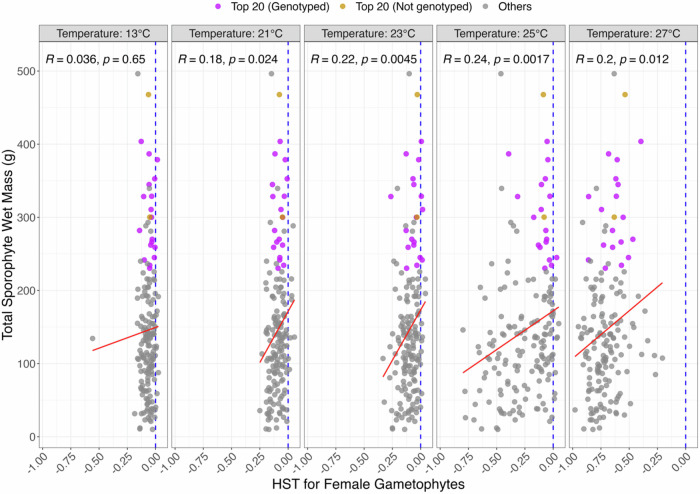
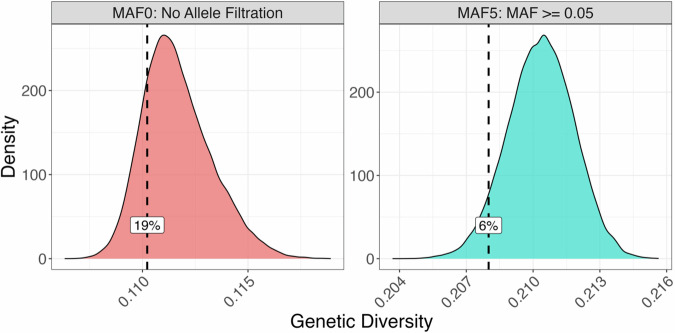
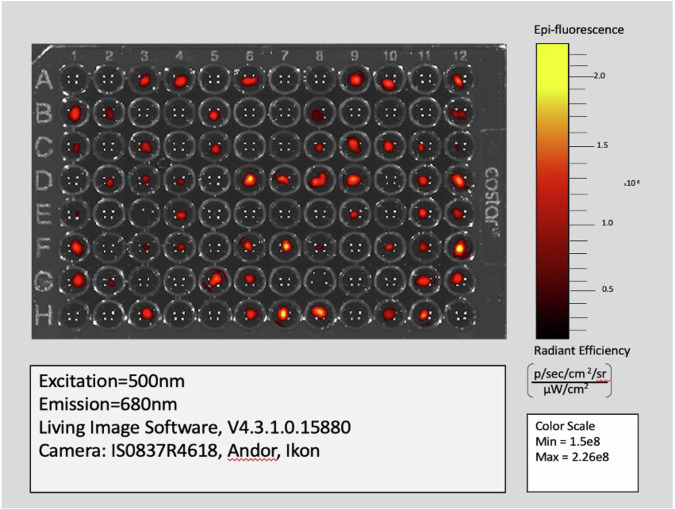
Kelps are vital for marine ecosystems, yet the genetic diversity underlying their capacity to adapt to climate change remains unknown. In this study, we focused on the kelp Macrocystis pyrifera a species critical to coastal habitats. We developed a protocol to evaluate heat stress response in 204 Macrocystis pyrifera genotypes subjected to heat stress treatments ranging from 21 °C to 27 °C. Here we show that haploid gametophytes exhibiting a heat-stress tolerant (HST) phenotype also produced greater biomass as genetically similar diploid sporophytes in a warm-water ocean farm. HST was measured as chlorophyll autofluorescence per genotype, presented here as fluorescent intensity values. This correlation suggests a predictive relationship between the growth performance of the early microscopic gametophyte stage HST and the later macroscopic sporophyte stage, indicating the potential for selecting resilient kelp strains under warmer ocean temperatures. However, HST kelps showed reduced genetic variation, underscoring the importance of integrating heat tolerance genes into a broader genetic pool to maintain the adaptability of kelp populations in the face of climate change.
海带是海洋生态系统的重要组成部分,但它们适应气候变化的遗传多样性仍不清楚。在这项研究中,我们专注于一种对沿海栖息地至关重要的海带巨藻。我们开发了一种方案来评估 204 个巨藻基因型在 21°C 到 27°C 的热应激处理下的热应激反应。我们发现,表现出耐热表型的单倍体配子体在温暖的海水养殖场中,作为遗传上相似的二倍体孢子体,也产生了更大的生物量。耐热性(HST)以每个基因型的叶绿素自发荧光来衡量,这里以荧光强度值表示。这一相关性表明,早期微观配子体阶段 HST 的生长性能与后期宏观孢子体阶段之间存在预测关系,表明在温暖的海洋温度下,有选择具有弹性的海带品系的潜力。然而,HST 海带的遗传变异减少,这突显出将耐热基因整合到更广泛的遗传库中的重要性,以维持海带种群在气候变化面前的适应性。