Ranti D, Yu H, Wang Y A, Bieber C, Strandgaard T, Salomé B, Houghton Sean, Kim J, Ravichandran H, Okulate I, Merritt E, Bang S, Demetriou A, Li Z, Lindskrog S V, Ruan D F, Daza J, Rai R, Hegewisch-Solloa E, Mace E M, Fernandez-Rodriguez R, Izadmehr S, Doherty G, Narasimhan A, Farkas A M, Cruz-Encarnacion P, Shroff S, Patel F, Tran M, Park S J, Qi J, Patel M, Geanon D, Kelly G, de Real R M, Lee B, Nie K, Miake-Iye S, Angeliadis K, Radkevich E, Thin T H, Garcia-Barros M, Brown H, Martin B, Mateo A, Soto A, Sussman R, Shiwlani S, Francisco-Simon S, Beaumont K G, Hu Y, Wang Y-C, Wang L, Sebra R P, Smith S, Skobe M, Clancy-Thompson E, Palmer D, Hammond S, Hopkins B D, Wiklund P, Zhu J, Bravo-Cordero J J, Brody R, Hopkins B, Chen Z, Kim-Schulze S, Dyrskjøt L, Elemento O, Tocheva A, Song W-M, Bhardwaj N, Galsky M D, Sfakianos J P, Horowitz A
Department of Immunology and Immunotherapy, Icahn School of Medicine at Mount Sinai, New York, NY, USA.
Department of Oncological Sciences, Icahn School of Medicine at Mount Sinai, New York, NY, USA.
bioRxiv. 2024 Sep 3:2024.09.02.610816. doi: 10.1101/2024.09.02.610816.
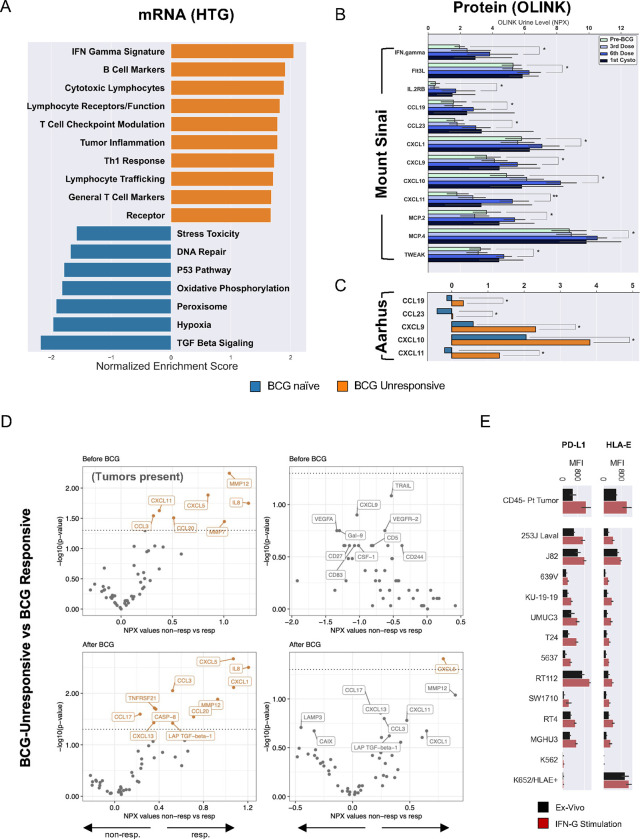
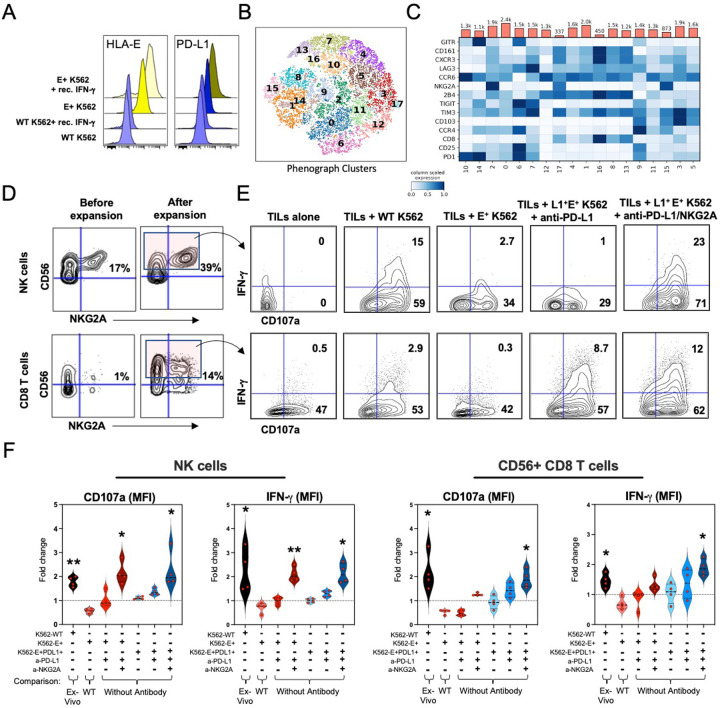
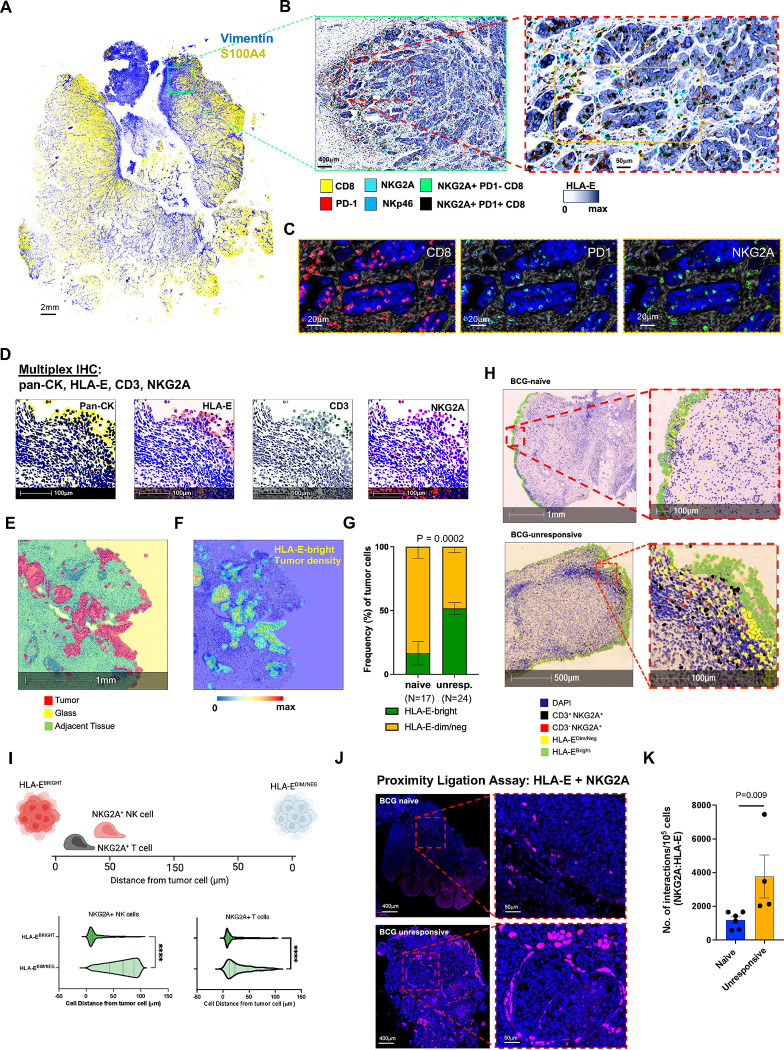
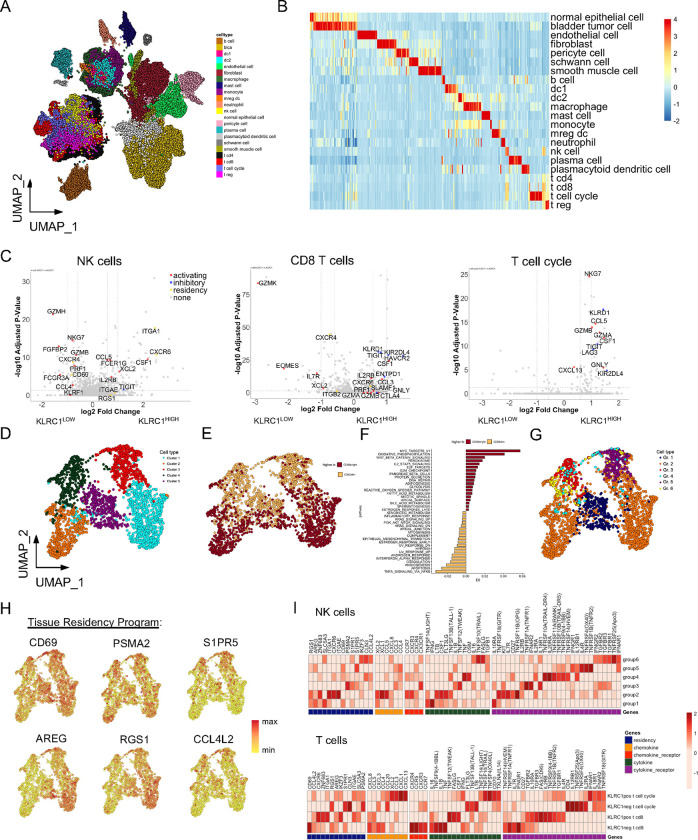
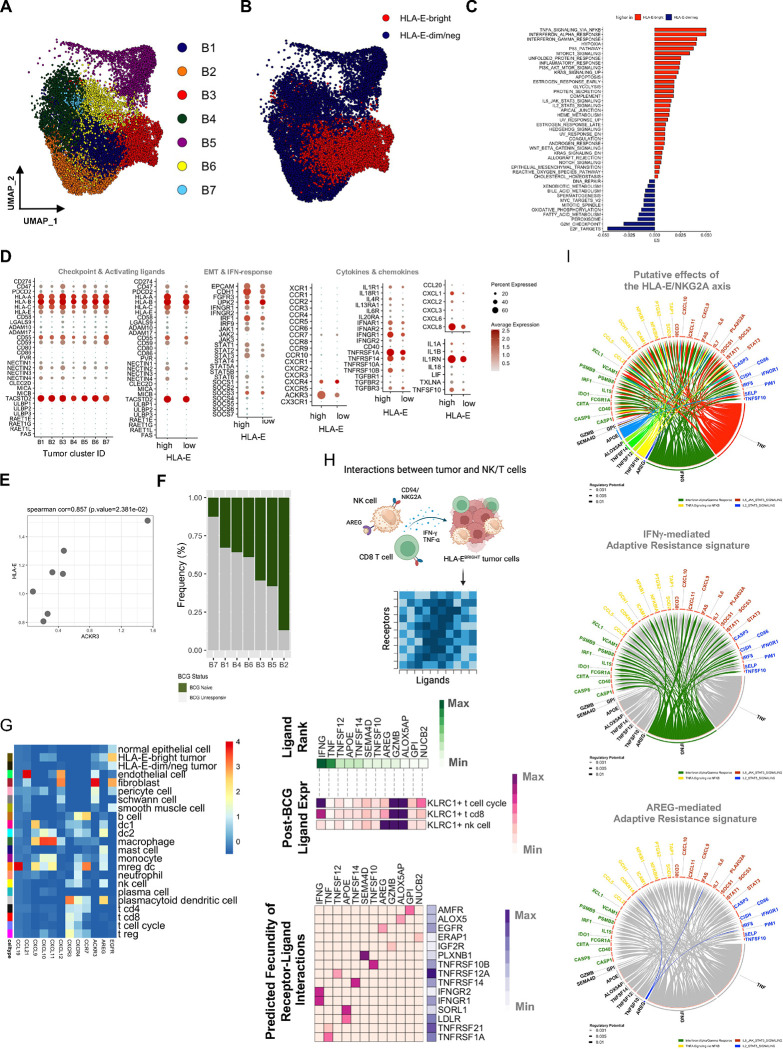
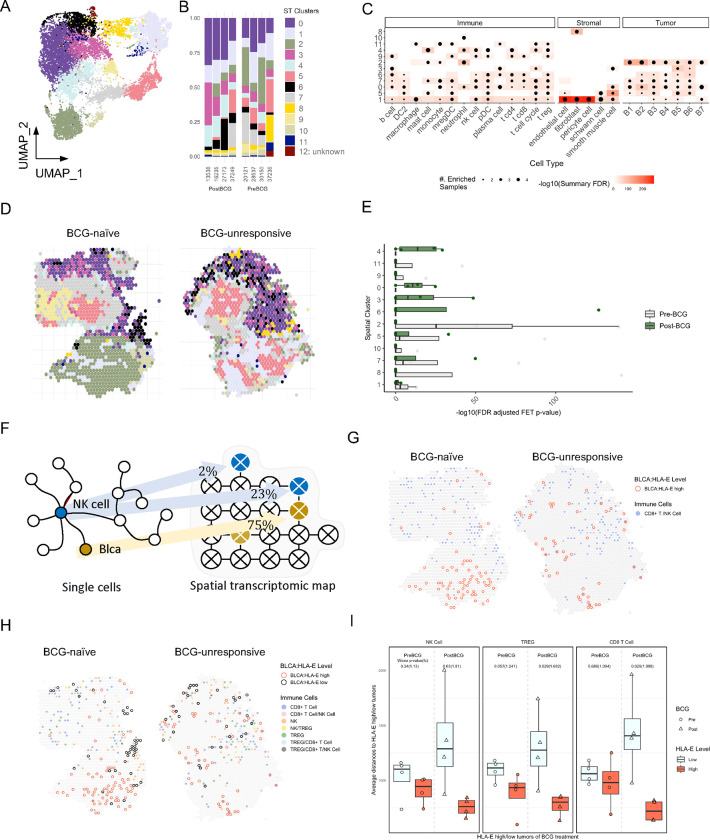
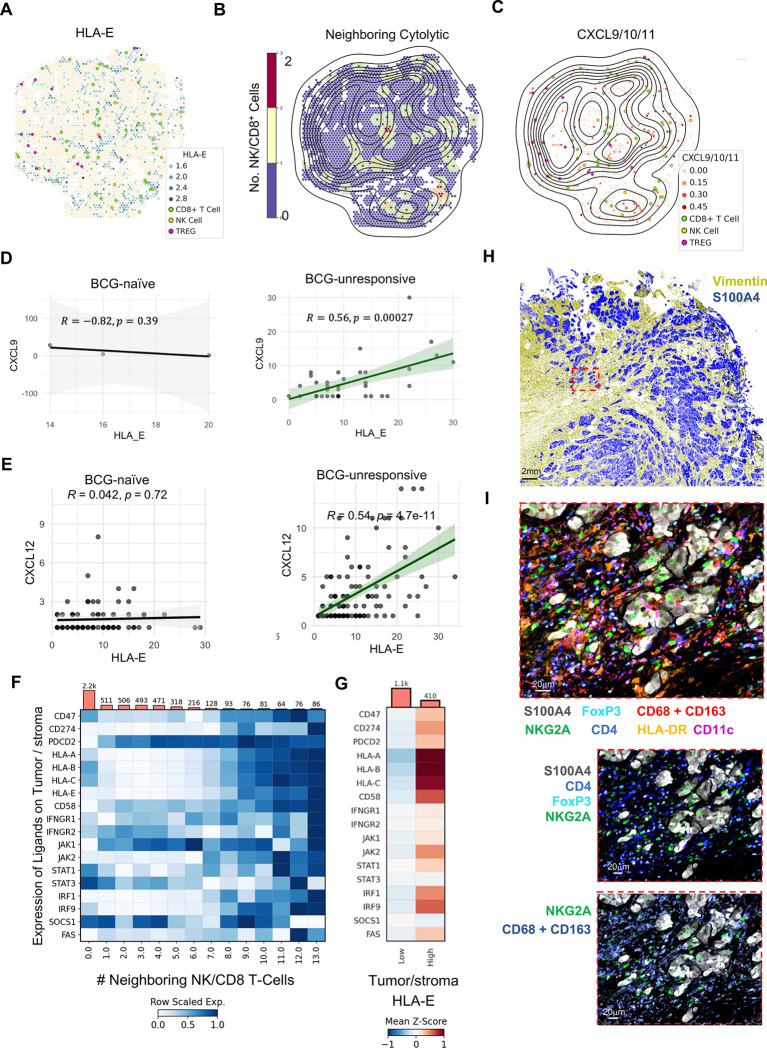
Bacillus Calmette-Guerin (BCG) is the primary treatment for non-muscle-invasive bladder cancer (NMIBC), known to stimulate inflammatory cytokines, notably interferon (IFN)-γ. We observed that prolonged IFN-γ exposure fosters adaptive resistance in recurrent tumors, aiding immune evasion and tumor proliferation. We identify HLA-E and NKG2A, part of a novel NK and T cell checkpoint pathway, as key mediators of resistance in BCG-unresponsive NMIBC. IFN-γ enhances HLA-E and PD-L1 expression in recurrent tumors, with an enrichment of intra-tumoral NKG2A-expressing NK and CD8 T cells. CXCL9 macrophages and dendritic cells and CXCL12-expressing stromal cells likely recruit CXCR3/CXCR4-expressing NK and T cells and CXCR7 HLA-E tumor cells. NK and CD8 T cells remain functional within BCG-unresponsive tumors but are inhibited by HLA-E and PD-L1, providing a framework for combined NKG2A and PD-L1 blockade strategy for bladder-sparing treatment of BCG-unresponsive NMIBC.
卡介苗(BCG)是非肌肉浸润性膀胱癌(NMIBC)的主要治疗方法,已知其可刺激炎性细胞因子,尤其是干扰素(IFN)-γ。我们观察到,长时间暴露于IFN-γ会促进复发性肿瘤产生适应性耐药,有助于免疫逃逸和肿瘤增殖。我们确定HLA-E和NKG2A是一种新型NK和T细胞检查点通路的组成部分,是卡介苗无反应性NMIBC耐药的关键介质。IFN-γ可增强复发性肿瘤中HLA-E和PD-L1的表达,肿瘤内表达NKG2A的NK细胞和CD8 T细胞增多。表达CXCL9的巨噬细胞和树突状细胞以及表达CXCL12的基质细胞可能招募表达CXCR3/CXCR4的NK细胞和T细胞以及表达CXCR7的HLA-E肿瘤细胞。NK细胞和CD8 T细胞在卡介苗无反应性肿瘤中仍具有功能,但受到HLA-E和PD-L1的抑制,这为联合使用NKG2A和PD-L1阻断策略进行卡介苗无反应性NMIBC的膀胱保留治疗提供了一个框架。