Department of General Internal Medicine, Ghent University Hospital, Ghent, Belgium.
Sciensano, Epidemiology of Infectious Diseases, Brussels, Belgium.
AIDS Behav. 2024 Dec;28(12):4167-4178. doi: 10.1007/s10461-024-04488-8. Epub 2024 Sep 17.
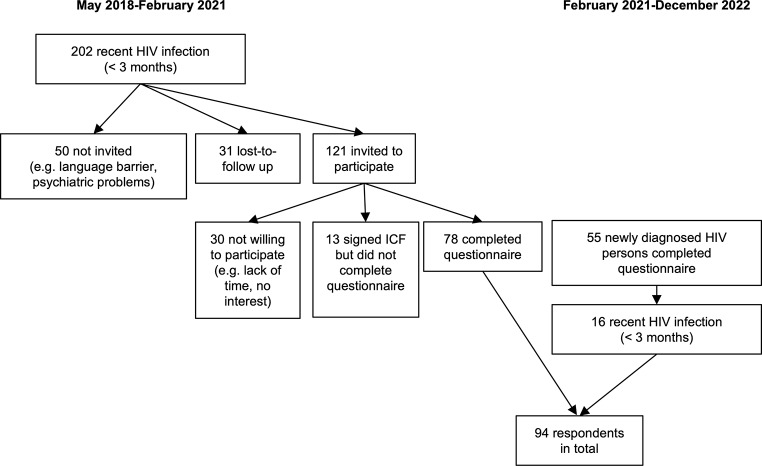
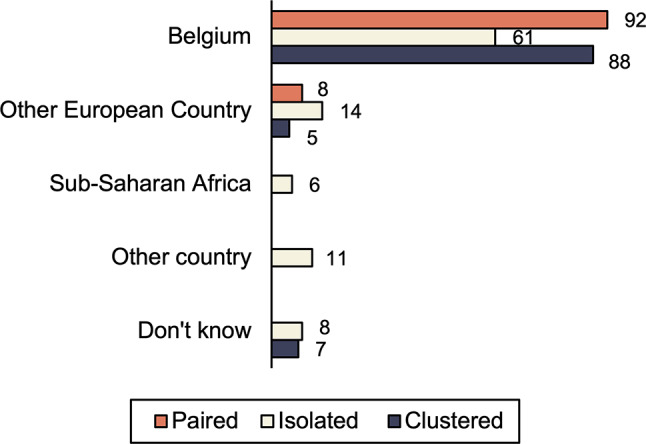
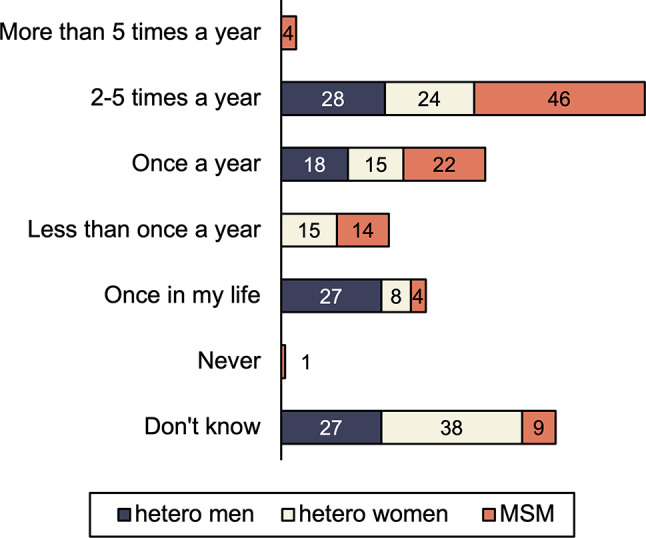
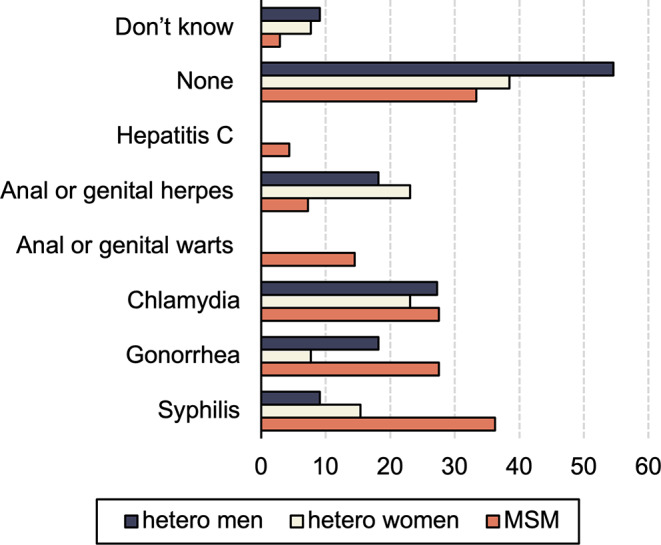
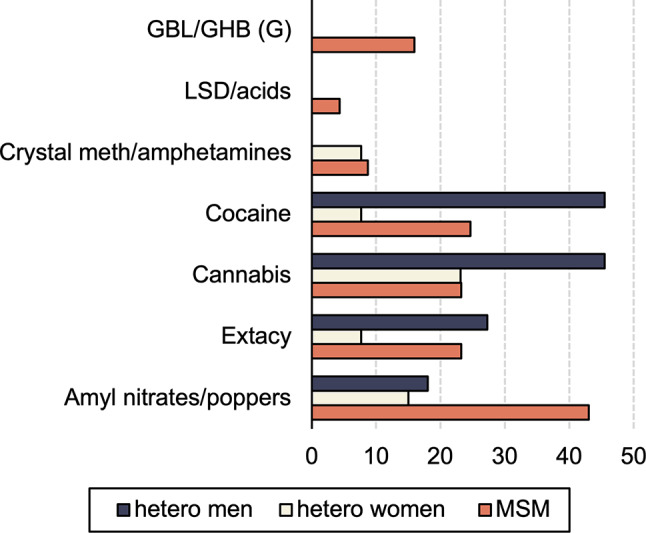
Despite wide availability of prevention and treatment services, including the ongoing roll-out of pre-exposure prophylaxis (PrEP), the HIV epidemic is not under control in Belgium. Hence, there is a recognized need to improve case finding and early diagnosis to curb the further spread of HIV more effectively. The objective of the present study was to improve insight into the profiles of persons recently infected with HIV-1 and on their prevention trajectory. Between May 2018 and December 2022, we selected persons diagnosed in Belgium within three months of the presumed infection date. We then analyzed information collected using a questionnaire covering topics on HIV testing, sexually transmitted infections (STIs), PrEP use, sexual behavior, partner notification and substance use. The data obtained were analyzed alongside information derived from phylogenetic cluster analysis of the viral source of infection. A total of 93 persons with a recent HIV-1 infection completed the questionnaire, the majority (74%) being MSM, 14% were heterosexual women and 12% were heterosexual men. Nearly one-third of participants engaged in sexual activity with an average of 2 to 5 casual partners around the presumed time of infection. A significant percentage reported frequent substance use during sexual activity (65%), being previously diagnosed with STI (65%) and using condoms infrequently (44%). 63% reported a testing frequency of at least one HIV test per year before being diagnosed and 46% notified their previous sex partner(s) after being diagnosed. Over 20% of respondents (including 11 MSM, 4 heterosexual men and 5 heterosexual women) reported exclusive sexual activity with their steady partner. Eight participants (9%, all MSM, 75% born outside of Belgium) reported PrEP use in the past. No significant differences in behavioral characteristics were found between persons who were part of a local transmission cluster (48%) and persons that were not part of a cluster (47%). The study results revealed that the majority of persons diagnosed early with HIV-1 infection in Belgium exhibited characteristics corresponding to a high-at-risk population and were aware of this risk, as evidenced by a high testing frequency. However, partner notification rates were low and use and awareness of PrEP limited. A notable group of persons not corresponding to the high-risk profiles was also identified. This information may help to expose missed opportunities for prevention and contribute to enhancing the implementation of future prevention measures.
尽管包括正在推出的暴露前预防(PrEP)在内的预防和治疗服务广泛可用,但比利时的艾滋病毒疫情仍未得到控制。因此,人们认识到需要改进病例发现和早期诊断,以更有效地遏制艾滋病毒的进一步传播。本研究的目的是更深入地了解最近感染 HIV-1 的人群的特征及其预防轨迹。2018 年 5 月至 2022 年 12 月,我们选择了在假定感染日期后三个月内在比利时诊断出的感染者。然后,我们使用涵盖 HIV 检测、性传播感染(STI)、PrEP 使用、性行为、伴侣通知和物质使用等主题的问卷分析收集的信息。获得的数据与病毒源的系统发育聚类分析得出的信息一起进行了分析。共有 93 名最近感染 HIV-1 的人完成了问卷,其中大多数(74%)为男同性恋者,14%为异性恋女性,12%为异性恋男性。近三分之一的参与者在假定感染时与平均 2 到 5 个偶然伴侣发生性行为。相当一部分人报告在性行为中经常使用物质(65%),以前被诊断出患有 STI(65%),并且很少使用避孕套(44%)。63%的人报告在被诊断出之前每年至少进行一次 HIV 检测,46%的人在被诊断出之后通知了他们以前的性伴侣。超过 20%的受访者(包括 11 名男同性恋者、4 名异性恋男性和 5 名异性恋女性)报告与稳定伴侣进行了唯一的性行为。8 名参与者(9%,均为男同性恋者,75%出生在比利时境外)报告过去使用过 PrEP。在当地传播集群(48%)和非集群(47%)参与者之间,在行为特征方面没有发现显著差异。研究结果表明,在比利时早期被诊断出 HIV-1 感染的大多数人具有高危人群的特征,并且意识到这种风险,因为他们的检测频率很高。然而,伴侣通知率较低,PrEP 的使用和认识也有限。还确定了一个与高危人群特征不相符的显著人群。这些信息可能有助于发现预防机会的不足,并有助于加强未来预防措施的实施。