Department of Biochemistry, University of Western Ontario, London, Ontario, Canada.
Robarts Research Institute, University of Western Ontario, London, Ontario, Canada.
Biochem J. 2024 Oct 2;481(19):1277-1296. doi: 10.1042/BCJ20240037.
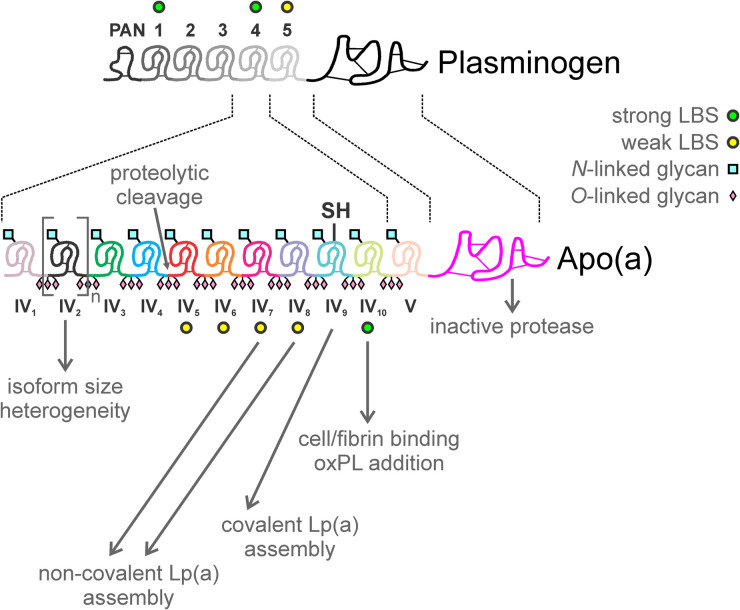
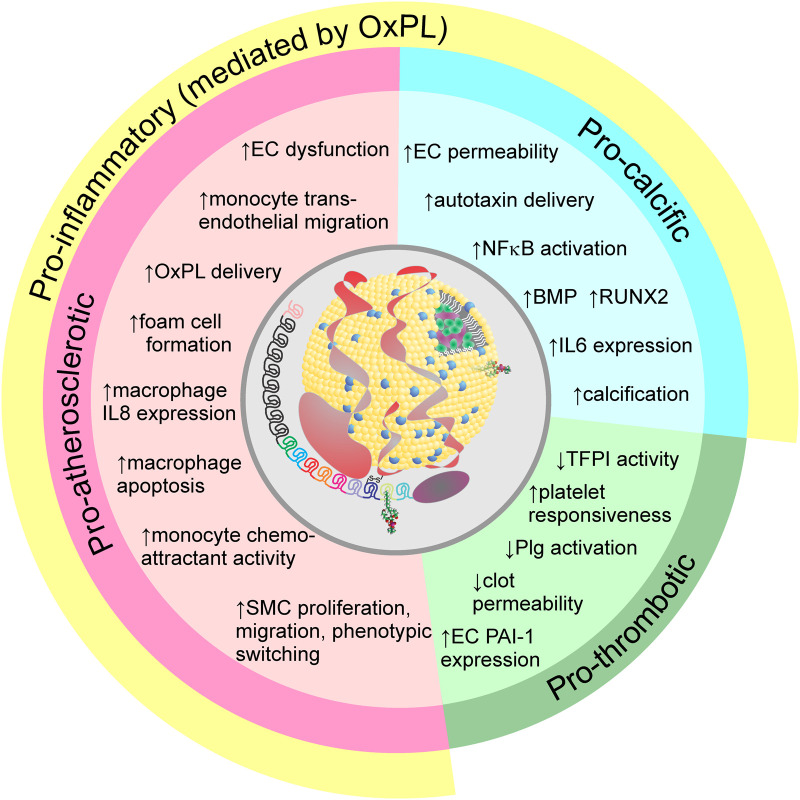
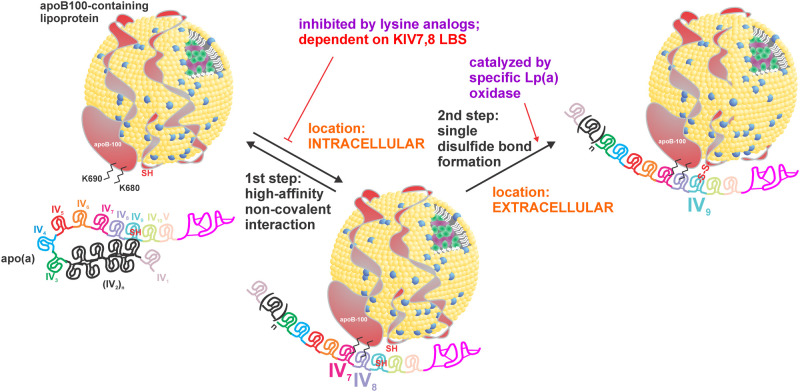
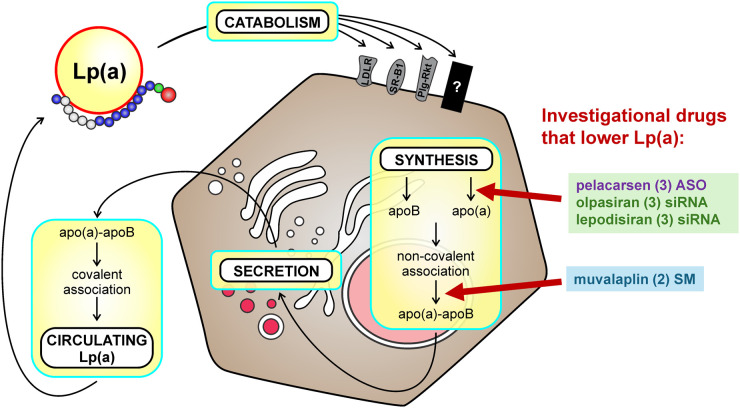
Elevated plasma levels of lipoprotein(a) (Lp(a)) are a prevalent, independent, and causal risk factor for atherosclerotic cardiovascular disease and calcific aortic valve disease. Lp(a) consists of a lipoprotein particle resembling low density lipoprotein and the covalently-attached glycoprotein apolipoprotein(a) (apo(a)). Novel therapeutics that specifically and potently lower Lp(a) levels are currently in advanced stages of clinical development, including in large, phase 3 cardiovascular outcomes trials. However, fundamental unanswered questions remain concerning some key aspects of Lp(a) biosynthesis and catabolism as well as the true pathogenic mechanisms of the particle. In this review, we describe the salient biochemical features of Lp(a) and apo(a) and how they underlie the disease-causing potential of Lp(a), the factors that determine plasma Lp(a) concentrations, and the mechanism of action of Lp(a)-lowering drugs.
脂蛋白(a)[Lp(a)]水平升高是动脉粥样硬化性心血管疾病和心脏瓣膜钙化性疾病的普遍、独立和因果危险因素。Lp(a)由类似于低密度脂蛋白的脂蛋白颗粒和共价连接的载脂蛋白(a)[apo(a)]组成。目前,专门且强效降低 Lp(a)水平的新型疗法已处于临床开发的后期阶段,包括大型 3 期心血管结局试验。然而,关于 Lp(a)的生物合成和分解代谢的一些关键方面以及该颗粒的真正致病机制,仍存在一些悬而未决的基本问题。在这篇综述中,我们描述了 Lp(a)和 apo(a)的显著生化特征,以及它们如何构成 Lp(a)致病潜力的基础、决定血浆 Lp(a)浓度的因素,以及降低 Lp(a)药物的作用机制。