Chiva Sara Montolio, Fernandez Paula Gomez, Garcia Antonio Manuel Gutiérrez, Ruiz Maria Del Carmen Ballester, Mayol Antonia Sampol, Montaña Albert Perez
Hospital Universitari Son Espases, IdISBa, Palma de Mallorca, Spain.
Hospital Universitari Son Espases, IdISBa, Palma de Mallorca, Spain.
Hematol Transfus Cell Ther. 2025 Jan-Mar;47(1):103688. doi: 10.1016/j.htct.2024.04.126. Epub 2024 Sep 7.
Stem cell mobilization is a well-known procedure to harvest hematopoietic stem cells for autologous stem cell transplantation in certain hematologic diseases. Numerous studies have been conducted to identify risk factors for poor mobilization but there are no studies that identify good mobilizers. In our hospital, we decided to explore good mobilizers, defining them as those with ≥40 CD34 cells/μL on Day +4 in order to start early apheresis.
A descriptive retrospective study was performed at Hospital Universitari Son Espases. A total of 198 patients mobilized with doses of around 10 µg/kg of granulocyte colony-stimulating factor (G-CSF) every 12 h were analyzed for autologous collection between January 2015 and September 2022. Fifty patients who had ≥40 CD34 cells/μL on Day +4 started early apheresis; the rest continued mobilization as planned. Success was defined as obtaining over 2.5 × 10 CD34 cells/kg in a single apheresis.
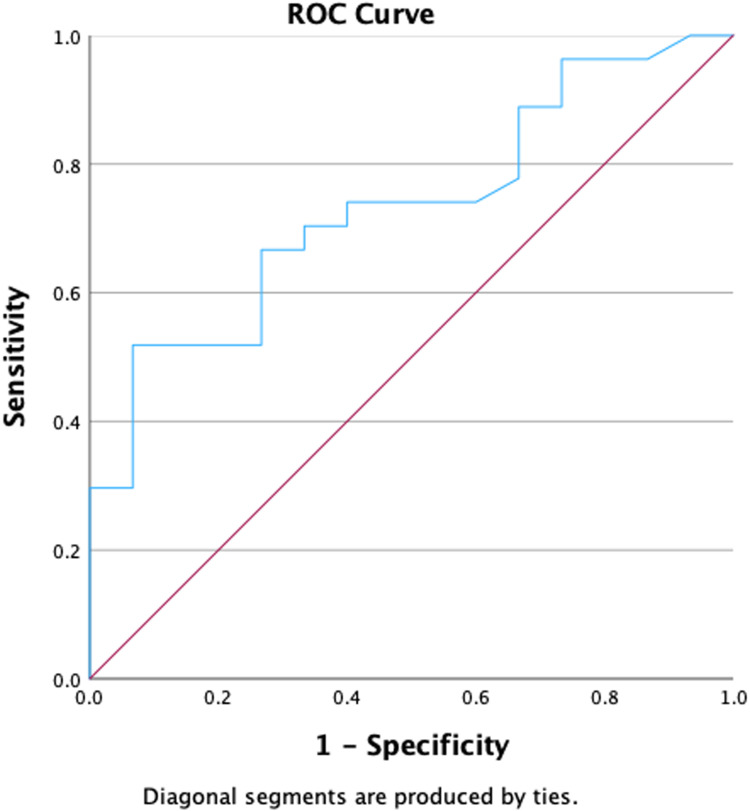
The necessary number of CD34 cells/kg to perform an autologous stem cell transplantation was reached in a single apheresis session in 62 % of patients with ≥40 CD34 cells/μL in peripheral blood. A cutoff of 102 CD34 cells/μL on Day +4 was shown to have the best success rate (94 %). In an analysis of success, age, previously failed mobilization and having one or more adverse factors for bad mobilization were statistically significant.
Patients considered as good mobilizers were matched with our factors of poor mobilization, revealing that most patients (79 %) had none or only one risk factor for poor mobilization. Apheresis on Day +4 in good mobilizers was shown to be an effective alternative to reduce mobilization duration and decrease the amount of granulocyte-colony stimulating factor administered.
干细胞动员是一种为某些血液系统疾病进行自体干细胞移植采集造血干细胞的知名方法。众多研究致力于确定动员效果不佳的危险因素,但尚无研究确定良好的动员剂。在我院,我们决定探索良好的动员剂,将其定义为在第4天CD34细胞≥40个/μL的患者,以便尽早开始单采。
在Son Espases大学医院进行了一项描述性回顾性研究。分析了2015年1月至2022年9月期间198例每12小时接受约10μg/kg粒细胞集落刺激因子(G-CSF)剂量动员以进行自体采集的患者。50例在第4天CD34细胞≥40个/μL的患者尽早开始单采;其余患者按计划继续动员。成功定义为单次单采获得超过2.5×10 CD34细胞/kg。
外周血CD34细胞≥40个/μL的患者中,62%在单次单采过程中达到了进行自体干细胞移植所需的CD34细胞/kg数量。第4天CD34细胞为102个/μL时成功率最高(94%)。在成功分析中,年龄、既往动员失败以及存在一个或多个动员不佳的不利因素具有统计学意义。
被视为良好动员剂的患者与我们的动员不佳因素相匹配,表明大多数患者(79%)没有或仅有一个动员不佳的危险因素。良好动员剂在第4天进行单采被证明是减少动员时间和减少粒细胞集落刺激因子给药量的有效替代方法。