Antón Jordi, Mosquera Juan Manuel, Calzada Joan, Iglesias Estíbaliz, Zacarías Andrea, Olivé Alejandro, Bittermann Violeta, Lorenzo Tania Rodríguez, Remesal Agustín, Quintana-Ortega Cristian, Nuño-Nuño Laura, Robles-Marhuenda Angel, de Inocencio Jaime, Martín-López María, Carreira Patricia E, Brandy-García Anahy M, Holgado Susana, Camacho-Lovillo Marisol, Ruiz-Román Alberto, Clemente Daniel, Narváez Javier, Campos José, Sánchez-Manubens Judith, Bernabéu Pilar, Graña Jenaro, Vargas Carmen, Ortiz-Santamaria Vera, Castañeda Santos, de Yébenes María Jesús García, Carmona Loreto
Hospital Sant Joan de Déu, Barcelona, Spain.
Department of Surgery and Medical-Surgical Specialties, Obstetrics, Gynecology and Pediatrics. Medicine and Health Sciences School, Universitat de Barcelona, Barcelona, Spain.
Rheumatol Int. 2024 Dec;44(12):2911-2920. doi: 10.1007/s00296-024-05658-6. Epub 2024 Sep 23.
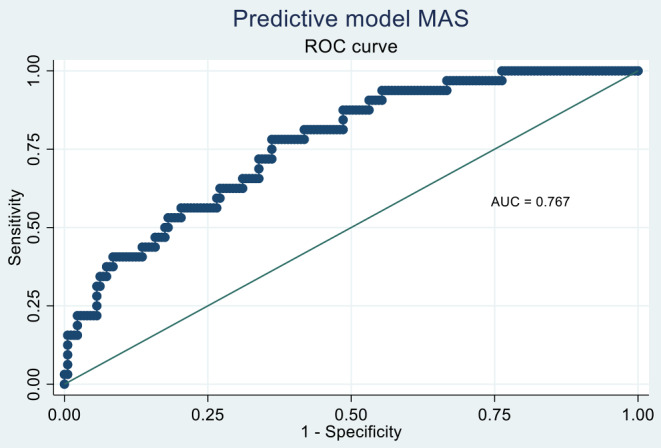
To describe the characteristics of systemic juvenile idiopathic arthritis (sJIA) and adult-onset Still's disease (AOSD), compare their presentation and evolution, and analyse possible complication predictors. Multicenter study. Data were retrieved from a hospital-based study of patients with a diagnosis or suspected diagnosis of sJIA or AOSD according to the responsible physician and followed-up for at least one year. Descriptive variables (classification criteria, clinical manifestations, complications, family, and personal history) were collected at disease onset and during follow-up. We present the clinical characteristics of 326 patients, 67% of whom had a diagnosis of sJIA and 33% of AOSD. Clinical manifestation frequencies were similar between the two groups, except for odynophagia, which was significantly more frequent in AOSD than in sJIA (78.4% vs. 25.5%; p < 0.0001). Among the complications, macrophage activation syndrome (MAS) was significantly more common in sJIA than in AOSD (24.4% vs. 9.5%; p = 0.002), to the extent that an sJIA diagnosis significantly increased the risk of MAS, together with serositis presence, and the need for biological therapy. Patients with sJIA and AOSD showed similar characteristics, supporting the idea that they are both part of Still's disease, but are expressed at different ages. Differences in manifestations and complications might be due to different management between diseases and immune response maturity.
描述全身型幼年特发性关节炎(sJIA)和成人斯蒂尔病(AOSD)的特征,比较它们的表现和演变,并分析可能的并发症预测因素。多中心研究。数据来自一项基于医院的研究,该研究纳入了经负责医生诊断或疑似诊断为sJIA或AOSD的患者,并进行了至少一年的随访。在疾病发作时和随访期间收集描述性变量(分类标准、临床表现、并发症、家族史和个人史)。我们呈现了326例患者的临床特征,其中67%诊断为sJIA,33%诊断为AOSD。两组之间的临床表现频率相似,但吞咽痛在AOSD中明显比sJIA更常见(78.4%对25.5%;p<0.0001)。在并发症方面,巨噬细胞活化综合征(MAS)在sJIA中比在AOSD中明显更常见(24.4%对9.5%;p=0.002),以至于sJIA诊断显著增加了MAS的风险,同时伴有浆膜炎的存在以及生物治疗的需求。sJIA和AOSD患者表现出相似的特征,支持了它们都是斯蒂尔病的一部分,但在不同年龄表现出来的观点。表现和并发症的差异可能是由于疾病管理和免疫反应成熟度的不同。