Department of Laboratory Medicine, Wuxi No. 2 People's Hospital, Wuxi, Jiangsu, China.
Wuxi School of Medicine, Jiangnan University, Wuxi, Jiangsu, China.
J Transl Med. 2024 Sep 23;22(1):854. doi: 10.1186/s12967-024-05677-8.
Respiratory syncytial virus (RSV) is a prominent etiological agent of lower respiratory tract infections in children, responsible for approximately 80% of cases of pediatric bronchiolitis and 50% of cases of infant pneumonia. Despite notable progress in the diagnosis and management of pediatric RSV infection, the current biomarkers for early-stage detection remain insufficient to meet clinical needs. Therefore, the development of more effective biomarkers for early-stage pediatric respiratory syncytial virus infection (EPR) is imperative.
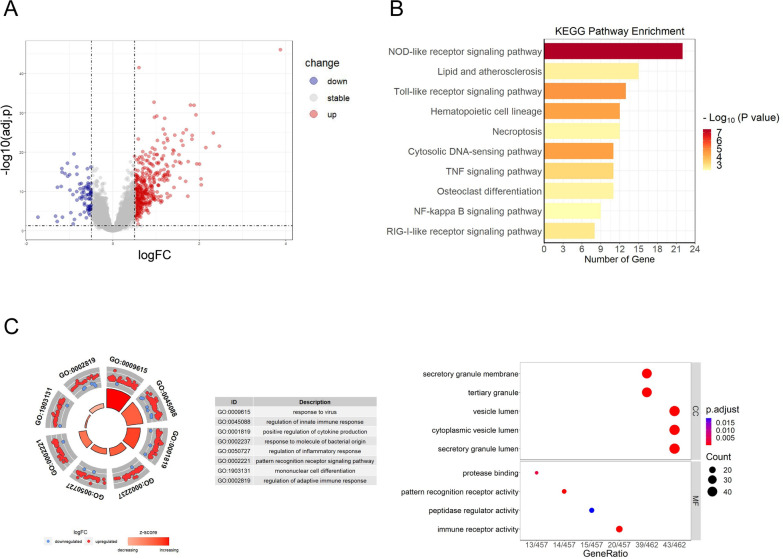
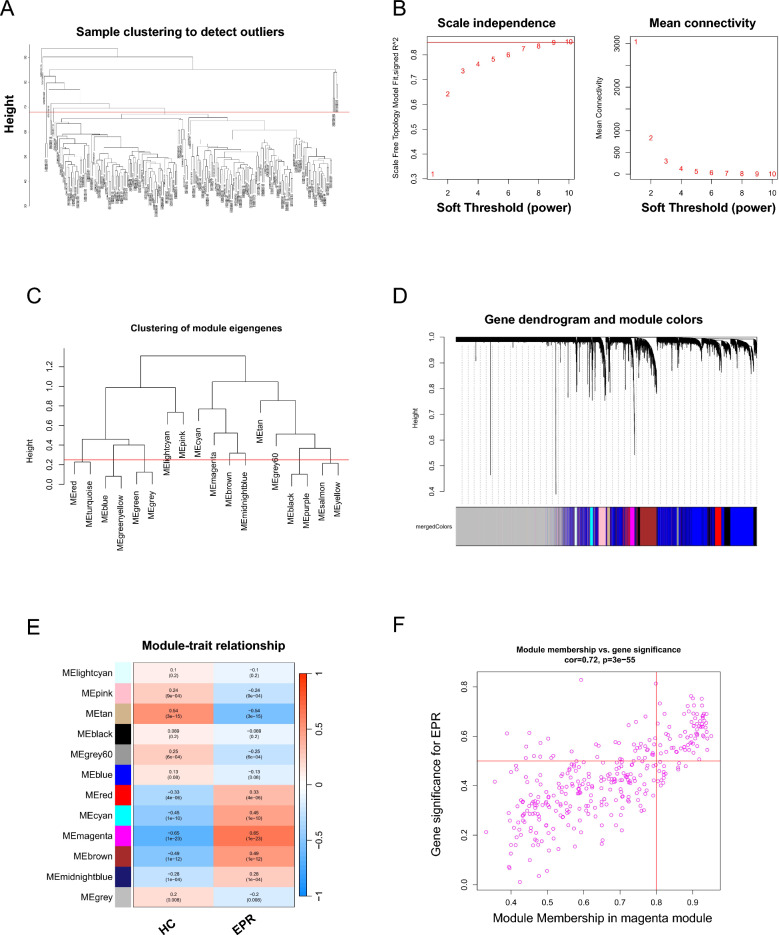
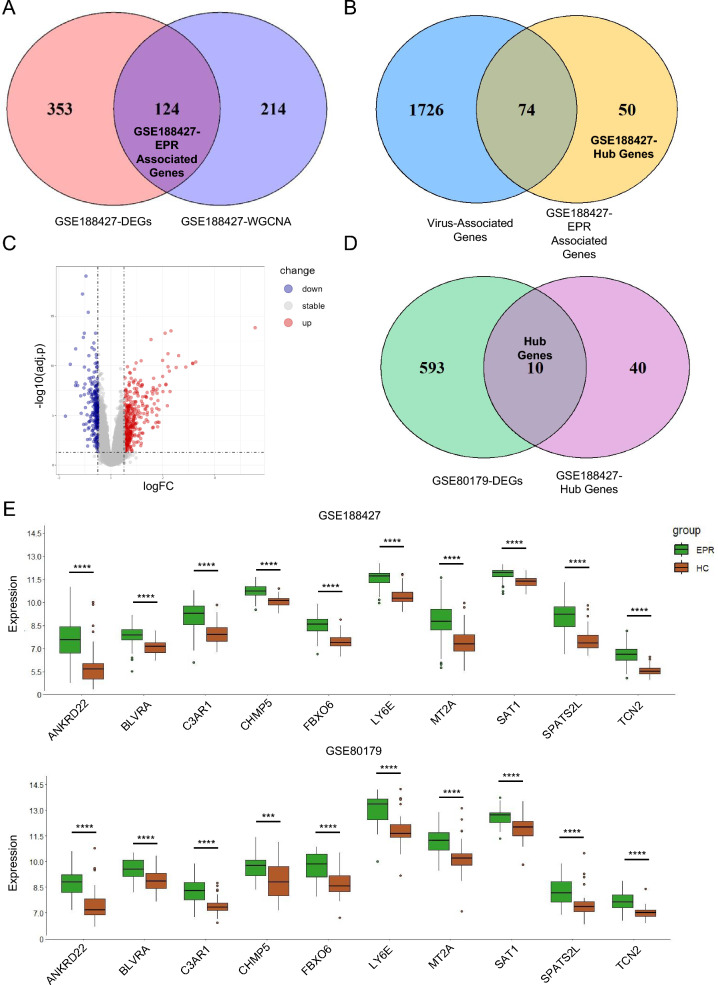
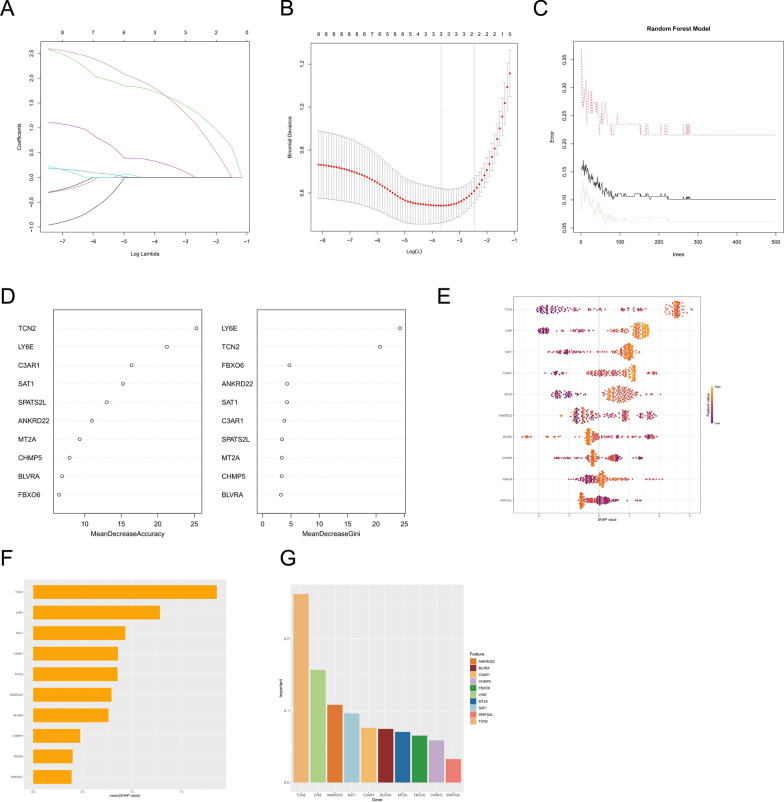
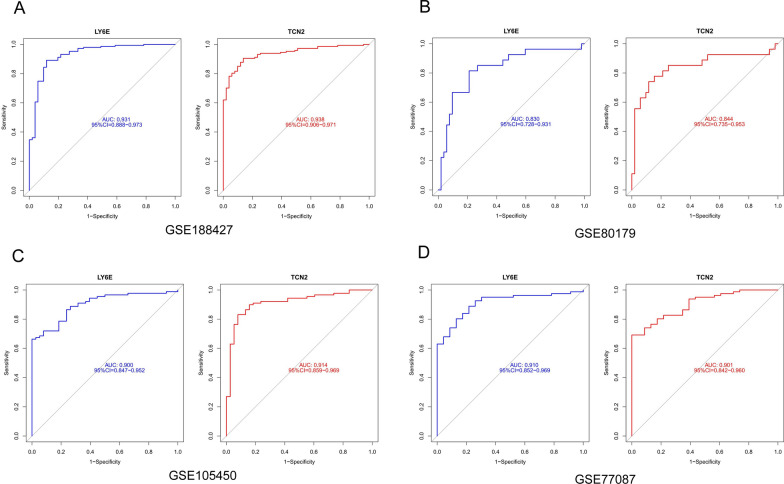
The datasets used in this study were derived from the Gene Expression Omnibus (GEO) database. We used GSE188427 dataset as the training set to screen for biomarkers. Biomarkers of EPR were screened by Weighted Gene Co-expression Network Analysis (WGCNA), three machine-learning algorithms (LASSO regression, Random Forest, XGBoost), and other comprehensive bioinformatics analysis techniques. To evaluate the diagnostic value of these biomarkers, multiple external and internal datasets were employed as validation sets. Next, an examination was performed to investigate the relationship between the screened biomarkers and the infiltration of immune cells. Furthermore, an investigation was carried out to identify potential small molecule compounds that interact with selected diagnostic markers. Finally, we confirmed that the expression levels of the selected biomarkers exhibited a significant increase following RSV infection, and they were further identified as having antiviral properties.
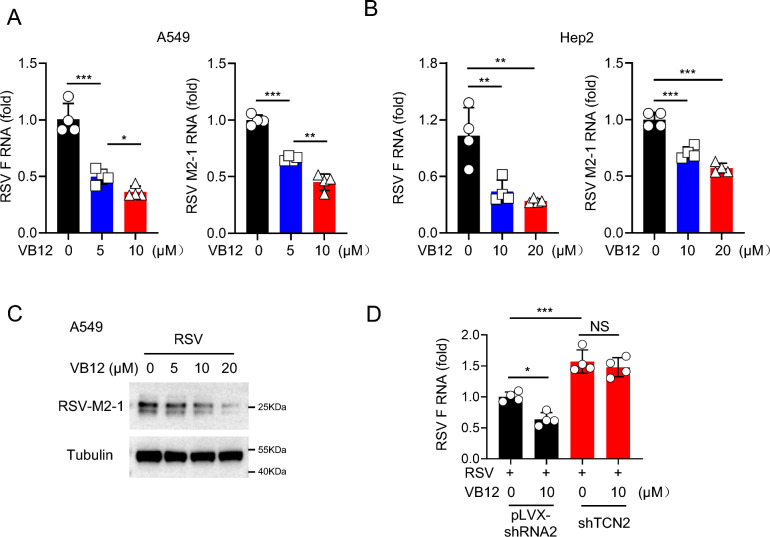
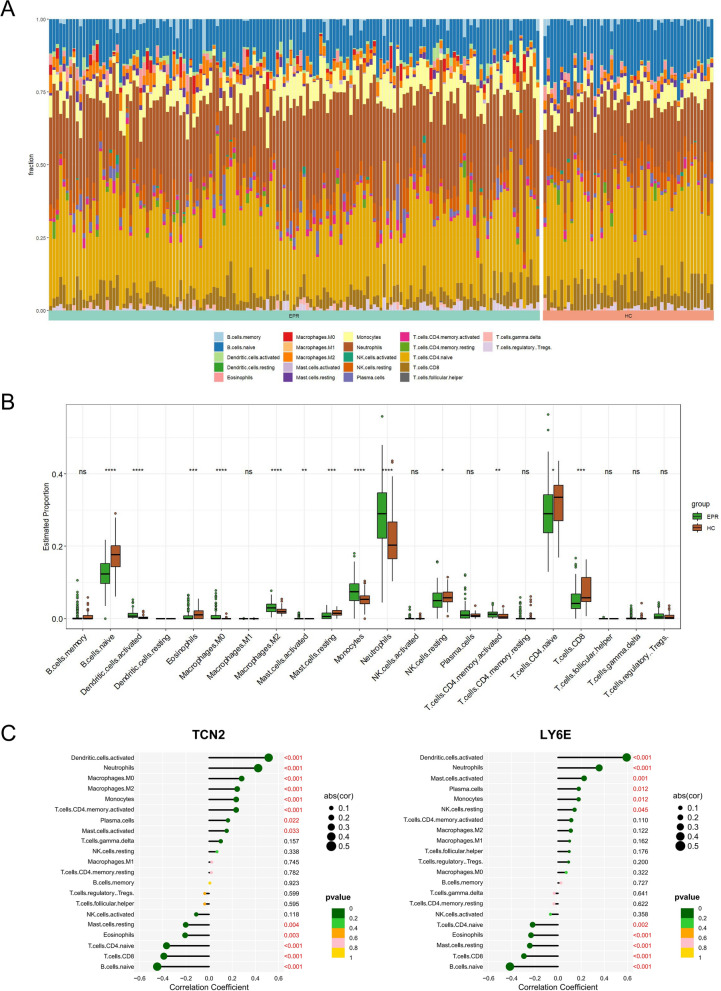
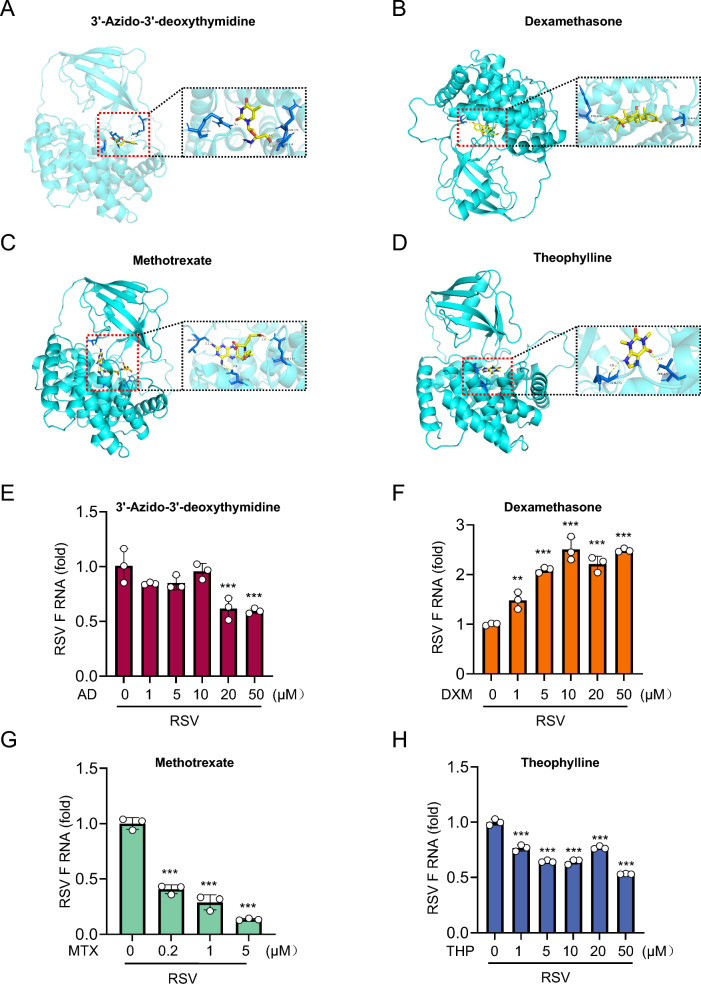
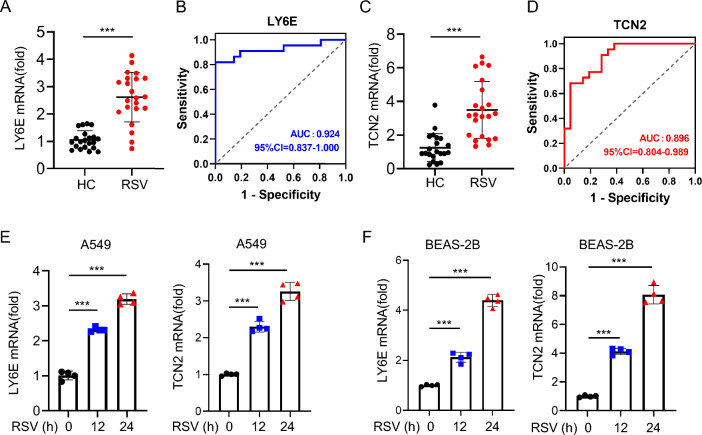
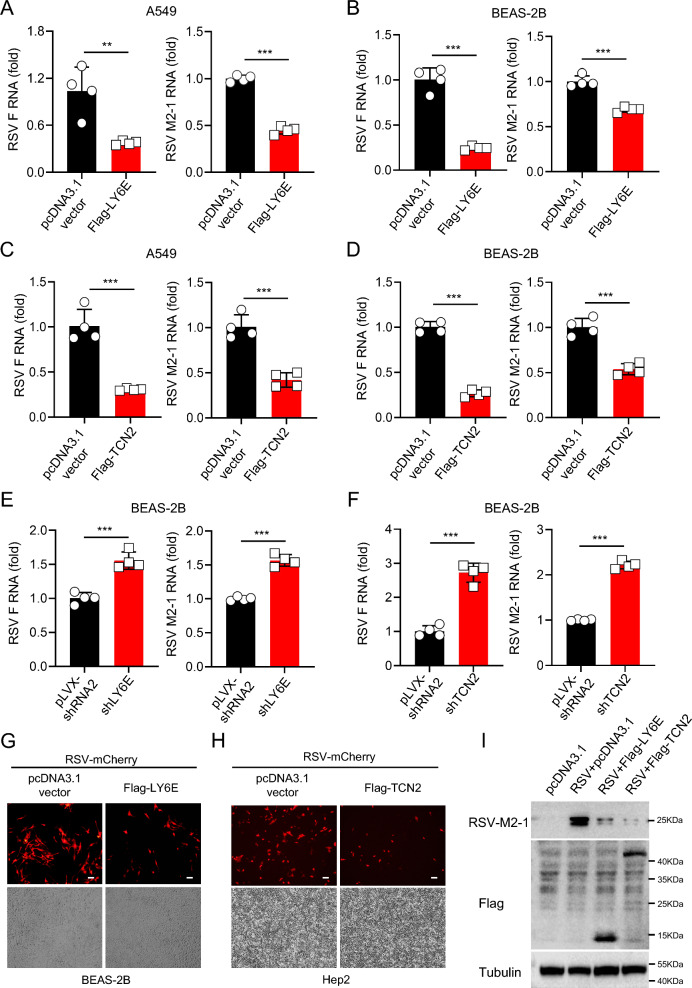
The study found that lymphocyte antigen 6E (LY6E) and Transcobalamin-2 (TCN2) are two biomarkers with diagnostic significance in EPR. Analysis of immune cell infiltration showed that they were associated with activation of multiple immune cells. Furthermore, our analysis demonstrated that small molecules, 3'-azido-3'-deoxythymine, methotrexate, and theophylline, have the potential to bind to TCN2 and exhibit antiviral properties. These compounds may serve as promising therapeutic agents for the management of pediatric RSV infections. Additionally, our data revealed an upregulation of LY6E and TCN2 expression in PBMCs from patients with RSV infection. ROC analysis indicated that LY6E and TCN2 possessed diagnostic value for RSV infection. Finally, we confirmed that LY6E and TCN2 expression increased after RSV infection and further inhibited RSV infection in A549 and BEAS-2B cell lines. Importantly, based on TCN2, our findings revealed the antiviral properties of a potentially efficacious compound, vitamin B12.
LY6E and TCN2 are potential peripheral blood diagnostic biomarkers for pediatric RSV infection. LY6E and TCN2 inhibit RSV infection, indicating that LY6E and TCN2 are potential therapeutic target for RSV infection.
呼吸道合胞病毒(RSV)是儿童下呼吸道感染的主要病原体,约 80%的小儿毛细支气管炎和 50%的婴儿肺炎由其引起。尽管在小儿 RSV 感染的诊断和管理方面取得了显著进展,但目前用于早期检测的生物标志物仍不足以满足临床需求。因此,开发更有效的小儿呼吸道合胞病毒感染(EPR)早期生物标志物势在必行。
本研究使用的数据集来自基因表达综合数据库(GEO)。我们使用 GSE188427 数据集作为训练集筛选生物标志物。通过加权基因共表达网络分析(WGCNA)、三种机器学习算法(LASSO 回归、随机森林、XGBoost)和其他综合生物信息学分析技术筛选 EPR 的生物标志物。为了评估这些生物标志物的诊断价值,我们使用了多个外部和内部数据集作为验证集。接下来,我们研究了筛选出的生物标志物与免疫细胞浸润的关系。此外,我们还发现了一些与选定诊断标志物相互作用的潜在小分子化合物。最后,我们证实,所选生物标志物的表达水平在 RSV 感染后显著升高,并且具有抗病毒特性。
本研究发现淋巴细胞抗原 6E(LY6E)和转钴胺素 2(TCN2)是 EPR 中具有诊断意义的两个生物标志物。免疫细胞浸润分析表明,它们与多种免疫细胞的激活有关。此外,我们的分析表明,小分子 3'-叠氮-3'-脱氧胸苷、甲氨蝶呤和茶碱有与 TCN2 结合并具有抗病毒特性的潜力。这些化合物可能成为管理小儿 RSV 感染的有前途的治疗药物。此外,我们的数据显示,RSV 感染患者 PBMC 中 LY6E 和 TCN2 的表达上调。ROC 分析表明,LY6E 和 TCN2 对 RSV 感染具有诊断价值。最后,我们证实 LY6E 和 TCN2 在 RSV 感染后表达增加,并进一步抑制 A549 和 BEAS-2B 细胞系中的 RSV 感染。重要的是,基于 TCN2,我们的研究结果揭示了一种潜在有效的化合物维生素 B12 的抗病毒特性。
LY6E 和 TCN2 是小儿 RSV 感染的潜在外周血诊断生物标志物。LY6E 和 TCN2 抑制 RSV 感染,表明 LY6E 和 TCN2 可能是 RSV 感染的治疗靶点。