Zhang Sulei, Sun Jun, Guo Shuaihang, Wang Yichen, Zhang Yuheng, Lei Jiao, Liu Xiaoli, Chen Hong
State and Local Joint Engineering Laboratory for Novel Functional Polymeric Materials, College of Chemistry, Chemical Engineering and Materials Science, Soochow University, Suzhou215123, P. R. China.
The SIP Biointerface Engineering Research Institute, Suzhou215123, P. R. China.
Regen Biomater. 2024 Aug 24;11:rbae096. doi: 10.1093/rb/rbae096. eCollection 2024.
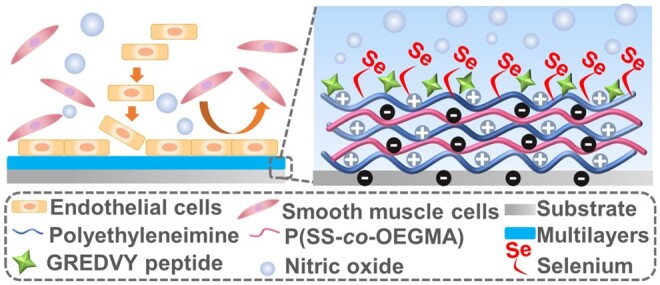
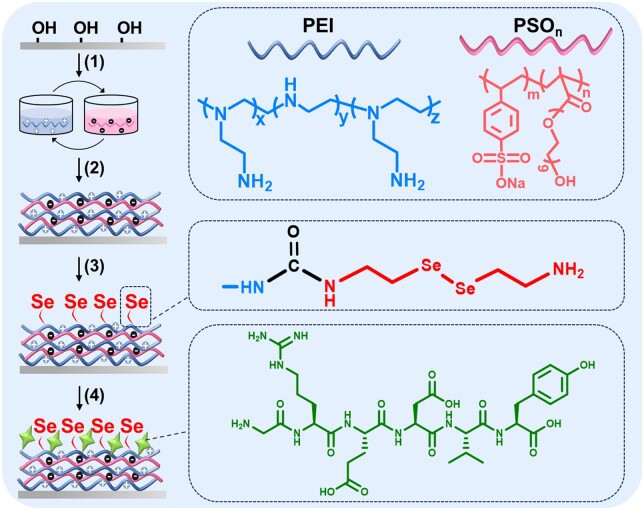
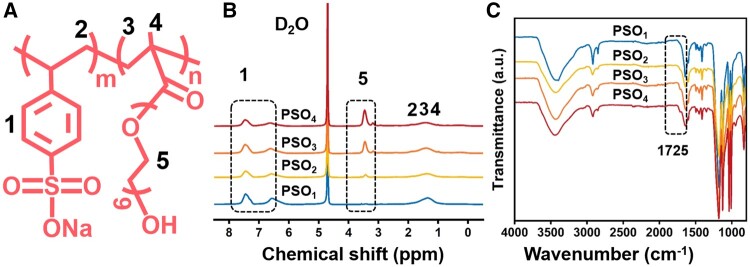
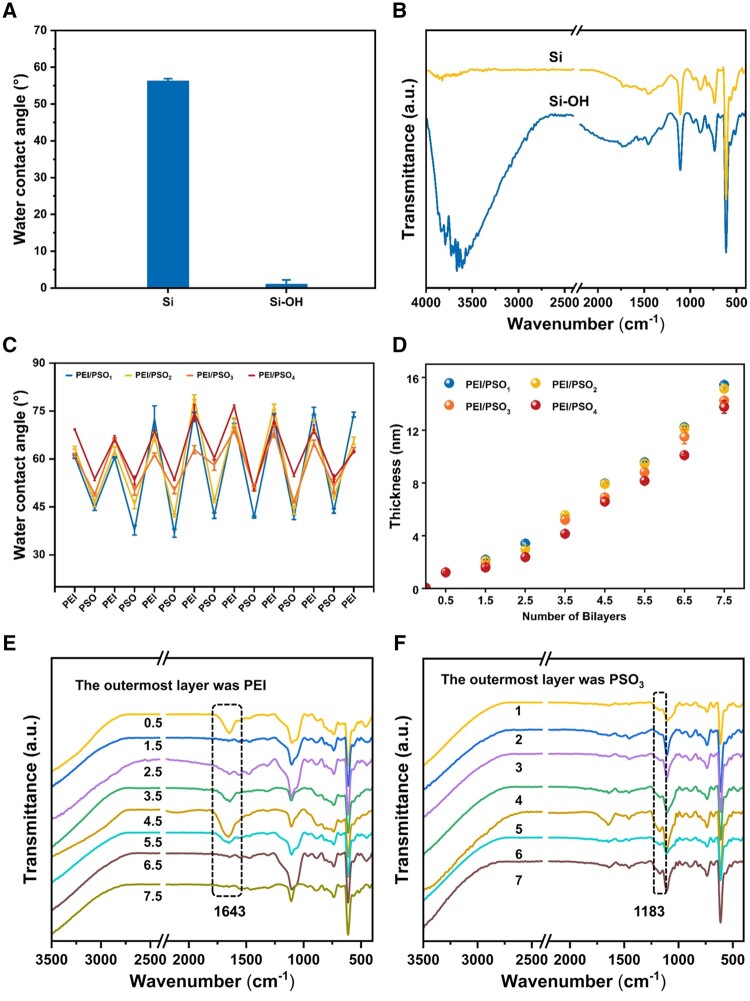
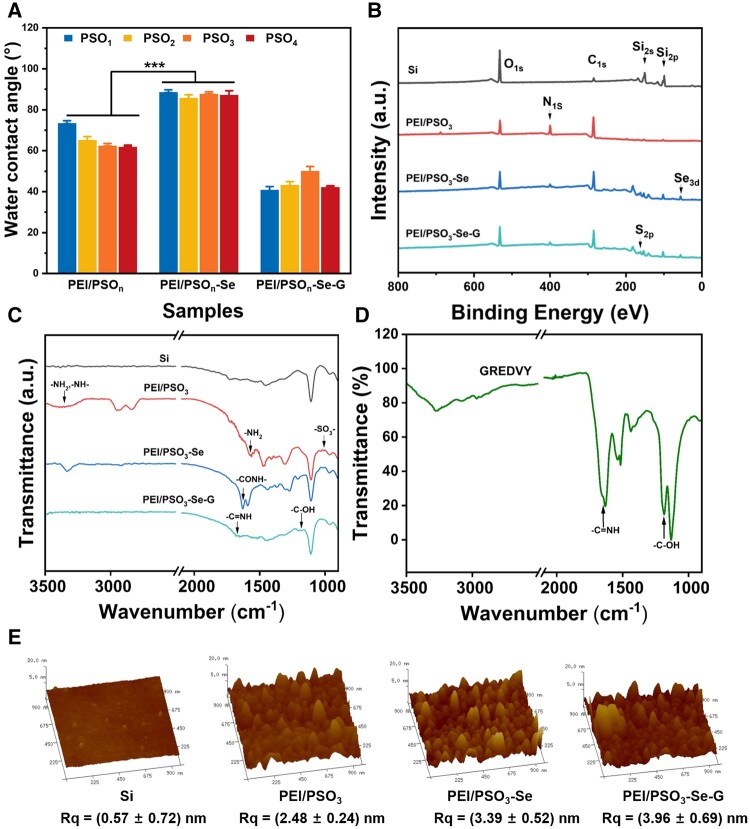
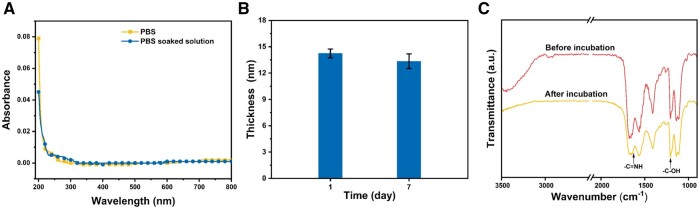
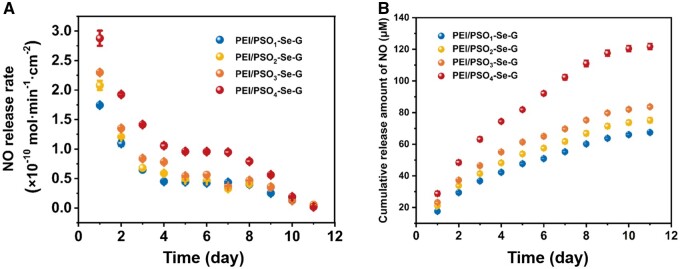
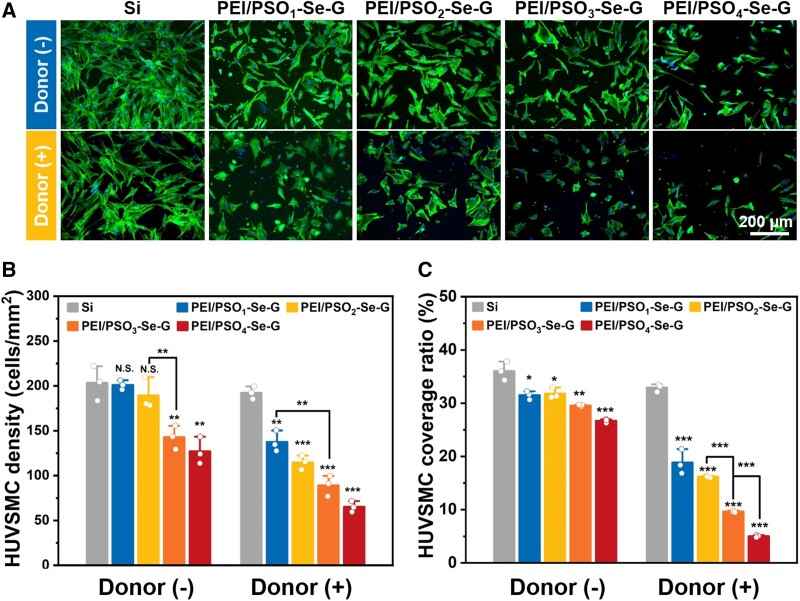
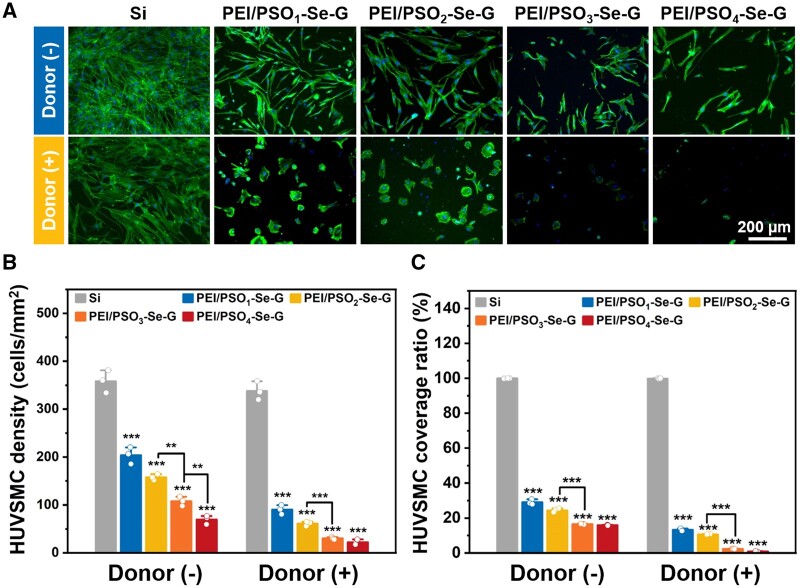
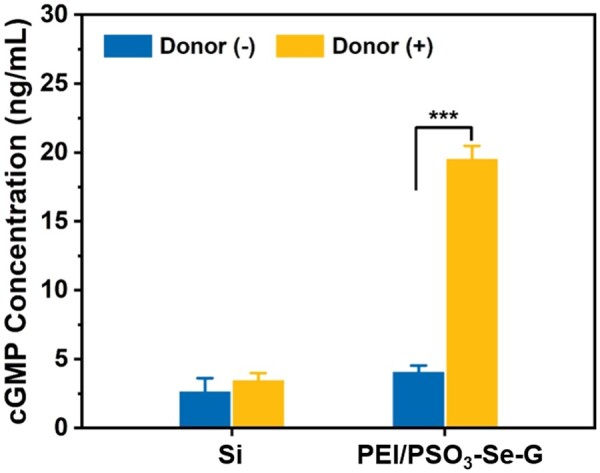
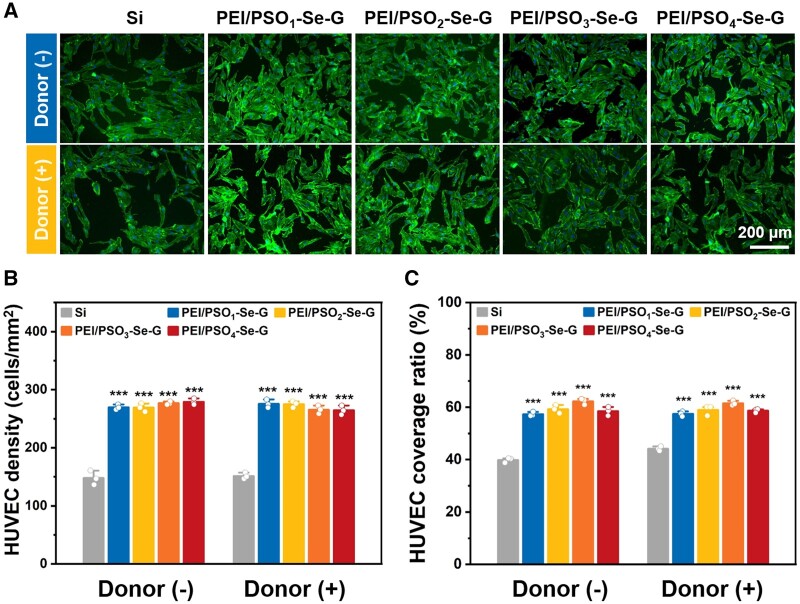
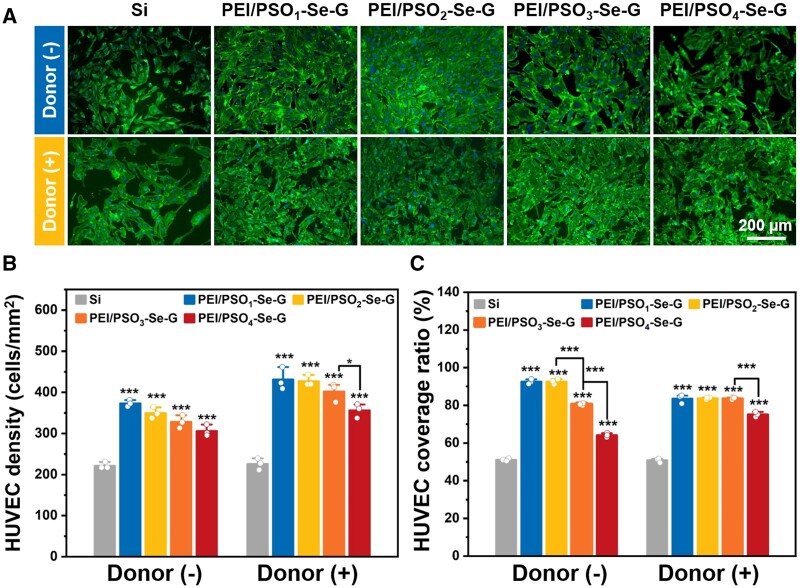
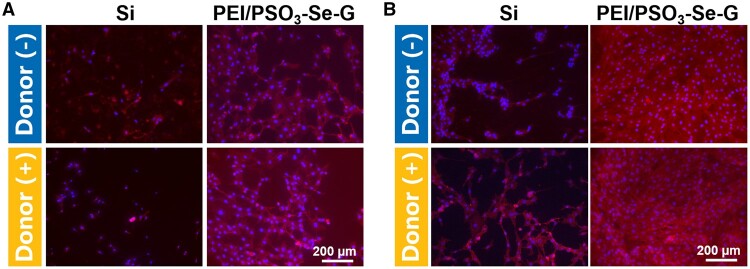
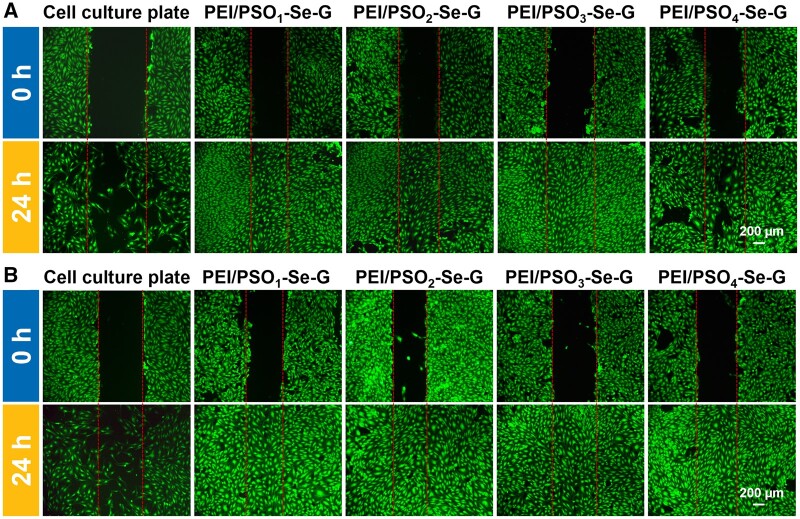
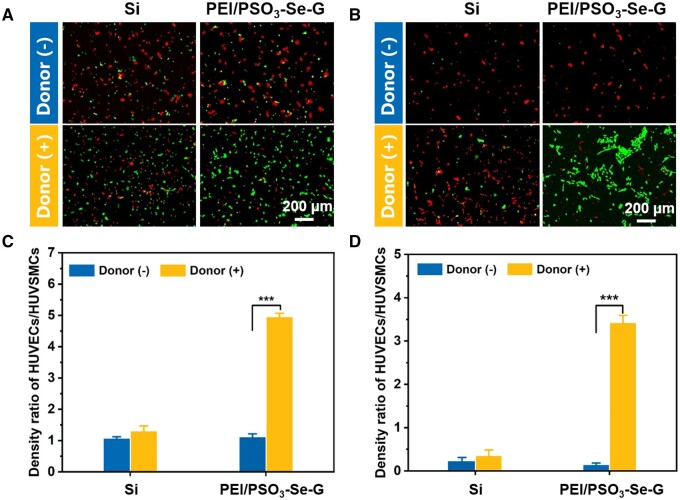
Surface endothelialization is a promising way to improve the hemocompatibility of biomaterials. However, current surface endothelialization strategies have limitations. For example, various surface functions are not well balanced, leading to undesirable results, especially when multiple functional components are introduced. In this work, a multifunctional surface was constructed by balancing the functions of antifouling, nitric oxide (NO) release and endothelial cell promotion via layer-by-layer (LBL) self-assembly. Poly(sodium -styrenesulfonate-oligo(ethylene glycol) methacrylate) (negatively charged) and polyethyleneimine (positively charged) were deposited on silicon substrates to construct multilayers by LBL self-assembly. Then, organic selenium, which has a NO-releasing function, and the cell-adhesive peptide Gly-Arg-Glu-Asp-Val-Tyr, which selectively promotes endothelial cells, were introduced on the assembled multilayers. Poly(oligo(ethylene glycol) methacrylate) is a hydrophilic component for antifouling properties, and poly(sodium -styrenesulfonate) is a heparin analog that provides negative charges. By modulating the contents of poly(oligo(ethylene glycol) methacrylate) and poly(sodium styrenesulfonate) in the copolymers, the NO release rates catalyzed by the modified surfaces were regulated. Moreover, the behaviors of endothelial cells and smooth muscle cells on modified surfaces were well controlled. The optimized surface strongly promoted endothelial cells and inhibited smooth muscle cells to achieve endothelialization effectively.
表面内皮化是改善生物材料血液相容性的一种很有前景的方法。然而,目前的表面内皮化策略存在局限性。例如,各种表面功能没有得到很好的平衡,导致不理想的结果,尤其是在引入多种功能成分时。在这项工作中,通过层层(LBL)自组装平衡防污、一氧化氮(NO)释放和促进内皮细胞功能,构建了一种多功能表面。将聚(苯乙烯磺酸钠-聚乙二醇甲基丙烯酸酯)(带负电荷)和聚乙烯亚胺(带正电荷)沉积在硅基底上,通过LBL自组装构建多层膜。然后,将具有NO释放功能的有机硒和选择性促进内皮细胞的细胞黏附肽甘氨酸-精氨酸-谷氨酸-天冬氨酸-缬氨酸-酪氨酸引入组装好的多层膜上。聚(聚乙二醇甲基丙烯酸酯)是具有防污性能的亲水性成分,聚(苯乙烯磺酸钠)是提供负电荷的肝素类似物。通过调节共聚物中聚(聚乙二醇甲基丙烯酸酯)和聚(苯乙烯磺酸钠)的含量,调控修饰表面催化的NO释放速率。此外,修饰表面上内皮细胞和平滑肌细胞的行为得到了很好的控制。优化后的表面强烈促进内皮细胞生长并抑制平滑肌细胞生长,从而有效地实现内皮化。