Molecular Immunogenetics Group, Department of Genetics, Ribeirão Preto Medical School, University of São Paulo (USP), Ribeirão Preto, SP, Brazil.
Blood Center of Ribeirão Preto, Ribeirão Preto Medical School, University of São Paulo (USP), Ribeirão Preto, SP, Brazil.
Front Immunol. 2024 Aug 26;15:1376655. doi: 10.3389/fimmu.2024.1376655. eCollection 2024.
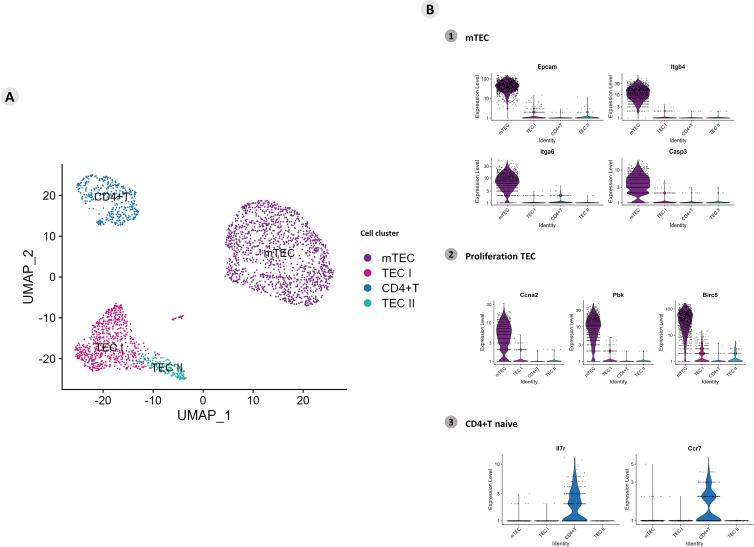
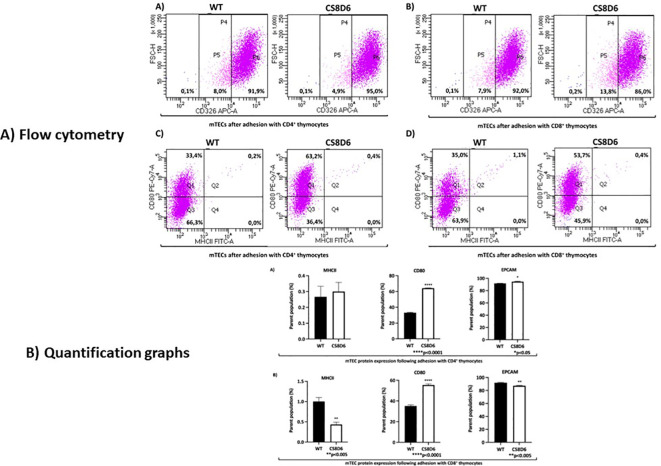
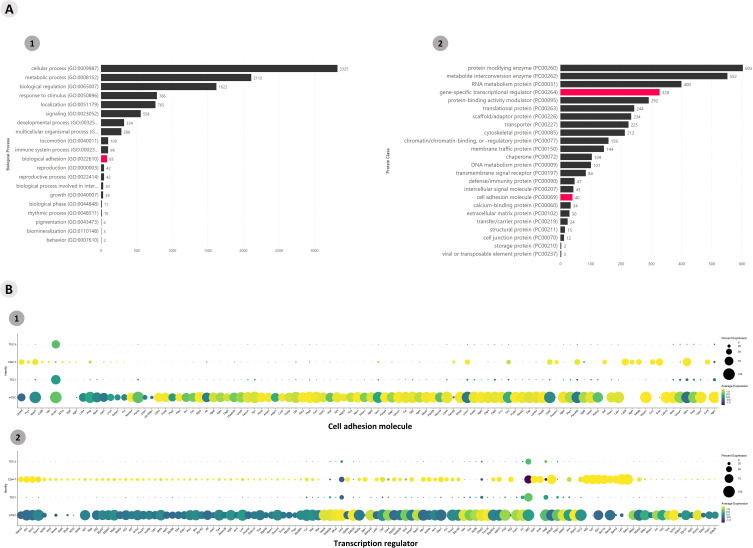
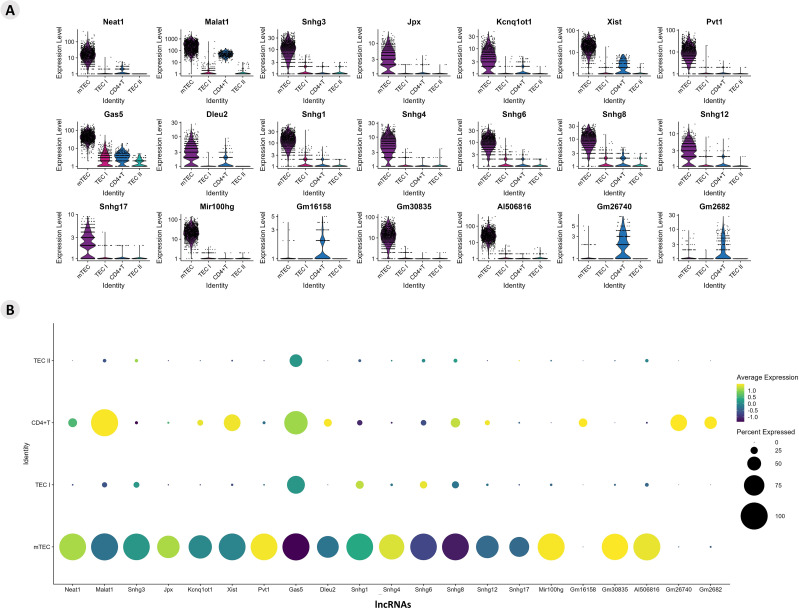
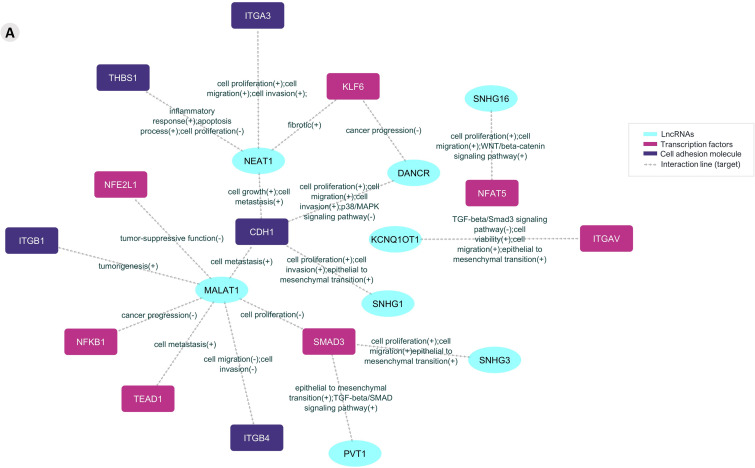
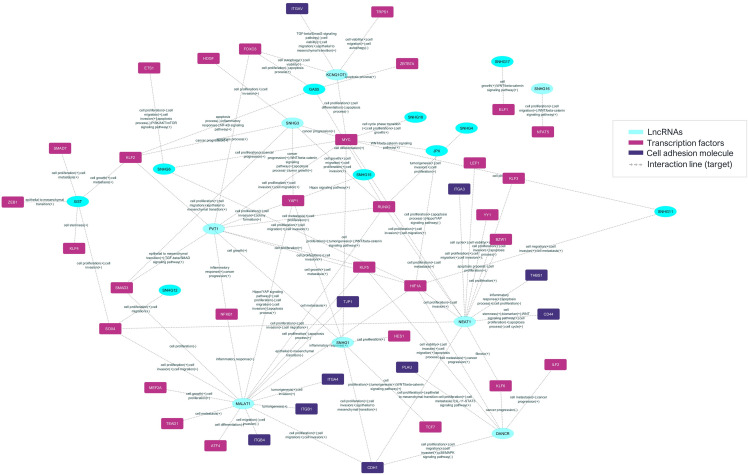
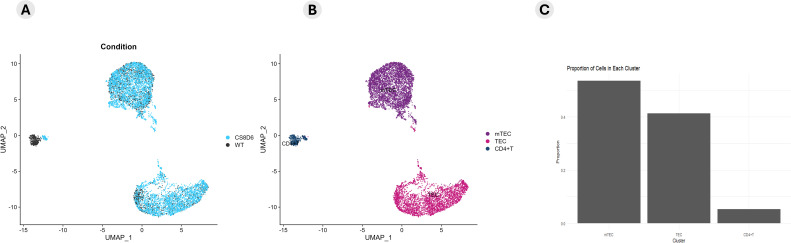
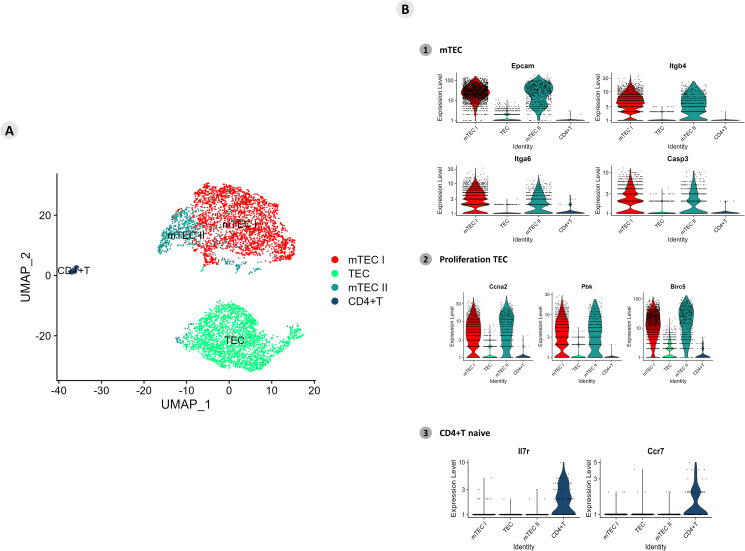
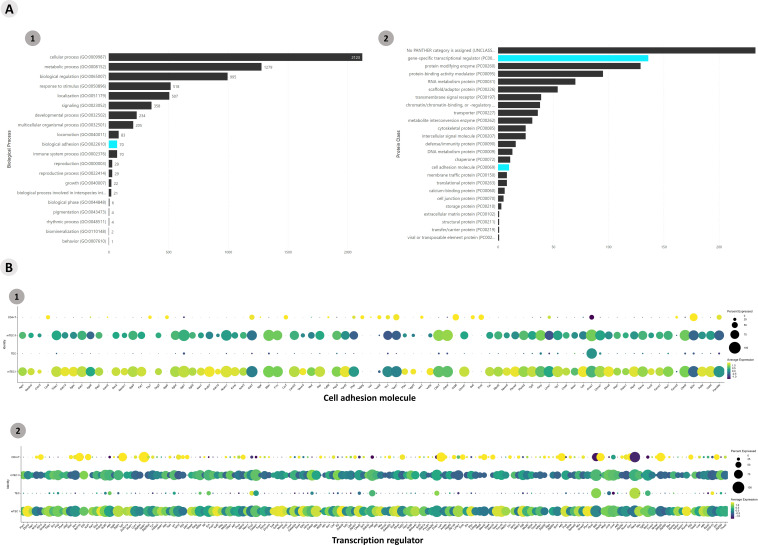
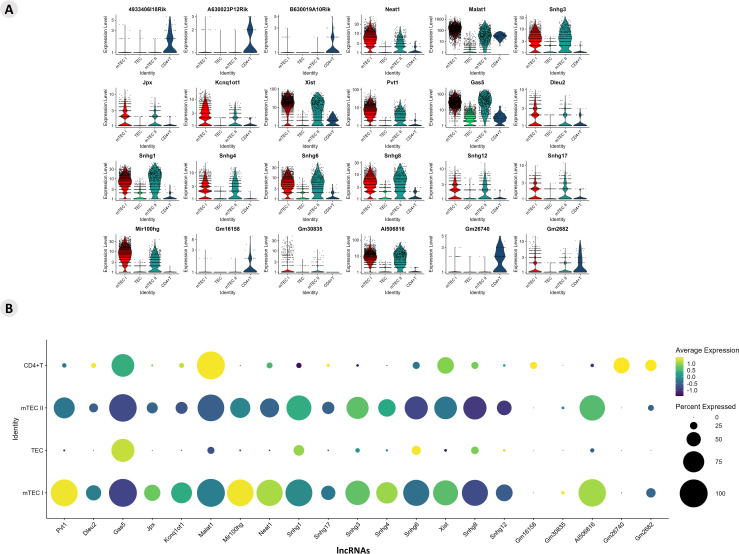
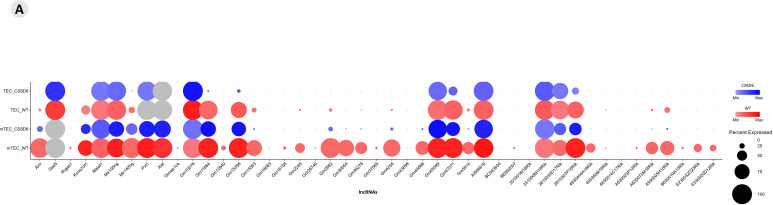
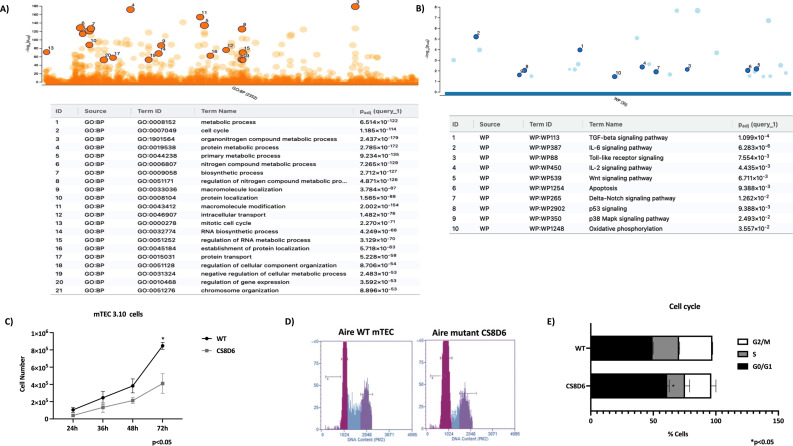
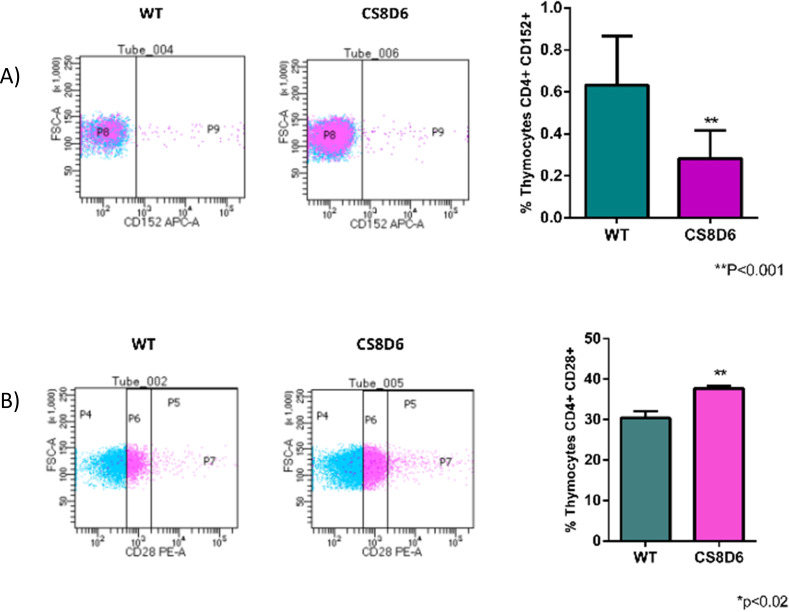
To further understand the impact of deficiency of the autoimmune regulator () gene during the adhesion of medullary thymic epithelial cells (mTECs) to thymocytes, we sequenced single-cell libraries (scRNA-seq) obtained from wild-type (WT) ( ) or -deficient ( ) mTECs cocultured with WT single-positive (SP) CD4 thymocytes. Although the libraries differed in their mRNA and long noncoding RNA (lncRNA) profiles, indicating that mTECs were heterogeneous in terms of their transcriptome, UMAP clustering revealed that both mTEC lines expressed their specific markers, i.e., , , and in resting mTECs and , and in proliferative mTECs. Both cocultured SP CD4 thymocytes remained in a homogeneous cluster expressing the and markers. Comparisons of the two types of cocultures revealed the differential expression of mRNAs that encode transcription factors (, and ), cell adhesion genes () in mTECs, and Themis in thymocytes, which is associated with the regulation of positive and negative selection. At the single-cell sequencing resolution, we observed that acts on both WT and -deficient mTECs as an upstream controller of mRNAs, which encode transcription factors or adhesion proteins that, in turn, are posttranscriptionally controlled by lncRNAs, for example, Neat1, Malat1, Pvt1, and Dancr among others. Under deficiency, mTECs dysregulate the expression of MHC-II, CD80, and CD326 (EPCAM) protein markers as well as metabolism and cell cycle-related mRNAs, which delay the cell cycle progression. Moreover, when adhered to mTECs, WT SP CD4 or CD8 thymocytes modulate the expression of cell activation proteins, including CD28 and CD152/CTLA4, and the expression of cellular metabolism mRNAs. These findings indicate a complex mechanism through which an imbalance in expression can affect mTECs and thymocytes during adhesion.
为了进一步了解自身免疫调节因子()基因缺陷对髓质胸腺上皮细胞(mTEC)与胸腺细胞黏附的影响,我们对来自野生型(WT)()或 -缺陷()mTEC 与 WT 单阳性(SP)CD4 胸腺细胞共培养的单细胞文库(scRNA-seq)进行了测序。尽管这些文库在其 mRNA 和长链非编码 RNA(lncRNA)图谱上存在差异,表明 mTEC 在转录组上存在异质性,但 UMAP 聚类显示,两条 mTEC 系在静息 mTEC 中均表达其特异性标记物,即、、和,在增殖的 mTEC 中表达、和。两种共培养的 SP CD4 胸腺细胞仍保持在表达和标记物的同质簇中。两种共培养物的比较显示,mTEC 中转录因子(、和)、细胞黏附基因()和胸腺细胞中与正负选择调节相关的 Themis 的编码 mRNA 差异表达。在单细胞测序分辨率下,我们观察到作为 WT 和 -缺陷 mTEC 中 mRNA 的上游控制器,其编码转录因子或黏附蛋白,这些蛋白反过来又受 lncRNA 的转录后调控,例如 Neat1、Malat1、Pvt1 和 Dancr 等。在缺乏的情况下,mTEC 失调 MHC-II、CD80 和 CD326(EPCAM)蛋白标记物以及代谢和细胞周期相关 mRNA 的表达,从而延迟细胞周期进程。此外,当附着于 mTEC 时,WT SP CD4 或 CD8 胸腺细胞调节细胞激活蛋白的表达,包括 CD28 和 CD152/CTLA4,以及细胞代谢 mRNA 的表达。这些发现表明,表达失衡可通过一种复杂的机制影响黏附过程中的 mTEC 和胸腺细胞。