González-Caro Ágata, Merino-Lechuga Antonio Manuel, Fernández-Ledesma Enrique, Fernández-Rodríguez José María, Jiménez José Ramón, Suescum-Morales David
Área de Química Inorgánica, Universidad de Córdoba, E.P.S de Belmez, Avenida de la Universidad s/n, E-14240 Córdoba, Spain.
Área de Ingeniería de la Construcción, Universidad de Córdoba, E.P.S de Belmez, Avenida de la Universidad s/n, E-14240 Córdoba, Spain.
Materials (Basel). 2024 Sep 23;17(18):4665. doi: 10.3390/ma17184665.
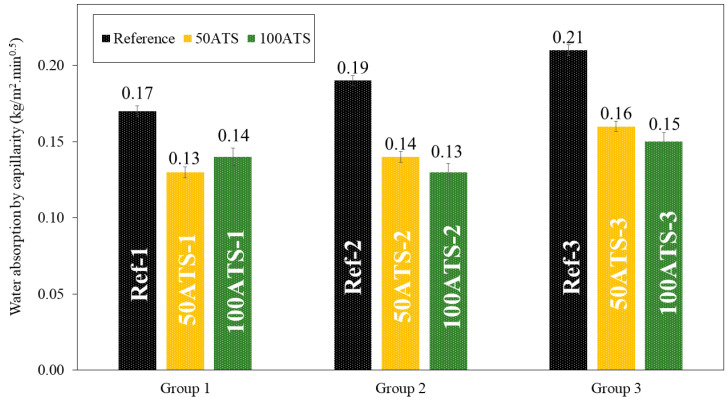
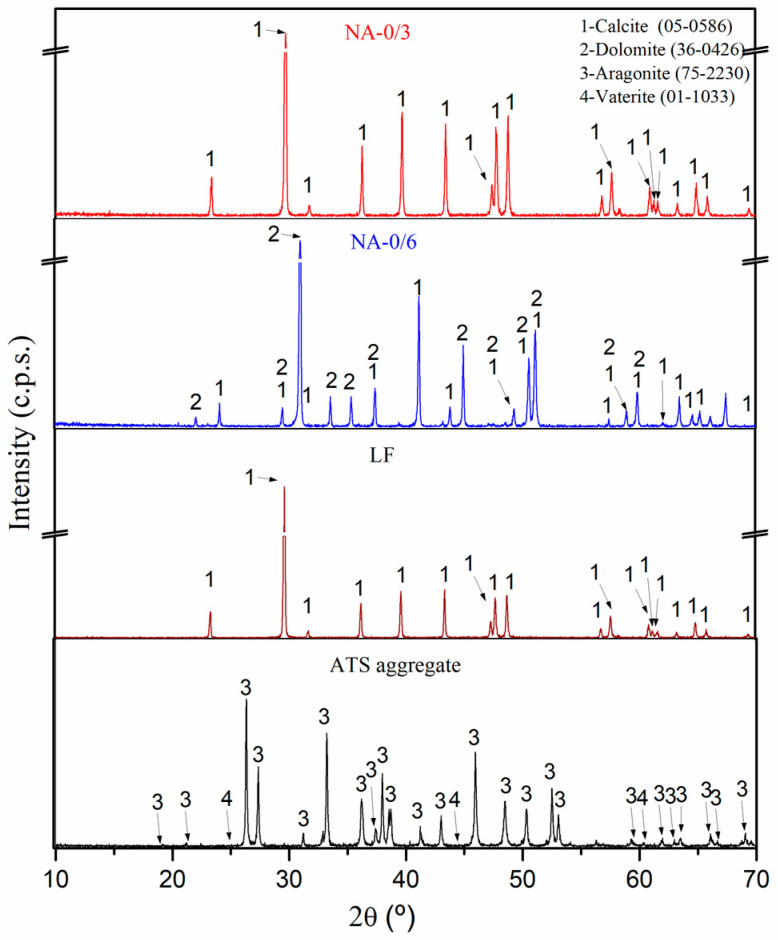
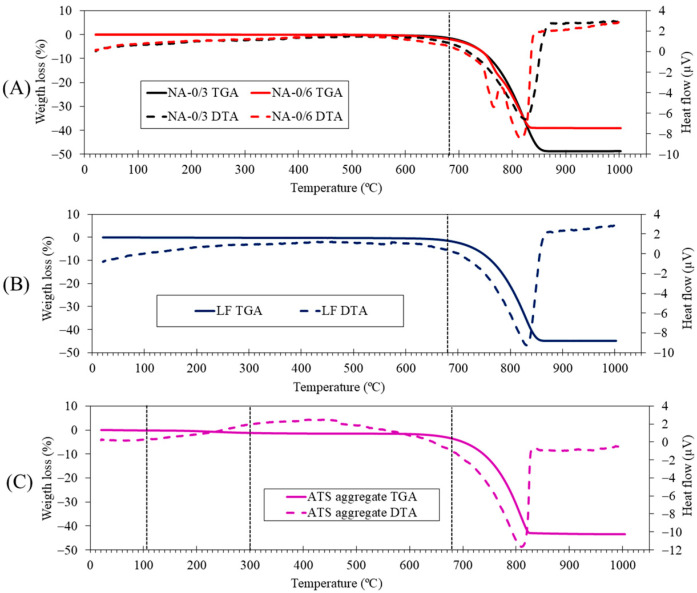
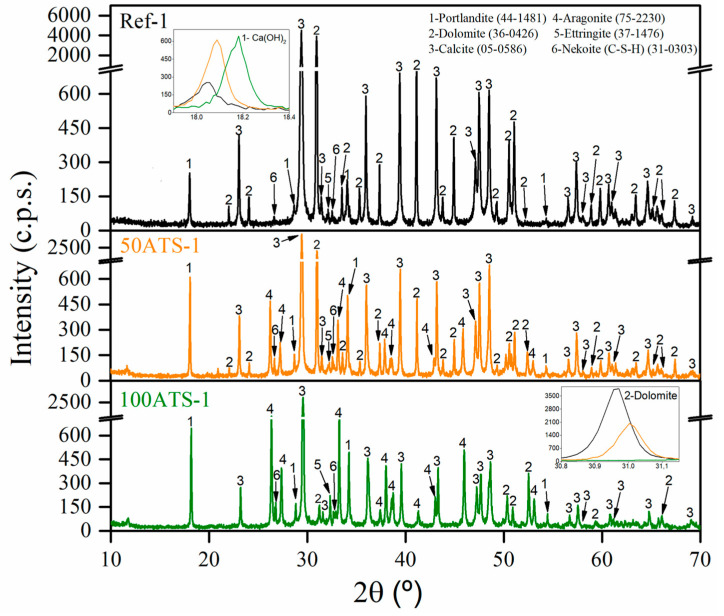
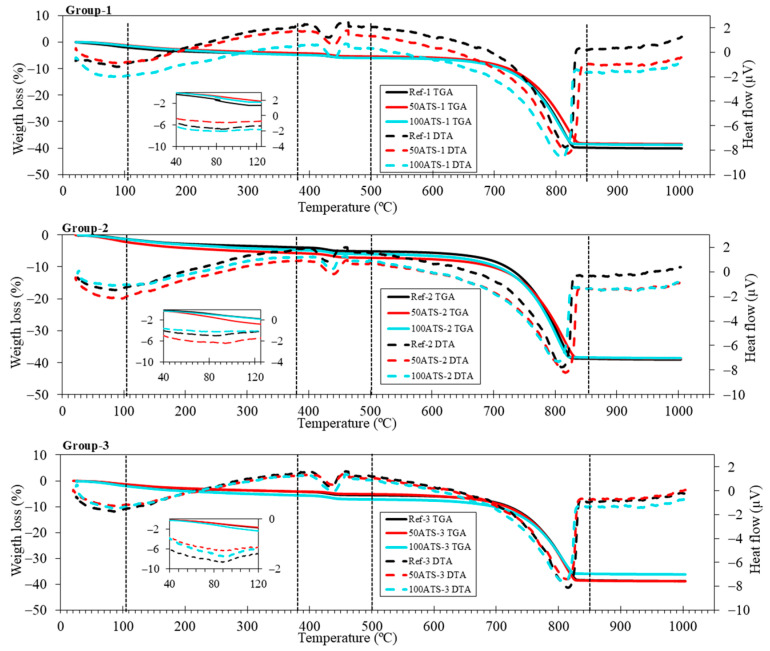
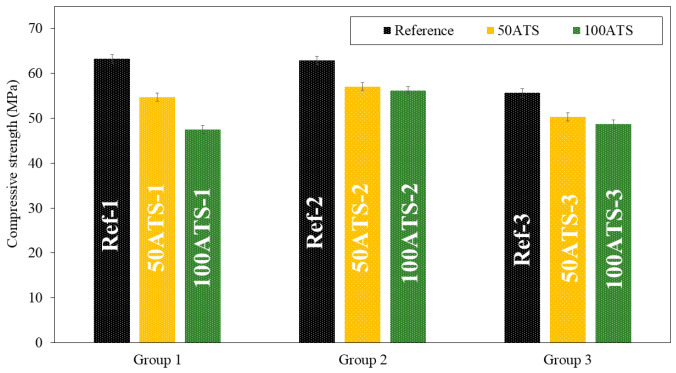
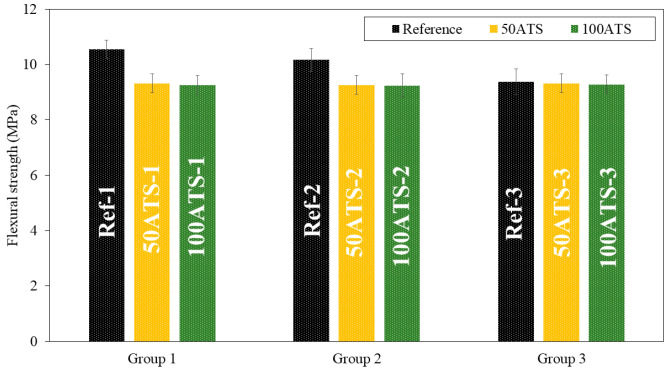
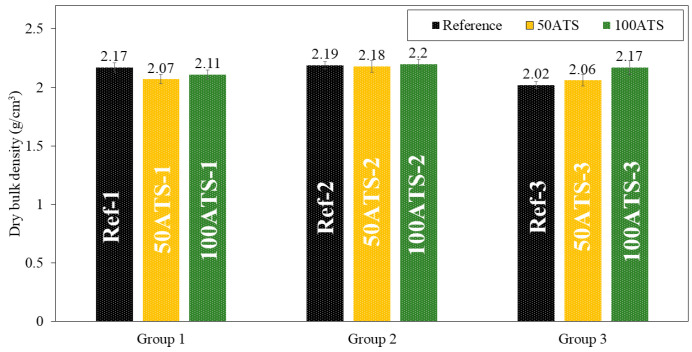
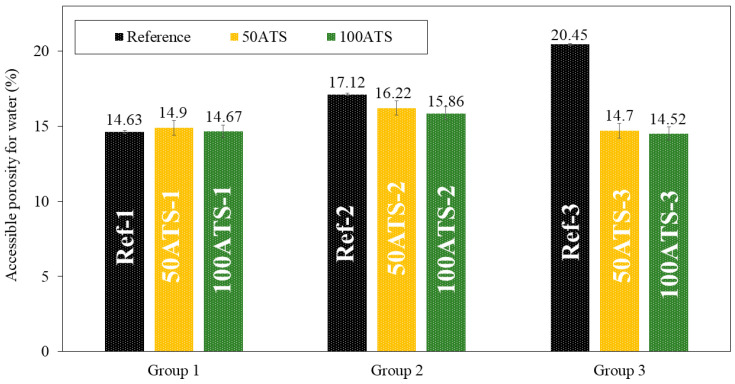
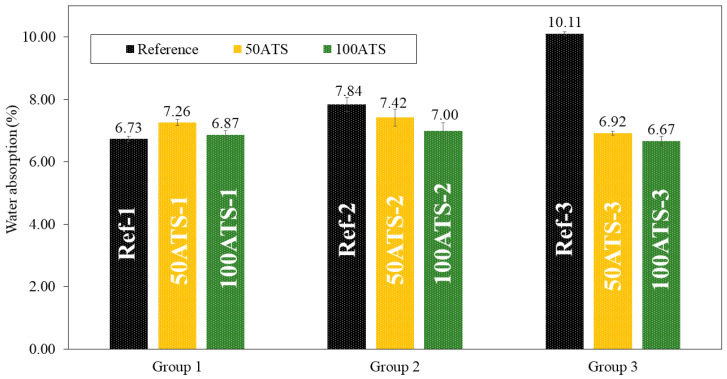
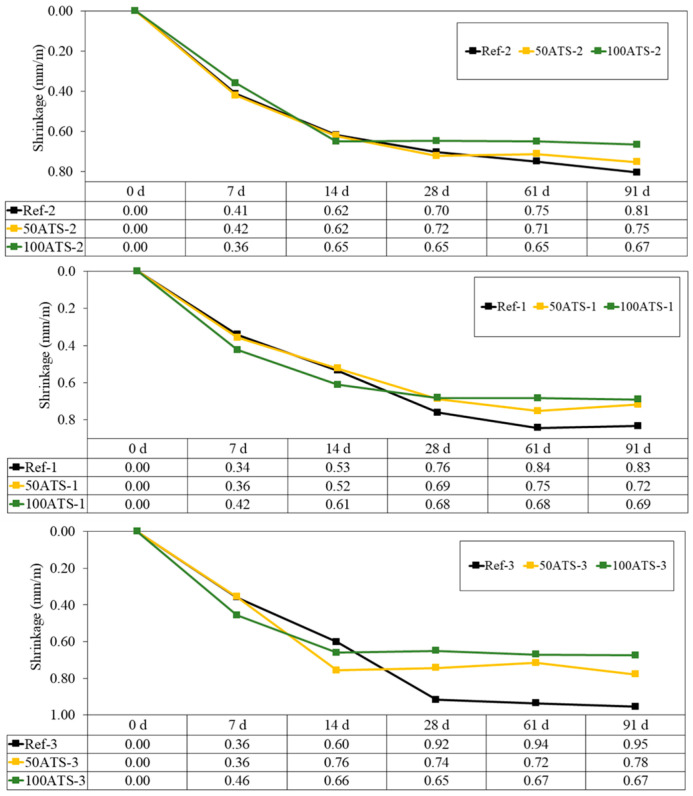
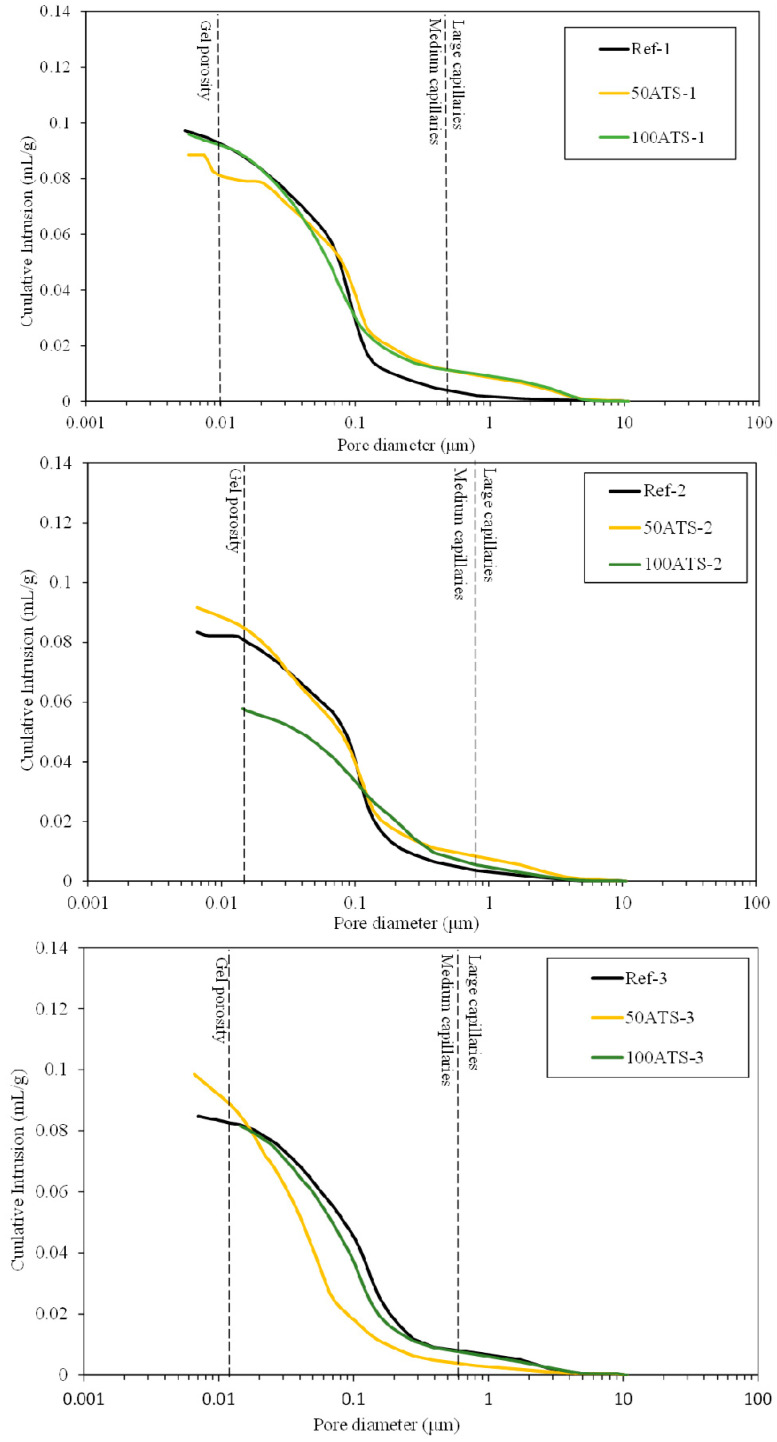
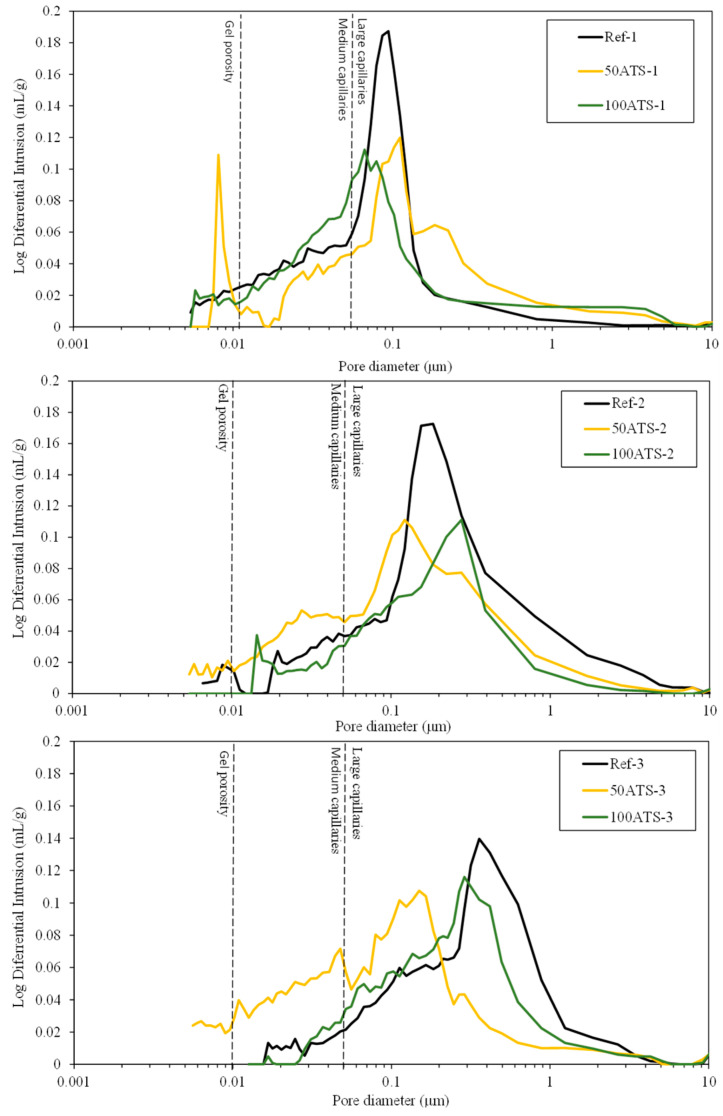
This study focuses on the feasibility of using ground seashells as fine aggregates for self-compacting mortar production. The obtained results show a promising future for coastal industries as their use eliminates waste products and improves the durability of these materials. The use of recycled aggregate, in terms of durability, improves the performance of all mixes made with seashells compared to those made with natural sand, although it decreases workability and slightly reduces mechanical strength. Proper mix design has beneficial effects, as it improves compressive strength, especially when the powder/sand ratio is 0.7. Three replacement ratios based on the volume (0%, 50%, and 100%) of natural limestone sand with recycled fine aggregate from seashells, and three different dosages modifying the powder/sand ratio (0.6, 0.7, and 0.8), were tested. The fresh-state properties of each self-compacting mixture were evaluated based on workability. The mineralogical phases of the hardened mixtures were characterised using X-ray diffraction, thermogravimetry, and differential analyses. Subsequently, the mechanical and durability properties were evaluated based on the compressive and flexural strengths, dry bulk density, accessible porosity for water and water absorption, drying shrinkage, mercury intrusion porosimetry, and water absorption by capillarity. Therefore, the use of seashells in cement-based systems contributes to circular economy.
本研究聚焦于将磨碎的贝壳用作生产自密实砂浆的细集料的可行性。所得结果表明,对于沿海工业而言,其应用前景广阔,因为这既能消除废品,又能提高这些材料的耐久性。就耐久性而言,与使用天然砂制成的混合料相比,使用再生集料能改善所有用贝壳制成的混合料的性能,不过这会降低工作性并略微降低机械强度。合理的配合比设计具有有益效果,因为它能提高抗压强度,尤其是当粉砂比为0.7时。测试了基于贝壳再生细集料替代天然石灰石砂体积的三个替代率(0%、50%和100%)以及修改粉砂比的三种不同剂量(0.6、0.7和0.8)。基于工作性评估了每种自密实混合料的新拌状态性能。使用X射线衍射、热重分析和差示分析对硬化混合料的矿物相进行了表征。随后,基于抗压强度和抗折强度、干表观密度、水的可及孔隙率和吸水率、干燥收缩、压汞法孔隙率测定以及毛细吸水对机械性能和耐久性进行了评估。因此,在水泥基体系中使用贝壳有助于循环经济。