Department of Pediatric Pneumonology, Allergy and Clinical Immunology, Institute of Pediatrics, Poznan University of Medical Sciences, Szpitalna 27/33, 60-572 Poznań, Poland.
Student Scientific Society, Poznan University of Medical Sciences, 60-572 Poznań, Poland.
Int J Mol Sci. 2024 Sep 17;25(18):9999. doi: 10.3390/ijms25189999.
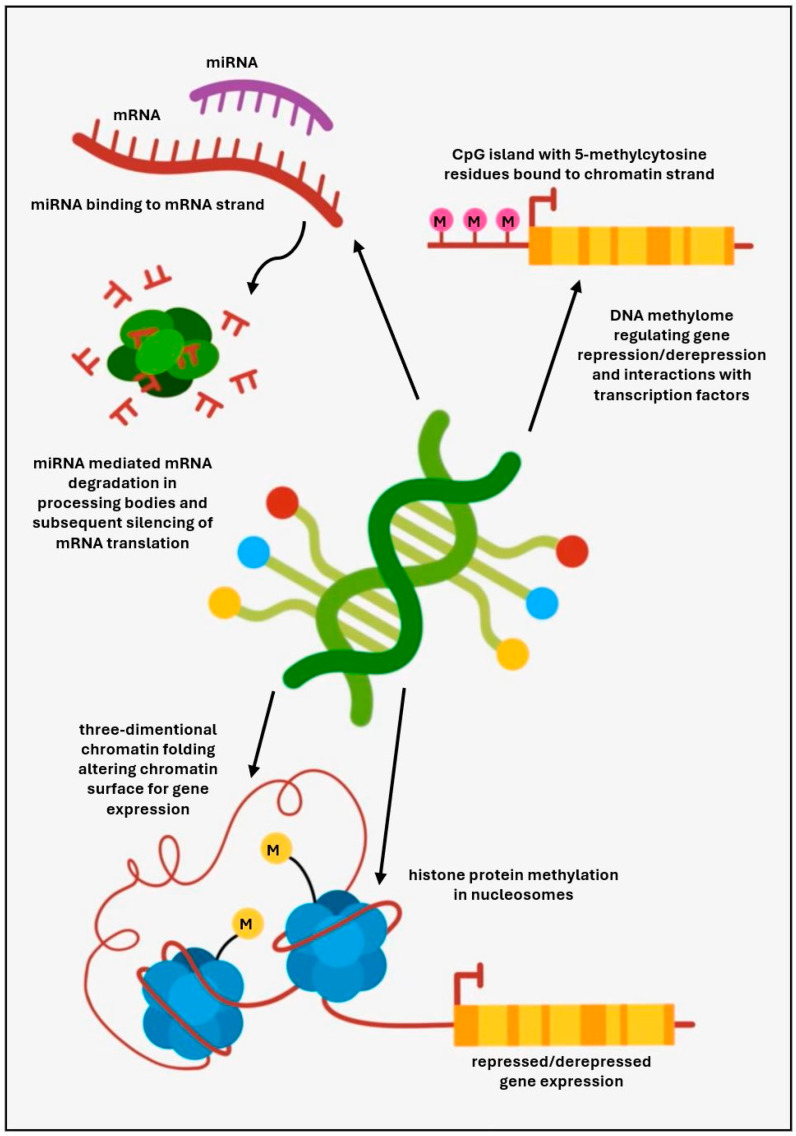
Common variable immunodeficiency (CVID) is the most common symptomatic antibody deficiency, characterized by heterogeneous genetic, immunological, and clinical phenotypes. It is no longer conceived as a sole disease but as an umbrella diagnosis comprising a spectrum of clinical conditions, with defects in antibody biosynthesis as their common denominator and complex pathways determining B and T cell developmental impairments due to genetic defects of many receptors and ligands, activating and co-stimulatory molecules, and intracellular signaling molecules. Consequently, these genetic variants may affect crucial immunological processes of antigen presentation, antibody class switch recombination, antibody affinity maturation, and somatic hypermutation. While infections are the most common features of pediatric CVID, variants in genes linked to antibody production defects play a role in pathomechanisms of immune dysregulation with autoimmunity, allergy, and lymphoproliferation reflecting the diversity of the immunogenetic underpinnings of CVID. Herein, we have reviewed the aspects of genetics in CVID, including the monogenic, digenic, and polygenic models of inheritance exemplified by a spectrum of genes relevant to CVID pathophysiology. We have also briefly discussed the epigenetic mechanisms associated with micro RNA, DNA methylation, chromatin reorganization, and histone protein modification processes as background for CVID development.
普通变异性免疫缺陷(CVID)是最常见的有症状抗体缺陷,其特征为遗传、免疫和临床表型存在异质性。它不再被视为单一疾病,而是涵盖一系列临床病症的总称,这些病症的共同点是抗体生物合成缺陷,而导致 B 和 T 细胞发育障碍的复杂途径则是由许多受体和配体、激活和共刺激分子以及细胞内信号分子的遗传缺陷所决定的。因此,这些遗传变异可能会影响抗原呈递、抗体类别转换重组、抗体亲和力成熟和体细胞超突变等关键免疫过程。虽然感染是儿科 CVID 最常见的特征,但与抗体产生缺陷相关的基因变异在免疫失调的发病机制中起作用,包括自身免疫、过敏和淋巴增殖,这反映了 CVID 免疫遗传学基础的多样性。在此,我们综述了 CVID 遗传学方面的内容,包括单基因、双基因和多基因遗传模型,其中举例说明了一系列与 CVID 病理生理学相关的基因。我们还简要讨论了与 microRNA、DNA 甲基化、染色质重排和组蛋白蛋白修饰过程相关的表观遗传机制,作为 CVID 发病机制的背景。