Department of Landscape Architecture (DoLA), Davis College of Agricultural Sciences and Natural, Texas Tech University, 2904 15th St., Lubbock, TX 79409, USA.
Int J Environ Res Public Health. 2024 Sep 20;21(9):1247. doi: 10.3390/ijerph21091247.
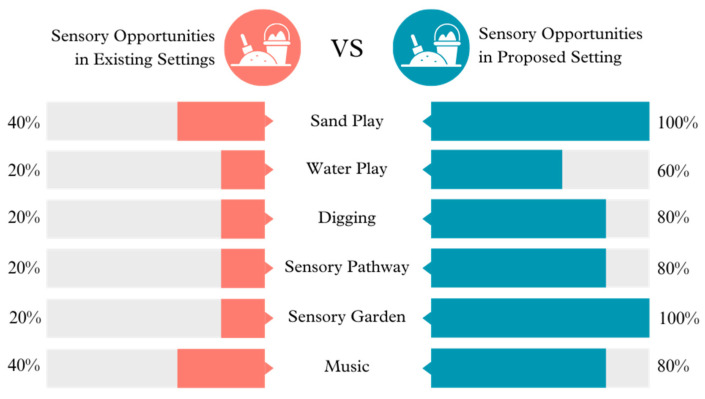
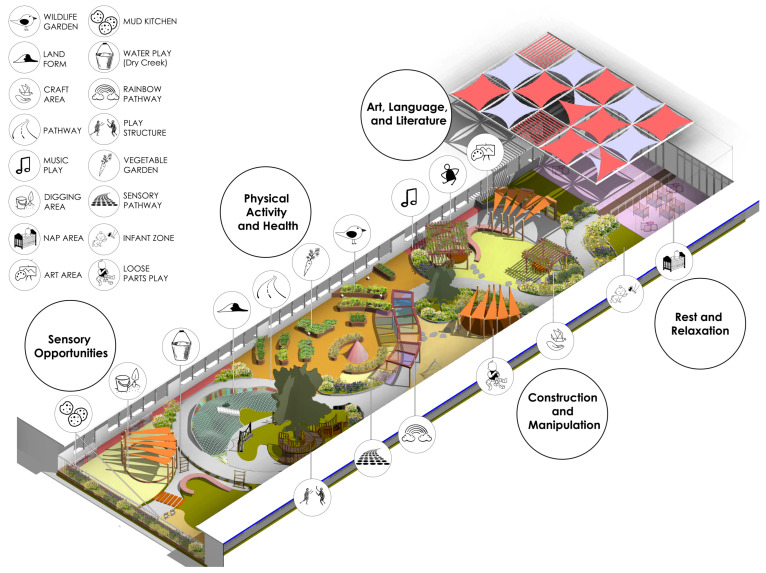
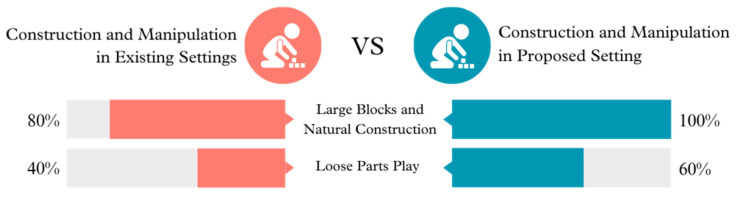
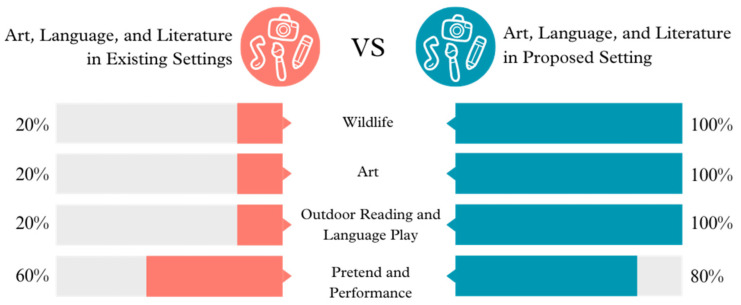
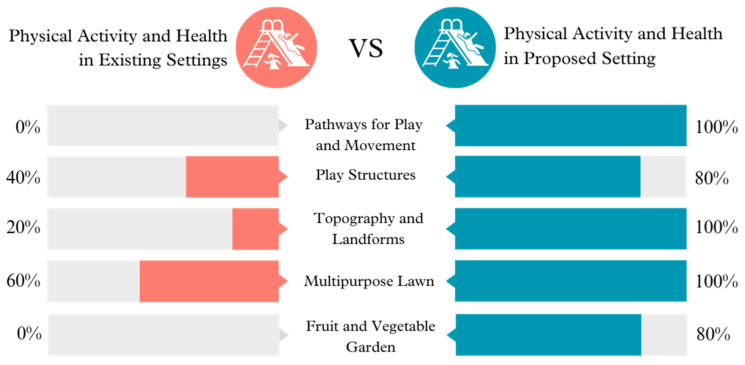
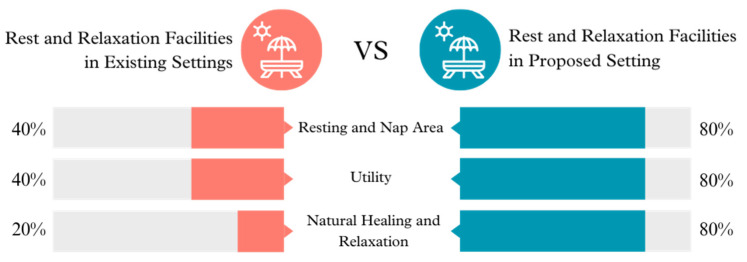
Early childhood (0-8 years) is a time of rapid brain development supported by spontaneous and informal learning from the surrounding environment. Meaningful contact with nature (a dynamic and varied source of informal learning) during the early years of life sets up rich scopes for such spontaneous learning-especially in the first three years, a period in life that determines all future learning, behavior, and health. Besides its learning affordances, nature-based environments provide numerous health and developmental benefits. Considering that more than 13 million children under 5 years of age in the US spend most of their waking hours in care facilities, the potential benefits of having a nature-based outdoor area in their primary care environments are immense. However, guidelines and assessment standards for designing nature-based outdoor environments for below-three children (infants and toddlers) are almost non-existent. This three-phase research holds the promise of addressing this issue. Phase 1 reviews the available limited literature on below-three children's outdoor play and learning environments and summarizes their design implications. Phase 2 extracts effective design guidelines and identifies assessment indicators from the Phase 1 studies. In Phase 3, empirical data (environmental assessment data) are collected to compare the existing and proposed design environment conditions of below-3 outdoor play and learning environments in a selected childcare facility. This phase highlights evidence-based assumptions of new criteria, guidelines, and indicators to assess any below-3 nature-based childcare outdoor environments. This research provides new information and insights for designing nature-based outdoor play and learning environments for below-3 children to increase their meaningful connections with natural elements while attending a care facility.
早期儿童(0-8 岁)期是大脑快速发育的时期,这一时期的大脑发育依赖于自发的、从周围环境中获取的非正式学习。在生命的早期与自然(非正式学习的动态和多样化来源)进行有意义的接触,为这种自发学习提供了丰富的机会——尤其是在前三年,这是决定未来所有学习、行为和健康的时期。除了学习的优势外,基于自然的环境还提供了许多健康和发展的好处。考虑到美国有超过 1300 万 5 岁以下的儿童在护理设施中度过大部分清醒时间,在他们的初级保健环境中拥有一个基于自然的户外区域的潜在好处是巨大的。然而,为 3 岁以下儿童(婴儿和幼儿)设计基于自然的户外环境的指南和评估标准几乎不存在。这项三阶段研究有望解决这个问题。第 1 阶段回顾了现有的关于 3 岁以下儿童户外游戏和学习环境的有限文献,并总结了它们的设计意义。第 2 阶段从第 1 阶段的研究中提取有效的设计指南和识别评估指标。在第 3 阶段,收集实证数据(环境评估数据),以比较选定的儿童保育设施中现有和拟议的 3 岁以下户外游戏和学习环境的设计条件。这一阶段强调了新的标准、指南和指标的循证假设,以评估任何基于自然的 3 岁以下儿童保育户外环境。这项研究为设计 3 岁以下儿童的基于自然的户外游戏和学习环境提供了新的信息和见解,以增加他们在参加护理设施时与自然元素的有意义联系。