Rondon Tatiana, Guzmán-Hernández Manuel, Torres-Madronero Maria C, Casamitjana Maria, Cano Lucas, Galeano July, Goez Manuel
Corporación Colombiana de Investigación Agropecuaria (AGROSAVIA), Centro de Investigación La Selva, Rionegro 054040, Colombia.
MRP Laboratory, Research Group on Smart Machine and Pattem Recognition, Department of Electronic and Telecommunications Engineering, Instituto Tecnológico Metropolitano (ITM), Medellín 050034, Colombia.
Plants (Basel). 2024 Sep 23;13(18):2660. doi: 10.3390/plants13182660.
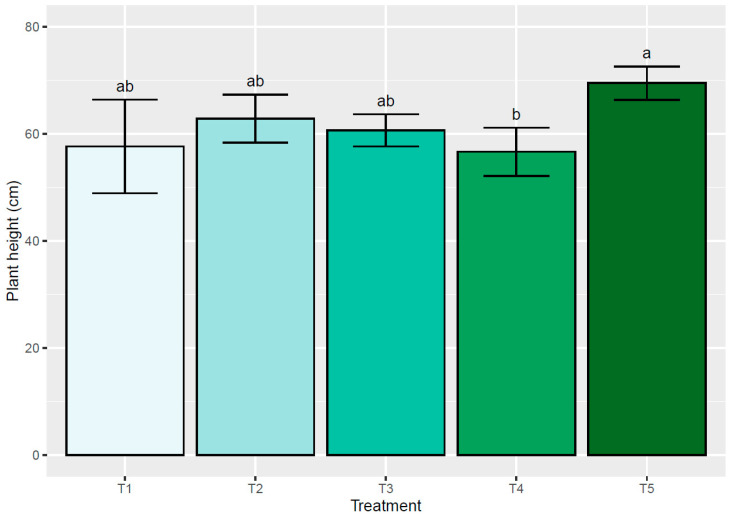
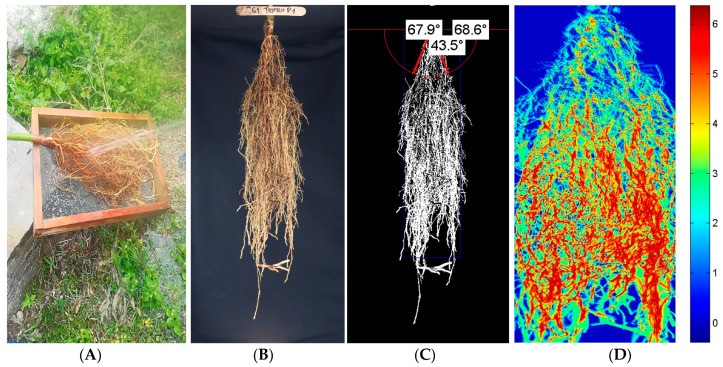
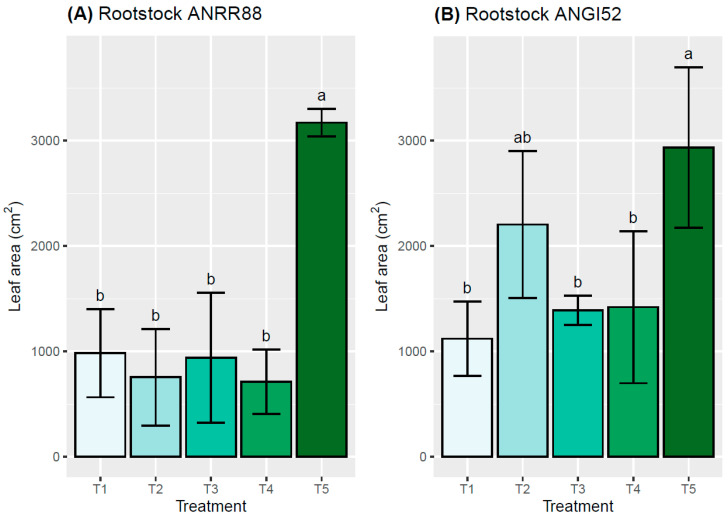
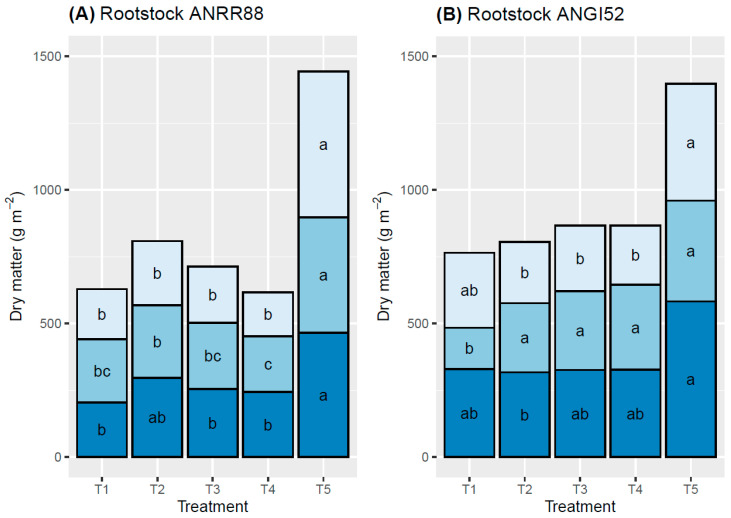
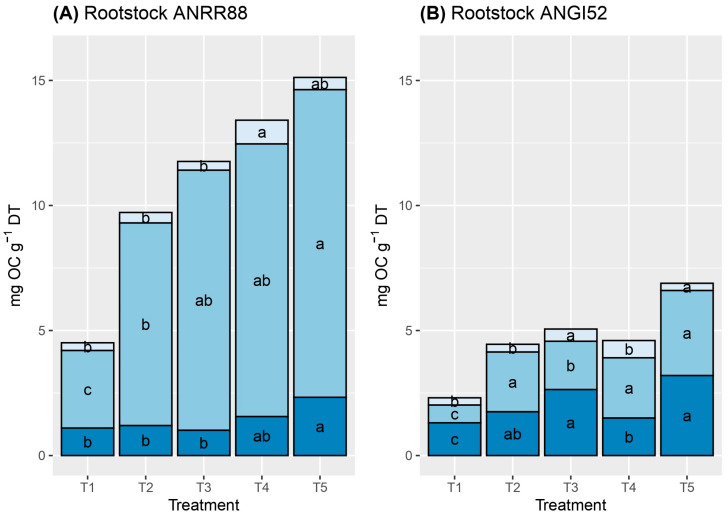
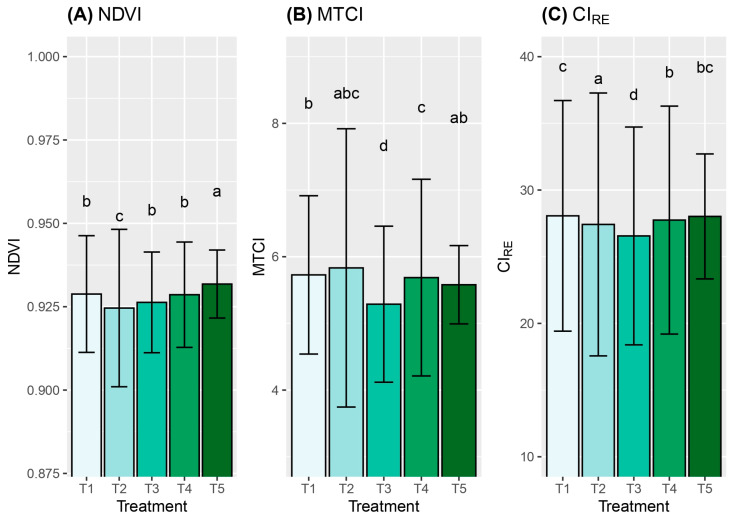
The avocado cv. Hass requires a suitable rootstock for optimal development under water stress. This study evaluated the performance of two avocado rootstocks (ANRR88 and ANGI52) grafted onto cv. Hass under four water stress conditions, 50% and 25% deficit, and 50% and 25% excess during the nursery stage. Plant height, leaf area (LA), dry matter (DM), and Carbon (OC) content in the roots, stems, and leaves were measured. Root traits were evaluated using digital imaging, and three vegetation indices (NDVI, CI, and MTCI) were used to quantify stress. The results showed that genotype significantly influenced the response to water stress. ANRR88 exhibited adaptation to moderate to high water deficits. ANGI52 adapted better to both water deficit and excess, and showed greater root exploration. LA and DM reductions of up to 60% were observed in ANRR88, suggesting a higher sensitivity to extreme changes in water availability. More than 90% of the total OC accumulation was observed in the stem and roots. The NDVI and the MTCI quantified the presence and levels of stress applied, and the 720 nm band provided high precision and speed for detecting stress. These insights are crucial for selecting rootstocks that ensure optimal performance under varying water availability, enhancing productivity and sustainability.
哈斯鳄梨品种在水分胁迫下需要合适的砧木才能实现最佳生长发育。本研究评估了两种鳄梨砧木(ANRR88和ANGI52)在四种水分胁迫条件下嫁接到哈斯品种上的表现,这四种水分胁迫条件分别为在育苗阶段水分亏缺50%和25%,以及水分过量50%和25%。测量了植株高度、叶面积(LA)、干物质(DM)以及根、茎和叶中的碳(OC)含量。利用数字成像评估根系性状,并使用三种植被指数(归一化植被指数NDVI、叶绿素指数CI和改良叶绿素吸收反射指数MTCI)来量化胁迫。结果表明,基因型对水分胁迫的响应有显著影响。ANRR88表现出对中度至高水分亏缺的适应性。ANGI52对水分亏缺和过量均有更好的适应性,并且根系探索能力更强。在ANRR88中观察到叶面积和干物质减少高达60%,这表明其对水分可利用性的极端变化更为敏感。总有机碳积累的90%以上出现在茎和根中。归一化植被指数和改良叶绿素吸收反射指数量化了所施加胁迫的存在和程度,并且720纳米波段在检测胁迫方面具有高精度和高速度。这些见解对于选择能确保在不同水分可利用性条件下实现最佳性能的砧木至关重要,有助于提高生产力和可持续性。