Department of Electrical and Computer Engineering, University of California, Riverside, CA, USA.
Department of Neurology, Hospital of the University of Pennsylvania, Philadelphia, PA, USA.
Commun Biol. 2024 Sep 28;7(1):1210. doi: 10.1038/s42003-024-06859-2.
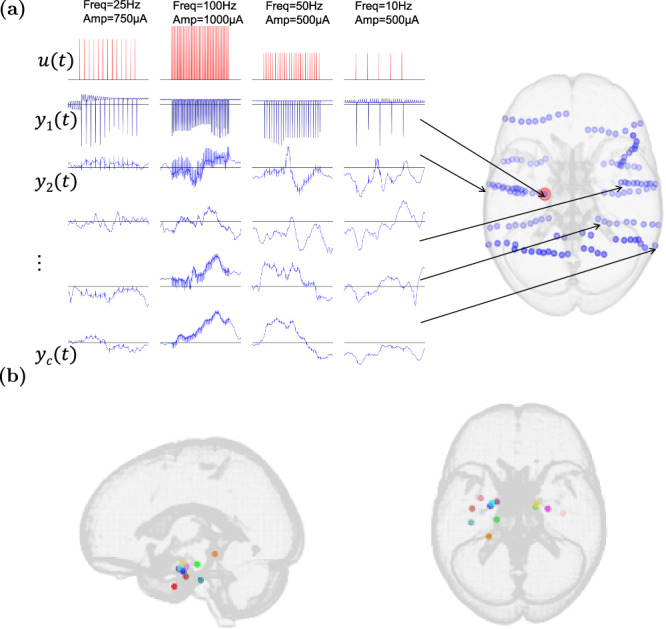
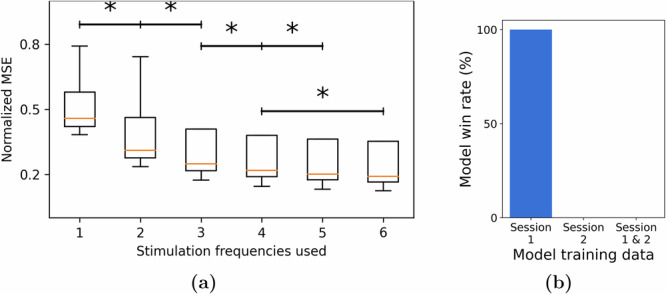
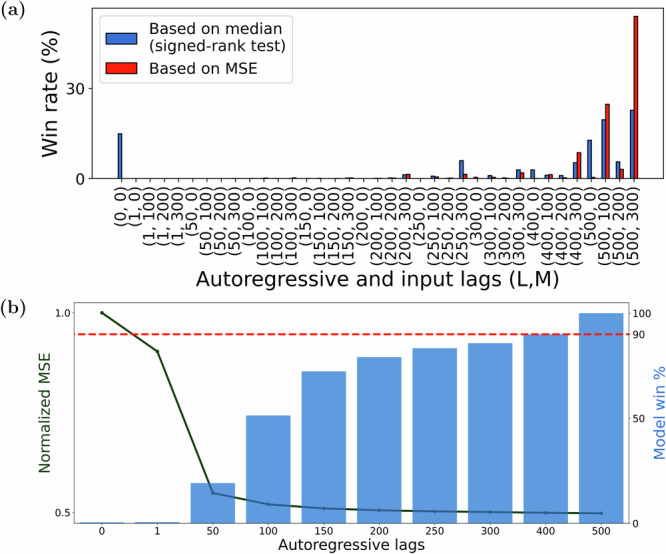
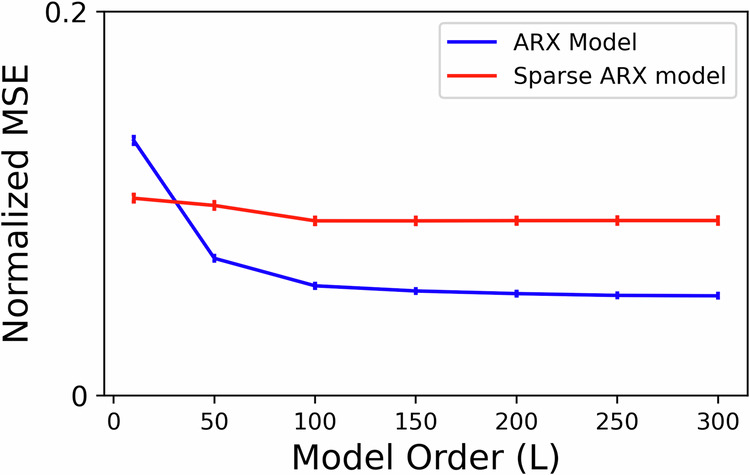
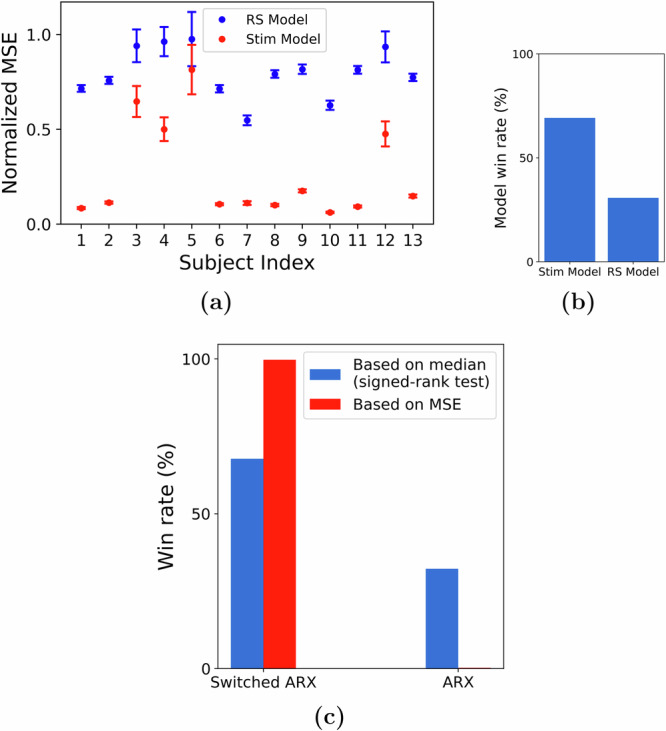
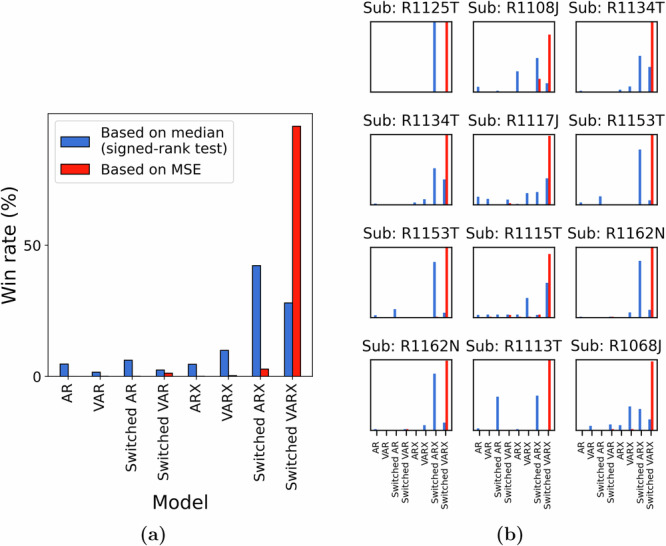
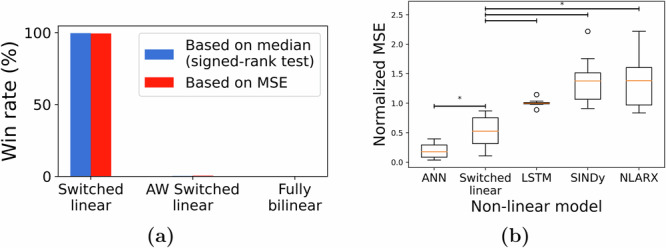
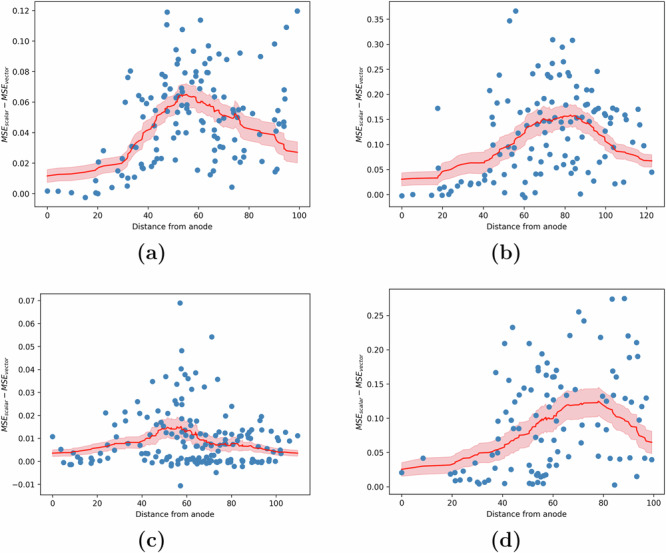
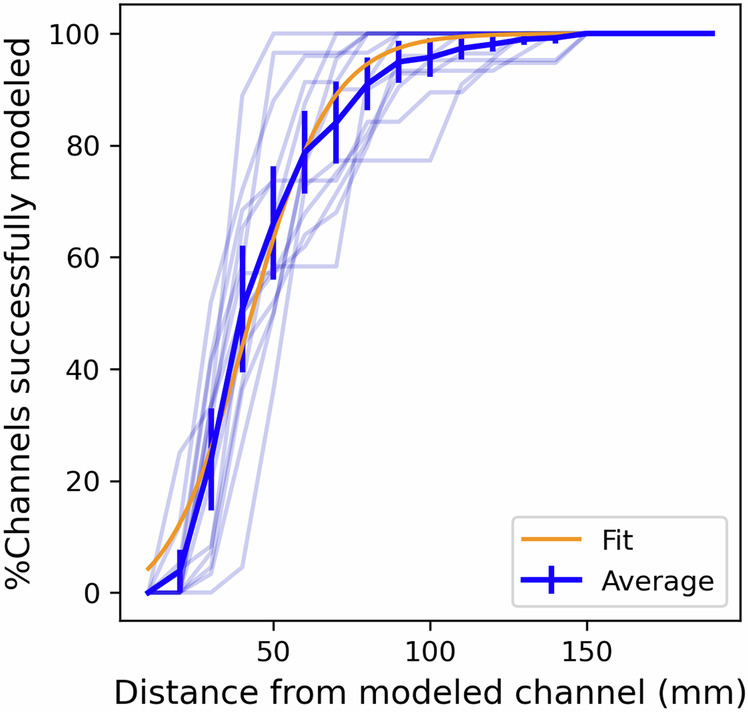
Despite promising advancements, closed-loop neurostimulation for drug-resistant epilepsy (DRE) still relies on manual tuning and produces variable outcomes, while automated predictable algorithms remain an aspiration. As a fundamental step towards addressing this gap, here we study predictive dynamical models of human intracranial EEG (iEEG) response under parametrically rich neurostimulation. Using data from n = 13 DRE patients, we find that stimulation-triggered switched-linear models with ~300 ms of causal historical dependence best explain evoked iEEG dynamics. These models are highly consistent across different stimulation amplitudes and frequencies, allowing for learning a generalizable model from abundant STIM OFF and limited STIM ON data. Further, evoked iEEG in nearly all subjects exhibited a distance-dependent pattern, whereby stimulation directly impacts the actuation site and nearby regions (≲ 20 mm), affects medium-distance regions (20 ~ 100 mm) through network interactions, and hardly reaches more distal areas (≳ 100 mm). Peak network interaction occurs at 60 ~ 80 mm from the stimulation site. Due to their predictive accuracy and mechanistic interpretability, these models hold significant potential for model-based seizure forecasting and closed-loop neurostimulation design.
尽管有令人鼓舞的进展,但针对耐药性癫痫 (DRE) 的闭环神经刺激仍然依赖于手动调谐,并且产生的结果各不相同,而自动化的可预测算法仍然是一个愿望。作为解决这一差距的基本步骤,我们在这里研究了在参数丰富的神经刺激下人类颅内 EEG (iEEG) 响应的预测动力学模型。使用来自 n = 13 名 DRE 患者的数据,我们发现,具有约 300 ms 因果历史依赖性的刺激触发切换线性模型可以最好地解释诱发的 iEEG 动力学。这些模型在不同的刺激幅度和频率下高度一致,允许从丰富的 STIM OFF 和有限的 STIM ON 数据中学习通用模型。此外,几乎所有受试者的诱发 iEEG 都表现出一种距离依赖性模式,其中刺激直接影响执行器部位和附近区域(≲ 20 mm),通过网络相互作用影响中距区域(20100 mm),几乎不会到达更远的区域(≳ 100 mm)。网络相互作用的峰值出现在距刺激部位 6080 mm 处。由于其预测准确性和机制可解释性,这些模型在基于模型的癫痫发作预测和闭环神经刺激设计方面具有重要的潜力。