Sarikhani Amir Reza, Abedi Mehdi, Abolmaali Samira Sadat, Borandeh Sedigheh, Tamaddon Ali Mohammad
Center for Nanotechnology in Drug Delivery, Shiraz School of Pharmacy, Shiraz University of Medical Sciences, Shiraz, 71345, Iran.
Student Research Committee, Shiraz University of Medical Sciences, Shiraz, Iran.
BMC Chem. 2024 Sep 28;18(1):189. doi: 10.1186/s13065-024-01301-4.
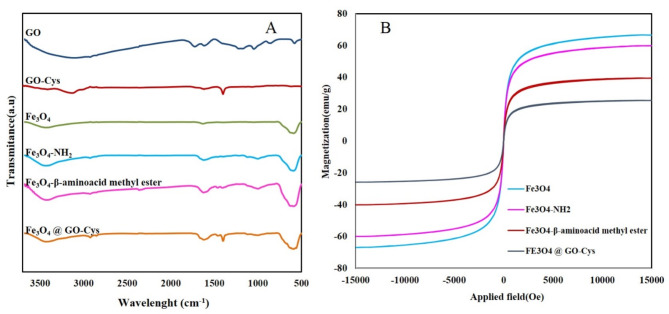
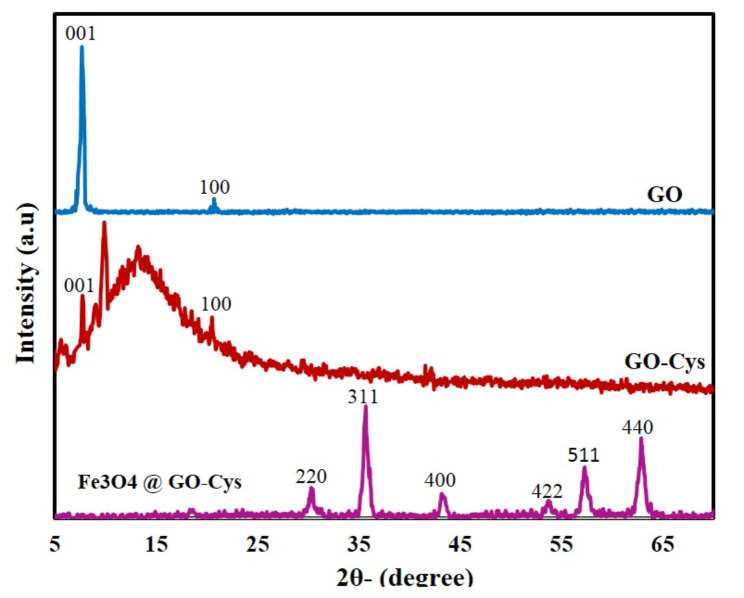
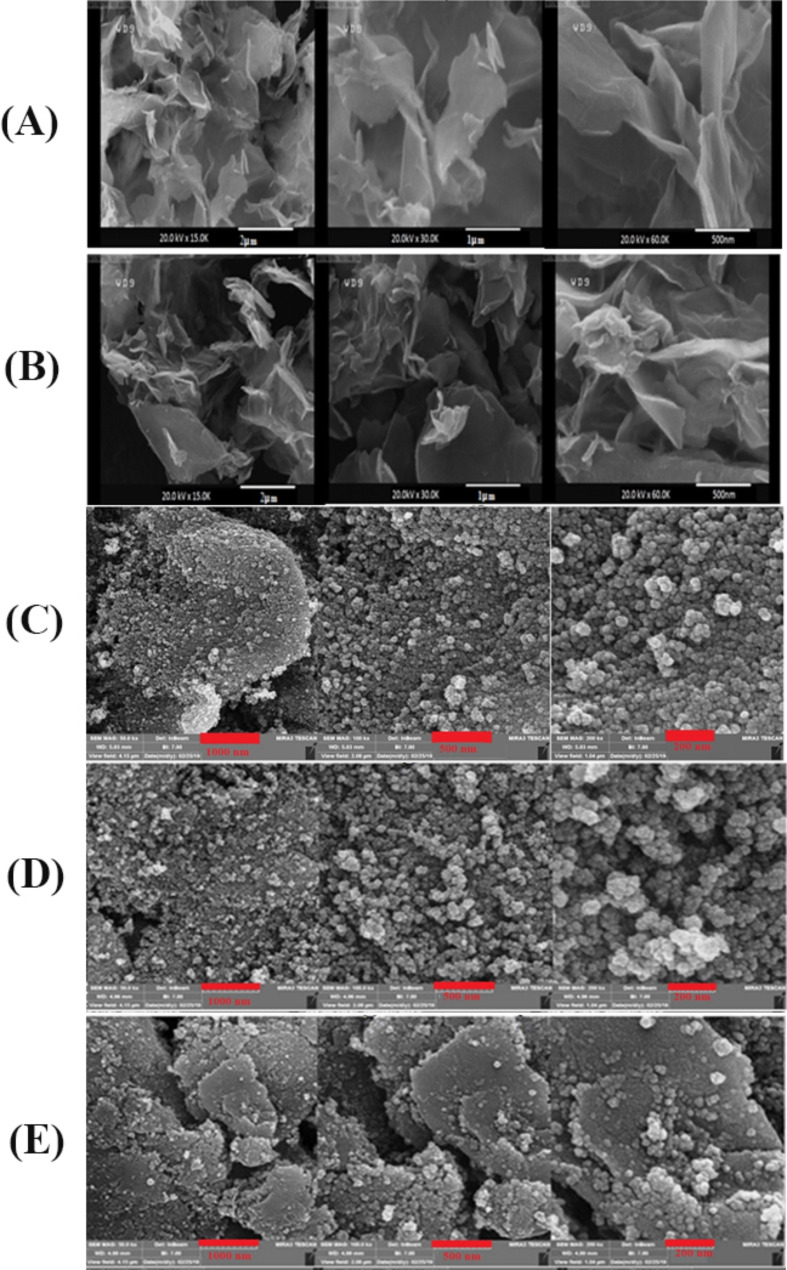
Delivering anticancer drugs to the appropriate site within the body poses a critical challenge in cancer treatment with chemotherapeutic agents like doxorubicin (DOX). Magnetic graphene oxide (GO) nanosheets with generation 1 (G1) amidoamine-dendronized crosslinks were developed by coupling cystamine-functionalized GO nanosheets with Fe3O4 nanoparticles modified with primary amine and methyl acrylate. These magnetic GO nanosheets were loaded with DOX to create a dual pH- and redox-responsive delivery system for cancer chemotherapy. The prepared magnetic nanosheets underwent characterization using FTIR, XRD, DLS, VSM, FE-SEM, and TEM. Physical DOX adsorption was evaluated using various isotherms, including Langmuir, Freundlich, Temkin, and Dubinin-Radushkevich. The in-vitro release profiles of DOX from the magnetic nanosheets were studied under different pH conditions, with and without glutathione (GSH), and the drug release data were fitted with various kinetic models. Additionally, an MTT assay was employed to assess the compatibility and antitumor activity of DOX-loaded magnetic nanosheets in the HepG2 cell line. The results showed that the maximum drug loading was 13.1% (w/w) at a drug/carrier ratio of 1. Without GSH addition, the maximum drug release after 10 days was only 17.9% and 24.1% at pH 7.4 and 5.3, respectively. However, in the presence of GSH, the maximum drug release reached 51.7% and 64.8% at pH 7.4 and 5.3, respectively. Finally, the research findings suggest that the magnetic nanosheets exhibited pH- and redox-stimuli drug release, high biocompatibility, and superior antitumor activity compared to free DOX.
在使用阿霉素(DOX)等化疗药物进行癌症治疗时,将抗癌药物输送到体内合适的部位是一个关键挑战。通过将胱胺功能化的氧化石墨烯(GO)纳米片与用伯胺和丙烯酸甲酯修饰的Fe3O4纳米颗粒偶联,制备了具有第一代(G1)酰胺胺树枝状交联的磁性氧化石墨烯(GO)纳米片。这些磁性GO纳米片负载了DOX,以创建一种用于癌症化疗的双pH和氧化还原响应递送系统。使用傅里叶变换红外光谱(FTIR)、X射线衍射(XRD)、动态光散射(DLS)、振动样品磁强计(VSM)、场发射扫描电子显微镜(FE-SEM)和透射电子显微镜(TEM)对制备的磁性纳米片进行表征;使用包括朗缪尔、弗伦德里希、特姆金和杜比宁-拉杜舍维奇等各种等温线评估物理DOX吸附。研究了在不同pH条件下,有无谷胱甘肽(GSH)时DOX从磁性纳米片中的体外释放曲线,并将药物释放数据与各种动力学模型进行拟合。此外,采用MTT法评估负载DOX的磁性纳米片在HepG2细胞系中的相容性和抗肿瘤活性。结果表明,在药物/载体比为1时,最大载药量为13.1%(w/w)。在不添加GSH的情况下,在pH 7.4和5.3时,10天后的最大药物释放率分别仅为17.9%和24.1%。然而,在存在GSH的情况下,在pH 7.4和5.3时,最大药物释放率分别达到51.7%和64.8%。最后,研究结果表明,与游离DOX相比,磁性纳米片表现出pH和氧化还原刺激的药物释放、高生物相容性和优异的抗肿瘤活性。