Laboratory of Molecular Biology, Genomics and Bioinformatics, Department of Biology, Faculty of Nature and Life Sciences, University Hassiba Benbouali of Chlef, Chlef, Algeria.
Centro de Protección Vegetal y Biotecnología, Instituto Valenciano de Investigaciones Agrarias (IVIA), CV-315 km 10.7, Moncada, Valencia, 46113, Spain.
BMC Microbiol. 2024 Oct 7;24(1):389. doi: 10.1186/s12866-024-03555-3.
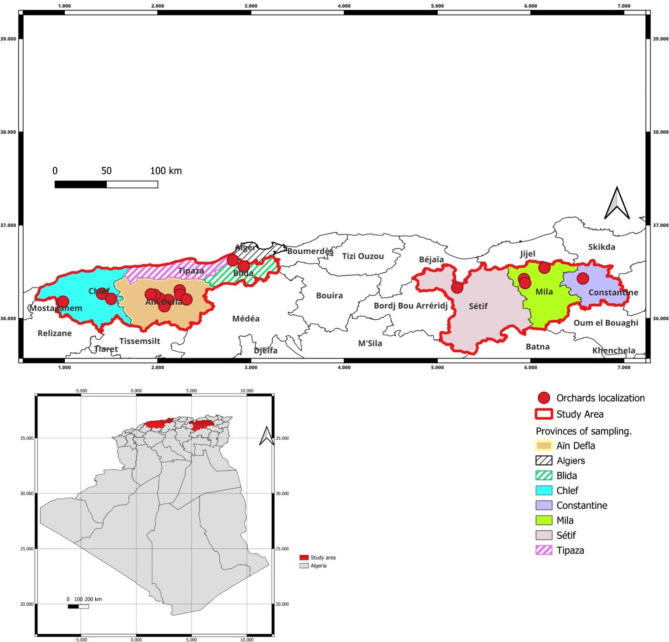
Fire blight, caused by Erwinia amylovora, is the most destructive bacterial disease affecting plants in the Rosaceae family, leading to significant economic losses. In Algeria, this disease has been reported since 2010. This study aimed to investigate the origin of fire blight in Algeria, in order to increase knowledge of the epidemiology of this serious disease and contribute to its management. A comprehensive characterization of 18 E. amylovora isolates recovered from northern Algeria between 2016 and 2021 to evaluate their phenotypical and genotypical diversity was conducted.
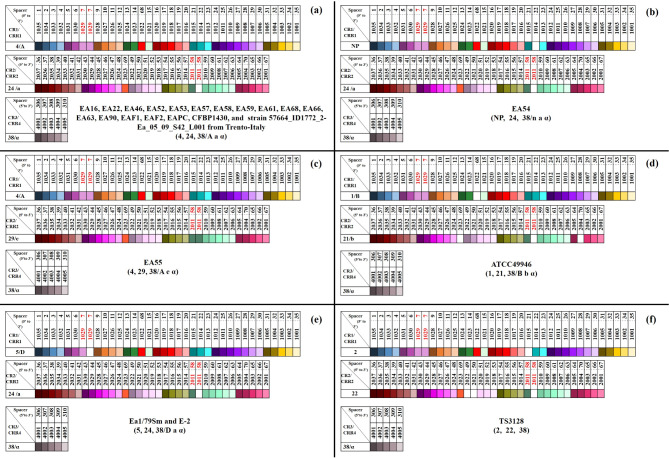
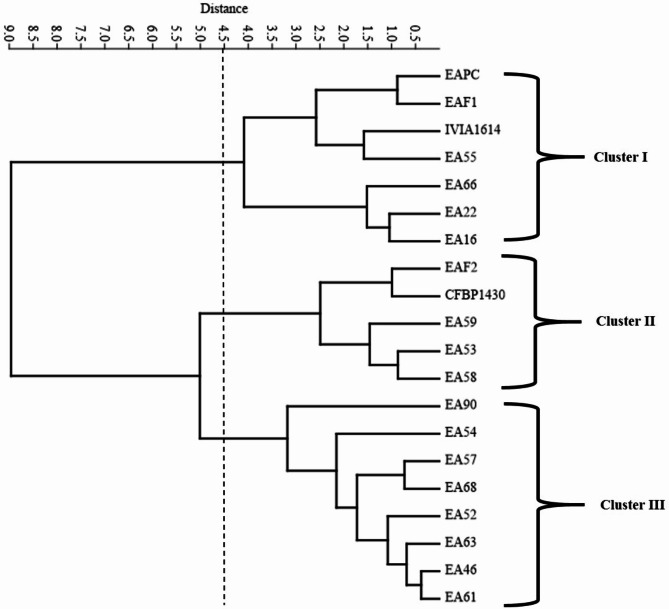
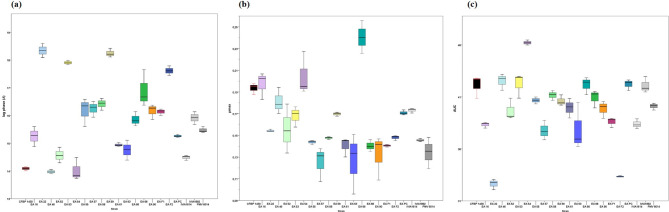
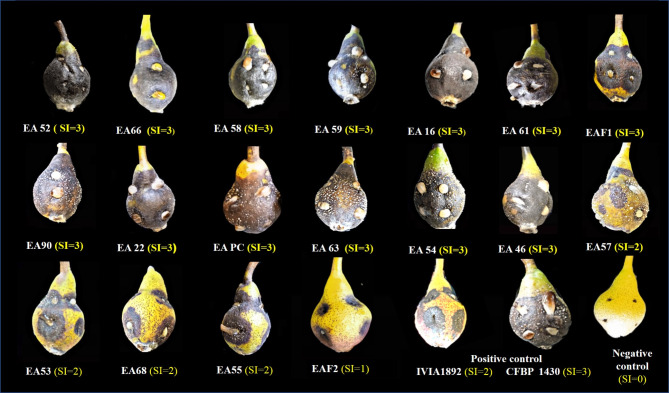
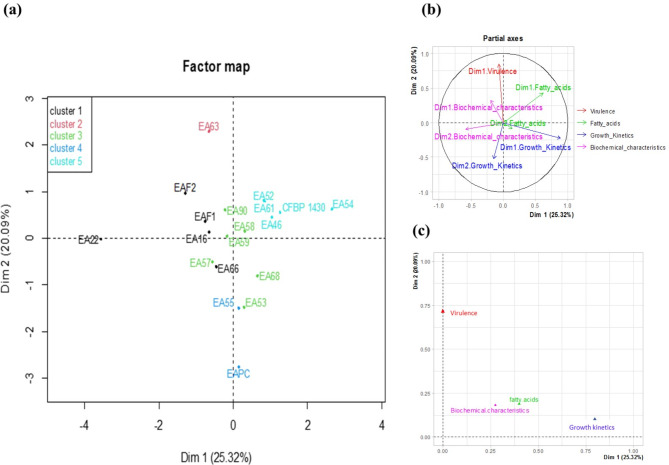
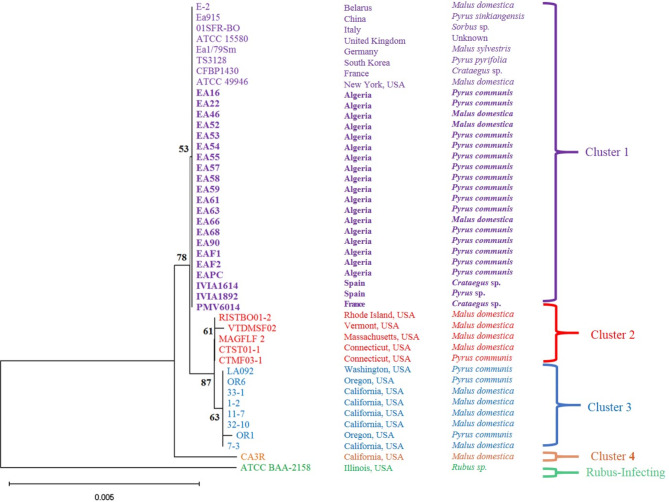
Phenotypic differences, particularly in growth kinetics, virulence, and fatty acid profiles, allowed differentiation of strains into five groups, possibly indicating distinct introduction events. Genetic characterization revealed that only one strain lacked the ubiquitous plasmid pEA29, which is correlated with reduced virulence, while none harbored the pEI70 plasmid. Phylogenetic analysis using concatenated sequences of the recA, groEL, rpoS, ams, and hrpN genes grouped Algerian strains with those from a broadly prevalent clade. CRISPR genotyping identified a novel CR1 pattern and three genotypes, two of them previously unreported.
This study represents the first phenotypic, genetic, and phylogenetic investigation of E. amylovora strains in the region, and provides valuable information on the possible pathways of the introduction of this fire blight pathogen in northern Africa. The findings suggest one or more introduction events from a common ancestor, likely originating in northern Italy, followed by dispersal in various regions of Algeria.
由 Erwinia amylovora 引起的火疫病是危害蔷薇科植物最具破坏性的细菌性疾病,导致重大经济损失。在阿尔及利亚,自 2010 年以来就有该病的报告。本研究旨在调查火疫病在阿尔及利亚的起源,以增加对这种严重疾病的流行病学的认识,并有助于其管理。对 2016 年至 2021 年间从阿尔及利亚北部采集的 18 株 E. amylovora 分离株进行了综合特征分析,以评估其表型和基因型多样性。
表型差异,特别是在生长动力学、毒性和脂肪酸谱方面的差异,将菌株分为五个组,可能表明存在不同的引入事件。遗传特征表明,只有一株菌缺乏普遍存在的质粒 pEA29,这与毒性降低有关,而没有一株菌携带 pEI70 质粒。使用 recA、groEL、rpoS、ams 和 hrpN 基因的串联序列进行的系统发育分析将阿尔及利亚菌株与广泛流行的分支聚类在一起。CRISPR 基因分型确定了一种新的 CR1 模式和三种基因型,其中两种以前未报道过。
本研究是对该地区 E. amylovora 菌株的首次表型、遗传和系统发育调查,提供了有关该火疫病病原体在北非引入可能途径的有价值信息。研究结果表明,可能有一个或多个来自共同祖先的引入事件,其起源可能在意大利北部,随后在阿尔及利亚的不同地区传播。