Chair of Internal Medicine, International Centre for Education and Research in Cardiovascular Pathology and Cardiovisualization, Samara State Medical University, Samara, Russian Federation, Russia.
Heart Failure Unit and Division of Cardiology, Cardiothoracic and Vascular Department, San Raffaele Hospital and Scientific Institute, Milan, Italy.
Indian J Med Res. 2024 May;159(5):511-518. doi: 10.25259/ijmr_652_22.
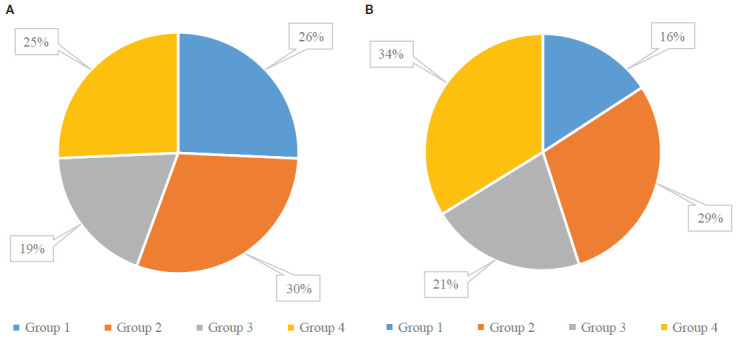
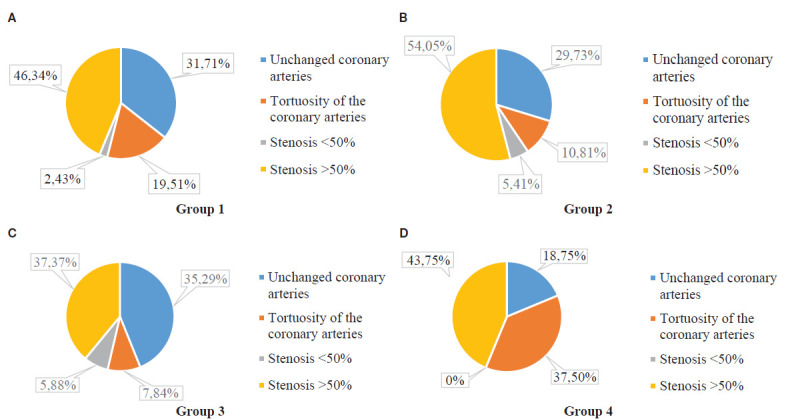
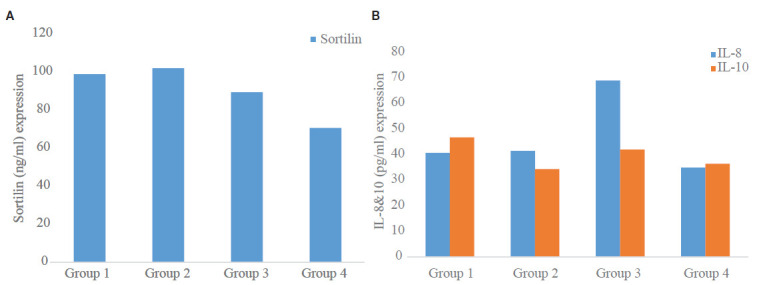
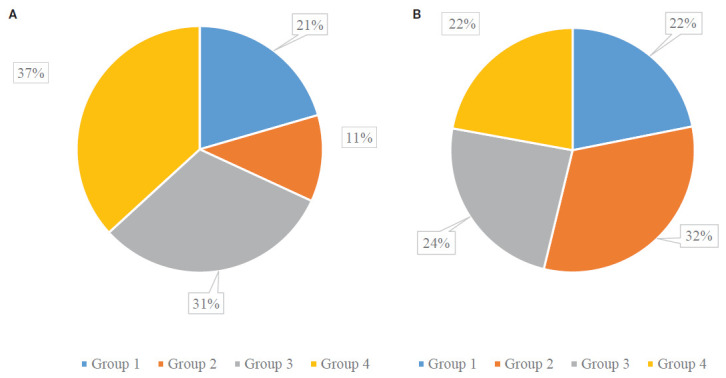
Background & objectives Cardiovascular diseases (CVDs) are a leading cause of mortality worldwide. The aim of this investigation was to study the role of biological markers in predicting the risk of carotid and coronary artery atherosclerosis. Methods A total of 161 males in the age group of 30-65 yr were included in this study. All participants underwent biochemical analyses [cholesterol, low density lipoprotein cholesterol (LDL-C), triglycerides, glucose, (interleukin) IL-8, IL-10, (proprotein convertase inhibitors subtilisin/kexin type 9) PCSK9, sortilin, creatinine]; ECG; echocardiography; coronary angiography; ultrasound doppler of brachiocephalic arteries. Based on PCSK9 levels, participants were divided into four groups: group 1, n=41 individuals with PCSK9 level of 100-250 ng/ml; group 2, n=37 individuals with PCSK9 level of 251-400 ng/ml; group 3, n=51 individuals with PCSK9 level of 401-600 ng/ml and group 4, n=32 individuals with PCSK9 level of 601-900 ng/ml. Results Sortilin level was the highest in group 2. Group 3 individuals had the highest level of IL-8. Correlation analysis of the entire data set revealed the relationship of relative left ventricular thickness index with age, cardiovascular risk, body mass index, intima-media thickness and left ventricular mass index; sortilin had a negative relationship of weak strength with age and smoking, a direct relationship between the risk of cardiovascular complications and with IL-10. Interpretation & conclusions Sortilin is the innovative marker of CVDs. In the present investigation, we demonstrated the clear increase in the inflammatory markers (IL-8) in individuals with subclinical atherosclerosis. This fact can be explained by the oxygen stress activation. In individuals with coronary artery stenosis (50% and more), the increase in IL-10 levels demonstrates, to our opinion, the activation of antioxidant protection activation.
背景与目的 心血管疾病(CVDs)是全球范围内主要的死亡原因。本研究的目的是研究生物标志物在预测颈动脉和冠状动脉粥样硬化风险中的作用。
方法 本研究共纳入 161 名年龄在 30-65 岁的男性。所有参与者均进行生化分析[胆固醇、低密度脂蛋白胆固醇(LDL-C)、甘油三酯、葡萄糖、(白细胞介素)IL-8、IL-10、(前蛋白转化酶枯草溶菌素/柯萨奇蛋白酶 9)PCSK9、Sortilin、肌酐];心电图;超声心动图;冠状动脉造影;肱动脉超声多普勒检查。根据 PCSK9 水平,参与者被分为四组:组 1,n=41 人,PCSK9 水平为 100-250ng/ml;组 2,n=37 人,PCSK9 水平为 251-400ng/ml;组 3,n=51 人,PCSK9 水平为 401-600ng/ml;组 4,n=32 人,PCSK9 水平为 601-900ng/ml。
结果 组 2 中 Sortilin 水平最高。组 3 个体的 IL-8 水平最高。对整个数据集的相关分析显示,相对左心室厚度指数与年龄、心血管风险、体重指数、内膜中层厚度和左心室质量指数有关;Sortilin 与年龄和吸烟呈弱负相关,与心血管并发症风险呈直接相关,与 IL-10 呈直接相关。
结论 Sortilin 是 CVDs 的创新标志物。在本研究中,我们证明了亚临床动脉粥样硬化患者炎症标志物(IL-8)明显增加。这一事实可以用氧应激激活来解释。在冠状动脉狭窄(50%及以上)的个体中,IL-10 水平的升高表明,在我们看来,抗氧化保护的激活。