Department of Otorhinolaryngology, Medical University of Innsbruck, Innsbruck, Austria.
Int J Comput Assist Radiol Surg. 2024 Dec;19(12):2311-2319. doi: 10.1007/s11548-024-03242-8. Epub 2024 Oct 9.
Multi-zoom microscopic surface reconstructions of operating sites, especially in ENT surgeries, would allow multimodal image fusion for determining the amount of resected tissue, for recognizing critical structures, and novel tools for intraoperative quality assurance. State-of-the-art three-dimensional model creation of the surgical scene is challenged by the surgical environment, illumination, and the homogeneous structures of skin, muscle, bones, etc., that lack invariant features for stereo reconstruction.
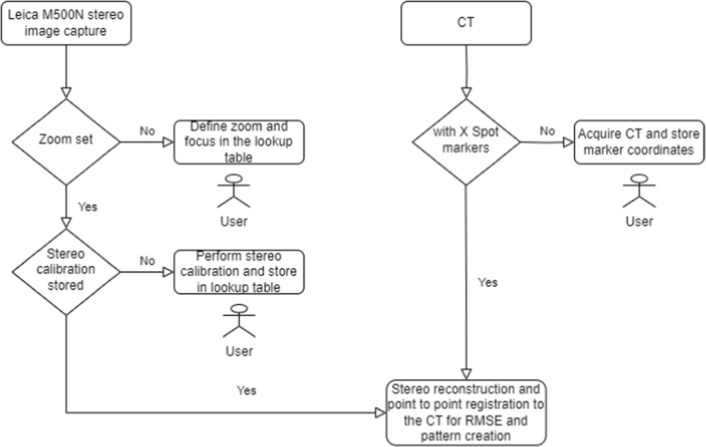
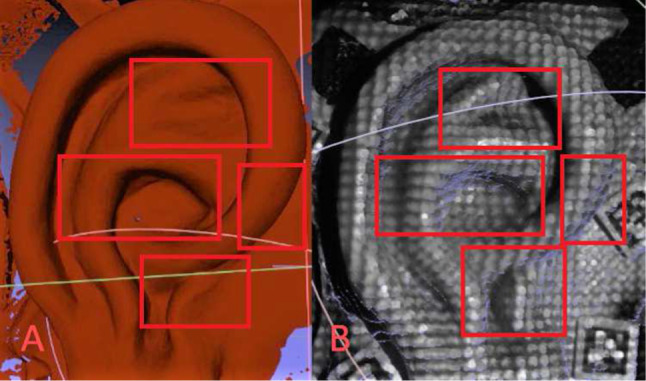
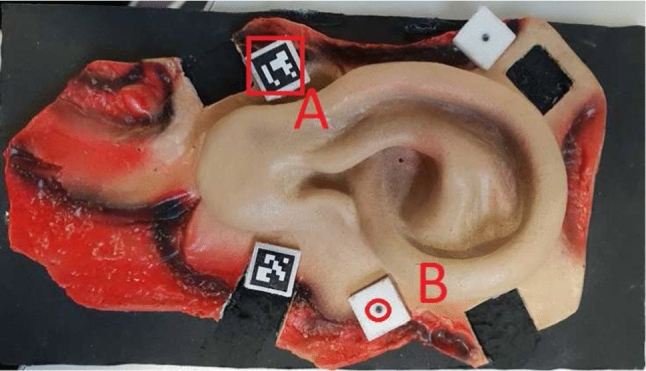
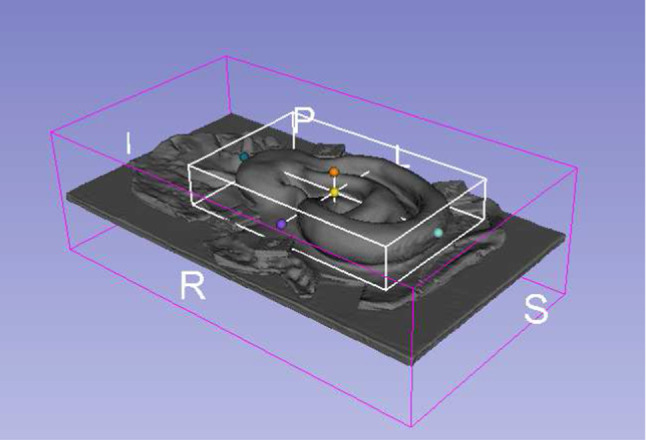
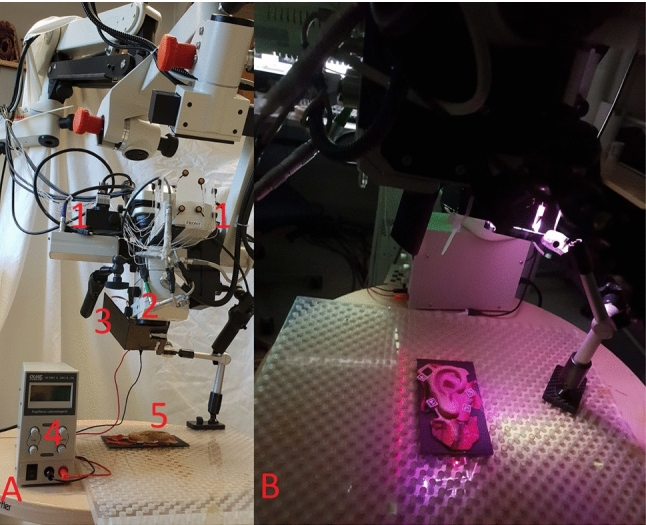
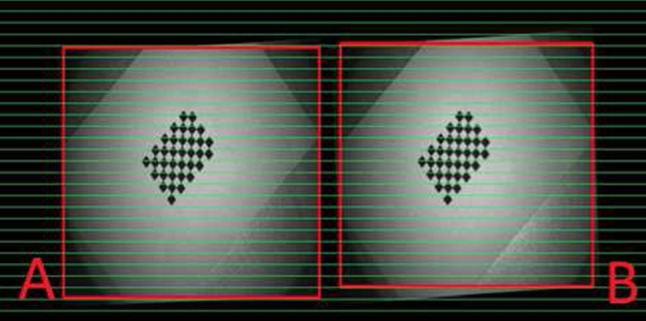
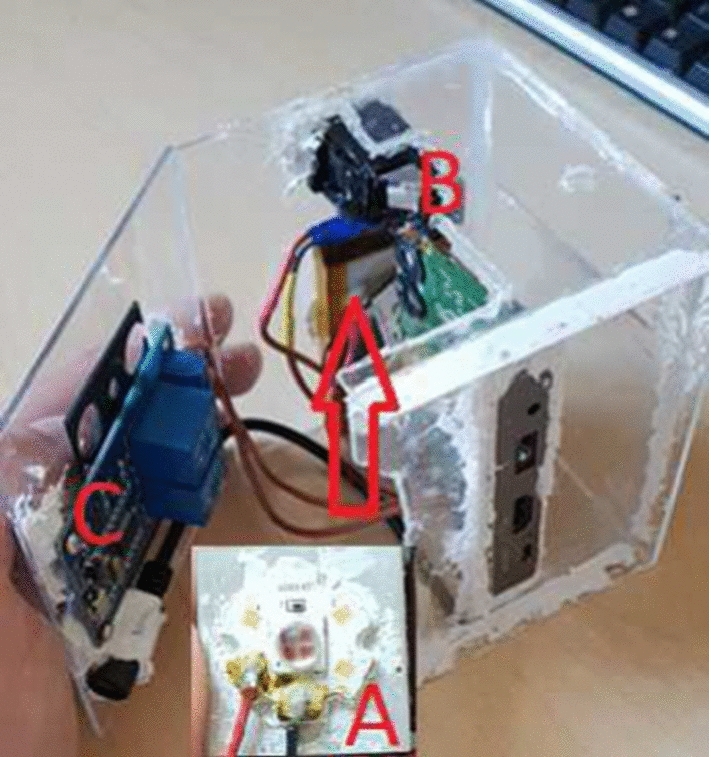
An adaptive near-infrared pattern projector illuminates the surgical scene with optimized patterns to yield accurate dense multi-zoom stereoscopic surface reconstructions. The approach does not impact the clinical workflow. The new method is compared to state-of-the-art approaches and is validated by determining its reconstruction errors relative to a high-resolution 3D-reconstruction of CT data.
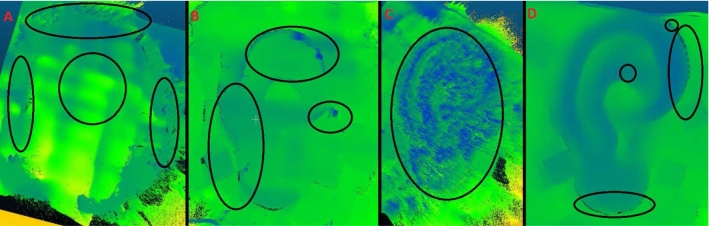
200 surface reconstructions were generated for 5 zoom levels with 10 reconstructions for each object illumination method (standard operating room light, microscope light, random pattern and adaptive NIR pattern). For the adaptive pattern, the surface reconstruction errors ranged from 0.5 to 0.7 mm, as compared to 1-1.9 mm for the other approaches. The local reconstruction differences are visualized in heat maps.
Adaptive near-infrared (NIR) pattern projection in microscopic surgery allows dense and accurate microscopic surface reconstructions for variable zoom levels of small and homogeneous surfaces. This could potentially aid in microscopic interventions at the lateral skull base and potentially open up new possibilities for combining quantitative intraoperative surface reconstructions with preoperative radiologic imagery.
对手术部位(尤其是耳鼻喉科手术)进行多缩放微观表面重建,将允许进行多模态图像融合,以确定切除组织的量、识别关键结构,并为术中质量保证提供新工具。由于手术环境、照明以及皮肤、肌肉、骨骼等均匀结构缺乏立体重建的不变特征,因此,最先进的手术场景三维模型创建技术受到了挑战。
自适应近红外模式投影仪用优化的模式照亮手术场景,以获得准确的密集多缩放立体表面重建。该方法不会影响临床工作流程。将新方法与最先进的方法进行比较,并通过确定其相对于 CT 数据的高分辨率 3D 重建的重建误差来验证该方法。
为 5 个缩放级别生成了 200 个表面重建,每个物体照明方法(标准手术室灯光、显微镜灯光、随机模式和自适应近红外模式)都有 10 个重建。对于自适应模式,表面重建误差范围为 0.5 至 0.7 毫米,而其他方法的误差范围为 1 至 1.9 毫米。局部重建差异以热图形式可视化。
在显微镜手术中使用自适应近红外(NIR)模式投影,可以对小而均匀表面的不同缩放级别进行密集且准确的微观表面重建。这可能有助于在侧颅底进行显微镜干预,并有可能为将定量术中表面重建与术前放射图像相结合开辟新的可能性。