Uda Chihiro, Tsumura Kei, Sano Chiaki, Ohta Ryuichi
Family Medicine, Fuchu Hospital, Osaka, JPN.
Community Medicine Management, Shimane University Faculty of Medicine, Izumo, JPN.
Cureus. 2024 Sep 9;16(9):e68972. doi: 10.7759/cureus.68972. eCollection 2024 Sep.
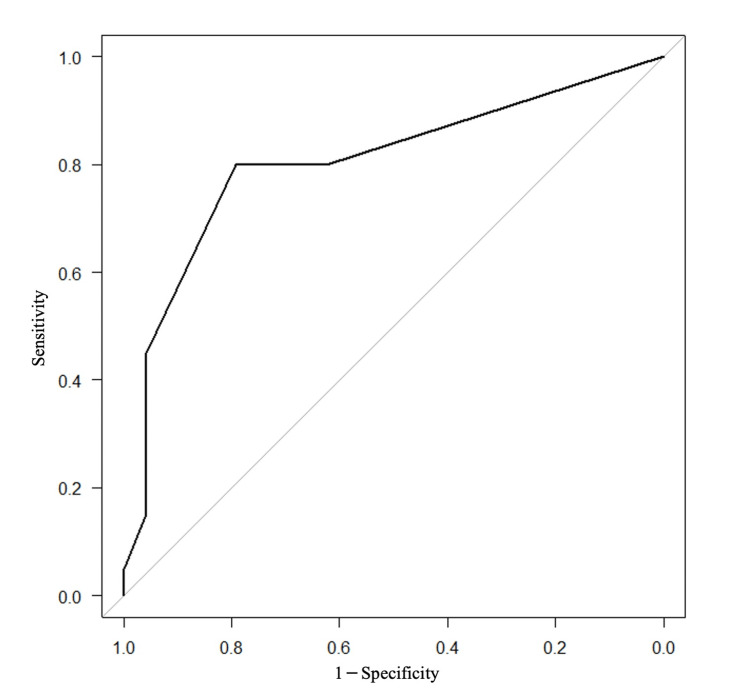
Introduction Sigmoid volvulus is a gastrointestinal condition characterized by twisting the sigmoid colon, leading to obstruction and potentially severe complications. It is associated with factors such as advanced age, constipation, and the use of certain medications. Despite treatment, recurrence is common and significantly impacts patients' quality of life. This study aimed to identify factors influencing the recurrence of sigmoid volvulus to develop effective preventive strategies. Methods A retrospective cohort study was conducted at Fuchu Hospital, Osaka, including 44 patients diagnosed with sigmoid volvulus between May 2013 and May 2023. Data on variables such as age, gender, constipation, cardiac and neuropsychiatric diseases, hypertension, diabetes mellitus, sigmoid colon overgrowth, and BMI were collected from electronic medical records. Recurrence was defined as two or more diagnoses of sigmoid volvulus during the study period. Logistic regression analysis was used to identify significant predictors of recurrence. Results Of the 44 patients, 20 experienced recurrences. Single regression analysis identified constipation, neuropsychiatric disorders, and sigmoid colon overgrowth as significant factors. Logistic regression analysis confirmed constipation as an important predictor of recurrence (OR: 8.84, 95% CI: 2.05-38.1, p=0.0034). The area under the receiver operating characteristic (ROC) curve for the model was 0.804 (95% CI: 0.67-0.938), indicating good predictive accuracy. Conclusion Constipation is a significant risk factor for the recurrence of sigmoid volvulus, likely due to chronic fecal overload leading to elongation and dilation of the sigmoid colon. Effective management of constipation is crucial in preventing recurrence. Future prospective studies with larger sample sizes are needed to validate these findings and explore additional preventive measures.
引言
乙状结肠扭转是一种胃肠道疾病,其特征是乙状结肠发生扭转,导致肠梗阻并可能引发严重并发症。它与高龄、便秘以及使用某些药物等因素有关。尽管进行了治疗,但复发很常见,且对患者的生活质量有重大影响。本研究旨在确定影响乙状结肠扭转复发的因素,以制定有效的预防策略。
方法
在大阪府立府中病院进行了一项回顾性队列研究,纳入了2013年5月至2023年5月期间诊断为乙状结肠扭转的44例患者。从电子病历中收集了年龄、性别、便秘、心脏和神经精神疾病、高血压、糖尿病、乙状结肠过长以及体重指数等变量的数据。复发定义为在研究期间两次或更多次诊断为乙状结肠扭转。采用逻辑回归分析来确定复发的显著预测因素。
结果
44例患者中,20例出现复发。单因素回归分析确定便秘、神经精神障碍和乙状结肠过长是显著因素。逻辑回归分析证实便秘是复发的重要预测因素(比值比:8.84,95%置信区间:2.05 - 38.1,p = 0.0034)。该模型的受试者工作特征(ROC)曲线下面积为0.804(95%置信区间:0.67 - 0.938),表明预测准确性良好。
结论
便秘是乙状结肠扭转复发的重要危险因素,可能是由于慢性粪便负荷导致乙状结肠伸长和扩张。有效管理便秘对于预防复发至关重要。未来需要进行更大样本量的前瞻性研究来验证这些发现并探索其他预防措施。